If you grow more blueberries than you can eat in a few days, what you do with them in the next four hours matters more than what you do in the next four weeks.
Homegrown blueberries are usually sweeter and more perishable than commercial varieties bred for shipping — they need different handling than the plastic clamshells from the supermarket suggest.
This guide covers the practical options for home gardeners: short-term refrigeration, freezing for long-term storage, and the things that sound like they should work but usually ruin the fruit instead.
Why Homegrown Blueberries Need Different Handling
Commercial blueberry varieties — primarily highbush cultivars selected for large-scale production — are bred to tolerate the cold chain of commercial distribution. They can be held at 34°F for weeks and still look presentable. Home garden blueberries are usually grown from varieties chosen for flavour and garden performance, not storage life.
The practical difference is this: a pint of homegrown blueberries picked fully ripe will begin to decline within 48 hours at room temperature. Commercially harvested blueberries are typically picked at partial ripeness, treated with fungicide, and cooled within hours of harvest — none of which happens in a home garden. The storage advice built for commercial blueberries systematically misleads home growers. For guidance on picking blueberries at the right stage, see when to harvest blueberries.
The Four-Hour Window After Harvest
What you do in the first few hours after picking determines how long the berries last in storage. Blueberries continue respiring after harvest, generating heat and consuming their own sugars. The warmer they are, the faster they decline. Every hour at room temperature ages them more than a full day in the refrigerator.
As soon as you finish picking, sort the berries: remove any that are cracked, soft, or show visible damage. One damaged berry in a container accelerates decay in the surrounding fruit. Transfer the sorted berries to a shallow container — no more than two layers deep — and place them in the refrigerator within four hours of harvest.
Do not wash blueberries before refrigeration. The thin waxy bloom that coats ripe blueberries is a natural preservative that seals the lenticels (the small pores in the skin). Washing removes it and shortens storage life significantly. Wash berries only when you are about to use them. The soil chemistry your blueberries grow in also affects the waxy bloom quality — more acidic soils within the 4.5–5.5 range tend to produce berries with better natural storage characteristics.
Refrigerator Storage: What Works
Spread unwashed berries in a single layer on a paper towel-lined tray or shallow container, cover loosely with plastic wrap, and store at 34–36°F. Under these conditions, fully ripe homegrown blueberries will hold for seven to ten days without significant flavour loss. If they were harvested slightly underripe, they will continue to ripen slightly in refrigeration and last slightly longer.
Do not seal berries in an airtight container. Blueberries need some air circulation, and sealed containers trap moisture that accelerates rot. A loosely covered container is better than a sealed one.
If you have more berries than will fit in a single layer, use multiple shallow containers rather than stacking. Stacked berries crush the lower layers and the bruising causes rapid decay.
Freezing: The Only Reliable Long-Term Option
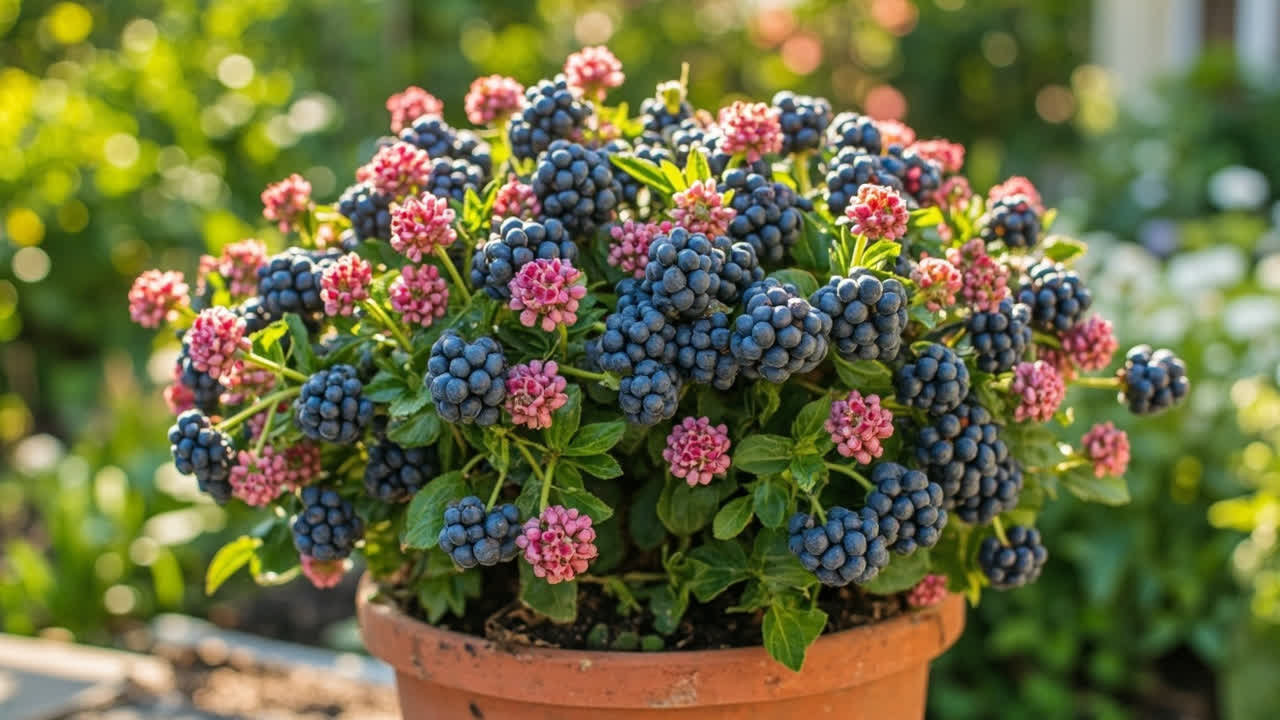
Blueberries freeze well for up to twelve months with minimal flavour loss if handled correctly. The single most important step is flash-freezing individually first — spread sorted, unwashed berries in a single layer on a baking sheet, place in the freezer for two to three hours until frozen solid, then transfer to a sealed freezer bag. This prevents them from freezing into a solid block and allows you to pour out only the amount you need.
Berries frozen in bulk without this step freeze as a single mass and are difficult to use in portions. Once flash-frozen and bagged, they can be stored for ten to twelve months at 0°F with minimal degradation.
Do not thaw frozen blueberries in the refrigerator overnight — the cell walls collapse as they ice-crystallize and the berries turn mushy. Use frozen berries directly from the freezer in smoothies, baking, or cooking. If you need thawed blueberries for a sauce or jam, thaw them slowly in a saucepan over low heat. For the harvest schedule that precedes storage decisions, see when to harvest blueberries and storing blueberries after harvest.
What Does Not Work
Storing blueberries in a bowl on the counter is the single most reliable way to lose a harvest. At room temperature, ripe blueberries begin to shrivel within 24 hours and flavour degrades significantly within 48 hours.
Vacuum Sealing
Vacuum sealing blueberries does not extend their storage life and usually damages the skin. The suction causes the berries to deform, cracking the skin and accelerating moisture loss. This method works for harder fruits but not for soft-skinned berries like blueberries.
Water Submersion
Submerging blueberries in water to keep them fresh backfires within days. Unless the water is treated with a fungicide (which home kitchens don’t have access to), the standing water becomes a growth medium for the same fungi that cause botrytis and anthracnose. The fruit absorbs water and the flavour dilutes noticeably. If you find your harvested blueberries are already showing signs of fungal damage, blueberry root rot may already be affecting the plant — which can increase the proportion of damaged fruit at harvest.
Sealed Bags in the Refrigerator
Refrigerating unwashed blueberries in sealed bags is marginally worse than loose-container storage — any residual moisture in the container becomes a humidity problem. If you must use bags, spread a paper towel inside the bag to absorb condensation.
The Practical Harvest-to-Storage Workflow
For a home gardener with a productive blueberry bush, a reliable workflow prevents waste and preserves quality: pick into shallow containers, sort and inspect immediately after picking, place in the refrigerator within four hours, use within ten days or freeze within 48 hours. This two-step approach — fresh use within the week or long-term freeze — is simpler and more effective than any other method.
If you are growing blueberries for preservation (jam, baking, smoothies), freeze everything you won’t eat fresh within two days of harvest. Frozen blueberries retain their nutritional value and flavour well for up to a year, which means a single productive bush can supply your kitchen for the entire following year.
For picking at peak ripeness — which determines how well berries hold in storage — see our full guide to when to harvest blueberries.
From PDF to Excel in one click
Forget retyping line by line. Upload any bank statement, get a spreadsheet you can actually use. Your files are never stored, and you can test the converter with 3 free conversions.