If you grow pineapple plants long enough, you will eventually meet mealybugs or scale. They are the two most common pests affecting both outdoor and indoor pineapple plants, and they share a frustrating trait: they start small and stay quiet long enough that most people do not notice until the population has already built up.
The plant does not collapse overnight. It just gradually looks a little worse — duller leaves, slower growth, maybe some sticky residue on the surface below. By the time you spot the actual insects, they have been feeding for weeks. The good news is that neither pest is a death sentence if you catch them and treat them consistently. The less good news is that inconsistency is how most people lose the battle.
How to Tell Mealybugs and Scale Apart
These two pests look different and behave differently, so getting the identification right matters. You do not want to treat for the wrong thing.
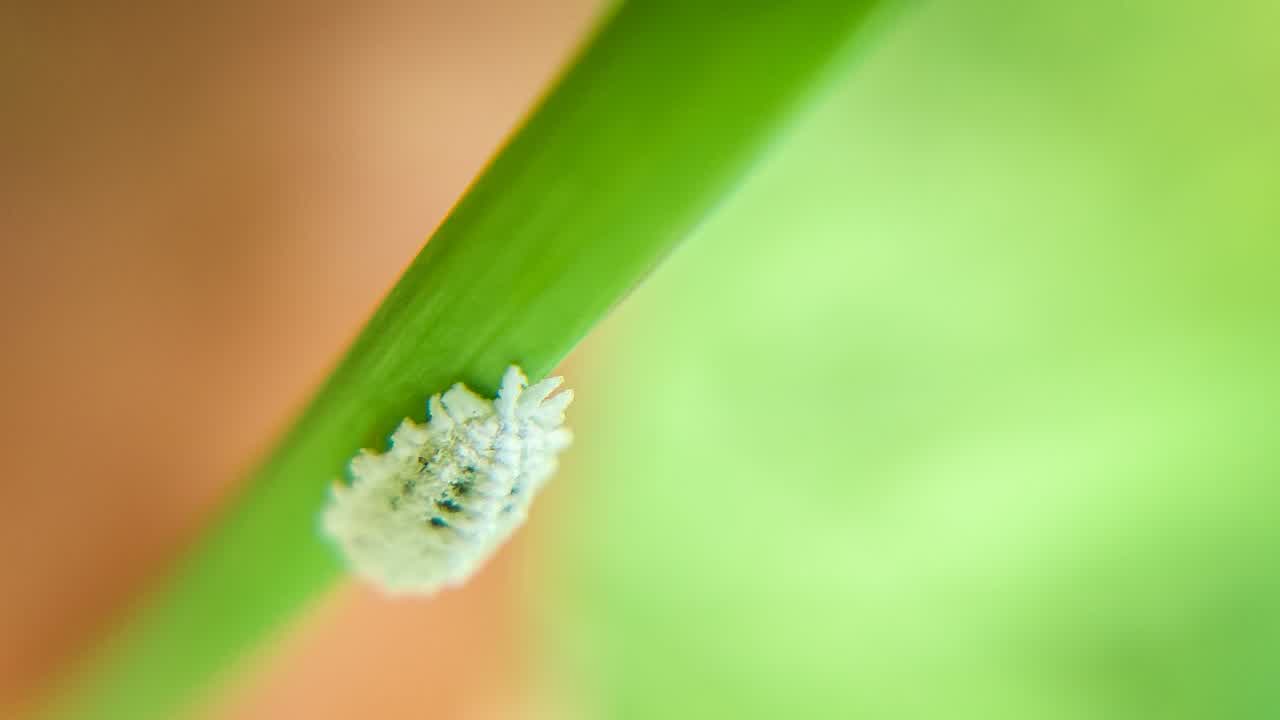
Mealybugs : The Cottony Ones
Mealybugs look like small clusters of white cotton or fluff tucked into the leaf joints, the center of the rosette, and the underside of leaves where they are protected. They are soft-bodied insects that feed by sucking sap from the plant. As they feed, they excrete a sticky, sugary substance called honeydew.
That honeydew is a useful warning sign on its own. If you notice a sticky residue on the leaves or on the surface below the plant, something is feeding on it. Mealybugs, aphids, and scale all produce honeydew — so sticky residue means it is time to inspect more closely.
Other mealybug signs include:
- white cottony clusters at leaf bases or in the crown
- sticky honeydew residue on leaves
- slower new leaf growth
- duller overall color
- in severe cases, sooty mold growing on the honeydew
Scale : The Stuck-On Ones
Scale insects are harder to spot because they do not look like typical insects. They appear as small brown, tan, or reddish-brown bumps that are literally stuck to the plant surface. They attach firmly and barely move. Many people assume they are part of the plant structure until the population builds up enough to notice patterns of matching bumps.
Scale insects have a protective shell or coating that makes them resistant to some treatments. They feed the same way as mealybugs — sucking sap — and produce the same honeydew residue.
The critical difference: mealybugs are soft and exposed. Scale insects have a hard shell that protects them. That shell changes how you approach treatment.
Other Pineapple Pests to Know
Mealybugs and scale are the main ones, but two others occasionally show up.
Spider Mites
Spider mites prefer hot, dry conditions — so they are more likely in indoor pineapple plants kept in a warm room with low humidity. They are tiny and often go unnoticed until you see fine webbing between the leaves. By then, the leaves may already show stippling or a mottled yellowing pattern.
Spider mites are less common on pineapple than mealybugs or scale, but they spread fast in the wrong conditions. If you see fine webbing and your plant has been in a consistently warm, dry spot, spider mites are worth checking for.
Aphids
Aphids are occasional visitors, particularly on new tender growth. They cluster on the youngest leaves and can cause curling or distortion if the population grows large. They also produce honeydew and are generally easier to spot and remove than scale because they move around more and do not have a protective shell.
How to Treat Mealybugs and Scale
Treatment approach depends on severity, but the basic sequence is the same for both pests.
Step 1 : Isolate the Plant
Before you do anything else, move the affected plant away from other plants. Mealybugs can crawl, and scale can be spread by touch or by ants. Isolation prevents the population from spreading while you work through treatment.
Step 2 : Physical Removal
For light infestations, start with a cotton swab or soft cloth dipped in rubbing alcohol (isopropyl alcohol diluted to about 50% with water). Wipe the visible pests directly — the alcohol dissolves their outer coating and kills them on contact. This works well for mealybugs and for scale that has not yet built up a large population.
For scale specifically, you can also use a fingernail or a dull tool to scrape them off the surface. They do not let go easily — you need to apply pressure. But do not gouge the plant tissue. Just enough pressure to dislodge the shell.
Step 3 : Insecticidal Soap or Horticultural Oil
If the infestation is more than light, wipe-down alone will not be enough. Follow up with insecticidal soap spray or horticultural oil (neem oil works for many growers). These suffocate the pests on contact, but they only work on what they touch — they do not have residual systemic effect.
What happens next is important: one treatment rarely finishes the job. Both mealybugs and scale hide in crevices and leaf bases that are hard to reach with a spray. Plan on repeating the treatment every 3–5 days for at least two to three rounds to catch newly hatched individuals before they reproduce.
Step 4 : Repeat, Repeat, Repeat
This is where most people give up too early. They do the first cleanup, the plant looks better, they skip the follow-up — and then the population rebounds within a few weeks. The pests you missed or that hatched from eggs after the first treatment rebuild quietly, and you are back to where you started.
Check the plant again in 3–5 days. Wipe any survivors. Spray again if needed. Then check again. The standard recommendation is to continue the treatment cycle for at least three weeks to cover all life stages.
Should You Remove Heavily Infested Leaves?
Sometimes yes, but it depends on the extent of the damage. If a leaf is covered with pests and is already yellowing or dying, removing it reduces the breeding ground and makes your treatment more effective. But do not strip the plant aggressively. Pineapple plants need their leaf mass to photosynthesize and recover.
The trade-off is always the same: removing a heavily infested leaf reduces pest pressure but also reduces the plant’s energy-producing capacity. If the plant is still relatively healthy overall and the infestation is localized, targeted removal of the worst leaves is reasonable. If most of the plant is affected, focus on treating the whole plant rather than defoliating it.
Can Poor Growing Conditions Make Pest Problems Worse?
Without question. Plants under stress — in low light, stale air, or inconsistent watering — are more vulnerable to pest damage and slower to recover from it. A vigorous pineapple plant in bright indirect light with good airflow can withstand light mealybug pressure and recover faster even if the treatment takes a few rounds.
A plant that is already struggling has less resilience to compensate for the sap loss and physical irritation caused by pests. This is why pest control and plant health are not separate topics. Improving the growing conditions at the same time you treat the insects makes the treatment work better and reduces the likelihood of a repeat infestation.
If you want to check whether your plant’s environment is supporting or undermining its health, the pineapple light requirements guide and the pineapple humidity guide both have practical detail on what to aim for.
How to Prevent Reinfestation
Prevention is mostly habit and vigilance.
- Inspect new plants before bringing them near your other plants. This is the most common way mealybugs and scale spread — a new plant that looks clean but has a small hidden population.
- Check hidden crevices and leaf bases during routine inspections. The pests hide where sprays do not easily reach. Looking closely at the center of the rosette and the underside of lower leaves will catch them before the population explodes.
- Avoid overcrowding. Good airflow makes conditions less hospitable for pests and helps the plant stay healthier overall.
- Keep the plant clean. Rinse the leaves occasionally, especially the undersides. This physically removes pests and honeydew.
What happens next when inspection becomes routine: you catch problems at one or two insects instead of thirty, and one treatment cycle finishes the job instead of six.
The Bottom Line
Mealybugs and scale are frustrating but treatable. The keys are correct identification, thorough physical removal, consistent follow-up treatment, and — critically — improving the plant’s overall health so it can recover and defend itself better next time.
If your plant is also showing yellowing leaves or general decline alongside the pest problem, you may be dealing with more than one issue at once. The yellow leaves guide and the dying pineapple plant guide can help you determine whether pests are the primary cause or a secondary symptom of something else going on.
So — are you checking your pineapple plant’s leaf bases and crown every few weeks? Even just a quick look? Because that is the difference between catching one or two mealybugs and dealing with a full infestation three months from now.
Turn PDF Bank Statements Into Workable Spreadsheets
Your bank statement is a mess of numbers, but your books shouldn't be. Use our converter to get Excel, CSV, or QBO files — ready for QuickBooks.
Try It Free Now