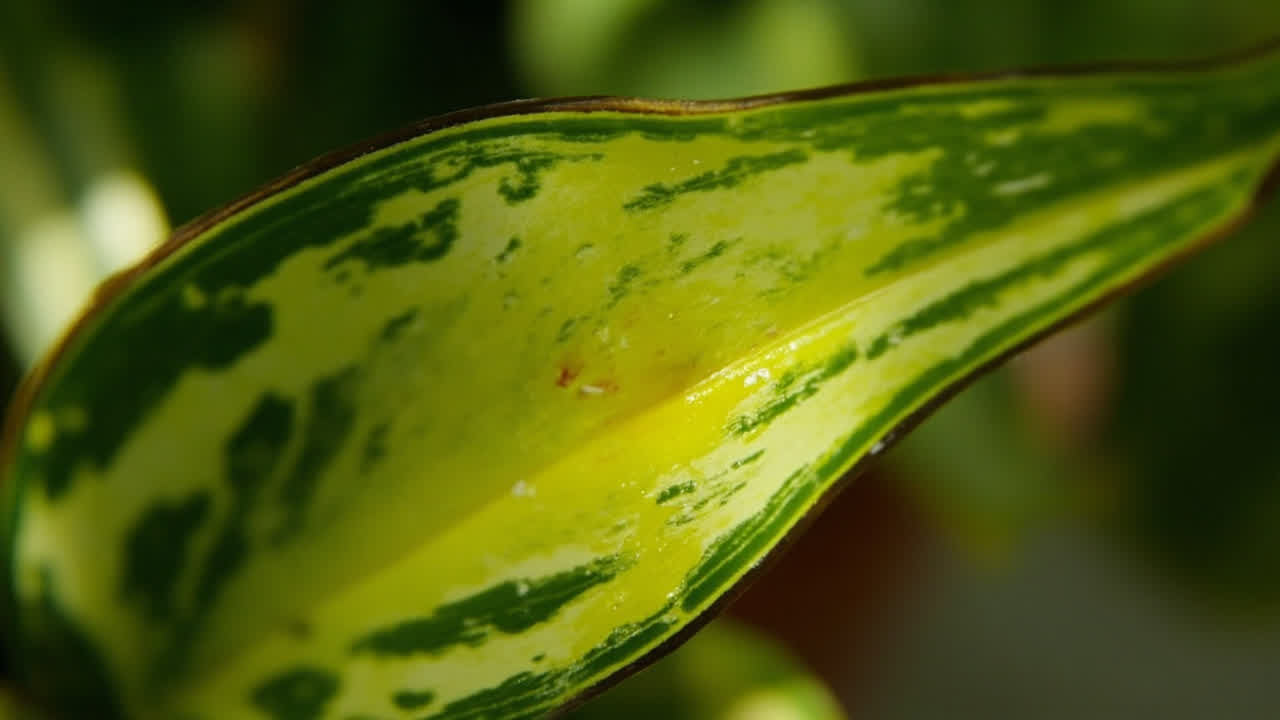
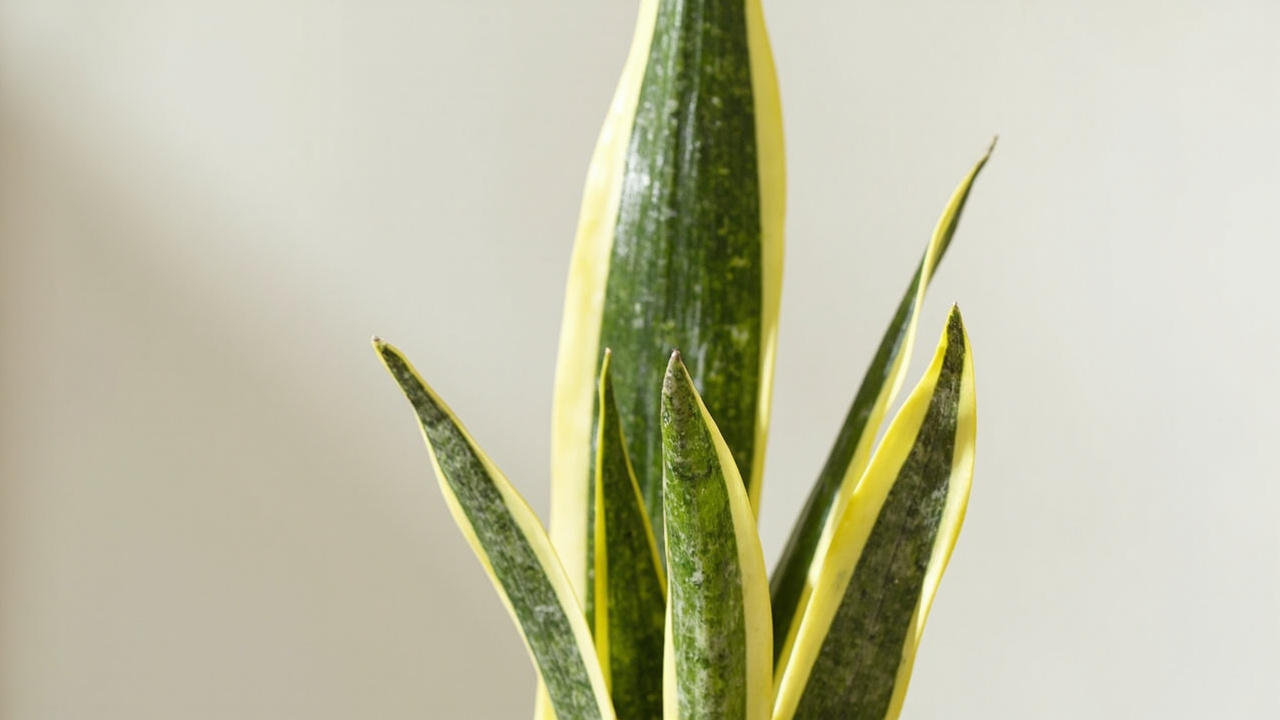
Yellow snake plant leaves usually mean one of three things: a natural old leaf dying back, overwatering that has started to rot the roots, or cold damage from a draft or a chilly window. The trick is telling them apart, because each cause has a different fix and the wrong fix can make things worse.
Yellowing is not a single problem. It is a category of distinct issues that share one visible signal, and the most common mistake is treating them as one. A snake plant with one yellow leaf at the base and firm, healthy growth above is a healthy plant going through normal leaf turnover. The same plant with soft, mushy yellow leaves and a wet pot is in root rot. Treating the first one with a repot or aggressive dry-down wastes a perfectly fine leaf, and treating the second with patience lets the rot spread through the rhizome and lose the whole plant.
The rest of this article works through the three main causes in order of likelihood, names a fourth less common cause for completeness, and closes with a ranked diagnostic checklist that should identify the right cause in under a minute. For the full care context, start with our snake plant care guide; for the broader troubleshooting path, our snake plant problems page covers other symptoms like mushy bases and wrinkled leaves.
Why Yellow Leaves Appear: The Real Order Of Likelihood
For an otherwise healthy snake plant, the most common cause of a yellow leaf is natural aging — the oldest outer leaf yellows, the plant reclaims the nutrients, and the leaf eventually dries to a tan paper-like husk that can be trimmed away. The second most common cause is overwatering, which is more serious because it tends to affect multiple leaves at once and signals a structural problem with the pot, the soil, or the watering rhythm. The third is cold stress, which usually shows up within a few days of a temperature drop and is the easiest to miss.
The order matters because the first cause requires no action beyond patience, the second requires immediate intervention, and the third requires a placement fix. Running the wrong fix is the most common way owners lose an otherwise healthy snake plant, which is why the diagnostic order below is built to rule out the dangerous causes first.
Two signals cut through the noise almost every time: where the yellow leaf is on the plant, and whether the rest of the plant still feels firm. Outer leaves that yellow one at a time on a firm plant are almost always natural aging. Yellow leaves paired with a soft base, mushy soil, or multiple yellow leaves at once are almost always a water or root problem. Use that pair of signals as the first split.
Cause 1: Natural Leaf Aging
Snake plants grow from a central rhizome and push out new leaves from the center of the rosette. As new leaves come in, the oldest outer leaves become redundant and the plant reabsorbs the chlorophyll and nutrients from them. The result is a single outer leaf that fades from green to yellow over a few weeks, then dries to a tan color at the edge.
This is normal and does not require treatment. Trim the leaf at the soil line once it is more than half yellow, using clean scissors or a knife, and leave the rest of the plant alone. Trying to “save” a leaf in natural decline by repotting, fertilizing, or changing the watering rhythm does nothing except stress the rest of the plant.
The timing is a useful signal. If a snake plant has been in the same pot for more than a year and is pushing out new leaves from the center, an occasional yellow outer leaf is expected. If the plant is not pushing out new growth and an outer leaf is yellowing for no apparent reason, suspect one of the next two causes before assuming aging.
Cause 2: Overwatering And Root Rot
Snake plants evolved in dry West African conditions to survive long droughts by storing water in their thick leaves. That adaptation is exactly what makes them vulnerable to wet soil — their roots are not built for sustained moisture, and they begin to suffocate and rot within a few weeks of sitting in damp soil. The visible signal is yellowing leaves paired with a soft, mushy base, wet soil that does not dry down on schedule, and a sour smell from the pot.
The fix depends on how far the rot has spread. For early-stage overwatering — yellowing leaves but firm base and still-draining soil — stop watering, move the plant to a brighter spot, and let the soil dry completely before the next soak. Most snake plants recover from a single overwatering within a few weeks if the soil drains and the pot has a drainage hole. The full soak-and-dry method is covered in the snake plant watering guide.
For advanced root rot — multiple yellow or collapsed leaves, mushy base that gives under light pressure, and soil that smells stagnant — slide the plant out of the pot, trim any black or mushy roots back to firm white tissue, and repot into fresh, fast-draining cactus or succulent mix. Keep the plant on the dry side for the next month and watch for new growth from the center as the recovery signal. A full recovery timeline is one to three months, and our snake plant problems page walks through the more advanced cases.
Cause 3: Cold Stress And Temperature Shock
Snake plants tolerate a wide indoor temperature range but they have a hard floor around 50°F / 10°C. Below that, the leaves begin to suffer cold damage, which usually shows up as soft, pale yellow patches that turn translucent and then collapse within a few days. The exposure is often invisible: a window that gets cold at night in winter, an air-conditioning vent blowing directly on the plant, a draft from an exterior door, or a plant left near a window during a cold snap.
The recovery protocol for cold damage is mostly patience. Move the plant to a warmer spot away from the draft, do not water for at least two weeks (cold-damaged roots are slow to recover and over-watering compounds the problem), and trim away leaves that have gone fully translucent or mushy. New growth from the center within a month is the signal that the crown survived. Snake plant light requirements stay steady through recovery, so a bright indirect spot is the right placement while the plant recovers.
Cold damage is the easiest cause to miss because the yellowing appears days after the actual exposure, and the cold event itself is often forgotten. If your snake plant sits near a window, an exterior door, or under an AC vent, check the temperature at that spot with a basic thermometer before assuming the cause is something else.
Cause 4: Fertilizer Burn And Salt Buildup
Snake plants are light feeders, and they accumulate salts faster than they can use them. Yellowing leaves paired with brown leaf-tip burn and a white crust on the soil surface is the textbook signature of fertilizer or salt buildup — and it is a slow-developing problem that often shows up months after the feeding schedule that caused it. The fix is to flush the pot thoroughly with clear room-temperature water, hold fertilizer for at least two months, and consider switching to filtered water if you live in an area with hard tap water.
For ongoing prevention, a half-strength balanced fertilizer once a month in the growing season is plenty, and most owners do better with a cactus fertilizer at full strength than a balanced houseplant fertilizer at half. The airy, fast-draining snake plant soil helps salt-laden water move through the pot rather than accumulating, which is the other half of the prevention picture.
The Diagnostic Checklist In Order
Run these checks in order. Most cases resolve by step three:
- Is the yellowing limited to one or two outer leaves on a plant that otherwise looks firm and healthy? If yes, it is natural aging — trim and move on.
- Is the soil wet, the base soft, or more than one leaf yellowing at once? If yes, suspect overwatering. Stop watering, let the pot dry completely, and check for mushy roots if it does not improve within two weeks.
- Has the plant been exposed to cold (under 50°F / 10°C) in the last week — a chilly window, an AC vent, an exterior door? If yes, move to a warmer spot, hold water for two weeks, and wait for new center growth.
- Are the yellow leaves paired with brown leaf-tip burn and a white crust on the soil surface? If yes, flush the pot and hold fertilizer for two months.
Two things to skip: repotting a snake plant with one yellow leaf on a firm base, and adding fertilizer to a yellowing plant in case “it needs food.” Both make the problem worse. Yellowing is rarely a hunger signal on a snake plant — it is almost always a structural signal about water, temperature, or natural turnover. Diagnose the cause before acting, and the recovery is usually fast.
Turn any PDF statement into a clean sheet
Skip the typos and the hours of copying. Our converter handles any bank statement format and outputs Excel, CSV, or QBO for QuickBooks. No file retention, free to try.
Convert your statement