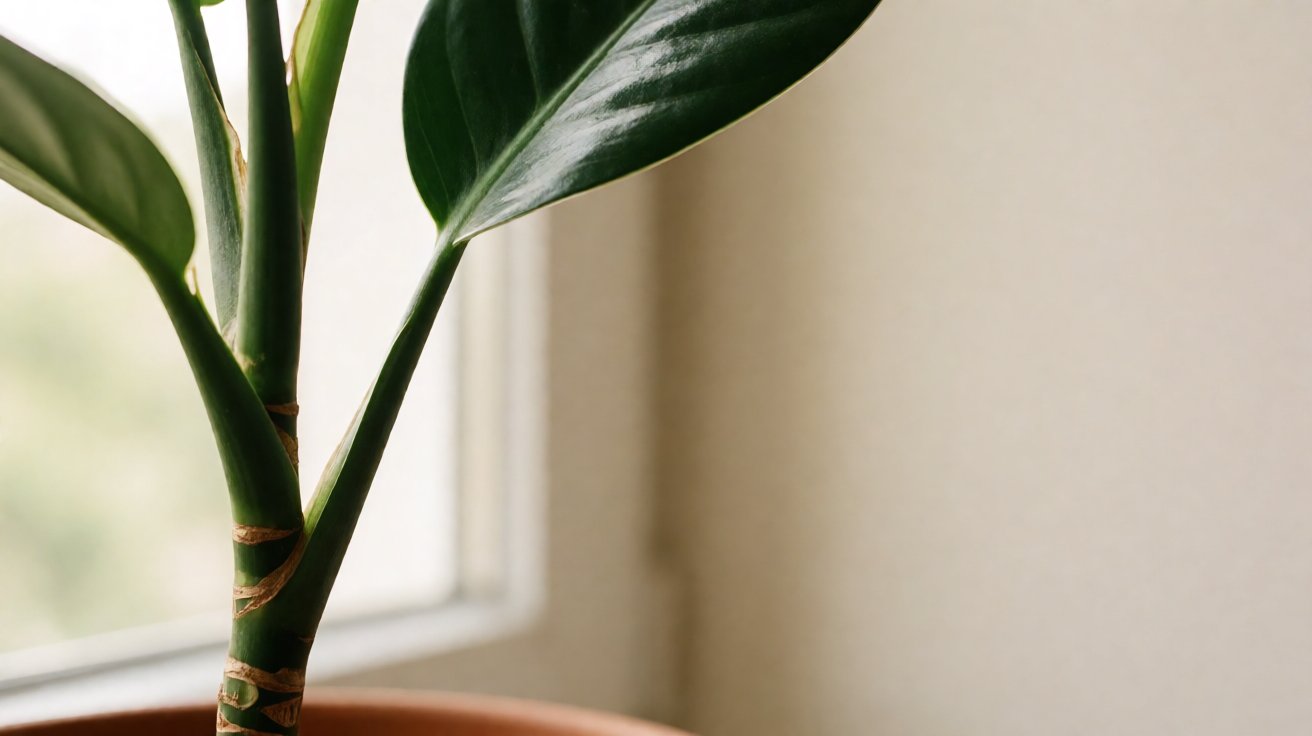
One of the most appealing things about snake plants — also called Sansevieria or Mother-in-Law’s Tongue — is their tolerance for low light. But tolerance is not the same as preference, and understanding where your snake plant falls on that spectrum determines whether it simply survives or actually grows.
The Light Range Snake Plants Tolerate
Snake plants grow in the shade of rocks and larger vegetation in their native West African habitat, which means they are naturally adapted to low light conditions that would kill most tropical houseplants. They can survive in dim corners, north-facing rooms, and rooms without windows — but survival and vigour are different things.
In low light, a snake plant will not die. It will simply stop growing or grow extremely slowly. The leaves may become slightly paler, the variegated sections may reduce, and the plant will not produce new leaves. This is not a sign of ill health — it is the plant’s normal response to insufficient light.
The Light That Makes Snake Plants Thrive
Bright indirect light is the sweet spot. This means:
- East or north-facing windows — one to two metres from the window, no direct sun
- South or west-facing windows — behind a net curtain to filter direct sun
- Well-lit rooms with ambient light from multiple directions
In bright indirect light, a healthy snake plant produces new leaves regularly — typically two to four new leaves per growing season — and the leaves are upright, firm, and deeply coloured. The variegated sections on varieties like Laurentii stay strong and distinct.
Signs Your Snake Plant Needs More Light
Slow or stopped growth. If your snake plant has not produced a new leaf in several months during the growing season (March to October), light is likely the limiting factor. In good light, snake plants grow continuously during the warm months.
Leaves that lean or spread outward rather than growing upright. Snake plants in good light grow their leaves vertically upward. In insufficient light, the leaves spread outward and may even droop. This is the plant reaching for more light — the leaves become larger and flatter to capture more light, sacrificing the compact upright posture.
Variegation fading on new leaves. If you are growing a variegated snake plant and the new leaves are emerging mostly green instead of with yellow or cream edges, the plant is not getting enough light to sustain the variegated tissue. Increase light gradually — sudden moves to intense light can burn the leaves.
Pale or yellowing leaves. Leaves that lose their deep green colour and become pale or yellow are often reacting to too much light — direct sun can bleach the leaves. Or they could be reflecting overwatering, not light. Check the soil to distinguish.
Signs Your Snake Plant Is Getting Too Much Light
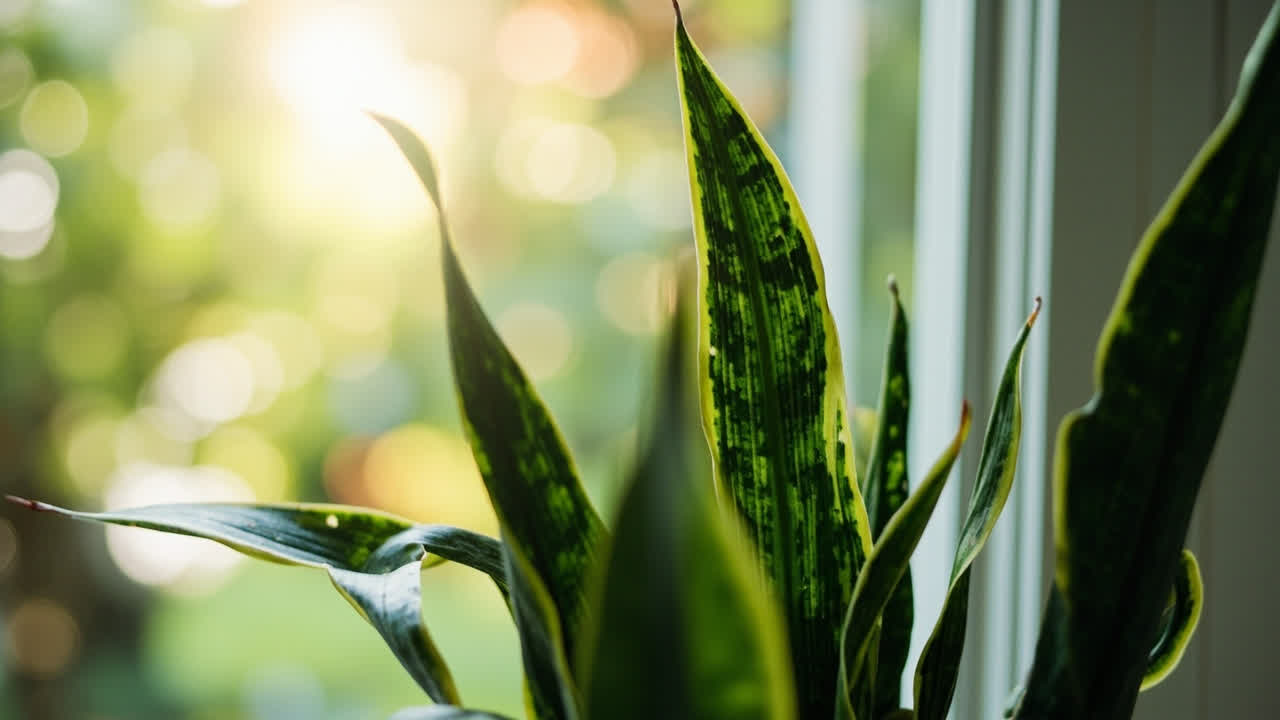
Brown or pale patches on the leaves. Direct sunlight, especially through a window, can scorch snake plant leaves. The scorched patches are typically pale yellow to brown and may appear on the side of the leaf facing the window. Move the plant further from the window or filter the light.
Leaves that look bleached or washed out. If the leaf colour has become noticeably lighter and less saturated, the plant may be receiving more light than it can process comfortably. Move it back from the window.
Best Positions in a Singapore Home
Snake plants do well in most positions in a Singapore home that receive any natural light at all:
- East-facing window — one to two metres away, no direct sun after the morning
- North-facing window — close to the window is fine, the light is never harsh
- Behind a net curtain on a south-facing windowsill — filtered light only
- Two to three metres from a well-lit window — enough ambient light for slow but steady growth
Snake plants are one of the few houseplants that actually do reasonably well in rooms with air conditioning and no natural light — they will not grow but they will survive. For better results, give them at least some natural light.
For general care, see the Snake Plant Care guide.
Turn PDF Bank Statements Into Workable Spreadsheets
Your bank statement is a mess of numbers, but your books shouldn't be. Use our converter to get Excel, CSV, or QBO files — ready for QuickBooks.