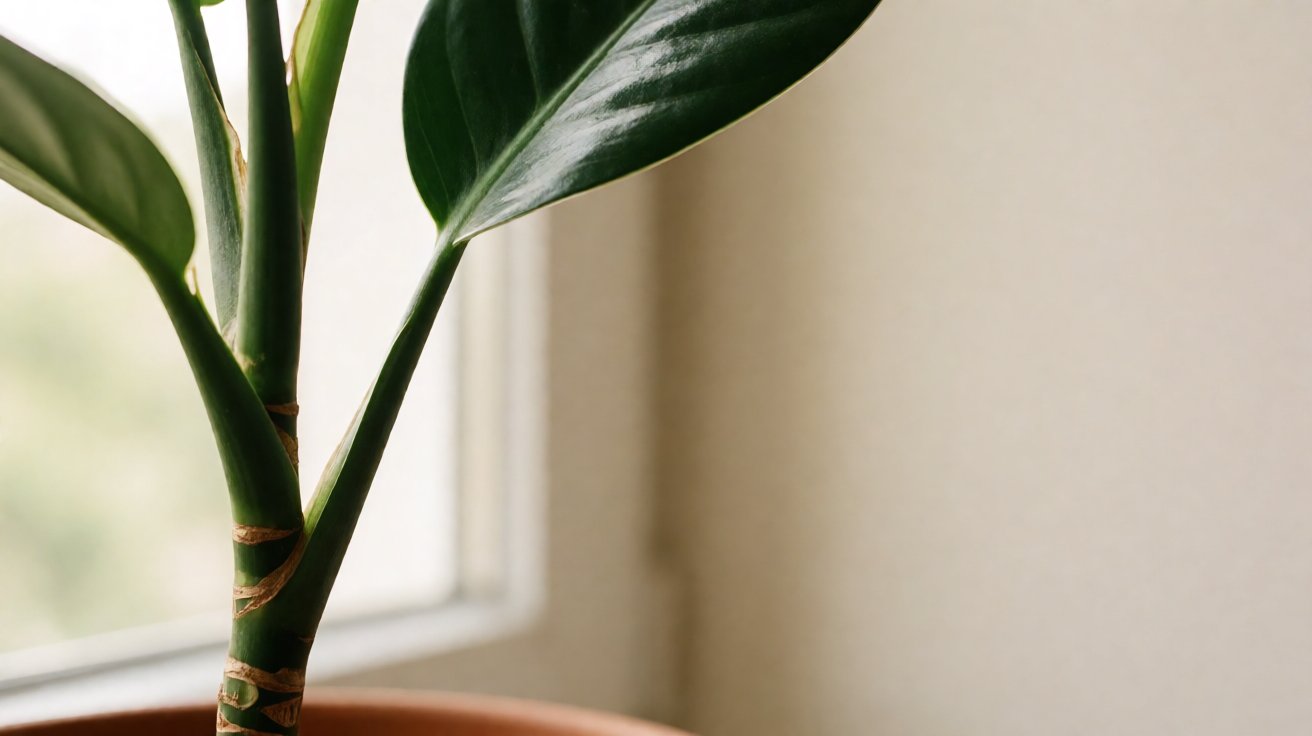
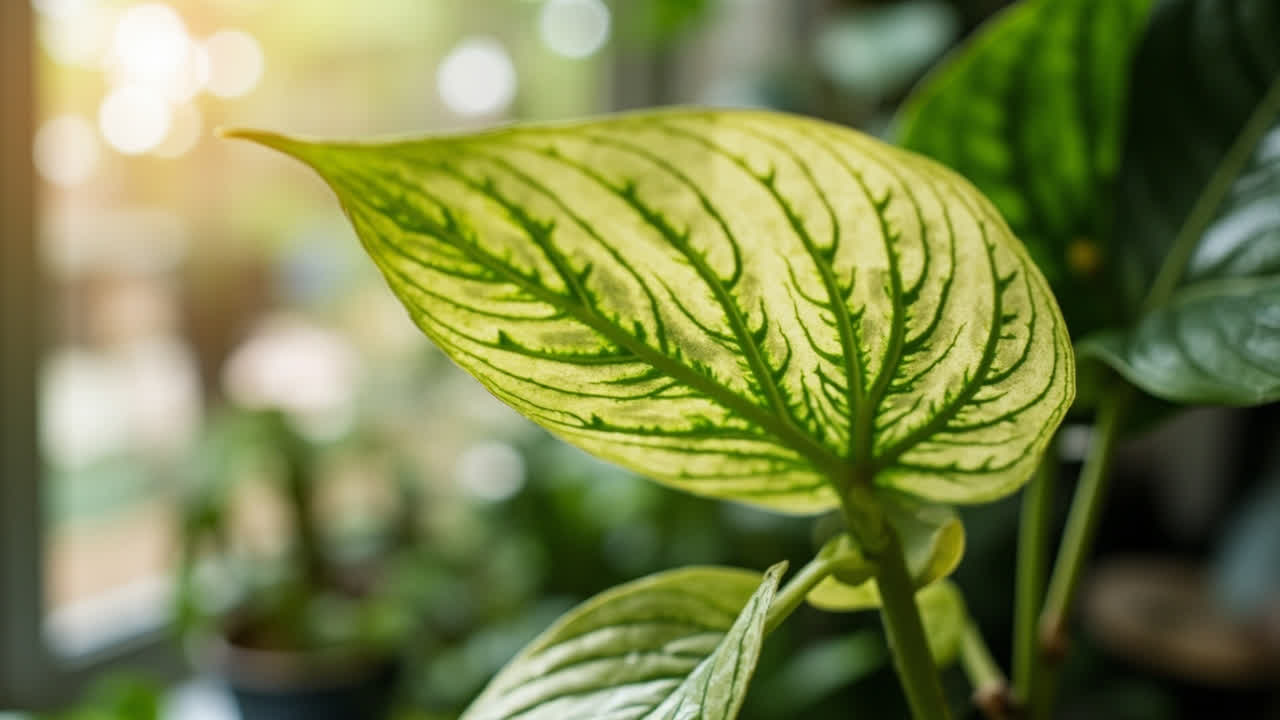
Snake plants are not demanding about soil, but they are specific about drainage. Put them in the wrong soil and no matter how careful you are with watering, the roots will eventually suffer.
The right soil mix for snake plants is costs almost nothing and eliminates the most common cause of snake plant failure.
Why Standard Potting Mix Is Wrong for Snake Plants
Standard potting mix is designed to retain moisture — it holds water longer than what a snake plant needs.
Snake plant roots evolved in rocky, fast-draining soils in arid environments. They are not designed to sit in moist soil.
When a snake plant is potted in standard potting mix, the soil stays wet for too long after each watering, and the roots — which are not drought-deciduous like the leaves — begin to rot.
This is why so many people struggle with snake plants even when they follow the “water only when dry” rule correctly. The soil itself is the problem: it holds moisture too long, and even with careful watering, the root zone stays damp for days longer than the plant can tolerate.
The Right Soil Mix
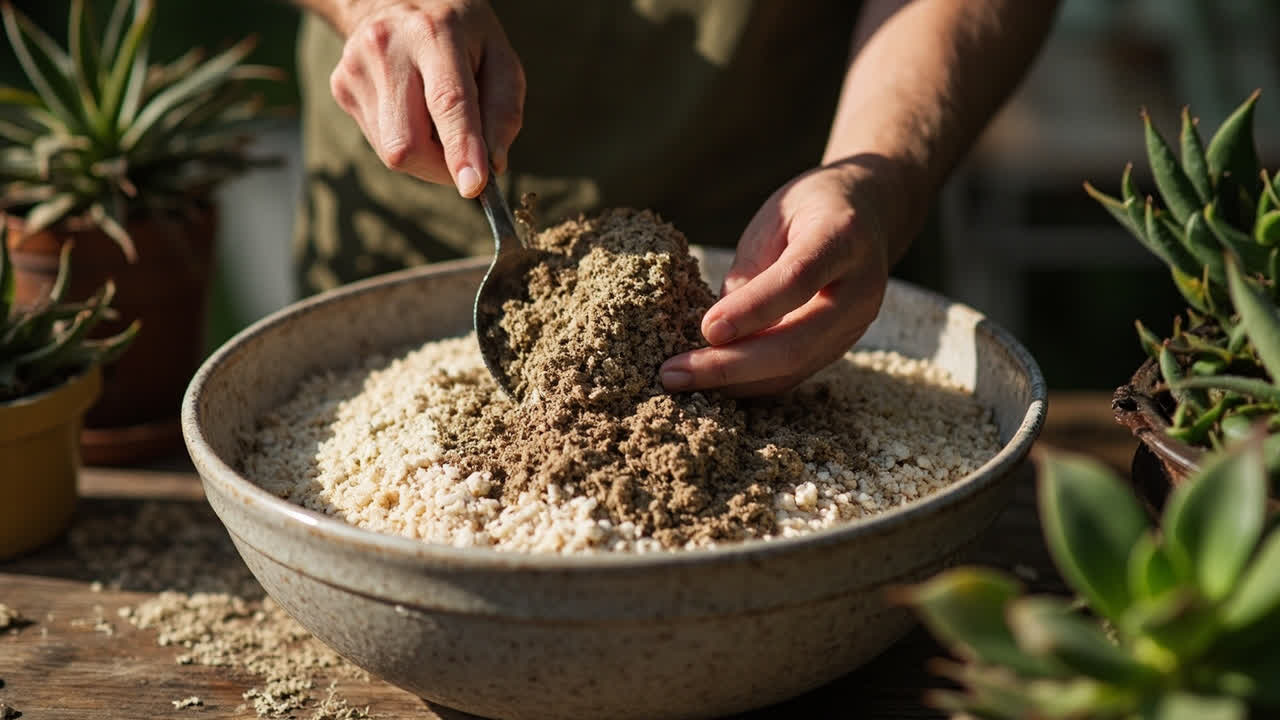
A good snake plant soil mix has one primary quality: it drains fast and dries quickly. The formula:
- One part quality general potting mix
- One part perlite, coarse sand, or pumice
The perlite or coarse material is the essential component. It creates air pockets and prevents the soil from compacting, so water flows through quickly rather than pooling. Even if the perlite settles slightly over time, it does not break down the way organic matter does — the mix stays well-draining indefinitely.
Alternative: cactus and succulent mix from a garden centre works well for snake plants without modification. It is specifically formulated for the drainage characteristics that succulent-family plants need.
What Happens If You Use Standard Potting Mix
A snake plant in standard potting mix will often look fine for the first few months — or even the first year. The problem develops slowly, as the roots gradually succumb to moisture stress. You will see:
- Yellowing leaves, starting from the base
- Leaves that look less firm and upright
- Slow or stopped growth in the growing season
- Eventually, soft mushy leaves at the base
By the time symptoms are visible, the root damage is already extensive. The fix is repotting with the correct mix and accepting that the plant will need weeks to recover.
Drainage and the Pot
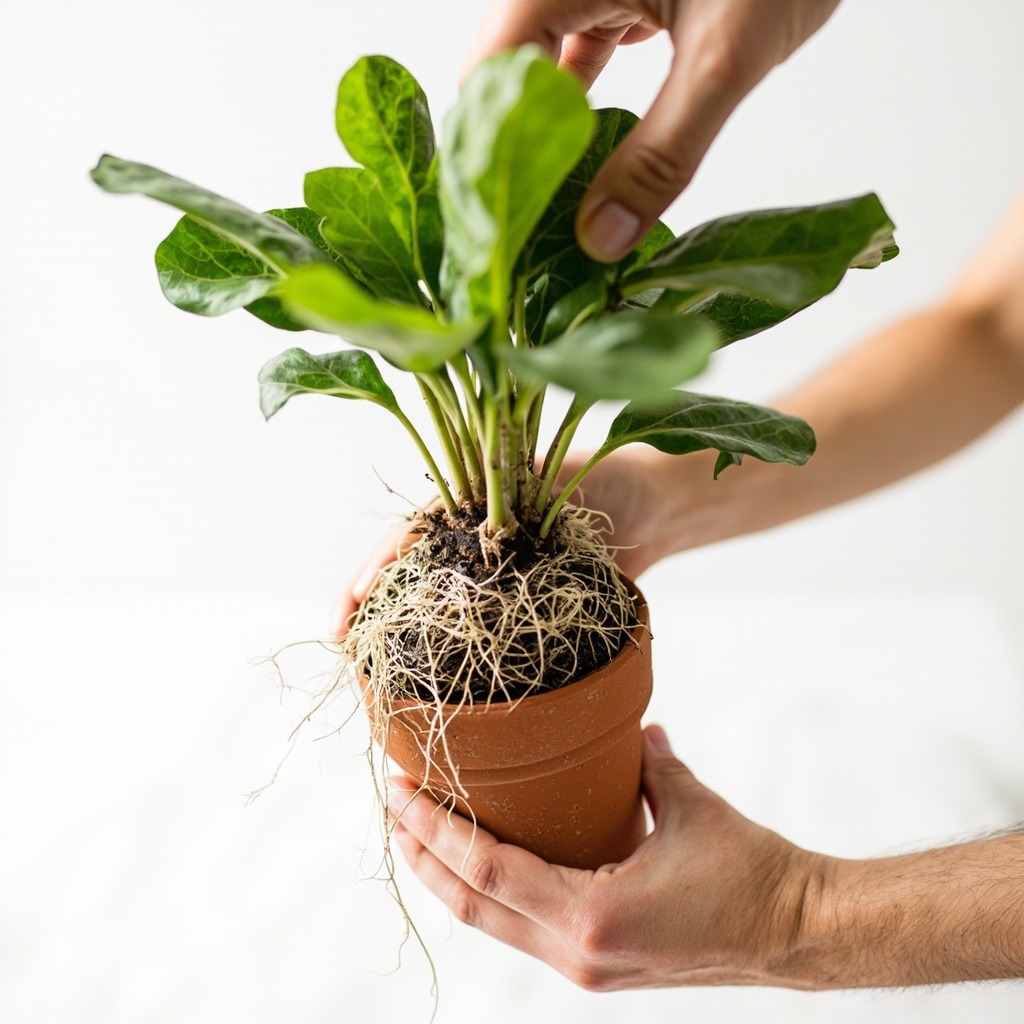
Soil mix is only part of the equation. The pot must also drain. Always use a pot with a large drainage hole. Terra cotta pots are better than plastic for snake plants because the walls allow moisture to evaporate from the sides of the soil, speeding up the drying process. Plastic pots retain moisture longer.
The size of the pot matters too. A pot that is too large holds excess soil and therefore excess moisture. A snake plant in a pot only slightly larger than its root ball will dry out faster and be at lower risk of overwatering. When repotting, go up only one pot size — from 10 cm to 13 cm, not from 10 cm to 20 cm.
When to Refresh the Soil
Even a good snake plant soil mix degrades over time as organic matter breaks down and perlite gets displaced downward. Refresh the top layer of soil every one to two years by removing the top 2 to 3 cm and replacing with fresh mix. Full repotting with all-new soil every three to four years keeps the root environment optimal.
For the full snake plant care guide, see Snake Plant Care.
Turn PDF Bank Statements Into Workable Spreadsheets
Your bank statement is a mess of numbers, but your books shouldn't be. Use our converter to get Excel, CSV, or QBO files — ready for QuickBooks.
Try It Free Now