Snake plants are nearly impossible to kill, but they are not completely immune to problems. When something does go wrong, the symptoms are usually clear and the fix is typically straightforward — once you know what to look for. Here is a guide to the most common snake plant issues and how to address them.
Yellow Leaves
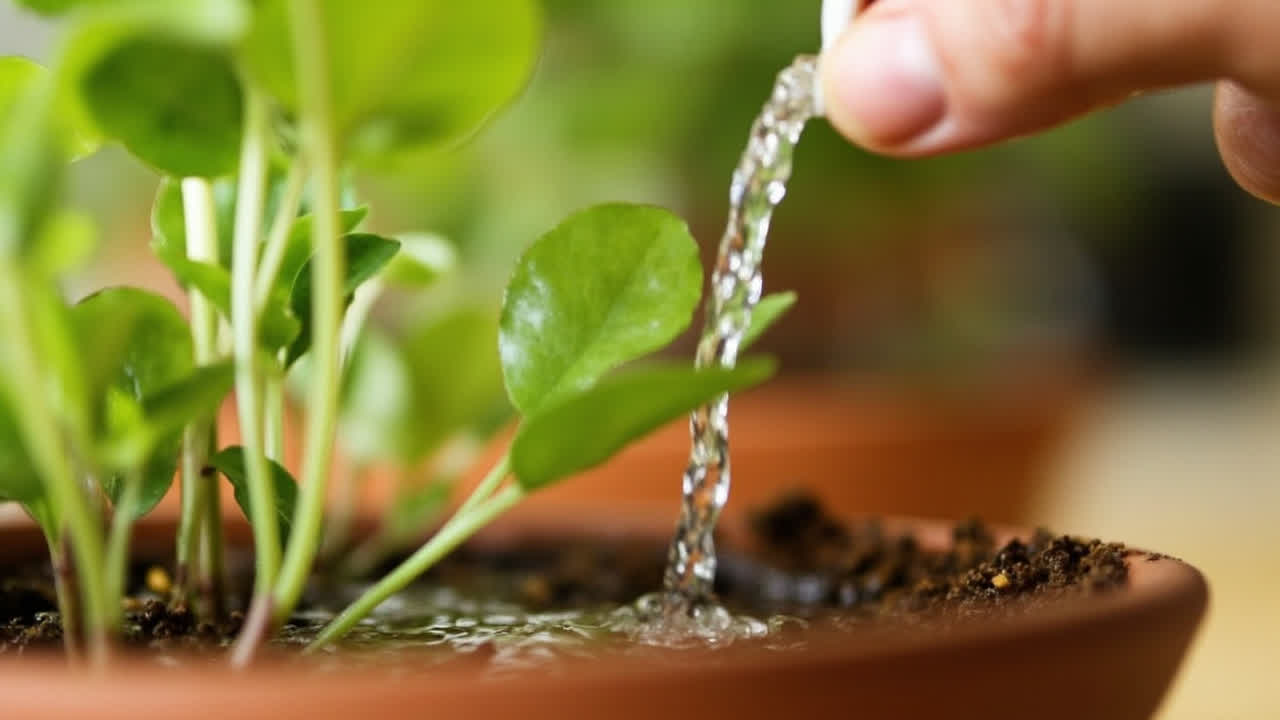
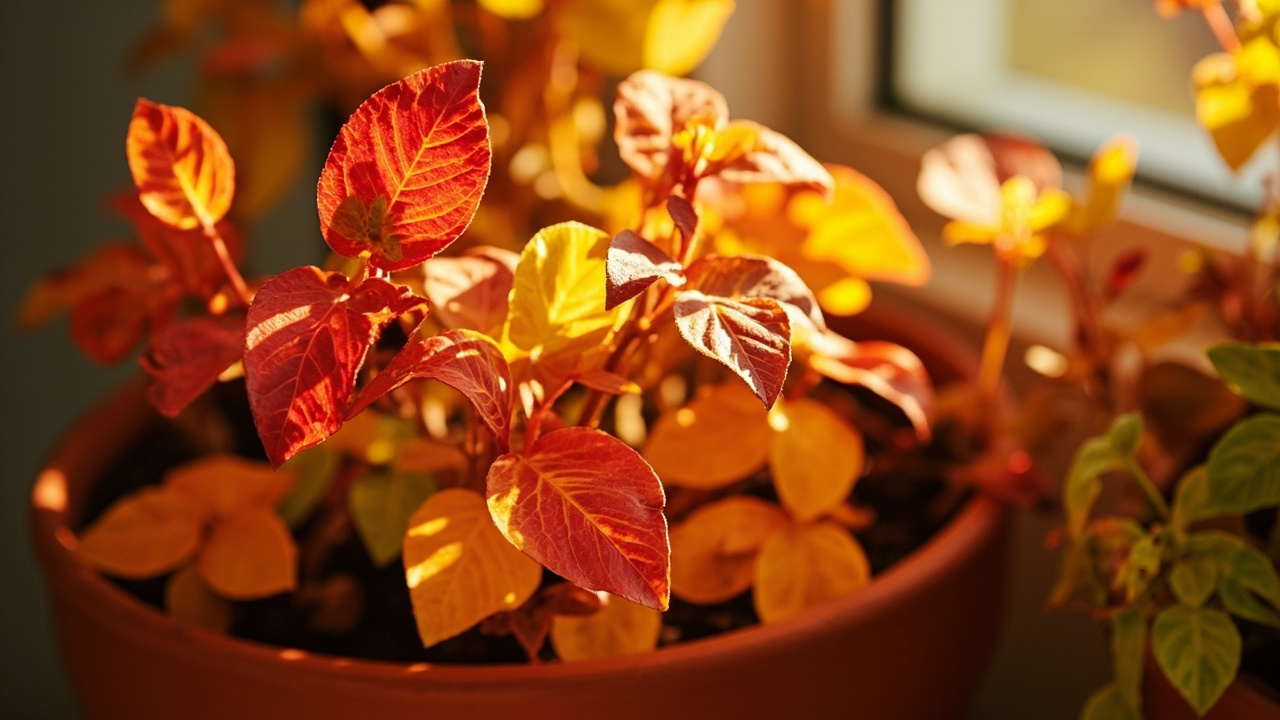
Yellow leaves on a snake plant are almost always caused by overwatering. This is the most common snake plant problem, and it is the result of root rot affecting the plant’s ability to transport water to the leaves. The yellowing starts at the edges or the base of the leaf and progresses inward.
If one or two bottom leaves are yellowing: this may be natural — snake plants shed their oldest leaves as they grow. If only the very oldest leaves are yellowing and the plant as a whole looks healthy, this is normal and the leaf can be removed at the base with a clean cut.
If multiple leaves are yellowing or the yellowing is spreading: this is overwatering. Stop watering immediately. Check the soil — if it is wet, the plant is already in root rot territory. Remove it from the pot, examine the roots, and trim any dark, mushy roots before repotting in fresh, fast-draining mix. Do not water for at least two weeks after repotting.
Soft, Mushy Leaves
Leaves that feel soft, mushy, or squishy at the base — particularly at the point where they meet the soil — indicate severe root rot. This has progressed beyond the point where watering adjustments will help.
If the entire leaf is soft and mushy, cut it off at the base with a clean, sharp knife. Check the rhizome — if the rhizome itself is soft or dark, the plant may not be salvageable. If the rhizome is firm and light-coloured, the plant can still recover. Remove all affected tissue, let the rhizome dry for a day or two, and repot in fresh, dry mix. Do not water for two to three weeks.
Brown Tips or Edges
Brown tips on snake plant leaves are most commonly caused by:
Over-fertilising: salt accumulation burns the leaf edges. If you feed your snake plant more than once a month during the growing season, flush the soil with clean water thoroughly — run water through the pot several times, let it drain fully each time. Reduce feeding to once every two months during active growth, at half strength.
Underwatering combined with low humidity: especially in air-conditioned rooms. The edges of the leaves dry out and turn brown. This is less common than overwatering issues but does occur in very dry indoor environments. Water more thoroughly and consider a pebble tray.
Tap water with high mineral content: same mechanism as fertiliser salt buildup. Use filtered water if your tap water is hard.
Fungal Leaf Spots
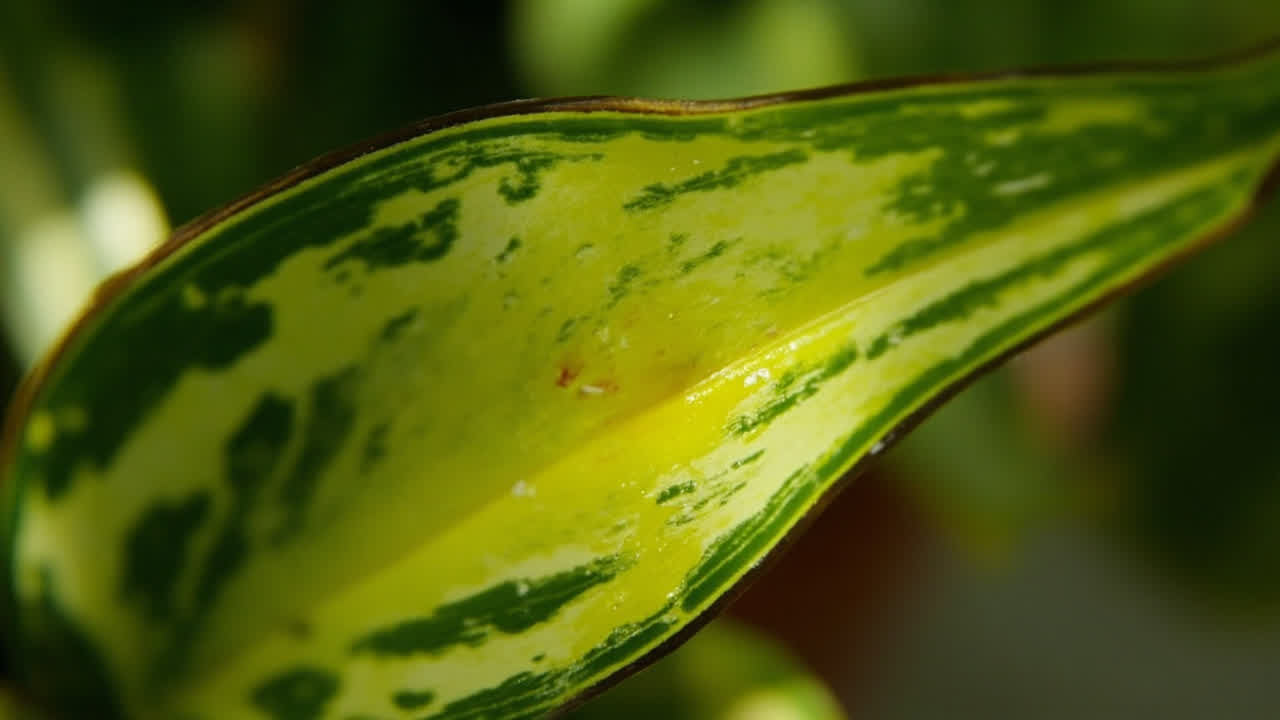
Snake plants can develop fungal issues, usually appearing as small brown or black spots on the leaves — sometimes with a yellow halo. These are more common in overwatered plants or in conditions of very high humidity with poor air circulation.
For isolated spots, cut the affected leaf off at the base and discard it. Improve air circulation around the plant — a small fan nearby helps. Reduce watering and do not mist the leaves. If the problem recurs after removing affected leaves, treat with a copper-based fungicide.
Leaning or Spreading Leaves
Snake plants that have been in low light for a long time often develop leaves that lean outward rather than growing upright. The plant is reaching for more light. This is not a sign of disease — it is a growth response.
The fix: move the plant to brighter light gradually. Existing leaves will not return to an upright position, but new growth will emerge upright and compact in better light. Once the new leaves are growing well, you can remove the older leaning leaves at the base if you prefer a neater appearance.
Pest Issues
Snake plants are rarely affected by pests, but mealybugs and spider mites can occasionally appear, particularly on plants that are stressed or kept in poor conditions.
Mealybugs: small white cotton-like clusters where the leaves meet the stem, or on the underside of leaves. Wipe them off with a cotton ball dipped in rubbing alcohol, or spray with a dilute neem oil solution. Repeat weekly until the infestation is gone.
Spider mites: tiny arachnids that create fine webbing between leaves, often in hot, dry conditions. Wipe the leaves with a damp cloth, then spray with neem oil solution. Increase humidity around the plant — spider mites thrive in dry conditions.
For the full care guide, see Snake Plant Care.
Turn That PDF Into a Spreadsheet in Minutes
You've seen how to do it manually — now let the tool handle the heavy lifting. Upload your bank statement and get Excel, CSV, or QBO in a few clicks.
Try It Free