Snake plants need very little fertilizer. Feed lightly during active growth, usually once in spring and once in summer, and skip routine feeding in winter unless the plant is growing under strong indoor light.
Extra fertilizer will not make a snake plant grow fast in a dim room. These plants store water in thick leaves and rhizomes, so they respond better to steady light, dry-downs, and a breathable potting mix than to frequent feeding.
How Often To Fertilize A Snake Plant
For most indoor snake plants, fertilizing two or three times during the active growing season is enough. Use a balanced liquid houseplant fertilizer at half strength from spring through late summer, then stop when days shorten and growth slows.
Monthly feeding is usually the upper limit, not the default. A snake plant in bright indirect light may use that rhythm during warm months, but a plant in low light may need only one light feeding for the whole season. Fertilizer should support the slow rhythm of snake plant care, not force growth the plant cannot sustain.
If you forget to fertilize for a season, the plant will usually be fine. Underfeeding makes a snake plant slower; overfeeding can damage roots and leaf tips.
Best Fertilizer Type And Strength
A simple balanced liquid fertilizer is the safest choice because you can dilute it accurately and apply it evenly after watering. Snake plants do not need bloom boosters, cactus tonics, or multiple products at once.
- Balanced liquid fertilizer: A 10-10-10, 20-20-20, or similar houseplant formula works.
- Half strength: If the label says 1 teaspoon per quart, use 1/2 teaspoon per quart.
- Damp soil first: Never pour fertilizer into a bone-dry pot.
- Slow-release caution: Pellets can keep feeding when the plant is not using nutrients.
Organic liquids can work, but they may smell stronger indoors and vary in concentration. If you use one, keep the dose light and avoid layering it with synthetic fertilizer in the same month.
Seasonal Feeding Schedule
Use this as a starting schedule, then adjust for your room. A plant near a bright window in warm weather can use more nutrients than one in a shaded hallway.
| Season | Feeding Rhythm | Why |
|---|---|---|
| Spring | One half-strength feeding | New root and leaf growth begins |
| Summer | One half-strength feeding, or monthly in strong light | Warmth and light support active growth |
| Fall | Usually skip | Growth slows as light drops |
| Winter | Skip | Cold, low light, and wet soil raise fertilizer risk |
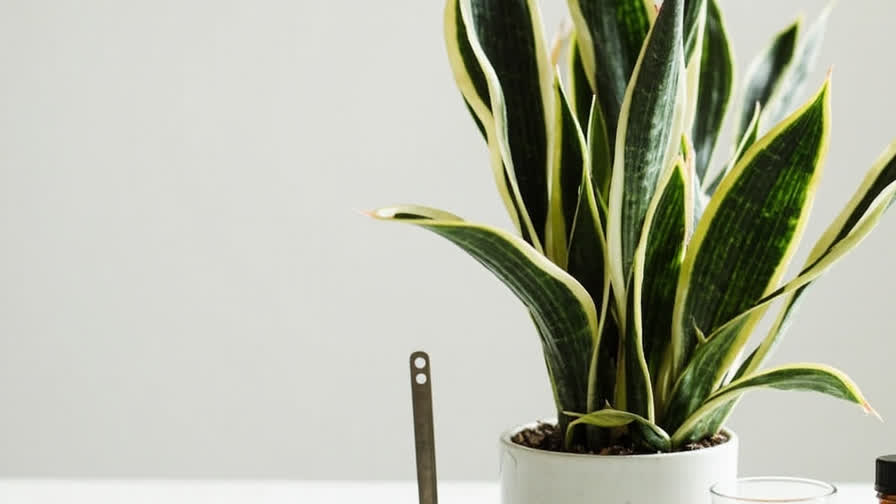
A plant in stronger snake plant light can use fertilizer more safely than one in a dim corner.
Why Watering And Soil Change Fertilizer Risk
Fertilizer salts concentrate when roots are stressed. If a snake plant has been sitting dry for too long, fertilizer can hit the roots too sharply. If the pot stays wet for too long, weak roots cannot use nutrients well and the mix can become more irritating.
That is why feeding should come after a normal watering rhythm, not during a crisis. Fertilizer is safest after a stable snake plant watering rhythm is already working. Water first if the soil is dry, let the pot drain, then apply the diluted feed.
Soil structure matters too. Dense mix holds fertilizer salts near the rhizomes, while a gritty, fast-draining mix lets plain water flush through more cleanly. A plant in old compacted soil should be stabilized before it is fed.
Signs You Are Feeding Too Much
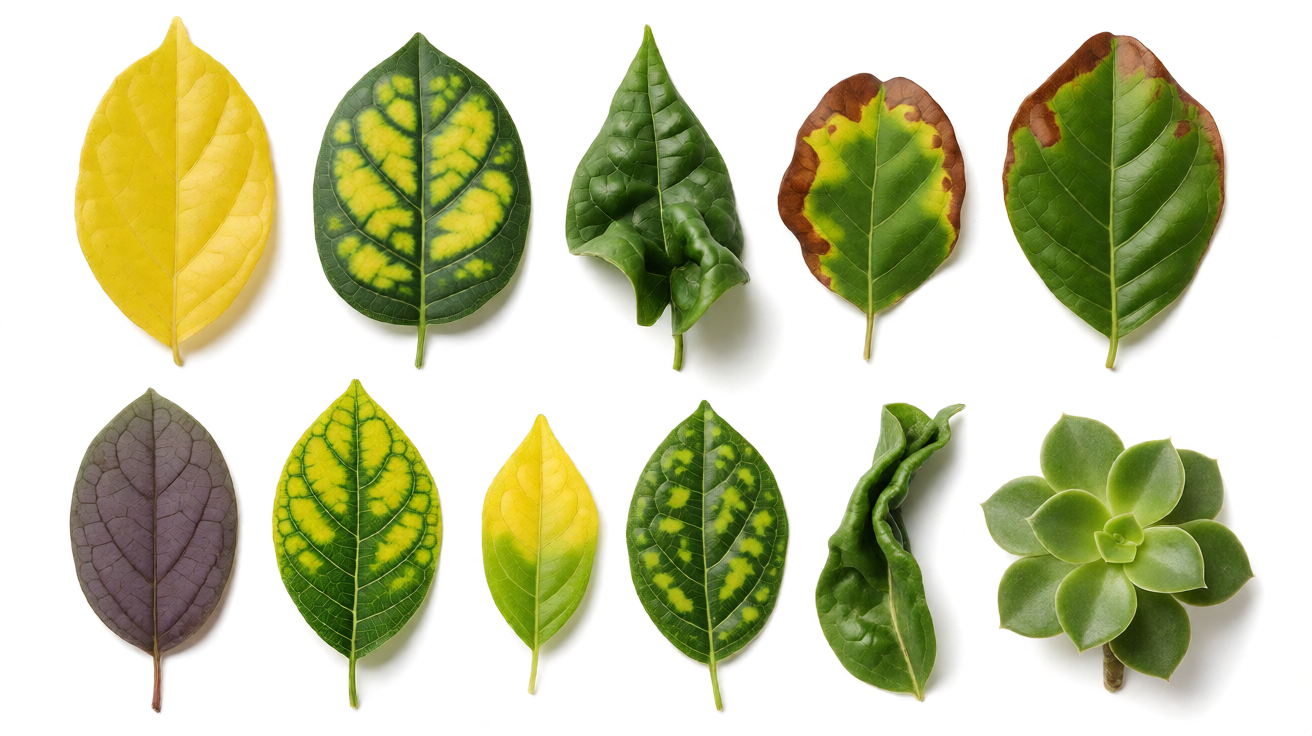
Overfeeding usually shows as stress at the leaf edges or root zone rather than a sudden dramatic collapse. The plant may look mostly upright while the tips and margins begin to tell the story.
- Brown or crispy tips after recent feeding.
- White crust on the soil surface or pot rim.
- Soft growth that bends instead of staying stiff.
- Yellowing that starts after repeated fertilizer use.
- A sour-smelling pot that stays wet between waterings.
Salt buildup becomes worse when the mix is dense, which is why snake plant soil matters before fertilizer.
If you suspect overfeeding, stop feeding and water thoroughly with plain water the next time the mix is dry enough to water. Damaged tips will not turn green again, but new growth should come in cleaner once the root zone settles.
When To Skip Fertilizer Entirely
Skip fertilizer when the snake plant is newly repotted, sitting in low light, cold, soft at the base, or already showing yellow leaves. Those are stress conditions, not hunger signals.
- Skip for 6 to 8 weeks after repotting.
- Skip in winter unless growth is clearly active under a grow light.
- Skip when the soil has stayed wet for more than two weeks.
- Skip when leaves are soft, mushy, or collapsing.
The best snake plant fertilizer schedule is deliberately restrained. Feed only when the plant is warm, lit, and growing, then let the plant’s slow, sturdy nature do the rest.
From Bank Statement to QuickBooks-Ready File
That manual cleanup you just read about? This tool skips it. Turn your PDF into QBO for QuickBooks without storing your data anywhere.
Start Converting