Snake plants are desert plants — or at least, close enough. They evolved in arid West African environments to store water in their leaves and survive extended drought. That origin means they have fundamentally different watering needs from most tropical houseplants. Get the watering right and your snake plant will thrive. Get it wrong and it is the most common cause of snake plant death.
The Core Rule
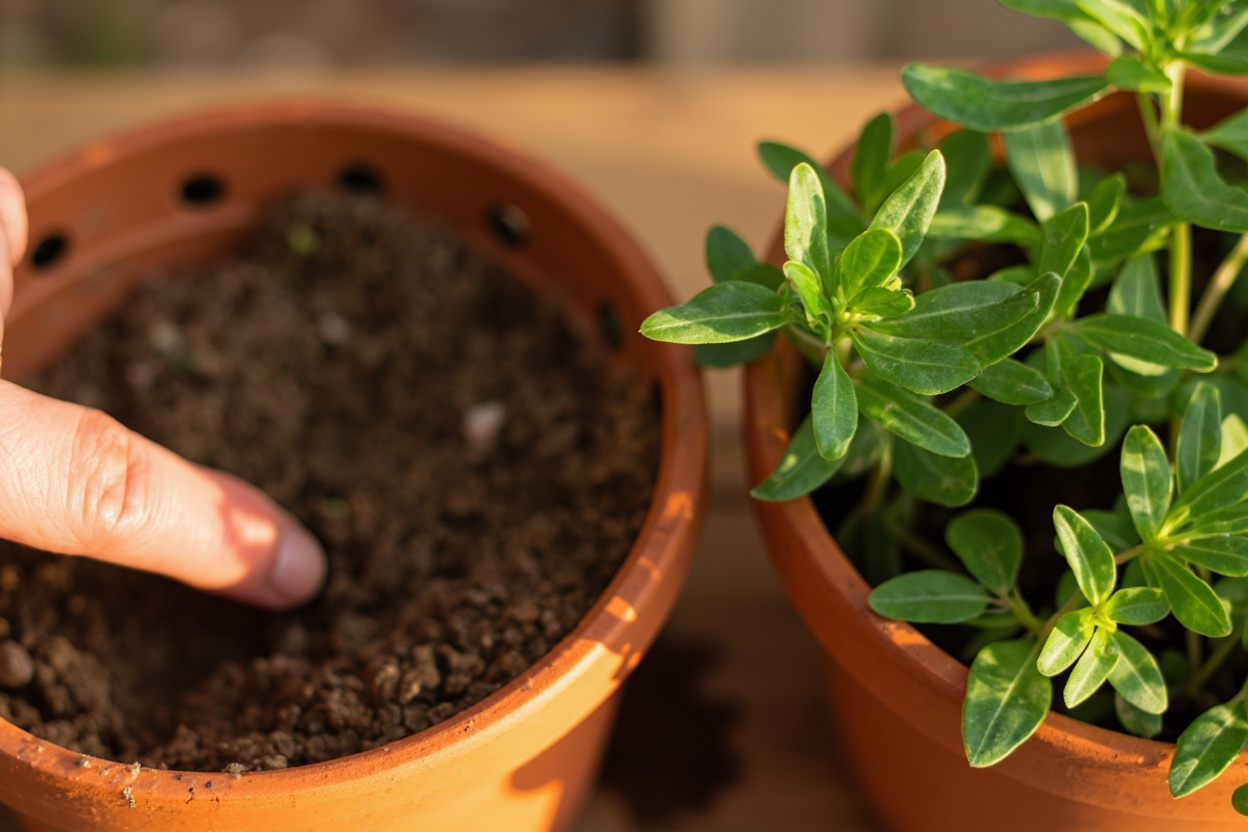
Water only when the soil is completely dry. Not partly dry — completely dry. When in doubt, wait another week. Snake plants are built to survive drought and far more likely to be killed by overwatering than by underwatering.
In Singapore’s climate, in a 15 cm pot with fast-draining soil in a bright position, this typically means:
- Growing season (March to October): every two to three weeks
- Cooler months (November to February): every four to six weeks
In low light or cooler rooms, the interval extends further — the soil stays wet longer when the plant is not actively growing or transpiring.
The Soak and Dry Method
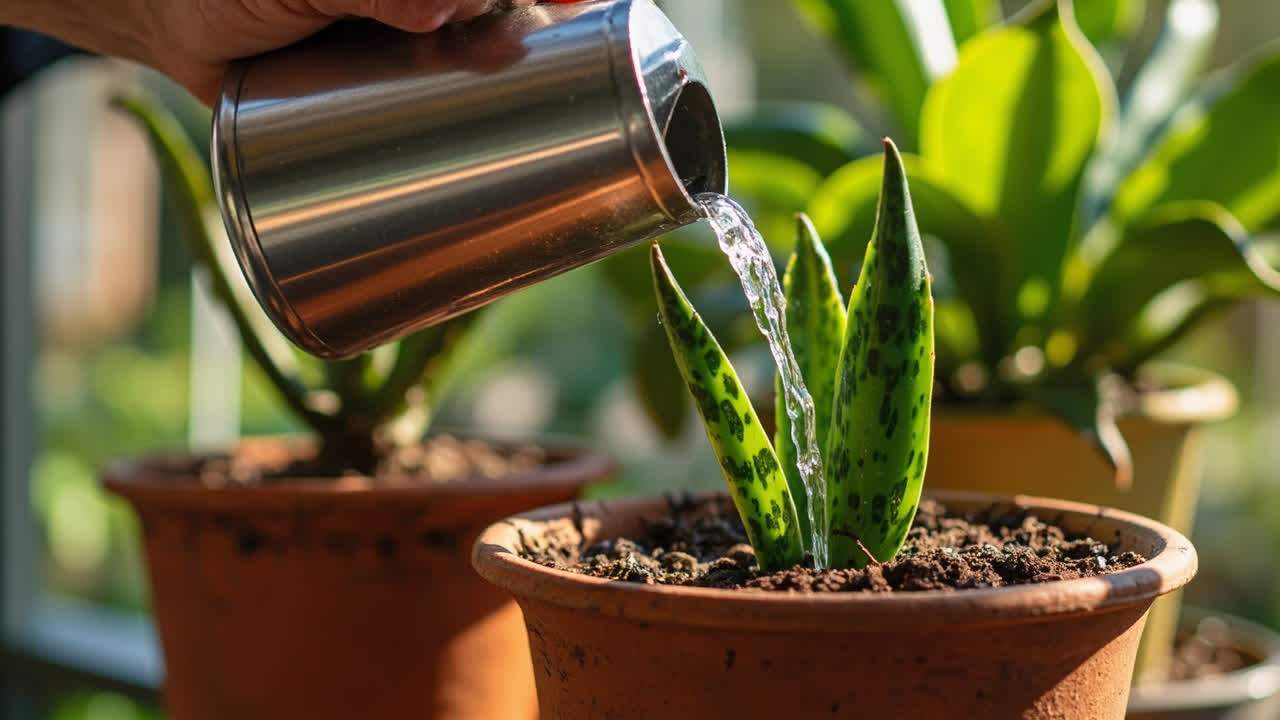
When you water a snake plant, water thoroughly. This is not a light sprinkle — it is a full soak. Pour water evenly across the soil surface until it flows freely from the drainage hole at the bottom. This ensures the entire root ball is wetted, not just the top layer.
Then leave the plant alone. Completely alone. Do not water again until the soil is bone dry. The soak-and-dry method mimics the natural cycle of rare heavy rain followed by extended drought — and it is what keeps snake plant roots healthy.
Light watering that only dampens the top centimetre of soil is worse than not watering at all. It encourages surface roots, leaves the deeper roots dry, and creates a moist layer at the surface that can attract fungus gnats.
What Happens When You Overwater
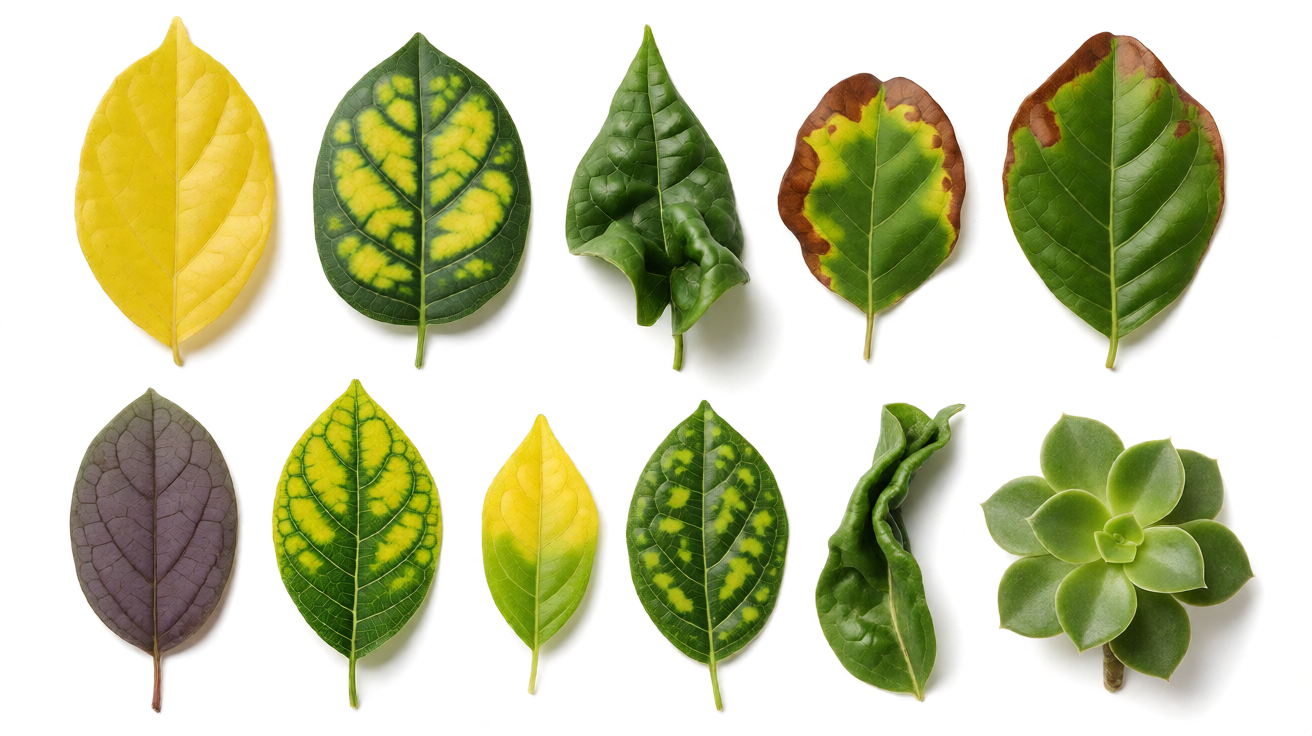
Overwatering is the leading cause of snake plant death. The roots — which are not designed for constant moisture — begin to rot in waterlogged soil. This is what happens:
- Roots turn dark, soft, and mushy
- The ability to absorb water is compromised
- The leaves — which store the plant’s water reserves — may still look OK for a while
- Eventually the leaves yellow, become soft at the base, and the whole plant collapses
Root rot on a snake plant is hard to recover from because the plant is already compromised by the time symptoms are visible. Prevention is the only reliable approach: never water a snake plant when the soil is damp.
What Happens When You Underwater
Underwatering rarely kills a snake plant. The leaves are water storage organs and the plant draws on these reserves when soil moisture is unavailable. You will see:
- The leaves looking slightly less turgid — less firm and upright
- Mild wrinkling or creasing along the leaves — especially visible on the underside
- Very slow or stopped growth in the growing season
A snake plant that has been underwatered for a long period will recover fully once proper watering resumes. It may take several watering cycles before the leaves return to their normal firmness. Give it time.
Seasonal Adjustments
In Singapore’s dry season (January to March), indoor conditions are not dramatically different, but the slightly cooler air and lower humidity can extend the watering interval slightly. In the hot rainy months, the plant uses water faster and may need watering at the shorter end of the interval.
The single most important adjustment: never water a snake plant on a fixed schedule. Always check the soil first.
Water Quality
Snake plants are not particularly sensitive to water quality, but very hard water with high mineral content can cause white crusty deposits on the soil surface and potentially on the leaf edges over time. Filtered water is not essential but is helpful if your tap water is particularly hard or if you see mineral buildup on the soil surface.
For the full snake plant care guide, see Snake Plant Care.
Turn any PDF statement into a clean sheet
Skip the typos and the hours of copying. Our converter handles any bank statement format and outputs Excel, CSV, or QBO for QuickBooks. No file retention, free to try.
Convert your statement