
If your vegetables look stuck, yellow, or low-yield, the problem is not always “not enough fertilizer”. It is often a mismatch between what the plant needs right now, what your soil can release, and how fast organic materials break down.
Organic fertilizer for vegetables works best when you pick it like a system: crop stage, soil condition, and the speed you need. This guide gives you a simple path, plus examples you can copy for beds and containers.
You will also learn the most common organic feeding mistakes (especially overdoing phosphorus or using the wrong manure) so you can fix growth without burning plants or stalling fruiting.
Why vegetables “won’t grow” (and why organic can feel confusing)
Most gardeners reach for fertilizer when vegetables show slow growth, pale leaves, or disappointing harvests. Those symptoms can come from low nutrients, but they can also come from cool soil, soggy pots, compacted beds, or weak root systems that cannot take up what is already present.
Organic fertilizers add another layer of confusion because they do not act like a quick, predictable chemical feed. A bag might list an NPK number, but the actual nutrients a plant receives depend on biology (microbes), temperature, moisture, and how much carbon is in the material.
That is why one gardener says “compost fixed everything”, while another says “I added compost and nothing happened”. They are often growing in different conditions, at different times of year, with different crops and different soil biology.
How organic fertilizer works in vegetable soil (microbes, mineralization, and release speed)
Organic fertilizer feeds plants indirectly. Soil microbes and fungi break down organic materials and convert nutrients into plant-available forms. This conversion is called mineralization, and it is the main reason organic nutrition is usually steady rather than instant.
Two big controls decide how fast nutrients show up:
- Temperature and moisture: warm, evenly moist soil speeds microbial activity. Cold or very dry soil slows release dramatically.
- Carbon to nitrogen balance (C:N): materials high in carbon (like fresh wood chips, straw, or sawdust) can tie up nitrogen while microbes decompose them, causing temporary yellowing.
That is also why “more fertilizer” is not always the answer. If the soil biology is slowed down (cold spring beds, waterlogged containers), adding more organic inputs can sit there instead of feeding the crop, or it can create salt stress in pots if you over-apply concentrated meals.
Choose organic fertilizer by crop stage (leafy, fruiting, root) with a quick decision table
Vegetables do not want the same nutrient balance all season. Early growth is leaf and root building, later growth is flowering and fruit filling. The simplest way to choose organic fertilizer for vegetables is to match it to the stage you are in.
| Vegetable goal right now | What to prioritize | Typical organic choices | Practical NPK range (rule of thumb) |
|---|---|---|---|
| Fast leafy growth (lettuce, spinach, brassicas) | More nitrogen, steady moisture | Alfalfa meal, blood meal (sparingly), compost + gentle meal blend | ~3-1-2 to 6-1-2 |
| Flowering and fruiting (tomato, pepper, cucumber) | Moderate nitrogen, higher potassium | Compost + kelp meal, greensand (slow), balanced organic blends | ~3-2-4 to 4-3-6 |
| Root crops (carrot, beet, radish) | Lower nitrogen, avoid fresh manure | Compost, worm castings, small amounts of gentle blends | ~1-2-2 to 3-3-3 |
Use the table as a direction, not a strict formula. With organics, soil condition decides whether that “recommended NPK” becomes available in time for your crop.
Choose organic fertilizer by soil condition (new beds, raised beds, containers) and do a simple soil check
Soil condition often matters more than the brand of fertilizer. Think of organic fertilizer as a partner to soil structure, not a replacement for it.
- New garden beds: you are building biology. Prioritize compost, well-finished manures, and gentle meals. Avoid heavy phosphorus unless a soil test says you need it.
- Raised beds: they drain faster and warm earlier, which helps mineralization. They also leach nutrients more easily, so lighter, more frequent feeding works better than one huge dose.
- Containers: volume is limited. Over-application can cause salt stress and leaf edge burn. Use slow, gentle inputs (castings, compost, balanced organic blend) and top-dress in smaller amounts.
If you can do only one soil check, do this: dig 4 to 6 inches down and squeeze a handful. If water drips out, the soil is too wet and roots will struggle. If it will not hold a crumbly ball at all, it is too dry for microbes to release nutrients consistently.
For best accuracy, a basic soil test helps you avoid the most common organic mistake: adding phosphorus year after year “just in case”. Many gardens already have plenty of phosphorus, and too much can reduce micronutrient uptake over time.
Two reliable organic staples (compost and worm castings) as semantic “triples” you can build on
When you are unsure, anchor your vegetable feeding around two inputs that are hard to misuse.
- Compost → improves soil biology and structure → supports slow, steady nutrient release.
- Worm castings → gentle, balanced nutrition → helps seedlings and transplants without burning.
If you want a deeper breakdown of why castings are so reliable for vegetables, see this guide on worm castings benefits.
To turn castings into a faster, more “available” feed (especially helpful in containers), you can use a tea or extract. Here is a step-by-step recipe for worm casting tea.
Scenario models: exactly how to feed common vegetable setups with organic fertilizer
These are practical patterns that work because they match biology and timing, not just NPK numbers.
In-ground bed, pre-plant (2 to 3 weeks before planting)
Spread 1 to 2 inches of finished compost and mix it into the top few inches. If your crops are heavy feeders (tomatoes, corn, squash), add a light dose of a balanced organic blend and water deeply to wake up microbes.
Raised bed refresh (between successions)
After harvesting, add compost as a thin top-dress and lightly fork it in. Then choose the next crop stage: leafy crops get a bit more nitrogen support, fruiting crops get a more potassium-leaning blend. Water to keep the bed evenly moist for the first week so release begins quickly.
Container vegetables (tomatoes, peppers, herbs)
At planting, mix a small amount of compost and worm castings into the potting mix. During growth, top-dress with castings and a gentle organic blend rather than pushing strong meals. In containers, consistency beats intensity.
Side-dressing heavy feeders (mid-season boost)
When tomatoes and peppers set their first fruit, many gardeners accidentally overdo nitrogen and get lush leaves with fewer flowers. Side-dress with a balanced or potassium-leaning organic blend, keep nitrogen moderate, and water in well. If you are unsure, start with half a label rate and reassess in 7 to 10 days.
Trade-offs and safety: where organic fertilizer can go wrong
Organic fertilizer is forgiving, but it is not risk-free. Knowing the trade-offs helps you fix problems without creating new ones.
- Nutrient variability: compost and manures vary. If your results swing wildly, use a consistent base (compost + castings) and adjust with a measured blend.
- Pathogen risk: avoid raw manure on vegetable beds, especially near harvest. Use composted, aged products and follow label timing.
- Phosphorus buildup: repeated additions of high-P inputs can accumulate. This is common with some manures and bone meal. A soil test prevents slow, long-term imbalances.
- Salt load and over-application: concentrated meals and “organic” granular blends can still burn roots in pots if you overdo them.
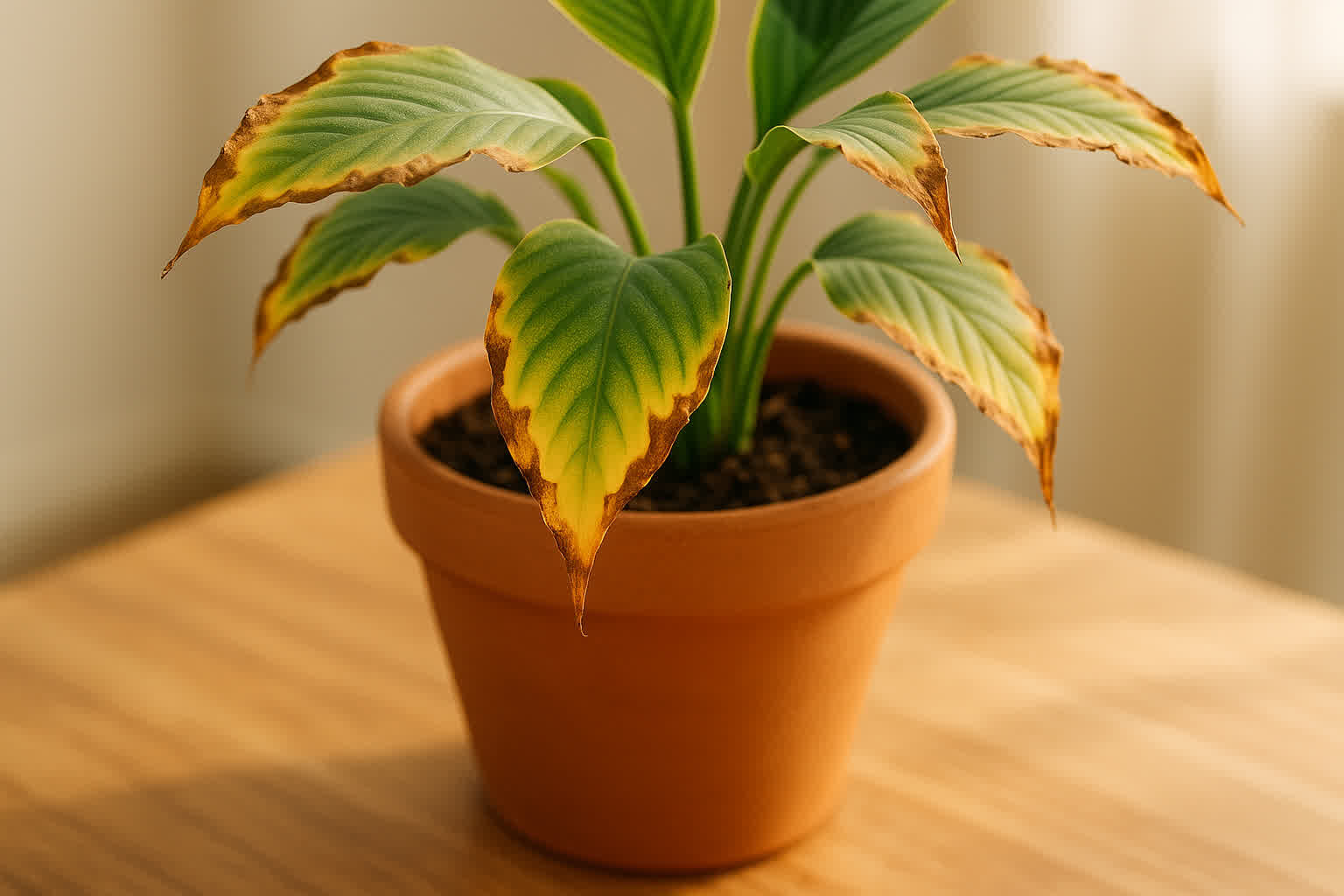
If your leaves are dark, tips are brown, growth is oddly stunted, or seedlings collapse after feeding, you may be dealing with too much fertilizer rather than too little. Compare your symptoms to this guide on signs of over-fertilization.
Decision guidance: pick the best organic fertilizer for vegetables based on speed, budget, and availability
Use this selection path to decide quickly:
- If you need the safest all-purpose option: compost + worm castings as your base, then add a small amount of balanced organic blend if growth is weak.
- If you need faster visible response: use a liquid organic feed or a worm casting tea, and keep the soil warm and evenly moist.
- If your budget is tight: prioritize homemade or local compost, then supplement with small amounts of targeted meals only when symptoms point to a real need.
Three example blends you can copy (adjust to your product labels and soil):
- Gentle starter blend: compost + worm castings + a light balanced organic granular.
- Leafy greens push: compost + a nitrogen-leaning input (like alfalfa meal) in small amounts.
- Fruiting support: compost + castings + a potassium-leaning organic blend, with nitrogen kept moderate.
Best organic fertilizer for vegetables (the practical answer)
The best organic fertilizer for vegetables is usually not a single product. It is a repeatable system: use compost for soil function, use worm castings for gentle, reliable nutrition, and adjust with a measured organic blend based on crop stage and your soil’s ability to release nutrients.
If you match timing (warm, moist soil), stage (leafy vs fruiting vs root), and restraint (avoid overfeeding, especially in containers), organic fertilizer becomes consistent, predictable, and hard to mess up.
Read Also on Aqualogi
Related on the site, broken out by topic:
Start here: Essential Nutrients guide.
For liquid feeding: Liquid Nutrients guide covers why liquid outperforms dry, the types of liquid, measuring and maintaining concentration, application methods, and the essential nutrients.
For the organic versus synthetic choice: Organic Fertilizer guide covers the quick guide, the organic advantage, the types, the impact on soil health, and how to use them and Synthetic Fertilizer guide covers the quick guide, the science, the fantastic four, specialized formulations, and a recipe for success.
For the schedule: Fertilizer Schedule by Plant Type guide covers the three universal rules, twelve plant categories, the seasonal calendar, the common mistakes, and knowing if it is working.
From Bank Statement to QuickBooks-Ready File
That manual cleanup you just read about? This tool skips it. Turn your PDF into QBO for QuickBooks without storing your data anywhere.
Start Converting