A beginner vegetable garden doesn’t need to be big to be productive. Roughly 80% of first-time vegetable gardeners give up after one season, and the reason isn’t laziness or a “black thumb” — it’s starting too big. A 10×10 foot plot overwhelms most new gardeners with weeds, watering, and maintenance they can’t keep up with. A 4×8 foot raised bed, by contrast, is enough to feed a family of four with fresh produce through summer. You can water it in ten minutes, weed it in fifteen, and actually enjoy the process.
This guide covers soil preparation, the easiest vegetables to grow from seed, spacing, watering schedules, and harvesting timelines — everything from first seed to first harvest. Every recommendation is built for a small backyard or balcony setup using basic tools and inexpensive materials.
Start small, succeed, then expand next season. The plants listed here were chosen specifically because they germinate reliably, tolerate beginner mistakes, and produce a measurable harvest within 60–90 days.
The gardeners who stick around are the ones who harvested something their first year — even if it was just a handful of cherry tomatoes and a row of radishes. Success breeds motivation. Overwhelm breeds a neglected patch of dirt by July.
How a Vegetable Garden Actually Works (The Growing Cycle)
Every vegetable plant follows the same basic cycle: seed germination, true leaf formation, vegetative growth, flowering, and fruiting. Each stage demands different care, and understanding this cycle is what separates a garden that produces from one that just takes up space.
During germination, seeds need consistent moisture and warm soil — usually between 60°F and 80°F depending on the crop. Once the first true leaves appear (the second set of leaves after the initial seed leaves), the plant shifts into vegetative growth. This is when it needs nitrogen-rich soil and plenty of sunlight.
When the plant flowers, its nutrient needs change. It needs less nitrogen and more phosphorus and potassium to support fruit development. That’s why a single fertilizer application at planting isn’t enough — your plants’ appetite shifts as they grow. Six to eight hours of direct sun is non-negotiable for fruiting vegetables like tomatoes and peppers. Leafy greens can get by with less, but even they need at least four hours.
Choosing Your Garden Type: Containers, Raised Beds, or In-Ground
The right garden type depends on your space, budget, and how much you want to bend over. Here’s how the three main options compare:
| Feature | Containers | Raised Beds | In-Ground Rows |
|---|---|---|---|
| Best for | Apartments, balconies, patios | Beginners with yard space | Large yards, experienced gardeners |
| Minimum size | 5-gallon pot per plant | 4×8 feet | No strict minimum |
| Cost | Moderate (pots + soil) | $50–$200 for materials | Lowest (just seeds + amendments) |
| Watering frequency | Daily (sometimes twice) | 2–3 times per week | 2–3 times per week |
| Soil control | Full control | Full control | Limited (depends on existing soil) |
| Drainage | Requires drainage holes | Excellent (elevated) | Depends on native soil |
| Weeding | Minimal | Low | High |
For most beginners, a raised bed hits the sweet spot. You control the soil, drainage is built in, and you spend less time bending. If you’re limited to a balcony, containers work — just know you’ll be watering more often. For a deeper dive into making containers work, our guide to container gardening for vegetables covers everything from pot selection to soil mixes.
The 10 Easiest Vegetables for First-Time Gardeners
Some vegetables are forgiving. Others will test your patience from day one. Start with these ten and you’ll see results within weeks, not months.
1. Radishes (21 days to harvest) — The fastest payoff in any garden. Sow seeds half an inch deep, and they’re ready in three weeks. They tolerate partial shade and poor soil better than most crops.
2. Lettuce and spinach (30–40 days) — Cut the outer leaves and the plant keeps growing. Direct sow in early spring or fall. They bolt (go to seed) in hot weather, so stick to cool seasons.
3. Green beans (50–60 days) — Bush beans don’t need trellises and produce steadily for weeks. Pole beans yield more per square foot but need support. Either way, they fix nitrogen in the soil as they grow.
4. Cherry tomatoes (60–70 days) — More reliable than large slicing tomatoes and produce continuously until frost. Start with a nursery seedling rather than seeds if it’s your first season. Our full guide on growing tomatoes in pots covers container varieties that thrive on patios.
5. Zucchini (50–60 days) — One or two plants will supply more zucchini than most families can eat. They grow fast, need full sun, and take up about 4 square feet each.
6. Cucumbers (50–65 days) — Bush varieties work in containers; vining types need a trellis. Harvest frequently to keep them producing. They’re heavy drinkers — don’t let the soil dry out.
7. Bell peppers (70–80 days) — Slower to mature but low-maintenance once established. They need consistent warmth and at least 6 hours of sun. Green peppers are just unripe — let them turn red, yellow, or orange for sweeter flavor.
8. Carrots (70–80 days) — They need loose, rock-free soil at least 10 inches deep. Short varieties like ‘Nantes’ work better in raised beds than long types. Thin seedlings to 2 inches apart or you’ll get stubby roots.
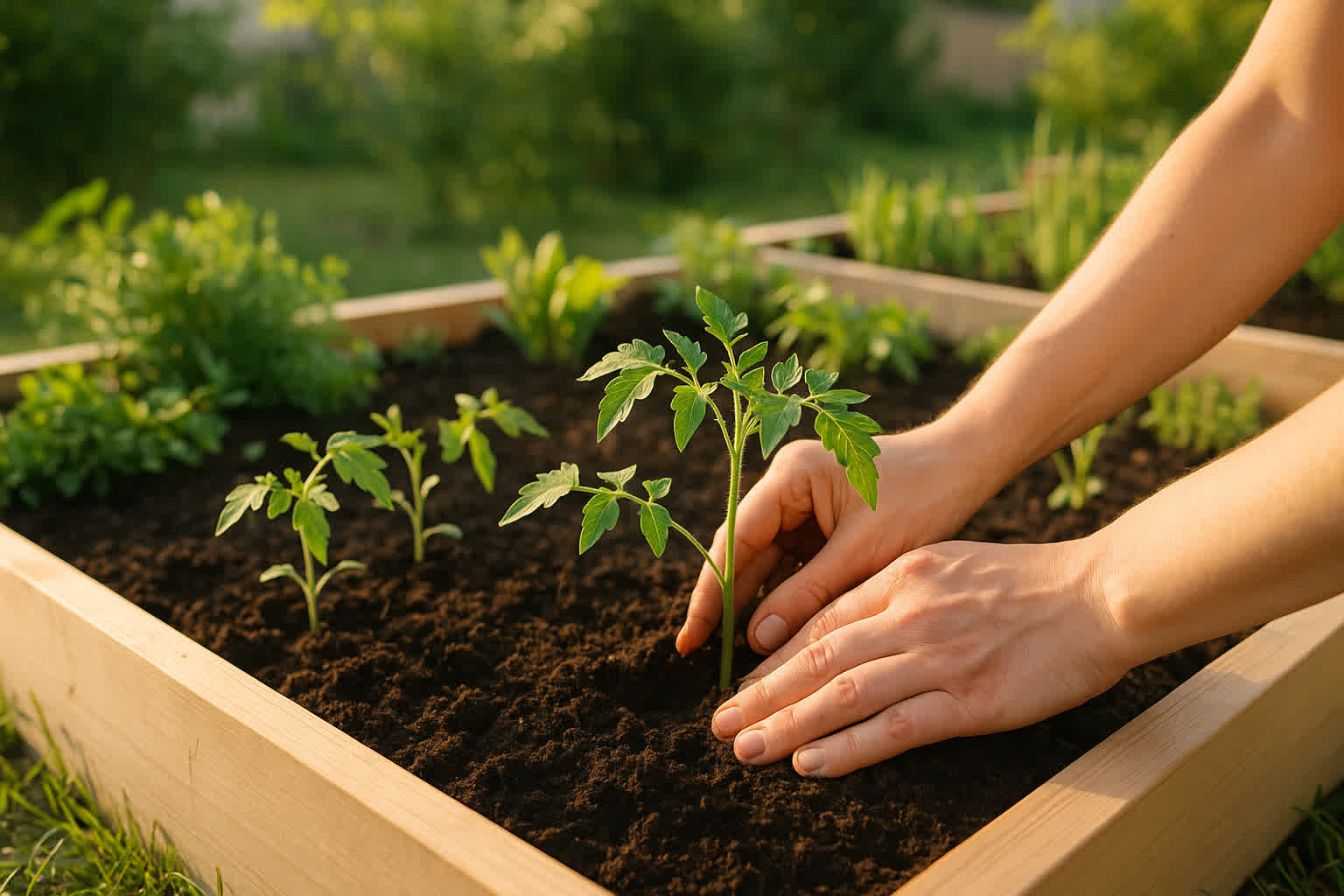
9. Basil (30 days to first harvest) — Technically an herb, but no vegetable garden should be without it. Pinch off flower buds to keep leaves coming. Pairs with tomatoes in the garden and on the plate.
10. Sugar snap peas (60 days) — Cool-season crop that climbs a trellis and produces sweet, edible pods. Plant in early spring — they stop producing once temperatures consistently hit 80°F.
Soil Preparation: The One Step Most Beginners Skip
Soil is the single biggest factor in whether your garden produces or disappoints. You can buy the best seeds and water religiously, but if your soil is compacted clay or lifeless sand, your plants will struggle.
Start with a soil test. Most vegetables thrive in a pH range of 6.0 to 7.0. You can buy a basic test kit for under $15, or send a sample to your county extension office for a detailed breakdown. If your pH is too low (acidic), add lime. Too high (alkaline), add elemental sulfur.
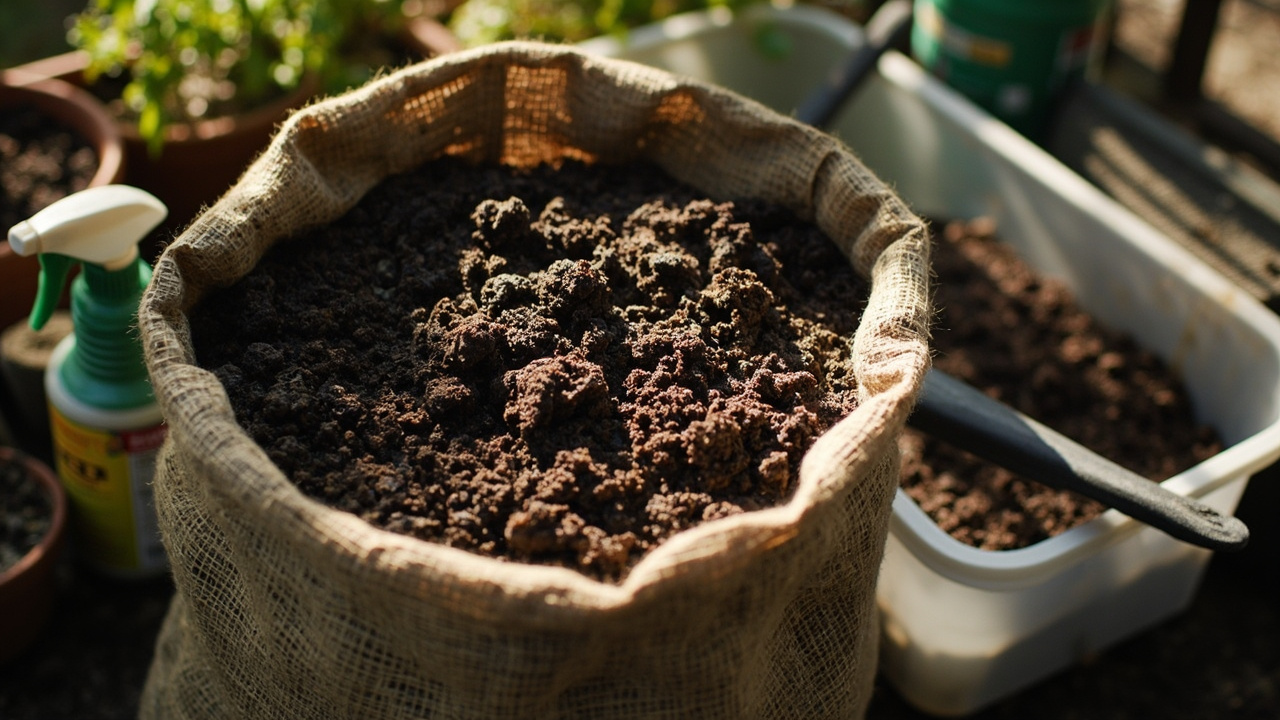
Next, add compost — 2 to 3 inches worked into the top 6 inches of soil. Compost improves drainage in clay soil, increases water retention in sandy soil, and adds slow-release nutrients that feed your plants all season. Don’t skip this step, even if your existing garden soil looks “decent.” Vegetable plants are heavy feeders compared to ornamental plants. They deplete soil nutrients faster than nature can replace them.
Understanding what plants actually need from soil starts with knowing the essential nutrients for plants — nitrogen, phosphorus, potassium, calcium, and magnesium are the big ones that vegetables pull from soil in large amounts.
When to Plant: A Simple Season Calendar
Planting at the right time matters more than any other single decision you’ll make. Put tomatoes in the ground too early and a late frost kills them overnight. Plant peas in July and they’ll bolt before you get a single pod.
Cool-season crops — lettuce, spinach, radishes, peas, carrots, and broccoli — go in the ground in early spring, 2 to 4 weeks before your average last frost date. Soil temperature should be between 40°F and 60°F. These same crops can be planted again in late summer for a fall harvest.
Warm-season crops — tomatoes, peppers, beans, zucchini, cucumbers, and basil — get planted after all danger of frost has passed, when soil temperatures reach 60°F to 80°F. In most US growing zones, that’s 1 to 2 weeks after the last average frost date.
Find your average last frost date by entering your zip code at the National Gardening Association website or checking your local extension office. Mark it on your calendar. That date is your starting line for warm-season crops and your mid-point reference for cool-season crops.
Watering and Feeding Your Vegetable Garden
Vegetables need 1 to 1.5 inches of water per week, either from rainfall or irrigation. The most common beginner mistake is frequent, shallow watering — a quick sprinkle every evening. This encourages roots to stay near the surface, making plants vulnerable to drought and heat stress.
Deep watering two to three times per week is far more effective. Water reaches 6 to 8 inches into the soil, where roots actually grow. Use a rain gauge or place an empty tuna can in the garden — when it fills to an inch, you’ve watered enough.
Mulch with 2 to 3 inches of straw, shredded leaves, or wood chips. Mulch retains moisture, suppresses weeds, and keeps soil temperatures stable. Unmulched soil can lose up to 70% of its moisture to evaporation on a hot day.
For feeding, apply a balanced 10-10-10 fertilizer at planting time. When plants start flowering, switch to a fertilizer higher in phosphorus and potassium (like a 5-10-10) to support fruit development. Too much nitrogen during flowering gives you lush green plants with no actual vegetables. For a natural approach, organic fertilizer for vegetables provides slow-release nutrients without the risk of burning roots.
Common Beginner Mistakes and How to Avoid Them
Every experienced gardener has a list of mistakes they made their first year. Here are the ones that trip up almost everyone, and how to sidestep them.
Planting too close together. Seed packets list spacing for a reason. Crowded plants compete for water, nutrients, and air circulation. Tomatoes planted 12 inches apart instead of 24 will produce fewer, smaller fruit and are far more susceptible to disease.
Ignoring frost dates. One late frost can kill weeks of growth overnight. Check your local frost dates and don’t rush warm-season crops into the ground. Floating row covers give you about 4°F of protection if an unexpected cold snap is forecast.
Skipping mulch. Bare soil means more weeds, more watering, and more fluctuating soil temperatures. Mulch is the single most time-saving step in any garden. Apply it after seedlings are established.
Over-fertilizing with nitrogen. Nitrogen makes leaves, not fruit. If your tomato plants are 5 feet tall with dark green foliage but no flowers, you’ve overdone the nitrogen. Cut back on fertilizer and wait — the plant will balance itself.
Harvesting too late. Zucchini the size of a baseball bat, radishes that are woody and bitter, lettuce that’s bolted and bitter — these all come from waiting too long. Pick vegetables when they’re young and tender. The plant will produce more, and everything tastes better.
Starting Your First Vegetable Garden: The Quick-Start Checklist
Everything you need to do, in order, from empty yard to first harvest. Follow these steps and you’ll avoid the most common traps that cause beginners to quit.
- Pick your spot. Mark a 4×8 foot area that gets 6 to 8 hours of direct sun. Morning sun is better than afternoon sun if you have a choice.
- Choose your garden type. Build a raised bed (simplest for beginners), set up containers, or prepare in-ground rows. Raised beds need 6 to 8 inches of depth minimum.
- Test and amend your soil. Check pH (target 6.0–7.0) and mix in 2 to 3 inches of compost into the top 6 inches.
- Find your frost dates. Look up your last average spring frost date. Cool-season crops go in 2 to 4 weeks before it. Warm-season crops go in 1 to 2 weeks after it.
- Buy seeds or seedlings. Start with the 10 easy vegetables listed above. Buy nursery seedlings for tomatoes and peppers if you’re starting after your frost date.
- Plant at the right spacing. Read every seed packet. Follow the spacing guidelines exactly — resist the urge to squeeze in “just one more.”
- Mulch after planting. Apply 2 to 3 inches of organic mulch once seedlings are 2 to 3 inches tall.
- Water deeply, 2 to 3 times per week. Aim for 1 to 1.5 inches total per week. Use a rain gauge to measure.
- Fertilize at planting, then again at flowering. Start with balanced 10-10-10, then shift to higher phosphorus/potassium when flowers appear.
- Harvest early and often. Pick vegetables when they’re young and tender. Regular harvesting signals the plant to keep producing.
Your first vegetable garden doesn’t need to be perfect. It needs to be planted. Radishes will be ready in three weeks, lettuce in a month, and by midsummer you’ll have tomatoes on the vine. Start with a single 4×8 bed, follow the steps above, and you’ll harvest more food than you expected from a space smaller than your dining table.
From Bank Statement to QuickBooks-Ready File
That manual cleanup you just read about? This tool skips it. Turn your PDF into QBO for QuickBooks without storing your data anywhere.
Start Converting