
Most houseplant care advice gives you one number for temperature — “room temperature” — and leaves it at that. Jade plants deserve better than that. They have a specific range where they do well, a broader range where they survive, and hard limits on both ends that cause damage.
Most people who grow jade plants indoors never stress about temperature at all — standard room temperatures are close to ideal. But if your jade plant is near a drafty window in winter, or sitting in a hot, dry corner in summer, the symptoms show up in ways that look like other problems.
Where Jade Plants Come From and What That Means for Temperature
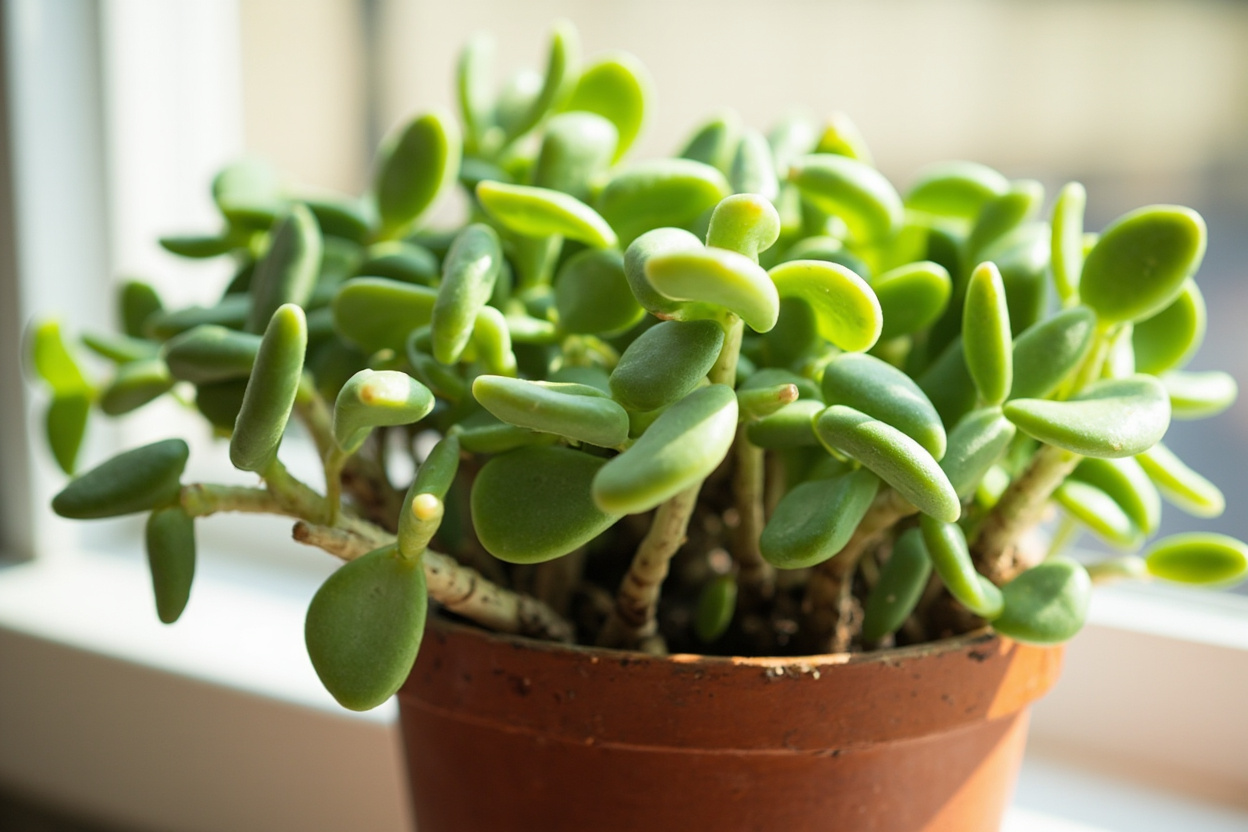
Jade plants (Crassula ovata) are native to the rocky hillsides of South Africa’s coastal regions. These areas have warm summers and mild, fairly dry winters. The plants have adapted to significant temperature swings between day and night, and they can handle more variation than tropical houseplants like pothos or philodendrons.
What they haven’t adapted to is frost. A hard freeze kills them. But short of that, they’re more temperature-tolerant than most people expect — which is exactly why they’re such successful indoor plants.
The Ideal Temperature Range
For active growth, jade plants do best at 65-75°F / 18-24°C during the day. At night, they can handle temperatures dropping into the low 60s F / mid-teens C without any stress. This range — roughly 65-75°F / 18-24°C — is where you’ll see the fastest growth, the most vibrant leaf color, and the fewest problems.
If your living space stays in this range during the day, your jade plant is in the comfort zone. No special adjustments needed.
The Broader Survival Range
Jade plants can survive in temperatures from roughly 50°F / 10°C up to about 90°F / 32°C for short periods. Below 50°F / 10°C, they start to show stress. Above 90°F / 32°C, they stop growing and may show heat stress if the duration is prolonged.
The key difference between “thriving” and “surviving” is duration. A few hours at 45°F / 7°C won’t kill a healthy jade plant. Weeks at that temperature will weaken it significantly and make it vulnerable to other problems.
The Hard Limits
Below 32°F / 0°C: frost damage begins. The leaf cells freeze and burst, causing immediate mushiness and blackening. Even a brief exposure to freezing temperatures can kill a jade plant.
Above 95°F / 35°C: heat damage becomes likely, especially if combined with direct sun and low humidity. Leaves may scorch, turning brown at the edges and becoming crispy rather than mushy.
For most indoor growers, neither of these extremes is a real risk. The concern is the middle ground — temperatures that are “close enough” to seem fine but are actually subtly stressing the plant.
Common Temperature Stress Scenarios Indoors
Near Windows in Winter
A jade plant sitting right against a cold window glass in January is at risk even if the room temperature is technically normal. Glass can be 10-15°F / 5-8°C colder than the room air, particularly on older single-pane windows. The leaves that touch the glass can be chilled below the damage threshold.
The fix: move the plant 6-12 inches back from the window glass in winter, or use a sheer curtain as a buffer. If you have double-pane insulated windows, the risk is lower but not zero on the coldest nights.
Near Heating Vents and Radiators
Hot, dry air from heating vents is a winter problem that most people don’t think about. A jade plant sitting directly in the path of a forced-air heating vent experiences temperatures higher than the thermostat suggests, plus very low humidity that accelerates moisture loss from the leaves.
Symptoms look like underwatering: slightly wrinkled leaves, slower growth in spring. The soil may still be damp, so people water more — making the problem worse. Jade plant problems guide covers this and similar symptoms in detail. If your jade is near a heating vent, that’s worth addressing before winter sets in.
Outdoor Summer Moves
Moving a jade plant outdoors for summer is one of the best things you can do for it — more light and fresh air produces remarkably strong growth. But bringing it back inside too late in fall is a common mistake.
Bring jade plants indoors when nighttime temperatures are forecast to drop below 50°F / 10°C. Not below 40°F / 4°C — by then, the plant may already be stressed. A jade plant brought inside in late October after several cold nights will look better through winter than one left out until the first frost.
How Temperature Affects Other Care Factors
Temperature and Watering
Temperature directly affects how quickly soil dries out. A jade plant in a 75°F / 24°C room needs more water than one in a 62°F / 17°C room — which is why the watering requirements guide recommends checking soil moisture before every watering rather than following a fixed calendar. This matters most in winter.
If you move a jade plant from a warm room to a cooler one (or vice versa), adjust your watering accordingly. The plant’s water needs aren’t fixed — they follow the temperature.
Temperature and Growth Rate
Below roughly 60°F / 15°C, jade plants essentially stop growing. This isn’t damage — it’s dormancy. The plant isn’t dead, it’s resting. Understanding this prevents the well-intentioned mistake of increasing water and fertilizer in an attempt to “wake up” a plant that’s simply in its natural rest phase.
Warm, bright conditions (70°F+ / 21°C+) with adequate light produce active growth. Cool, dim conditions produce slow or no growth. Both are fine. Just match the care to the plant’s actual state.
Temperature and Leaf Color
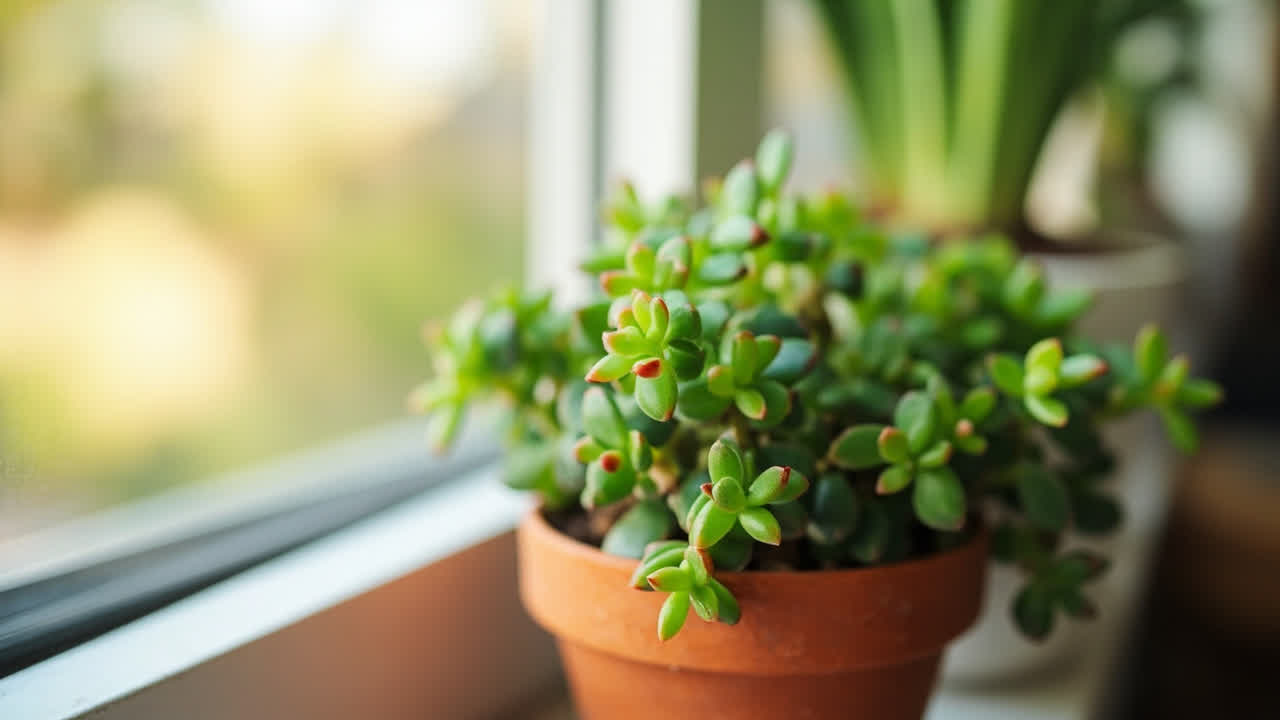
Jade plant leaves often develop red edges — a blush of color at the leaf margins — when grown in bright light with cooler night temperatures. This is a stress response that’s actually desirable in this case: it indicates the plant is producing pigments that protect it from intense light. It’s a sign of good conditions, not damage.
What isn’t desirable: yellowing leaves that look washed out. This can indicate too much direct sun combined with heat, particularly in summer afternoon sun in hot climates.
Tips for Temperature Management Through the Year
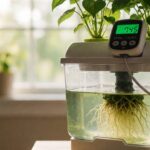
Monitor the actual temperature where your plant lives, not just the thermostat setting. A thermometer near the plant window costs very little and tells you more than guesswork. Digital thermometers with min/max memory are useful for catching cold snaps or heat waves you missed.
In spring and fall, when indoor temperatures shift with outdoor conditions, check your jade plant more frequently. These transition seasons are when drafts and temperature fluctuations are most likely to cause stress.
The best placement for most indoor growers: a bright room where temperatures stay consistently between 60-75°F / 15-24°C year-round, away from heating vents and cold windows. A jade plant in these conditions will require minimal intervention through the seasons.
Turn PDF Bank Statements Into Workable Spreadsheets
Your bank statement is a mess of numbers, but your books shouldn't be. Use our converter to get Excel, CSV, or QBO files — ready for QuickBooks.
Try It Free Now