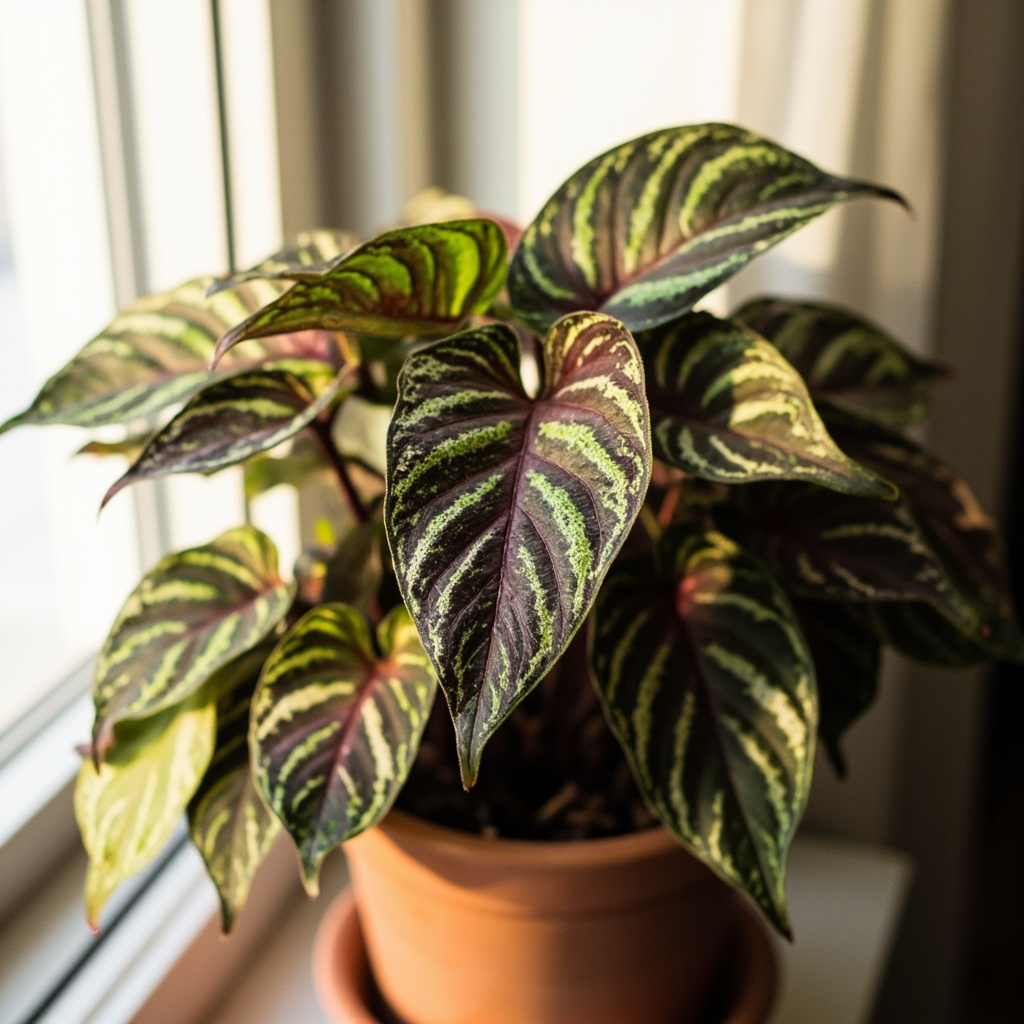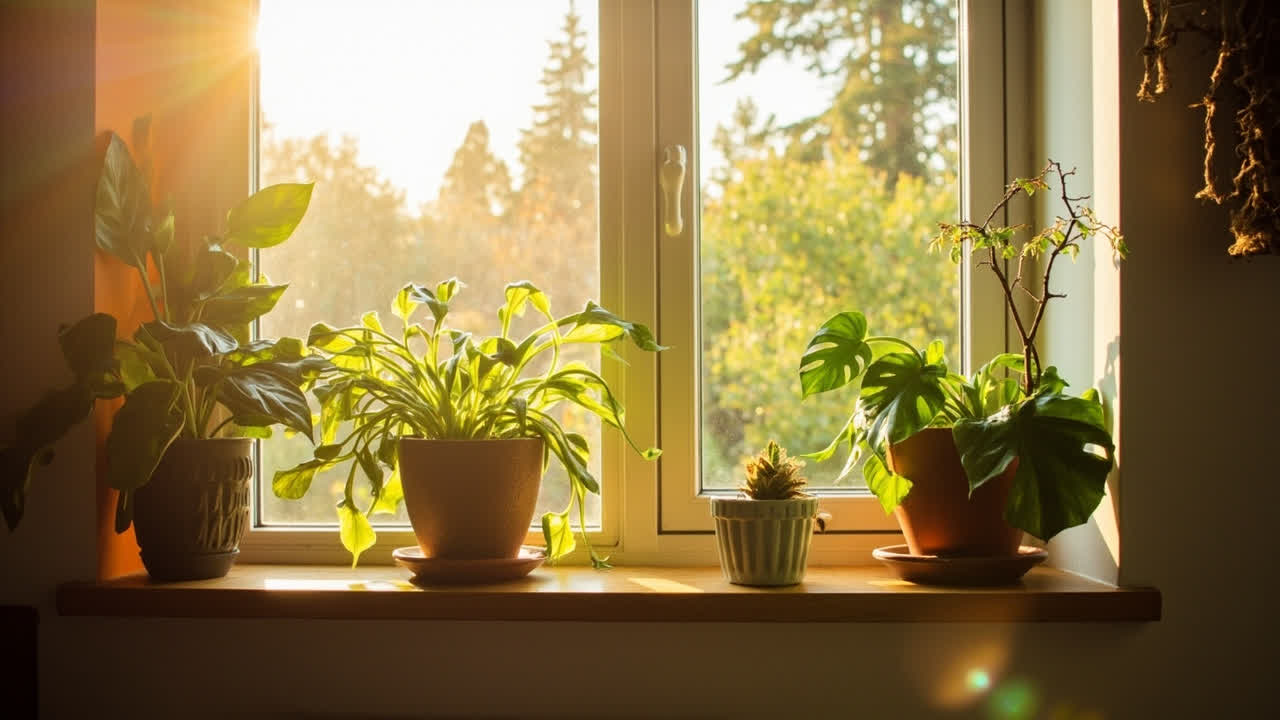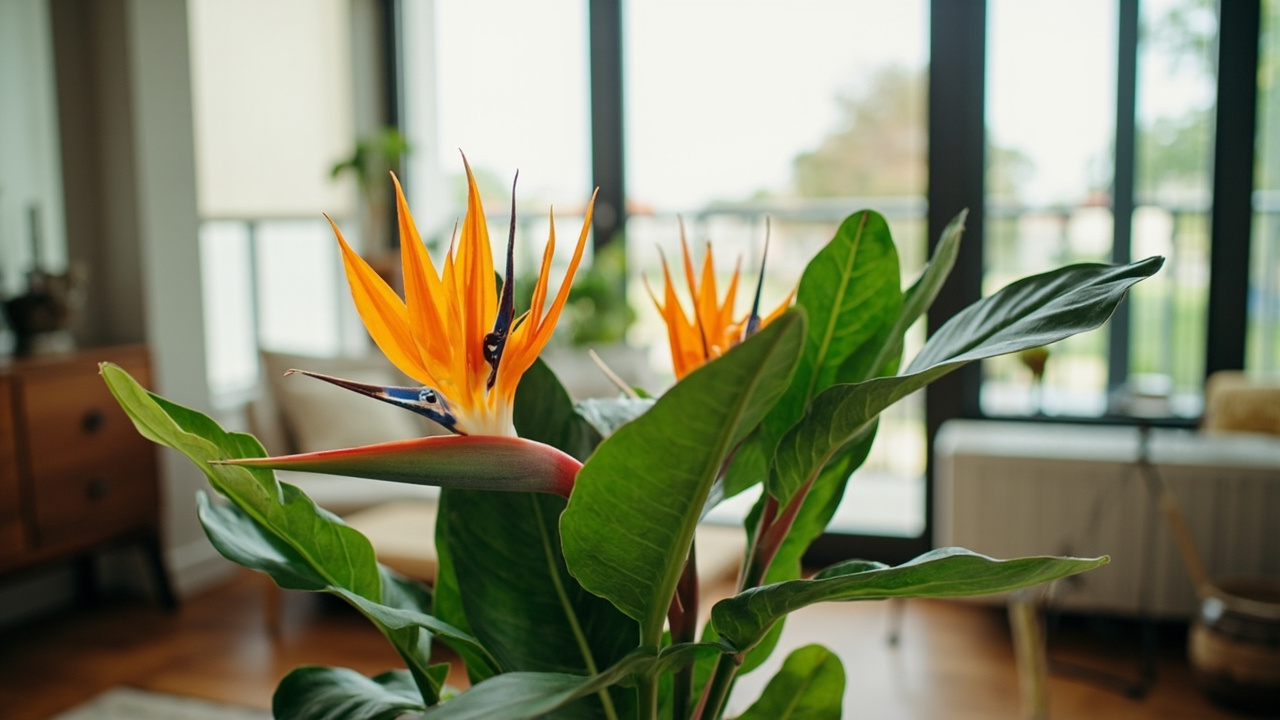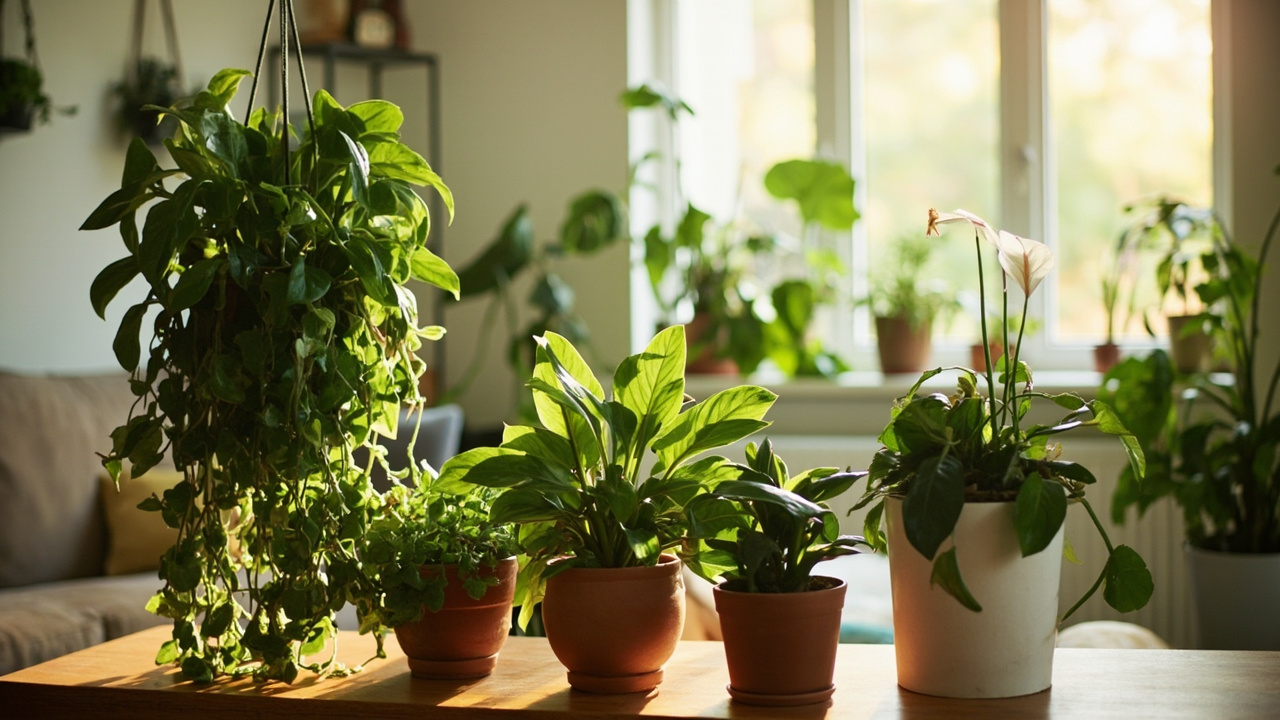

An indoor houseplant is any plant you keep inside your home for its leaves, shape, or flowers, rather than for food. That sounds obvious, but it is the first place most houseplant care goes wrong. The plants sold as “indoor houseplants” in garden centers actually come from radically different environments. Some evolved in deserts where rain falls once a month. Some evolved as epiphytes clinging to rainforest trees where their roots never touch soil. Some evolved as understory plants that never see direct sun. Treating them all the same way, which is what the generic care tag tells you to do, is why your houseplants die.
This page is the mental model that ties the rest of the Aqualogi houseplant library together. It does not replace any single care guide. It gives you the framework to read any new houseplant you bring home, predict what it needs, and recognize what is going wrong when something starts to fail. Once you have that framework, the 50+ specific care guides in the rest of the cluster make sense instead of feeling like separate trivia.
What Counts as an Indoor Houseplant (and What Does Not)
The phrase “indoor houseplant” is a marketing category, not a botanical one. It lumps together plants from at least four evolutionary backgrounds, all of which want different things.
The four plant personalities you will encounter are succulents (pothos and philodendron are not succulents; jade plant and aloe are), tropical foliage plants (monstera, philodendron, pothos, calathea, prayer plant), ferns (Boston fern, bird’s nest fern, maidenhair), and flowering houseplants (peace lily, African violet, anthurium). Some plants straddle categories. Snake plant is technically a succulent but tolerates low light like a tropical. ZZ plant looks tropical but stores water in its rhizomes like a succulent. The personality framework is a starting point, not a rule.
What does not count, for this page’s purposes: herbs and vegetables grown indoors for food (different light and water needs, different problems, covered in our indoor herbs and vegetable gardening clusters), outdoor annuals you bring inside for one winter (treated as temporary guests, not houseplants), and florist gift plants like potted roses or chrysanthemums bred for a single bloom cycle. Those plants have different care logic and are covered in their own clusters.
The Reason the Generic Care Tag Fails
When the tag says “water weekly, indirect light,” it is averaging across plants that want watering every 3 days (calathea) and plants that want watering every 3 weeks (snake plant). It is averaging across plants that want direct sun (cactus) and plants that want shade (ZZ plant). The instruction is correct for no plant in particular, which is why it works for no plant in particular.
The Four Plant Personalities: How to Read Any Houseplant Before You Buy
Every indoor houseplant fits one of four personalities, and the personality tells you almost everything about care. You do not need to know the Latin name. You need to know which personality group the plant belongs to and what that group evolved to do.
Succulents and Water-Storers
Jade plant, snake plant, ZZ plant, aloe, echeveria, haworthia. These evolved in dry environments and store water in thick leaves, stems, or rhizomes. They want bright light, fast-draining soil, and watering only when the soil is fully dry one to two inches down. Their most common killer is overwatering. They tolerate neglect better than any other personality.
Tropical Foliage Plants
Pothos, philodendron, monstera, calathea, prayer plant, anthurium, peace lily. These evolved in tropical understories and want bright indirect light, consistently moist (not soggy) soil, and humidity above 40 percent. They are the largest group of “indoor houseplants” and the most prone to overwatering, low-humidity stress, and cold damage. Their most common killer is tap water fluoride and chlorine, which causes leaf-tip burn on calathea and spider plant specifically.
Ferns
Boston fern, bird’s nest fern, maidenhair fern. These evolved as understory plants in humid forests and want consistently moist soil, filtered light, and humidity above 50 percent. They are the hardest personality for the average home because most homes run 20 to 30 percent humidity in winter. Their most common killer is dry air; their second most common is letting the soil dry out completely between waterings.
Flowering Houseplants
Peace lily, African violet, anthurium, kalanchoe. These evolved to bloom on a seasonal cycle and want the care of their underlying personality (peace lily is tropical foliage, African violet is a gesneriad, kalanchoe is a succulent) plus bloom-feeding during the flowering season. They spend most of the year as foliage plants and should be cared for as such outside the bloom window. Their most common killer is moving them to a brighter spot to encourage more blooms and burning the leaves.
If you only learn one section of this page, learn the four personalities. You can walk into any nursery, identify which group a plant belongs to by looking at its leaves and growth habit, and predict 80 percent of its needs before reading the tag.
Light: The Single Biggest Reason Houseplants Die
More indoor houseplants die from being in the wrong light than from any other single cause. Light is also the hardest variable to assess because your eyes adapt to it within minutes, while a plant cannot.
The Three Light Levels and How to Measure Them
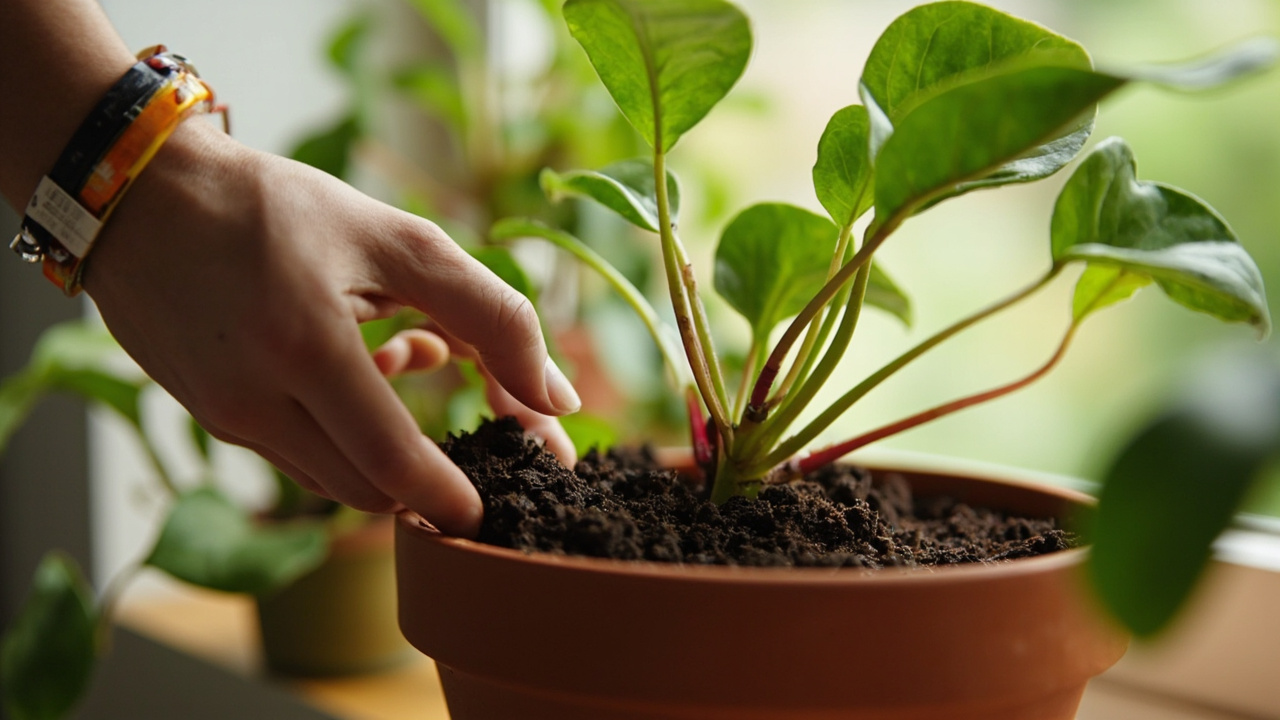
Bright direct light means the sun’s rays hit the plant’s leaves for at least three hours a day. A south-facing window in the northern hemisphere gets direct light. Bright indirect light means the plant is in a sunlit room but the sun’s rays do not hit the leaves directly. Three to five feet back from a south-facing window, or directly in front of an east-facing window, is bright indirect. Medium light means the plant gets some natural light but no direct sun. Six to ten feet from a bright window. Low light means the plant is far from any natural light source, in a room with small windows, or in a corner. Most “low light” plants actually want medium light and will decline slowly in true low light.
The cheap way to measure your light: hold your hand flat between the window and the plant at midday. If your hand casts a sharp, defined shadow, that is bright direct. If the shadow is soft and fuzzy, that is bright indirect. If there is no visible shadow, that is medium to low light.
The expensive way is a light meter app on your phone, calibrated for foot-candles. Tropical foliage plants want 100 to 500 foot-candles. Succulents want 500 to 1,000. Low light plants survive on 25 to 50 but thrive at 100. Our indoor plant light requirements guide breaks down each common houseplant’s specific light needs.
Why Moving a Plant Closer to a Window Often Kills It
If a plant has been in medium light for months, its leaves are adapted to that intensity. Moving it suddenly to a south-facing window burns the leaves within hours because the chlorophyll cannot handle the new UV load. If you want to move a plant to a brighter spot, do it over two weeks: one hour of new light on day one, two hours on day two, gradually extending the exposure until the plant has produced new shade-adapted leaves.
Watering: The Once-a-Week Rule and Why It Fails
Watering is the care variable that causes the most confusion because the advice is so generic it becomes meaningless. “Water once a week” applies to no plant in your home. The right rule is: water when the soil moisture matches what the plant’s personality evolved for.
The Soil Moisture Test That Replaces Every Schedule
Stick your finger one to two inches into the soil. If it is dry at that depth, water. If it is still moist, wait. This single test works for every personality with one adjustment: succulents want the soil dry all the way to the bottom of the pot (use a chopstick to check), tropical foliage wants the top inch dry and the deeper soil moist, ferns want the surface never fully dry, and flowering plants follow their underlying personality.
Water thoroughly until it runs out the drainage holes. Empty the saucer after 30 minutes. Plants sitting in standing water reabsorb it from the bottom and develop root rot within weeks. The full breakdown is in our indoor plant watering guide.
The Four Signs of Overwatering vs Underwatering
Overwatering and underwatering look almost identical at first, which is why most people misdiagnose one as the other. Yellowing lower leaves plus mushy stems plus a sour smell from the soil is overwatering. Yellowing lower leaves plus dry crispy edges plus bone-dry soil is underwatering. Wilting that recovers within hours of watering is underwatering. Wilting that does not recover is root rot from overwatering.
If you suspect root rot, the only reliable test is to slide the plant out of the pot and look at the roots. White or tan firm roots are healthy. Brown, black, mushy, sour-smelling roots are rotted. Trim the rotted roots with sterile scissors, repot in fresh dry soil, and withhold water for one to two weeks. Our save a dying plant guide walks through the full rescue protocol.
Humidity, Temperature, and the Winter Stress Cycle
Winter is when most indoor houseplants start failing, and it is rarely because of cold. It is because heating dries the indoor air to 15 to 25 percent relative humidity, which is closer to desert conditions than to any plant’s native environment.
What Humidity Actually Does to Your Plants
Humidity is the moisture content of the air around the leaves. Tropical foliage and ferns lose water through their leaves continuously and pull replacement water up through their roots. When the air is dry, they lose water faster than the roots can replace it, even in moist soil. The result is brown leaf edges, leaf curl, and eventually leaf drop. Our indoor plant humidity guide explains the full mechanism and the most cost-effective fixes.
Cheap Fixes That Actually Work
Grouping plants together raises the local humidity by 5 to 10 percent through transpiration. A pebble tray with water beneath the pot raises it another 5 percent. A small humidifier in the plant corner is the only fix that consistently hits 50 percent humidity, which is what tropical foliage actually wants. Misting the leaves does almost nothing. The water evaporates within minutes and the humidity spike is too short to matter.
Temperature: The Variable Most People Get Right by Accident
Most homes stay between 18 and 24 degrees Celsius year-round, which is exactly what tropical foliage evolved for. The danger is the cold draft from an unsealed window in winter, which can drop the leaf temperature below 10 degrees in minutes and cause cold damage even when the room air feels warm. Move plants two to three feet back from any window that gets cold in winter.
Common Houseplant Problems and What They Actually Mean
Most houseplant problems fall into seven recognizable patterns. Once you can identify the pattern, you can usually identify the cause and the fix without a separate article per symptom.
Yellow Leaves
Yellowing lower leaves plus moist soil is overwatering. Yellowing lower leaves plus dry soil is underwatering. Yellowing all over plus pale new growth is nutrient deficiency. Yellowing plus webbing on the underside is spider mites. Yellowing plus sticky residue plus visible insects is aphids or scale. The full diagnostic tree is in our indoor plant yellow leaves guide.
Brown Leaf Tips and Edges
Brown crispy tips plus dry air is low humidity. Brown tips plus white crust on the soil is mineral buildup from tap water. Brown tips plus fluoride and chlorine in your municipal water is the most common cause on calathea, spider plant, and peace lily; switch to filtered or rainwater and new growth comes in clean. Brown edges plus direct sun is sunburn.
Leaf Drop
Sudden leaf drop is almost always a shock response: a draft, a temperature drop, a move to a new light level, or recent repotting. Gradual leaf drop plus yellowing is a watering problem. Gradual leaf drop plus stretching stems is insufficient light.
Root Rot
The single biggest killer of indoor houseplants. Caused by soil that stays wet for too long, pots without drainage holes, or watering on a schedule instead of based on soil moisture. The plant looks thirsty even though the soil is wet because the rotted roots cannot absorb water. The only fix is to trim the rotted roots, repot in dry soil, and withhold water until new white roots form.
Pests
Most indoor houseplant pests arrived on a new plant from the nursery. The four to watch for are fungus gnats (overwatering indicator), spider mites (dry air and dust on leaves), mealybugs (visible white cottony tufts at leaf joints), and scale (brown bumps on stems that do not move). Our indoor plant pests guide walks through identification and treatment for each.
No Growth in Months
Indoor houseplants have a natural winter dormancy where growth slows or stops from November through February. That is normal. No growth from March through October means insufficient light, depleted soil, or a pot that is too small. If the plant has been in the same pot for more than two years, repot one size up with fresh indoor potting mix.
Stretching Stems (Etiolation)
Long spaces between leaf pairs and leaning toward the window means the plant is not getting enough light. Move it closer to the window or supplement with a grow light. Stretching cannot be reversed; the stretched growth stays stretched. New growth from the pinch point will be compact if the light is right.
Choosing the Right Houseplant for Your Space (Decision Tree)
Walk through these four questions in order. The answer to the last question is your plant.
- How much natural light does the spot get? Less than two hours of direct sun = low light plant. Two to four hours of morning sun = bright indirect plant. Four or more hours of direct sun = succulent or bright-light tropical.
- How often will you actually water? Realistically, not on a schedule? Succulent or ZZ plant. Weekly? Most tropical foliage. Multiple times per week? Ferns and calathea.
- Do you have pets or small children? Yes = stick to spider plant, Boston fern, calathea, prayer plant, parlor palm, peperomia, and African violet. Our pet-safe houseplants guide has the full safe list with the toxic ones to avoid.
- Where is the plant going? Desk or shelf = compact plant under 30 cm. Floor = larger plant in a heavy pot. Bathroom with a window = fern or tropical. Office with no window = ZZ plant or snake plant with a grow light. Our office desk plant guide covers the desk-specific question.
The plants at the top of any beginner’s list, including our best indoor plants for beginners guide, are the ones that survive the widest range of mistakes: pothos, snake plant, ZZ plant, philodendron heartleaf, spider plant, and peace lily. Each tolerates inconsistent watering, adapts to medium and bright indirect light, and recovers from most care mistakes within one growing season.
The First 30 Days: Bringing a New Houseplant Home
The first month is when most new houseplants fail, and the failures are almost always caused by doing too much, not too little.
Day 1 to Day 3: Acclimate, Do Not Repot
Place the new plant in the spot you intend to keep it and leave it alone for three days. Do not repot. Do not fertilize. Do not prune. The plant is adjusting to lower humidity, different light angles, and your tap water. Repotting on day one adds transplant shock on top of acclimation stress and is the most common cause of “it looked fine when I bought it” failures.
Day 4 to Day 7: First Pinch and First Inspection
After three days of acclimation, pinch out the growing tip of every stem just above a leaf pair. This forces the plant to branch from the leaf joints below the pinch and produces a denser, bushier shape. At the same time, inspect the undersides of the leaves for any pests you may have missed at the nursery. If you see whiteflies, mealybugs, or scale, treat with insecticidal soap now before the population establishes.
Day 7 Onward: Repot Only If Needed
If the plant is in a four-inch pot and you intend to keep it as a houseplant, move it up to a six-inch pot with fresh indoor potting mix. If the plant is going into a larger decorative container, use a liner pot with drainage holes inside the decorative cachepot. Cachepots without drainage are the second most common cause of new plant death after overwatering.
What to Expect in the First Month
One or two leaves yellowing and dropping is normal acclimation shock. New growth emerging from the center of the plant is the signal that the plant has accepted its new environment. If no new growth has appeared after four to six weeks, the light is wrong or the watering is off; review the relevant care guide from this cluster.
The Short Houseplant Checklist
If you only have five minutes, run through this list every time you bring home a new houseplant, repot, or notice something off.
- Identify the plant’s personality: succulent, tropical, fern, or flowering. The personality predicts the care.
- Measure the light at the spot where the plant will live. Use the hand-shadow test or a light meter app. Match the plant to the light, not the tag to the spot.
- Check soil moisture before watering. Finger one to two inches down. Adjust depth by personality.
- Watch humidity. Tropical foliage and ferns need above 40 percent. Group plants or run a humidifier in winter.
- Inspect for pests on the undersides of leaves every time you water. Catch them early.
A houseplant that passes all five of these checks will establish in your home within a month and give you years of foliage from a 5 dollar plant. A houseplant that fails any of them is not a lost cause. It is a diagnostic problem with a known set of causes, and the rest of the Aqualogi houseplant library is built to walk you through each one.
Related Houseplant Pages Worth Bookmarking
The framework above handles the four root causes of why indoor houseplants die. The pages below go deeper into specific scenarios you will hit once the basics are working:
- Best plants for low light — if your space gets under 2,500 lux, this is the shortlist that actually survives.
- Best indoor plants for beginners — the eight species that forgive irregular watering and forgotten vacations.
- Indoor plant watering schedule — the single highest-impact care adjustment most owners get wrong.
- Indoor plant humidity guide — what your tropical plants actually need during winter heating season.
- Why indoor plant leaves turn yellow — the diagnostic chart when you have already moved past “is it dead” and want a cause.
- House plant care calendar — month-by-month what to do, what to skip, and when to repot.
For every term you will encounter across these guides, the houseplant glossary defines it in one place. To map your spot to the right category before picking a species, read the houseplant types guide.
Turn That PDF Into a Spreadsheet in Minutes
You've seen how to do it manually — now let the tool handle the heavy lifting. Upload your bank statement and get Excel, CSV, or QBO in a few clicks.
Try It Free