
A healthy Coleus you bring home from the nursery can collapse within a week if you bought the wrong plant for your spot, an overfed greenhouse specimen that cannot adjust to your tap water, or a stressed clearance plant already fighting root rot. Coleus is sold as the easiest foliage plant on the bench, and it is – but only when the plant you pick is the right one for the light, the climate, and the time you actually have to care for it. This guide walks through every decision a Coleus buyer has to make so the plant you bring home stays alive, holds its color, and grows into what the tag promised.
What to Decide Before You Walk Into the Nursery
Three things decide whether your Coleus will thrive or sulk: the light you can give it, the climate you live in, and whether you want it for one season or for years. Sort these out before you fall in love with a leaf color.
The Light You Can Actually Offer
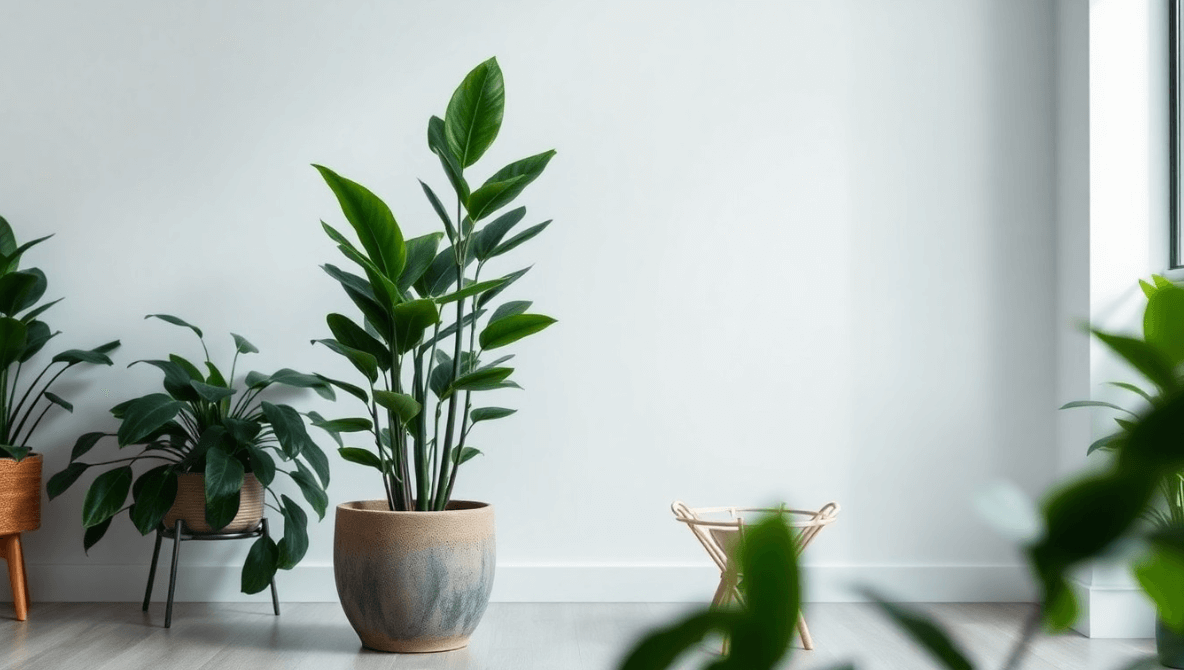
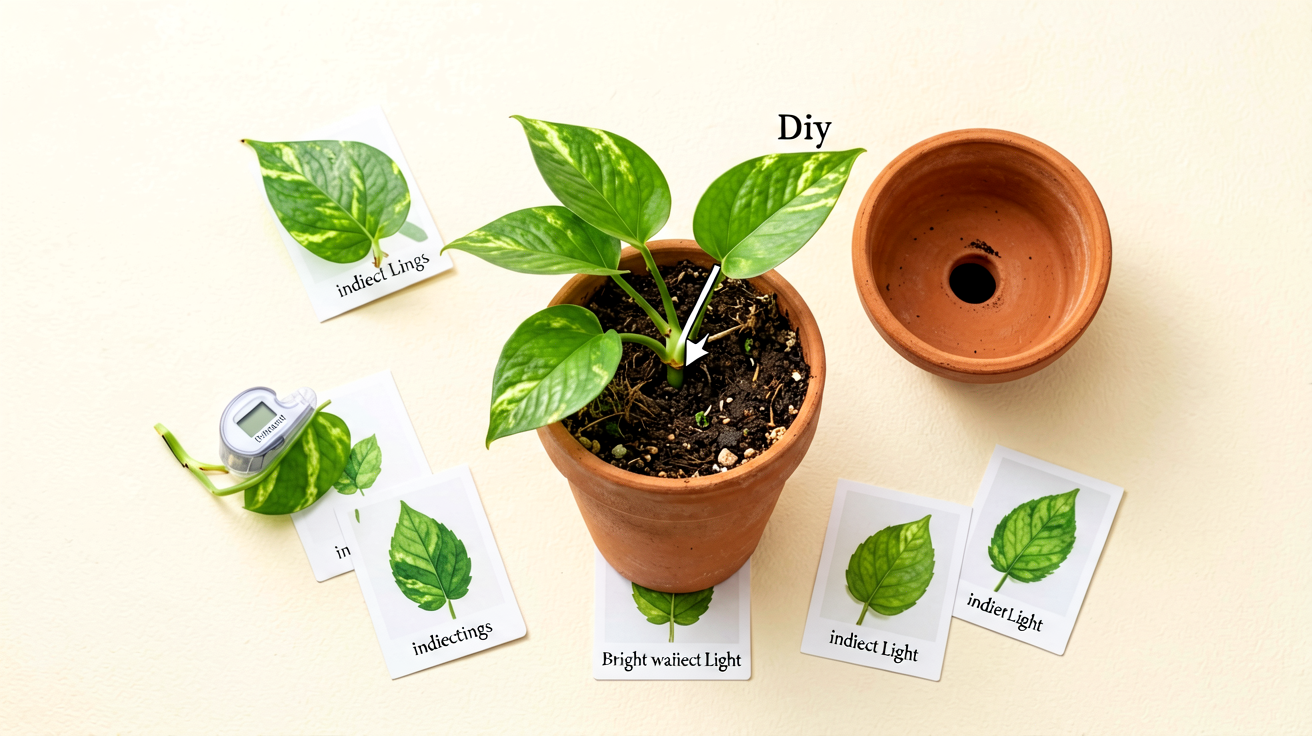
Coleus is a foliage plant, and foliage color depends entirely on light intensity. Bright indirect light from an east-facing window, a covered porch, or a spot three to five feet back from a south-facing window is the sweet spot for nearly every cultivar. Direct afternoon sun bleaches the pigment out of most varieties in days. Deep shade produces leggy stems with washed-out color. The exception is the modern sun-tolerant series – Coleosaurus, Wasabi, Trusty Rusty, and the Main Street line – bred to take six or more hours of direct sun. If you only have a sunny patio or balcony, you need a sun-type cultivar, not a shade-type one. If you only have a north window, you need a compact variety that holds color in low light, such as Kong or Wizard.
Your Climate: Indoor, Outdoor Annual, or Perennial
Coleus is a tender perennial in USDA zones 10-11 and an annual everywhere else. If you live north of zone 10, decide now whether you want to overwinter cuttings indoors or replace the plant each spring. Overwintering works – Coleus is one of the easiest plants to propagate from cuttings and bring inside before the first frost – but it requires a bright window from October through March. If you do not have that window, plan to treat the plant as a single-season outdoor annual and replace it next year.
One Season of Color, or a Plant You Keep for Years
Coleus grown as an indoor houseplant under bright light stays compact and colorful for two to three years before it gets woody and loses lower leaves. Coleus grown as a landscape annual produces dramatic color for one season but rarely makes it past the first frost. Both are valid uses of the same plant – just be honest with yourself about which one you are buying for. The care is slightly different: indoor Coleus wants pinching to keep it bushy and a winter rest with reduced fertilizer, while landscape Coleus wants unrestricted growth and a final mid-summer pinch to set the autumn color flush.
How to Read a Coleus Tag (and What It Does Not Tell You)
Nursery tags usually list the cultivar name, sun or shade requirement, mature height, and a generic care line. The tag rarely tells you what you most need to know: how recently the plant was potted up, whether it has been grown in a heated greenhouse or outdoors, and whether the color in the photo will hold in your conditions.
Sun-Type vs Shade-Type
Tags marked “sun” or “sun-tolerant” mean the cultivar has been bred for direct sun – typically a thicker leaf with more chlorophyll to protect against UV bleaching. Tags marked “shade” or “part shade” mean the cultivar produces its best color with one to three hours of direct morning sun and bright indirect light the rest of the day. Mixing them up is the single most common Coleus failure. A shade-type planted in full sun develops bleached, papery patches within a week and rarely recovers. A sun-type planted in deep shade grows but loses the color contrast it was selected for.
Mature Size and Growth Habit
Coleus mature size ranges from 8-inch compact mounds (Kong Mosaic, Wizard) to 36-inch landscape giants (Coleosaurus, Versa series). The tag usually lists mature height but rarely lists mature width – and Coleus gets as wide as it is tall when grown in good light. A 24-inch-tall cultivar will fill a 24-inch-wide space by August. If you are planting a window box or a small patio container, look for series marked “compact” or “dwarf.” If you are filling a landscape bed or a large urn, you want the vigorous landscape types.
What the Tag Does Not Tell You
Tags are silent on three things that matter. First, how recently the plant was potted up – a Coleus that has been in the same four-inch pot for more than eight weeks is almost always root-bound and will need immediate repotting. Second, the greenhouse climate it was grown in – a plant from a heated 75°F greenhouse will stress badly when moved outside into 55°F nights, even if the variety is hardy. Third, whether the cultivar is seed-grown or cutting-propagated. Seed-grown series (Wizard, Kong, Fairway) are uniform but often weaker-rooted. Cutting-propagated cultivars (most of the sun-tolerant series and the specialty trailing types like Electric Lime) have stronger root systems but cost more.
How to Inspect a Coleus Before You Buy
You cannot diagnose Coleus health from the top of the plant alone. You have to look at the stems, the underside of the leaves, the soil surface, and – if you can lift the pot – the root ball.
Top of the Plant: Color, Density, New Growth
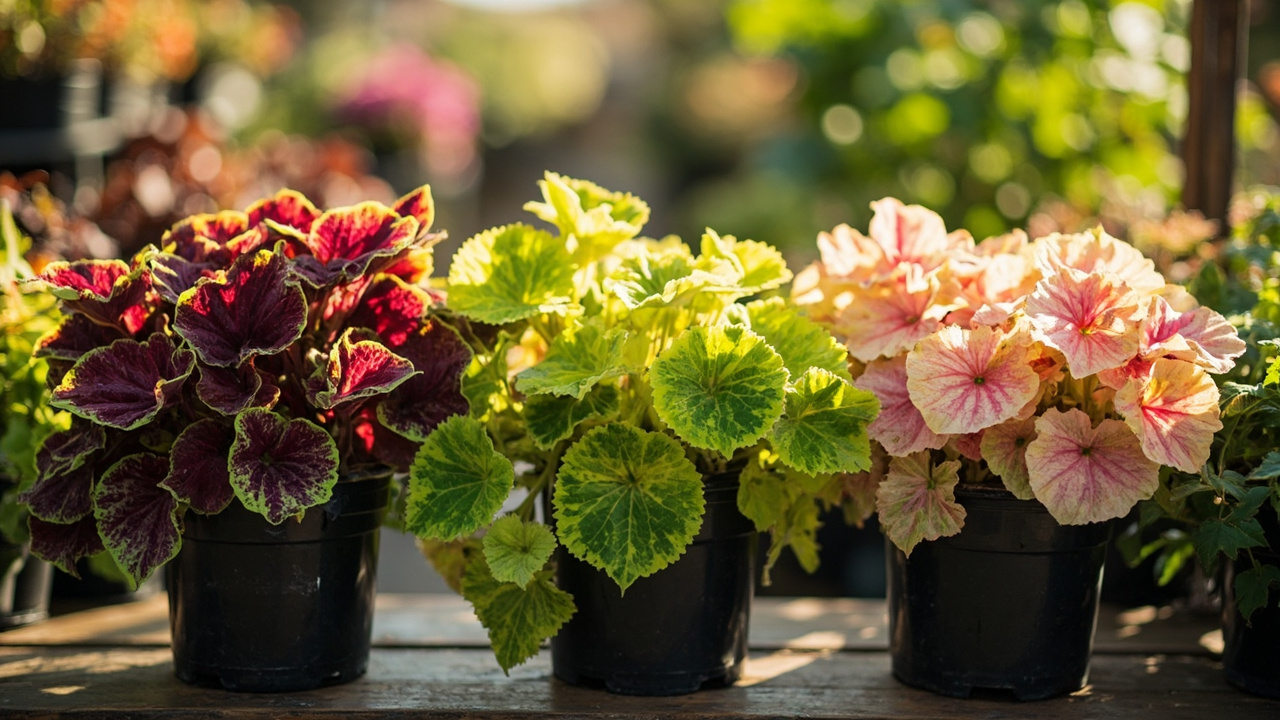
Healthy Coleus has dense, evenly colored foliage with visible new growth at the stem tips. Look for tight internodes (short spaces between leaf pairs) – long internodes mean the plant has been grown too far from the light and will need pinching back once it is home. Avoid plants with bleached patches, yellowing lower leaves, or visible flower spikes. Coleus flowers are not the point; a plant in flower is diverting energy from foliage production and should be pinched back hard as soon as you get it home.
Stems and Undersides: Pests and Disease
Flip the leaves over and check the undersides for whiteflies, mealybugs, aphids, and spider mite stippling. Whiteflies erupt in a small cloud when you brush the plant – a heavily infested Coleus will not recover at home without treatment. Mealybugs appear as white cottony tufts at the leaf joints. Spider mites cause fine yellow stippling on the upper leaf surface and a fine web on the underside. None of these are deal-breakers if you catch them early and treat with insecticidal soap, but a heavily infested plant is best left at the nursery.
Soil Surface and Stem Base: The Root Rot Red Flag
The single biggest cause of new Coleus collapse is already-present root rot from overwatering at the nursery. Lift the pot if you can. A healthy root ball is firm and white at the drainage holes; a rotted root ball is dark, mushy, and smells sour. If you cannot lift the pot, push your finger gently into the soil surface. Wet, sour-smelling soil on a plant that has been sitting in full sun is a red flag – the plant has been kept too wet for too long and the roots are already compromised.
Roots Peeking Out the Drainage Holes
Some roots through the drainage holes are normal. A solid mat of roots circling the bottom of the pot means the plant is root-bound and has been underpotted for too long. It will survive, but it will need repotting within the first week or it will stall.
Where to Buy Coleus (and Where Not To)
Coleus is sold almost everywhere – local nurseries, big-box garden centers, grocery stores, hardware stores, and online specialty growers. The source matters less than the inspection. A stressed plant from a high-end mail-order nursery will fail just as fast as a stressed plant from a discount shelf.
Local Independent Nurseries
The best source for Coleus is a local independent nursery with a knowledgeable staff. Plants are usually grown on-site or locally potted up, the staff can tell you the sun-type and mature size of the cultivar, and the plants are typically healthier because they have not spent a week in a shipping container. Expect to pay 30-50% more than at a big-box store, but the survival rate is dramatically higher.
Big-Box Stores and Grocery Garden Centers
Big-box stores sell Coleus cheaply – usually $3-$6 for a four-inch pot – but the plants have often been in the store for weeks, watered inconsistently by staff who do not know the difference between a Coleus and a marigold, and exposed to outdoor temperatures that have already stressed them. Inspect every plant carefully before you buy. Pick the smallest healthiest plant, not the largest cheapest one.
Online Specialty Growers
Online growers like Logee’s, Almost Eden, and the specialty Coleus breeders sell cutting-propagated cultivars that local nurseries rarely carry – particularly the sun-tolerant landscape series and the unusual trailing varieties for hanging baskets. Plants ship well in spring and early summer but arrive stressed in midsummer heat. Order in spring for the best establishment.
Clearance Benches and End-of-Season Sales
Late-summer clearance benches are full of leggy, root-bound, half-bloomed Coleus at 50-75% off. These plants are worth buying only if you are willing to cut them back hard, repot them, and wait two months for them to regrow. If you want color this weekend, pay full price. If you want stock for next year’s cuttings at a discount, the clearance bench is gold.
Coleus Varieties Worth Knowing
There are hundreds of named Coleus cultivars, but the buying decision really comes down to three traits: color palette, leaf shape, and growth habit. Once you know which combination you want, the variety names are less important than the plant in front of you.
Sun-Tolerant Landscape Series
Coleosaurus, Wasabi, Trusty Rusty, and the Main Street and Versa series are bred to take six or more hours of direct sun without bleaching. These are the right choice for landscape beds, sunny patios, and large outdoor containers. They get big – two to three feet tall and wide – and they need unrestricted root space. They are not the right choice for a small indoor pot.
Shade-Tolerant Indoor Series
Kong, Wizard, Fairway, and Black Dragon are the compact, color-rich series bred for indoor pots and shade gardens. They hold their color in bright indirect light and stay compact (8-18 inches). These are the right choice for houseplants, north-facing windows, and shaded patio containers.
Trailing and Hanging Basket Types
Electric Lime, Trailing Plum, and the Stained Glassworks trailing series are bred to spill over the edge of a hanging basket or window box. They need the same light as the shade-tolerant types but want more root space and consistent moisture to keep their long stems from snapping at the base.
How to Bring a New Coleus Home Without Killing It
The first week at home is when most new Coleus plants fail. The greenhouse was warm, humid, and bright; your house or patio is none of those things. The transition matters more than the plant’s prior condition.
The First 48 Hours: Acclimate, Do Not Repot
Place the new Coleus in the spot you intend to keep it and leave it alone for two days. Do not repot on day one. Do not fertilize. Do not pinch it. Water only if the soil is dry to the touch one inch down. The plant is adjusting to lower humidity, different light angles, and your tap water. Repotting on day one adds transplant shock on top of acclimation stress and is the most common cause of “the plant looked fine when I bought it” failures.
Day 3 to Day 7: First Pinch and First Inspection
After two days of acclimation, pinch out the growing tip of every stem just above a leaf pair. This forces the plant to branch from the leaf joints below the pinch and produces a denser, bushier shape. At the same time, inspect the undersides of the leaves for any pests you may have missed at the nursery. If you see whiteflies or mealybugs, treat with insecticidal soap now before the population establishes.
Day 7 Onward: Repot Only If Needed
If the plant is in a four-inch pot and you intend to keep it as a houseplant, move it up to a six-inch pot with fresh indoor potting mix. If the plant is going into a landscape bed or a large outdoor container, you can transplant as soon as the soil temperature is above 60°F and nights are above 55°F. Coleus planted outdoors in cold soil stalls and rarely recovers.
Common Buying Mistakes to Avoid
Most Coleus deaths in the first month are caused by one of four buying mistakes. They are all preventable with a five-minute inspection at the nursery.
Buying the Largest Plant on the Bench
The biggest Coleus on the bench is rarely the best buy. It has been in that pot the longest, it is almost always root-bound, and it has been kept alive by daily watering and feeding at the greenhouse – conditions you cannot replicate at home. Smaller, denser, more recently potted plants adjust faster and outgrow the larger ones within a month.
Buying a Plant Already in Flower
Coleus in flower is a plant that has shifted energy from foliage production to seed production. Pinch the flowers off the moment you get it home and the plant will redirect that energy back to leaf production. If the plant is heavily flowered and leggy, cut it back by half after the first pinch to force fresh growth from the base.
Buying a Sun-Type for a Shade Spot (or Vice Versa)
Already covered above but worth repeating: this is the single most common failure. Read the tag, then look at the leaf thickness and color. Thick, dark, leathery leaves are sun-types. Thin, delicate, brightly colored leaves are shade-types.
Buying a Clearance Plant Without a Plan
Clearance plants need immediate, decisive intervention – hard pinch, repot, and a shaded recovery spot for two weeks. If you are not willing to do that work, the clearance plant will not survive. If you are willing, the same plant will outgrow a full-price plant by midsummer because it has a much larger root system to start with.
What to Do in the First Week at Home
Once the Coleus is home and through its first week, the care routine is simple and well-documented in our other Coleus guides.
Light, Water, and Pinching
Bright indirect light, water when the top inch of soil is dry, and a pinch every three to four weeks to keep the plant bushy. The detailed routine is covered in our Coleus light requirements guide, our Coleus watering guide, and the full Coleus care guide for indoor and outdoor setups.
Problems to Watch For
Yellowing lower leaves in the first two weeks usually mean overwatering – the most common adjustment-period mistake. Curling leaves mean underwatering, low humidity, or both. A sudden collapse of the whole plant usually means the roots were already compromised when you bought it; our Coleus rescue guide covers how to recover a Coleus with root rot, when to cut it back to a stem cutting, and when to accept the loss.
If You Want More Plants
Coleus is one of the easiest plants in the world to propagate from cuttings. The first time you pinch a stem tip, put the cutting in a glass of water on the windowsill and it will root in seven to ten days. Our Coleus propagation guide covers water rooting, soil rooting, when to take cuttings, and how to overwinter plants indoors for free.
The Short Buying Checklist
If you only have thirty seconds at the nursery, run through this list:
- Read the tag – sun-type or shade-type, mature size, expected color.
- Look at the top of the plant – dense, even color, visible new growth at the tips.
- Flip the leaves – no whiteflies, no mealybugs, no webbing.
- Smell the soil – sour or wet means root rot is already starting.
- Lift the pot if you can – firm white roots at the drainage holes, not a solid root mat.
- Pick the smallest densest plant on the bench, not the largest cheapest one.
- Skip any plant already in heavy flower.
A Coleus that passes all seven of these checks will establish in your home within two weeks and give you a full season of color from a $5 plant. A Coleus that fails any of them is a gamble. The buying decision is the single biggest determinant of whether your Coleus thrives or joins the long list of “it looked fine when I bought it” casualties on the windowsill.
For more on choosing between Coleus and similar colorful foliage plants, see our Coleus vs Croton comparison and our full Coleus varieties guide, which breaks down twelve of the most popular cultivars by color, shape, and growing condition.
From Bank Statement to QuickBooks-Ready File
That manual cleanup you just read about? This tool skips it. Turn your PDF into QBO for QuickBooks without storing your data anywhere.
Start Converting