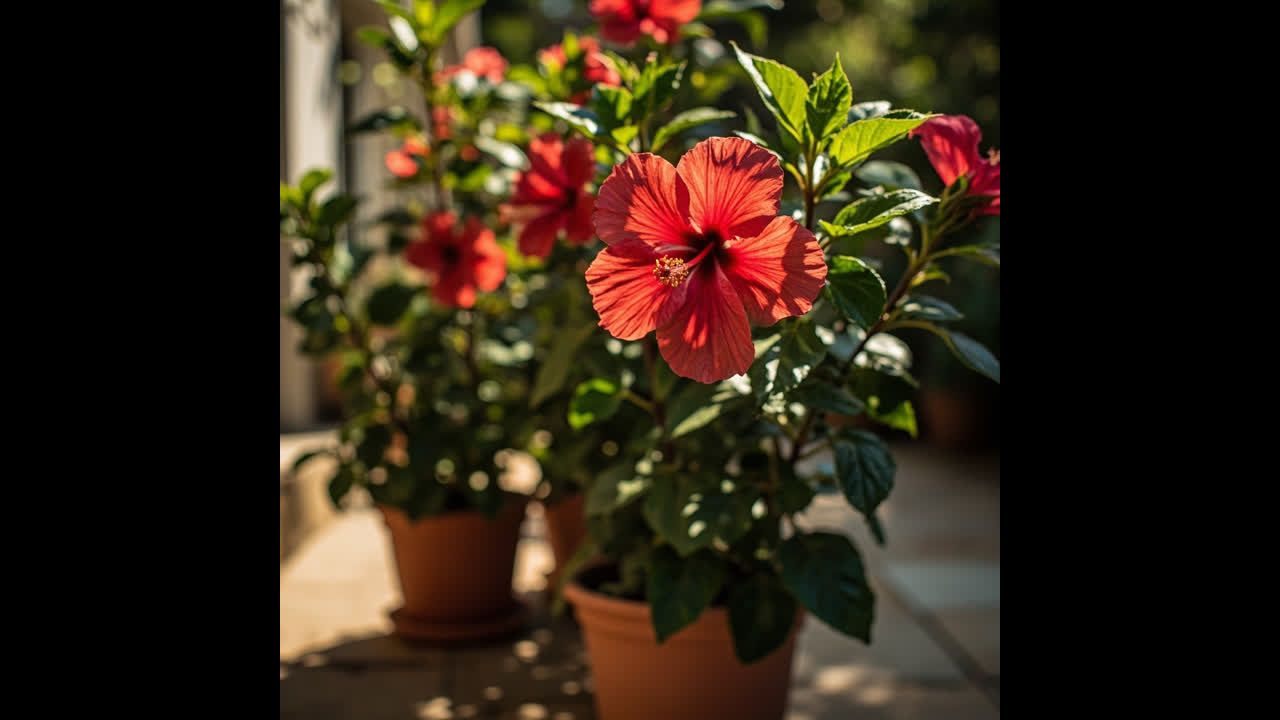
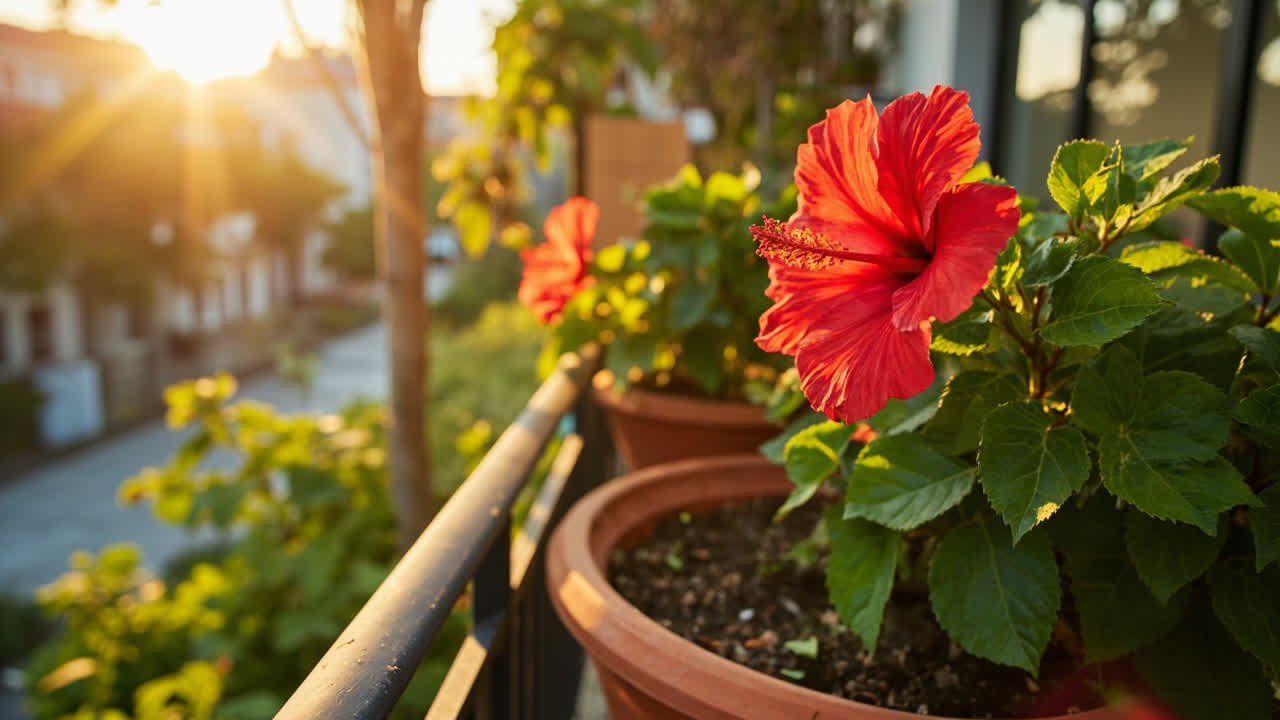
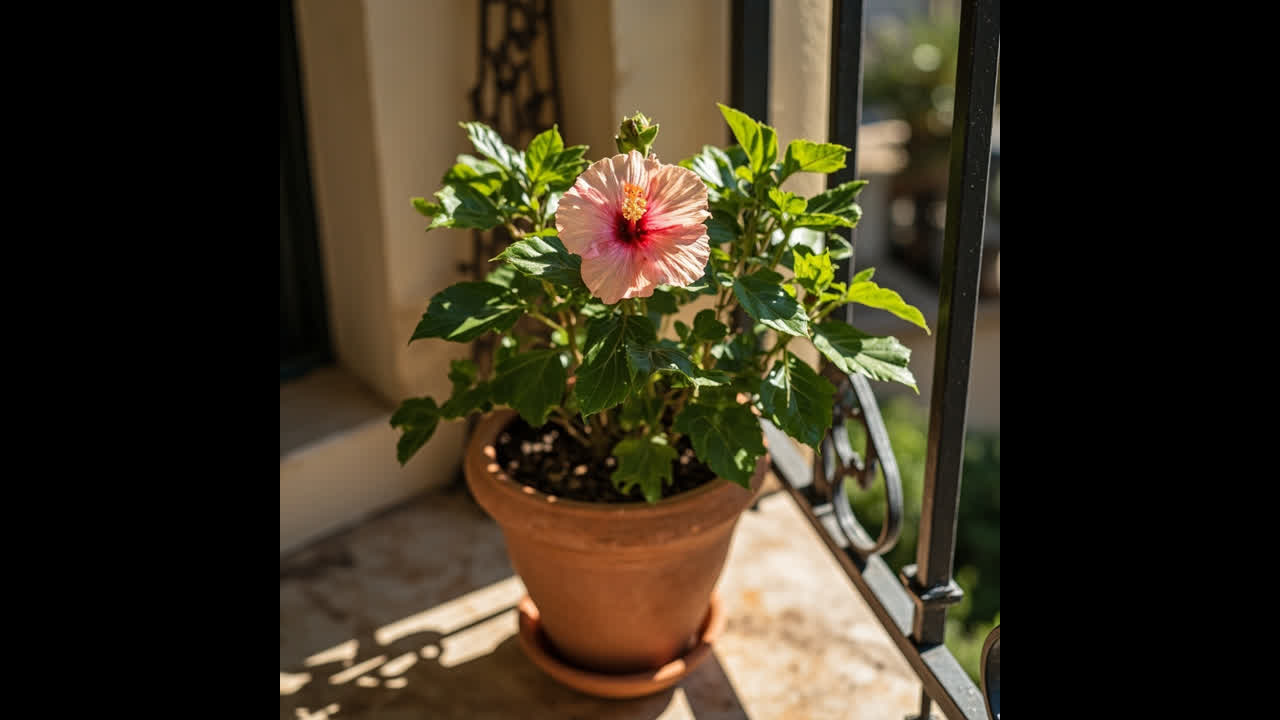
Your hibiscus has flower buds — you can see them forming, swelling, almost ready to open. Then, without warning, they drop. They fall before they have had a chance to bloom, sometimes while still green, sometimes when they are large and just days away from opening. This is bud drop, and it is one of the most frustrating hibiscus problems because the plant looked like it was about to reward you with a flush of flowers, only to abandon the plan.
Bud drop is not random. It has specific causes, and most of them are correctable once you know what to look for.
Cause 1: Temperature Shock and Cold Exposure
The most common cause of hibiscus bud drop is cold temperature exposure, especially sudden cold. Hibiscus flower buds begin developing in response to warm temperatures and adequate light — they are forming in conditions the plant has assessed as favourable. When a cold night arrives (temperatures below 50°F / 10°C), the plant reassesses and decides it is no longer safe to invest energy in reproducing. It aborts the buds to conserve resources for survival.
This is a response to cold nights in autumn, but it also happens in spring when gardeners move hibiscus outdoors too early. A hibiscus that has been indoors all winter, placed outside on a sunny day when nights are still cold, will often drop buds within days.
The pattern to watch for: bud drop that follows a specific cold night, or bud drop that starts a few days after you have moved the plant outdoors for the season.
The fix: monitor night temperatures before moving hibiscus outdoors in spring. Do not move it outside overnight until night temperatures are consistently above 55°F (13°C). If autumn temperatures are dropping, bring the plant inside before the first cold nights arrive.
Cause 2: Low Humidity
Tropical hibiscus evolved in high-humidity environments, and the flower buds are the most humidity-sensitive part of the plant. When indoor humidity drops below 40% — common in heated homes in winter, or in air conditioned rooms in summer — the developing buds lose water faster than the plant can supply it. The plant responds by dropping buds to conserve moisture for the rest of the plant.
Low humidity bud drop typically appears in winter when heating is running, or in summer when hibiscus is in an air conditioned space. The buds dry out at the tips before falling — you may notice the bud tips turning brown and desiccating before the bud drops.
Humidity below 40% will eventually cause bud drop in hibiscus even if everything else (light, water, nutrients) is correct. See our hibiscus humidity guide for practical solutions, including pebble trays, humidifiers, and grouping plants.
Cause 3: Inconsistent Watering
Alternating between drought stress and recovery confuses hibiscus. If the soil dries out completely and the plant experiences even mild drought stress, it may drop buds as a survival response. Similarly, if you water deeply and then let the soil stay wet for too long, the root stress can cause bud drop.
Inconsistent watering is a common cause of bud drop in container hibiscus that is exposed to alternating rain and dry spells outdoors — a week of rain followed by a week of dry weather causes more bud drop than either consistently moist or consistently dry conditions.
The fix: check the soil every day when the plant is setting buds. Maintain consistent moisture — water when the top 2–3 cm is dry, not on a schedule. Do not allow the pot to dry out completely between waterings when buds are developing.
Cause 4: Root Disturbance
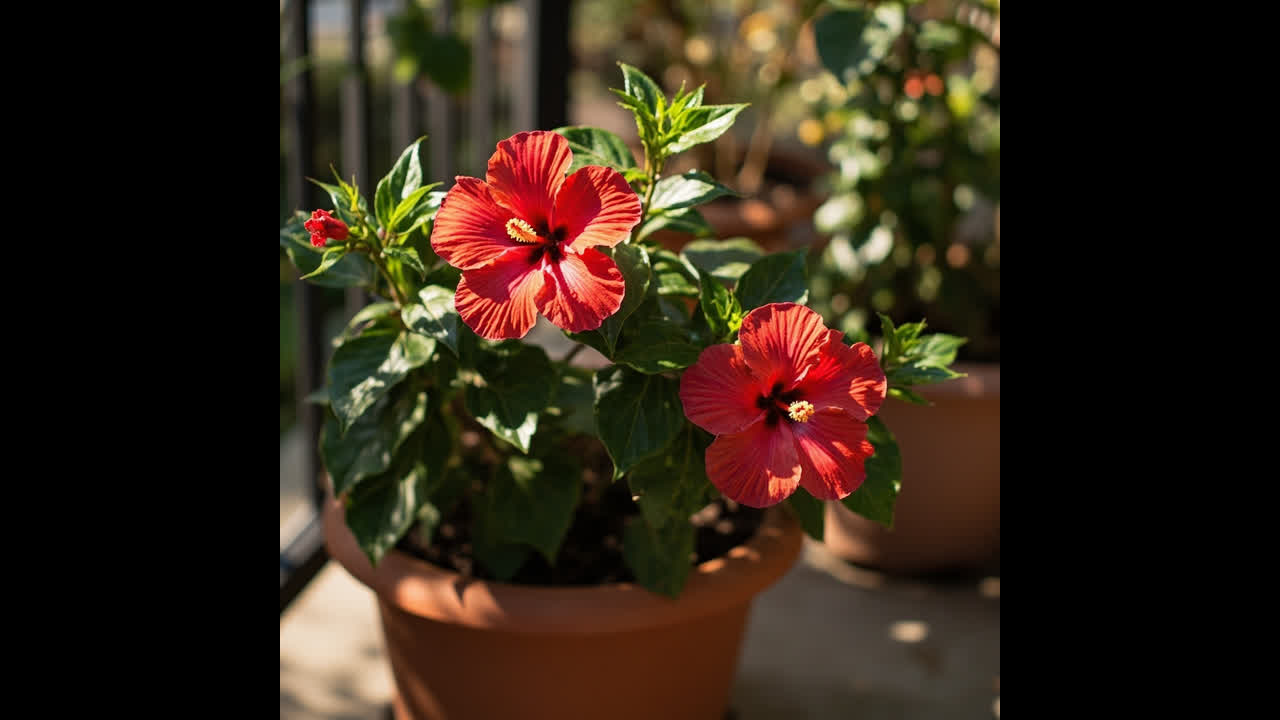
Repotting a hibiscus while it is blooming or setting buds causes bud drop. The stress of root disturbance, the change in soil volume, and the energy the plant needs to expand roots into new soil all trigger reproductive abandonment. The plant drops its buds and redirects resources to root establishment.
This is a common mistake: a hibiscus in a beautiful decorative pot that it has clearly outgrown, and the gardener decides to repot it while it is in full bloom. The plant responds by dropping all its open flowers and buds within days.
The fix: plan repotting for early spring, before active growth resumes and before buds begin to form. If a hibiscus must be repotted during the growing season — because it is root bound and stressed — remove the flower buds before repotting so the plant’s energy goes to root recovery rather than reproductive effort. Buds will re-form within a few weeks after the plant has settled into the new pot.
Cause 5: Nutrient Imbalance
Excess nitrogen causes lush foliage growth at the expense of flower production — and if buds have already formed when nitrogen levels spike, the plant may drop some buds as it reprioritises. Similarly, phosphorus deficiency (especially in alkaline soil) limits the plant’s ability to sustain bud development. If soil pH is wrong and phosphorus is locked out, bud drop can follow even when you are fertilizing.
The fix: use a bloom-boosted fertilizer with higher phosphorus content (e.g., 10-30-20) during the bud development period. Test soil pH and correct if it is above 7.0 — alkaline soil locks phosphorus and prevents the plant from using it properly. See our hibiscus non-blooming guide for the full nutrient and pH picture.
Cause 6: Pest Damage to Buds
Thrips are tiny insects that feed inside unopened flower buds — they tunnel into the bud tissue, damaging the developing floral structures. The bud may still develop to full size but will abort and drop without opening. You may see faint scarring or silvery trails on the outside of the bud if you look closely, but thrips are small enough that visual detection is difficult.
Spider mites and aphids can also damage buds — spider mites cause buds to distort and yellow before dropping; aphids cluster on bud stems and drain the buds of moisture and nutrients.
The fix: inspect buds and bud stems closely with a magnifying glass if possible. If pests are present, treat with insecticidal soap or neem oil, applying to bud surfaces and stems as well as leaves. See our pest identification guide for detailed treatment steps for each pest type.
Diagnostic Checklist for Bud Drop
When bud drop occurs, work through these questions in order:
- Did a cold night occur within days of the bud drop? Yes → Temperature shock. Protect from cold.
- Is the indoor humidity below 40%? Yes → Humidity stress. Boost humidity with pebble tray or humidifier.
- Has the soil been allowed to dry out completely recently? Yes → Drought stress. Establish consistent watering.
- Was the plant repotted or disturbed recently? Yes → Root disturbance. Prevent future repotting during bloom.
- Is the fertilizer high in nitrogen? Yes → Switch to a bloom formula with lower nitrogen, higher phosphorus.
- Are there pests visible on the bud stems or leaf undersides? Yes → Pest damage. Treat for aphids, thrips, or spider mites.
If multiple factors are present, address all of them. Bud drop caused by cold exposure combined with low humidity will not stop until both causes are resolved.
For a complete guide to all hibiscus problems, see our saving a struggling hibiscus guide.
Turn PDF Bank Statements Into Workable Spreadsheets
Your bank statement is a mess of numbers, but your books shouldn't be. Use our converter to get Excel, CSV, or QBO files — ready for QuickBooks.
Try It Free Now