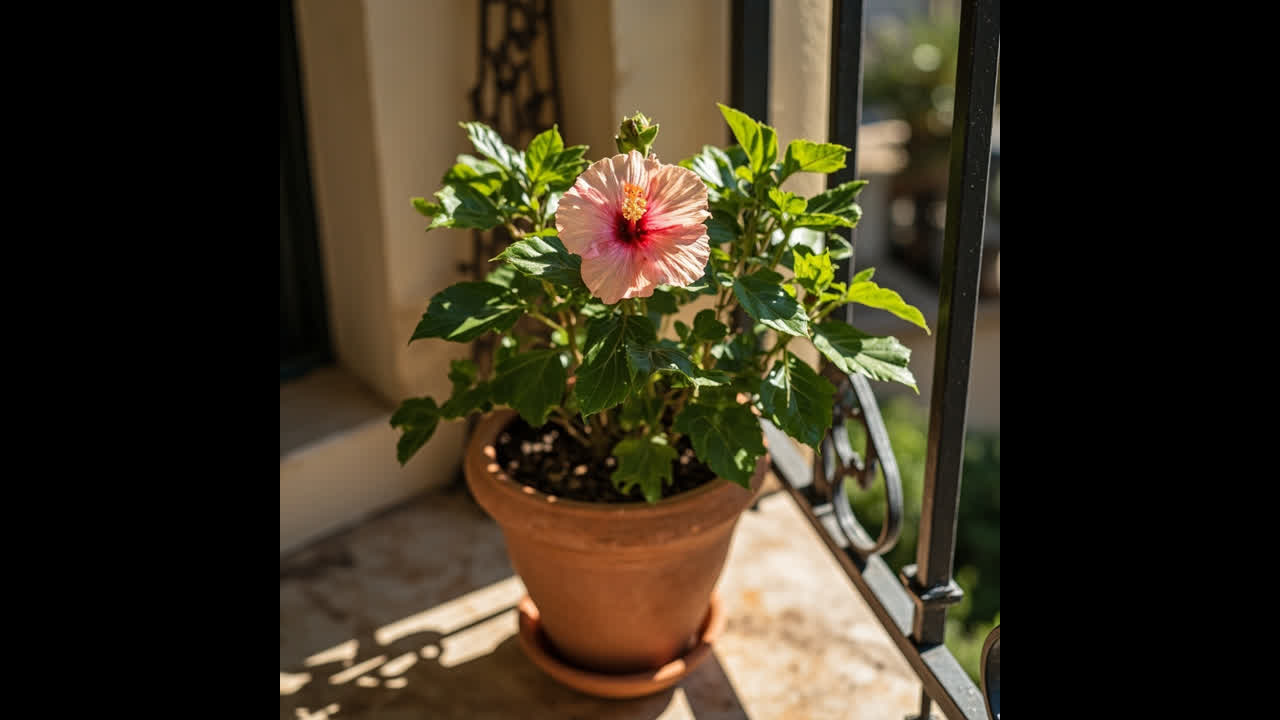
A healthy hibiscus is a significant investment — financially and in terms of the time you will spend caring for it. Yet most people buy one on impulse, based almost entirely on the flower colour they see on the day. That impulse choice is the most common reason plants fail within the first year. Here is how to select a hibiscus that will thrive rather than slowly decline in your care.
Where to Buy Hibiscus
Garden Centres and Nurseries
The best place to buy hibiscus is from a specialist nursery or garden centre, particularly one that grows its own stock rather than dropshipping from a wholesale grower. Plants that have been grown locally are already acclimatised to your climate, which reduces the shock of moving them to your garden.
Look for nurseries that display their hibiscus outdoors — this is a positive sign that the plants are hardened off and ready for garden conditions. Hibiscus that has been kept in a greenhouse and then placed in a garden centre car park may look fine but will suffer transplant shock when you take it home and plant it outdoors.
Online Specialist Growers
Specialist hibiscus growers ship plants that are specifically suited to the destination climate. Many tropical hibiscus sellers in temperate regions grow their stock in controlled environments and ship at the appropriate time of year. You typically cannot order tropical hibiscus in autumn and expect it to arrive in good condition — the grower manages the timing.
When buying online, order for delivery in spring or early summer so the plant has the full growing season to establish before any risk of cold weather. Read the grower’s climate guidance — reputable sellers will specify which varieties are suitable for which zones and will not ship outside the appropriate season.
Big Box Stores
Hibiscus sold through large retail chains is usually mass-produced for the seasonal market. Quality varies significantly. Plants have often been kept in conditions that do not match what you will provide at home — they may be root-bound, pest-ridden, or overwatered. The检疫 and growing conditions are less controlled than at a specialist nursery.
You can find good specimens at big box stores, but you need to inspect carefully (see checklist below). Avoid buying hibiscus that has been sitting on a concrete car park in full sun with no water — the stress damage is already done and the plant will struggle to recover.
How to Inspect a Hibiscus Before Buying
Before committing to any hibiscus — from any source — do a physical inspection. This takes two minutes and tells you more than any label will:
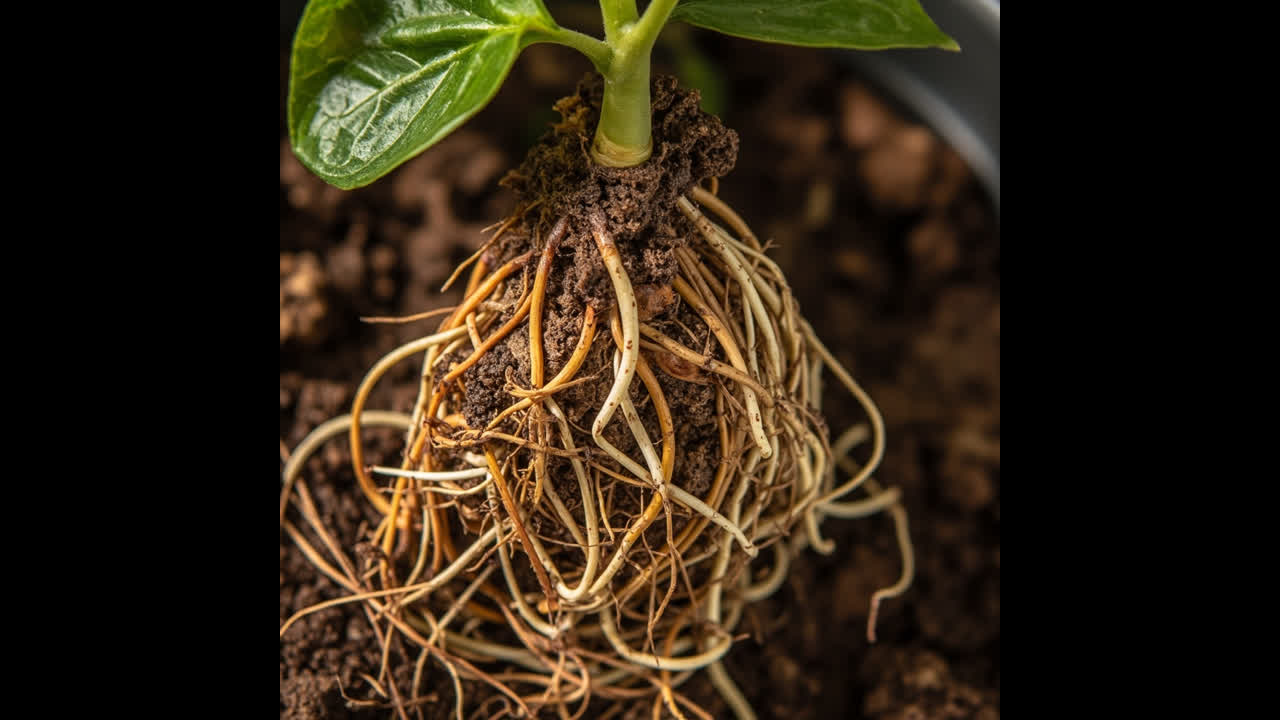
- Check the roots: Gently tip the pot and slide the root ball out slightly. White, firm roots are healthy. Brown, mushy, or smelly roots indicate root rot — do not buy. If the plant is completely root-bound (roots coiled in a dense circle at the pot base), it has been neglected and will struggle to establish.
- Check the leaves: Look for dark spots, powdery residues, sticky surfaces (aphid honeydew), or fine webbing on leaf undersides (spider mites). A few minor yellow leaves at the base are normal — widespread yellowing, especially across the whole plant, is not.
- Check new growth: The growing tips should be green and firm, not brown or wilted. New leaves should be a healthy medium green — not pale, not yellow, not browning at the edges.
- Check for flower buds: Plants with multiple flower buds at various stages of development are actively growing and in good health. A plant with only open flowers and no buds may have been in the same pot too long and has finished its current bloom cycle.
- Check the soil: The soil should be slightly moist — not bone dry (underwatered) and not waterlogged (overwatered). Lift the pot: if it feels abnormally heavy, the soil is saturated and root rot is likely. If it is extremely light, the plant has been drought-stressed.
Common Buying Mistakes to Avoid
Buying Based on Flower Colour Alone
The flower is the last thing you should judge a hibiscus by. Hibiscus blooms last one to three days per flower — what matters far more is how many flower buds are forming, how healthy the foliage is, and what the root system looks like. A plant with dull flowers but strong growth is a better buy than one with one spectacular bloom but pale, pest-ridden leaves.
Buying the Largest Plant in the Smallest Pot
Nurseries often keep hibiscus in pots that are far too small for the plant — they limit growth to keep the plant saleable for longer. A large hibiscus in a small pot is root-bound and has been stressed for months. This plant will need immediate repotting when you get it home, and it may take an entire growing season to recover. Look for a plant whose size is appropriate to the pot it is growing in — balanced, not cramped.
Buying Out of Season
Tropical hibiscus sold in garden centres in autumn is often being cleared at the end of the seasonal selling window. Buying in September or October means you will need to bring the plant indoors almost immediately in temperate climates, and it will spend the first weeks in a very different environment than it was grown in. Spring and early summer purchases give the plant the full season to establish in your conditions.
Ignoring the Plant’s Future Space Requirements
A small hibiscus in a 15 cm pot will, in two years, be a large plant in a 30 cm pot. Before buying, consider where the plant will go and whether you have the space to accommodate it as it matures. Dwarf varieties (30–60 cm mature height) suit small balconies and indoor positions. Standard tropical hibiscus can reach 2–3 metres — make sure you have the room for the mature plant, not just the specimen on the shelf.
What to Do When You Get Your Hibiscus Home
- Do not repot immediately unless the plant is severely root-bound. Give it two to three weeks to acclimatise to your home conditions before making any changes.
- Place in the brightest available spot — south-facing window if indoors, or partial shade outdoors for the first few days before moving to full sun.
- Water when the top 2–3 cm of soil is dry — do not follow a schedule, check the soil first.
- Do not fertilize for the first month — the plant needs to establish roots before it can process nutrients.
- Check for pests — spider mites and aphids are common on new hibiscus. Inspect the undersides of leaves weekly for the first month.
For the full care guide for tropical hibiscus, see our hibiscus care guide. For a complete recovery plan if your new plant struggles, see saving a struggling hibiscus.
Turn PDF Bank Statements Into Workable Spreadsheets
Your bank statement is a mess of numbers, but your books shouldn't be. Use our converter to get Excel, CSV, or QBO files — ready for QuickBooks.
Try It Free Now