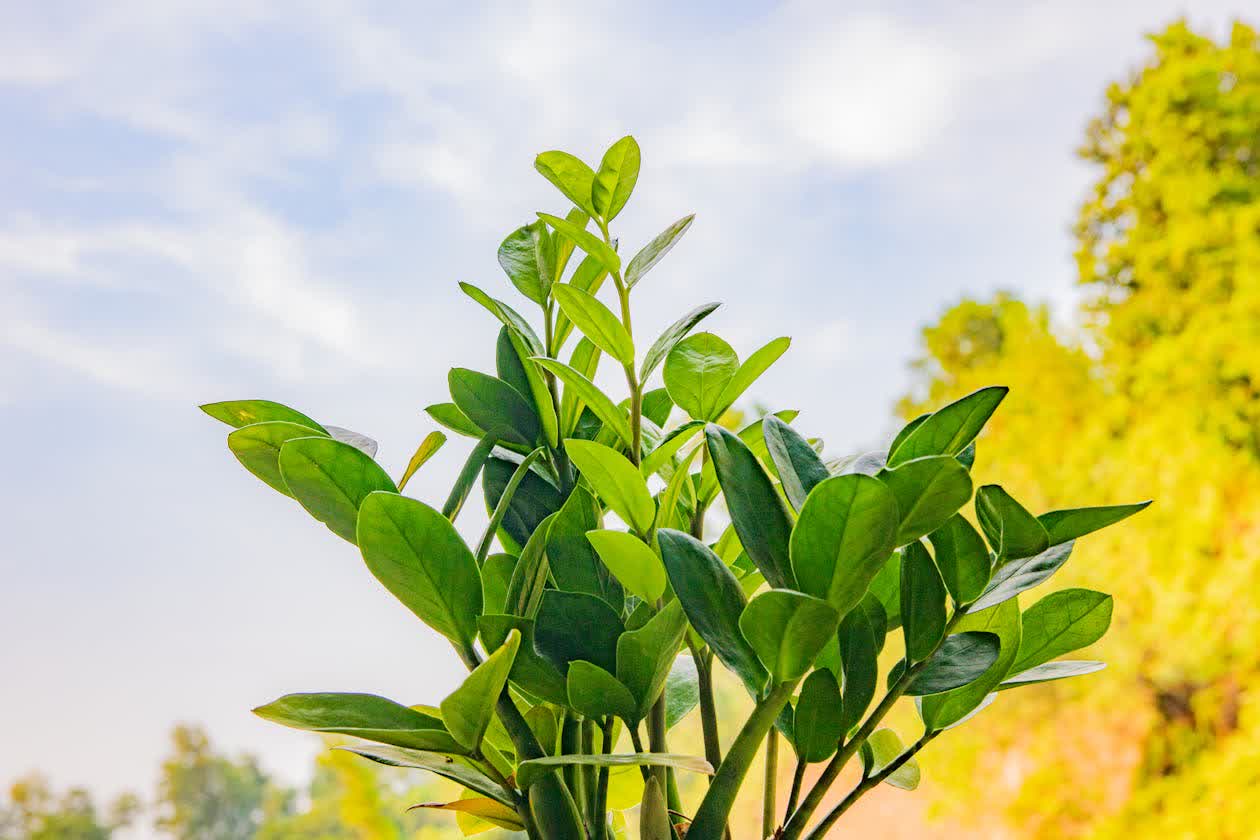
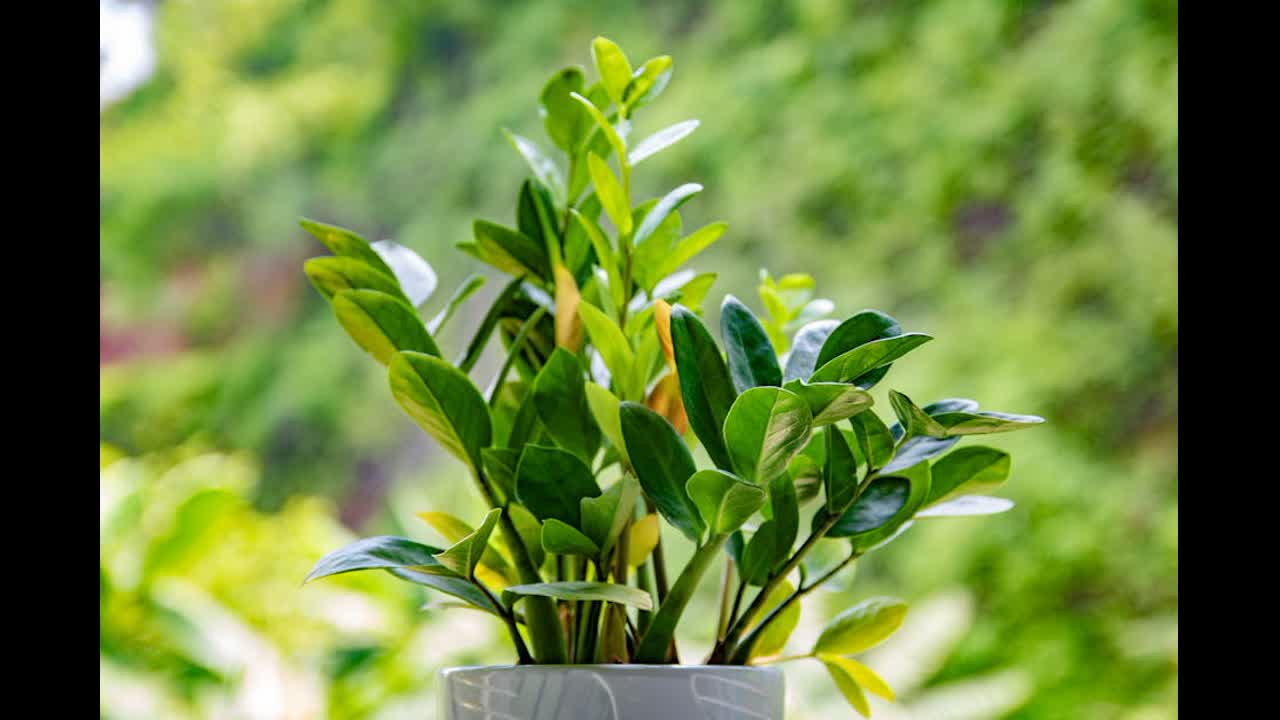
The ZZ plant (Zamioculcas zamiifolia) has a reputation for being nearly indestructible, which makes it especially frustrating when the leaves start turning yellow. The plant tolerates low light, infrequent watering, and poor soil better than almost any other houseplant — until it doesn’t. Yellowing leaves on a ZZ plant are one of the clearest signals that something in the care routine has gone wrong, and unlike the slow decline of many other plants, ZZ yellowing can progress quickly once it starts.
This guide covers the specific causes of ZZ plant yellowing, how to distinguish between them, and the steps to recover the plant before the damage reaches the rhizomes.
What Causes ZZ Plant Leaves to Turn Yellow
ZZ plants store water and nutrients in their rhizomes — thick, potato-like underground structures — which makes them unusually resilient to drought and inconsistent care. That same mechanism is also why yellowing on a ZZ plant can appear sudden and severe: the plant has been compensating for a problem in the roots for weeks before the leaves show it. By the time the yellowing becomes obvious, the underlying cause has usually been present for a while.
The most common causes, in order of frequency: over-watering, root rot, cold shock, underwatering in extreme cases, and nutrient deficiency in severely neglected plants. Each produces a slightly different pattern of yellowing, and knowing which one you’re dealing with determines whether the plant can be saved.
The Over-Watering Pattern
Over-watering is by far the most common cause of ZZ plant yellowing. The plant’s rhizomes store enough water that it can survive weeks without watering in most indoor conditions. When watered too frequently — before the soil has dried sufficiently — the rhizomes stay saturated, root tissues begin to break down, and the leaves yellow as the root system fails to deliver water and nutrients to the stems.
The tell-tale pattern: yellowing that starts on the lower, older leaves and spreads upward. The yellowing is typically diffuse — the whole leaflet turns yellow rather than developing spots. The stems may feel soft or slightly mushy near the base, and the soil stays wet for days after watering.
Root Rot: The Underlying Cause of Most ZZ Yellowing
Root rot in ZZ plants is almost always a consequence of over-watering or inadequate drainage. The rhizomes are surprisingly sensitive to prolonged saturation — they evolved in seasonally dry African forests, not waterlogged soil. When root rot sets in, the plant essentially loses its ability to absorb water, which paradoxically makes the leaves look like they’re drying out even though the soil is wet.
What happens next: if left untreated, the yellowing spreads from individual leaves to entire stems, which then collapse. The collapse can happen quickly — within days of the yellowing becoming visible — because the plant has been running on compromised rhizome reserves. At this point, recovery is possible only if you remove all the affected tissue and repot in fresh, fast-draining soil.
How to Diagnose ZZ Plant Yellowing: Step by Step
Step 1: Check the soil moisture. Insert your finger 2–3 inches into the soil. If it’s wet or cool to the touch, stop watering immediately and do not water again until the soil is completely dry. This alone will stop the yellowing from spreading if the cause is over-watering.
Step 2: Look at the stems. Gently press on the stem bases where they emerge from the soil. If they feel firm, the rhizomes are likely still healthy and the plant has a good chance of recovery. If they feel soft, mushy, or have a hollow quality, the rhizomes have begun to rot.
Step 3: Smell the drainage holes. Root rot produces a distinct sour, rotting smell — distinctly different from the earthy smell of healthy potting mix. If you smell rot, the roots need to be removed.
Step 4: Examine the pattern. Diffuse yellowing across many leaves = over-watering or nutrient deficiency. Yellowing that starts on the newest growth at the tips = cold shock or chemical burn from fluoride in tap water. Yellowing with brown spots = fungal leaf infection (less common but possible in high-humidity conditions).
What happens next: if the soil is wet and the stems are firm, reduce watering and let the soil dry completely before watering again. If the stems are soft, proceed to the recovery steps below.
Saving a ZZ Plant with Yellowing Leaves
When the yellowing is caught early and the rhizomes are still firm, recovery is straightforward. When the rhizomes have begun to rot, recovery requires removing all affected tissue — which can mean taking the plant out of the pot entirely.
Step 1: Remove the plant from its pot and shake off all the soil. Rinse the rhizomes gently with clean water to see their condition clearly.
Step 2: Cut away all soft, brown, or mushy rhizome sections with a clean, sharp knife. Healthy rhizomes are firm and range from pale yellow to creamy white in color. Discard all rotted tissue — do not try to save partially rotted rhizomes.
Step 3: Let the cut rhizomes air-dry for 2–3 hours in a dry, shaded location. This allows the cut surfaces to callous over, which reduces the risk of reinfection when you repot.
Step 4: Repot in a clean pot with fast-draining soil — a mix of standard potting mix with perlite at roughly a 3:1 ratio works well for ZZ plants. Do not water for at least 5–7 days after repotting. The rhizomes already have sufficient moisture reserves, and adding water before roots have re-established encourages re-rot.
Step 5: After 5–7 days, water lightly — just enough to dampen the soil without saturating it. Then return to the normal watering rhythm: let the soil dry completely before watering again.
What happens next: if the plant recovers, you’ll see new growth emerging from the soil within 4–6 weeks. The yellowed leaves on the existing stems will not recover — they should be removed at the base to direct the plant’s energy toward new growth. If no new growth appears after 8 weeks, the rhizomes may have been more damaged than initially assessed.
Preventing Re-Occurrence
The single most important change to make: water only when the soil is completely dry. Not mostly dry — completely dry. The ZZ plant will show no stress from this; the leaves stay firm and the stems stay upright. The stress of over-watering is what kills them. Invest in a moisture meter if you’re prone to watering too early — they’re inexpensive and take the guesswork out of the top few inches of soil.
The trade-off: in very dry indoor environments (heated apartments in winter, for example), the soil may dry faster than the plant can tolerate, causing the oldest leaves to yellow from underwatering. If the soil dries out completely in under a week and the plant shows stress, switch to a slightly larger pot with more soil volume — the additional soil retains moisture slightly longer without staying wet.
Cold Shock and Environmental Causes
ZZ plants are sensitive to cold — more so than most houseplants. Exposure to temperatures below 45°F (7°C) for even a few hours can cause the leaves to yellow, typically starting at the tips and edges of the leaflets and working inward. The yellowing is sharper and more localized than the diffuse pattern of over-watering, and the stems may appear slightly limp even before the leaves yellow.
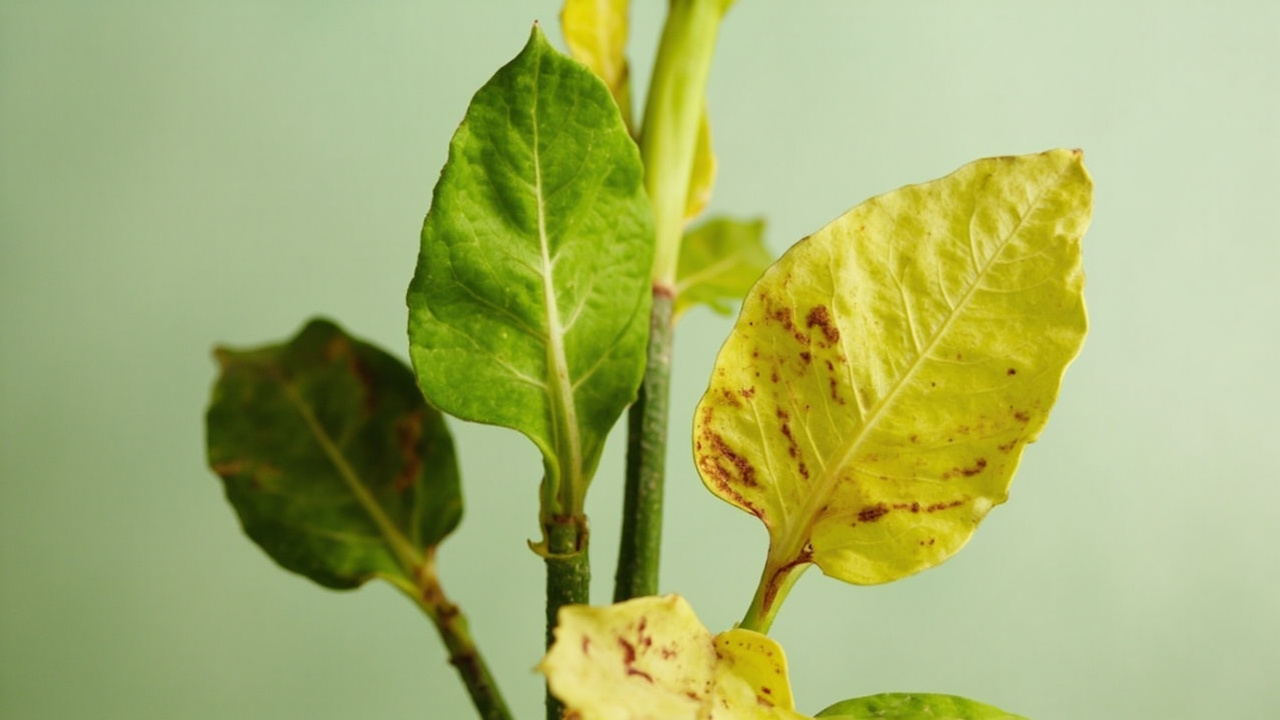
Cold shock most commonly happens when a ZZ plant is purchased and transported in winter, placed near a cold window or doorway, or exposed to cold drafts from air conditioning vents running in summer. The fix is straightforward: move the plant to a warmer position (60–75°F / 16–24°C is the ideal range) and remove any yellowed leaves. The plant should stabilize within a week if the cold exposure was brief.
A less common cause is chemical burn from dissolved salts in tap water, similar to what affects palms and ferns. ZZ plants are more tolerant of tap water than ferns, but in areas with very hard water or high fluoride content, persistent tip yellowing on otherwise healthy ZZ plants can trace back to water quality. Switching to filtered water for a month and monitoring for improvement is the diagnostic step.
Light Stress and Direct Sun Exposure
ZZ plants tolerate low light better than almost any other houseplant, but they don’t thrive in it. In very low light conditions — a room with no windows, or a windowless interior corner — the plant survives but doesn’t grow. Leaves that do emerge come in pale and washed out. This isn’t yellowing in the conventional sense, but it’s a signal that the plant isn’t getting enough light to sustain healthy growth.
The trade-off: moving a ZZ plant from very low light to direct sun will scorch it — the leaves will develop bleached, tan patches and may yellow. Any repositioning should be gradual, especially from low light to brighter positions.
ZZ Plant Yellowing vs. Natural Leaf Aging
ZZ plants naturally shed their oldest leaves — which are typically the outermost, lowest stems — as they grow. These leaves turn yellow briefly and then brown before dropping, and the process affects one or two leaves at a time, not all the leaves simultaneously. If the plant is otherwise healthy — firm stems, consistent growth, no wet soil — and only the oldest leaves are yellowing and dropping, this is normal and no intervention is needed.
The difference between natural aging and a problem: check whether new leaves are emerging. A healthy ZZ plant in good conditions produces new stems and leaves regularly. If new growth is present while old leaves yellow and drop, the plant is fine. If the yellowing is spreading to newer stems, or if growth has stopped entirely, something is wrong.
If your ZZ plant has been severely over-watered and the rhizomes have rotted beyond recovery, our guide to ZZ plant root rot covers the full recovery process including propagation from remaining healthy leaf cuttings.
For general ZZ plant care to prevent yellowing and other issues, our complete ZZ plant care guide covers watering, light, soil, and fertilization in detail.
Yellowing leaves are often the first visible sign of root rot, which is the most common fatal condition in over-watered houseplants. Root rot explained covers the mechanism, early signs, and prevention strategies that apply to all houseplants, ZZ included.
Turn That PDF Into a Spreadsheet in Minutes
You've seen how to do it manually — now let the tool handle the heavy lifting. Upload your bank statement and get Excel, CSV, or QBO in a few clicks.
Try It Free