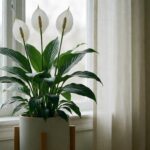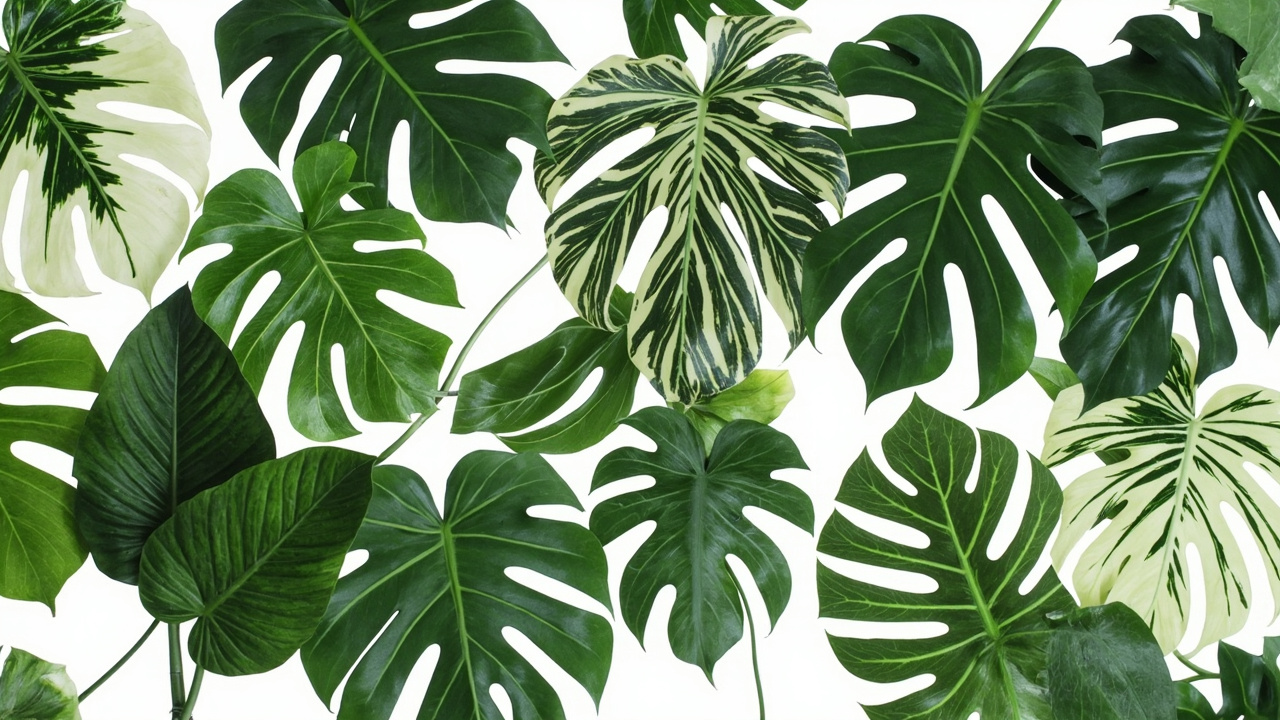

Monstera is having a moment — and a complicated one. The genus has been split, reclassified, and debated by botanists while houseplant enthusiasts have collectively lost their minds over variegated cuttings selling for hundreds of dollars. The basic question — what kind of Monstera should I grow — is now tangled up with questions of rarity, authenticity, and the peculiar economics of tropical houseplant collecting.
This guide cuts through that noise. It covers the most common and notable Monstera varieties, what actually differentiates them, and what to expect in terms of care, growth rate, and leaf development in typical indoor conditions.
The Monstera Genus: What’s Actually in the Trade
The most widely available Monstera species in the houseplant trade is Monstera deliciosa — the classic split-leaf philodendron with large, fenestrated leaves that gave the whole genus its houseplant reputation. But the plant most commonly labeled “Monstera deliciosa” in garden centers is increasingly something different, which is a useful place to start.
Botanical reclassification in the 2010s split what was called Monstera deliciosa into at least three distinct species: Monstera deliciosa (large, highly split leaves, native to southern Mexico and Central America), Monstera deliciosa “Borsigiana” (a legal but commercially misused name for a smaller-growing form), and Monstera standleyana (a separate species formerly called Philodendron or Monstera, now correctly reclassified).
The practical consequence: the “Monstera” you bought from IKEA or a big-box garden center may or may not produce the large, dramatically split leaves that make the genus famous. Many commercial specimens are raised from seed or cuttings that produce small, unsplit leaves for years. That’s not a defect — it’s just the plant’s genetics expressing themselves differently than expected.
What Determines Leaf Size and Fenestration
Monstera leaf fenestration — the split-leaf pattern — develops as the plant matures and is influenced by several factors. The most important: age and size of the plant, light availability, and overall health. A young Monstera will produce entire (unsplit) leaves regardless of species. A mature Monstera that receives enough light will produce fenestrated leaves. A Monstera in low light may never fenestrate at all, even if it’s decades old.
Light is the dominant factor. In the understory of Central American rainforests, Monstera deliciosa receives bright, indirect light filtered through the forest canopy — and it fenestrates accordingly. Indoors, the same species in a low-light corner may produce small, solid leaves indefinitely without ever developing the characteristic splits and holes.
What happens next: if you’re growing a Monstera that isn’t fenestrating, the first intervention is more light — not more water or fertilizer. Move it closer to a window, or add a grow light, and monitor for fenestration development over 3–6 months.
Monstera Varieties: A Practical Guide
Monstera Deliciosa
The classic. Large, heart-shaped leaves that develop deep splits and oval perforations (“fenestrations”) as they mature. When fully mature with good light, the leaves can reach 2–3 feet in length. This is the plant most people picture when they think “Monstera.”
Indoors: needs bright, indirect light to develop its characteristic fenestration. Growth rate is moderate to fast in good conditions — 2–4 new leaves per growing season is typical for a healthy specimen. Produces long, trailing aerial roots that can be trained up a moss pole or coir pole to support the plant as it climbs.
Trade-off: it gets large. A well-grown Monstera deliciosa can reach 8–10 feet indoors over time, with leaves that span 2 feet or more. Make sure you have the vertical space and the pot stability to accommodate that before committing.
Monstera Adansonii (Monkey Mask)
Distinctly different from M. deliciosa in leaf shape — narrower, more ovate, with smaller, more numerous perforations that give the leaf a lace-like quality. The holes are more uniform and the overall leaf is smaller, making it better suited to smaller spaces.
Distinct from M. deliciosa: it has a more compact, trailing growth habit and is more tolerant of low light conditions. The leaves are smaller (rarely exceeding 12 inches indoors) and the fenestration appears earlier in the plant’s development — even young specimens produce perforated leaves.
Note: there is ongoing taxonomic confusion between M. adansonii and M. obliqua, a rare species that is frequently mislabeled in the trade. If a plant labeled “Monstera adansonii” has very small, highly perforated leaves with mostly hole and very little leaf tissue, it may be a M. obliqua variant. True M. obliqua is extremely slow-growing and rarely found in commercial horticulture.
Monstera Albo Variegata
The plant that launched the houseplant luxury market. Monstera albo features white variegation — sectoral or half-moon patches of white covering portions of the leaf surface. Each leaf is genetically unique in its variegation pattern, which is why individual cuttings command wildly different prices based on the percentage and placement of white on each leaf.
The trade-off: albo variegation is unstable. A cutting that produced 50% white variegation when it was rooted can produce a completely green leaf next, or revert to all-white (which is non-viable and will die). Growing an albo requires accepting that variegation will fluctuate, and that a reverted all-green section may need to be cut off to encourage the variegated sections to grow.
Additionally: white variegated sections have no chlorophyll. That means the variegated parts of each leaf are functionally weaker, more prone to browning, and more susceptible to sun damage than green sections. Albo Monstera needs more light than solid green Monstera to compensate — but not direct sun, which will burn the white sections almost immediately.
Monstera Thai Constellation
The other major variegated variety, this one featuring stable, pattern-specific cream to yellow variegation across the leaf surface. Unlike the albo, Thai Constellation variegation is genetically stable — the pattern is consistent across all leaves and the plant does not revert.
The appearance is different: where albo has stark white patches, Thai Constellation has creamy, somewhat more muted cream-colored variegation that appears to be embedded in the leaf tissue, creating a marbled look rather than block patches.
Care requirements are similar to albo: bright, indirect light to maintain the variegation, careful watering to avoid over-watering (white sections are more vulnerable to rot), and protection from direct sun. Growth rate is slower than solid green M. deliciosa because the variegated sections are less efficient at photosynthesizing.
Monstera Siltepecana
A climbing Monstera species with elongated, silvery-green leaves with darker green veins. The juvenile form looks quite different from the mature form — younger plants have more pronounced silver coloration, while mature plants produce larger, less silver-tinted leaves with more fenestration.
Less common in mainstream horticulture but well-established among collectors, Siltepecana is a good choice for terrarium-style displays or for growing on a trellis or support where the juvenile foliage can be showcased.
Monstera Pinnatipartita
An uncommon but distinctive species with deeply pinnate leaves — meaning the leaf blade is divided into separate leaflets along the midrib in a pattern that makes the whole leaf appear feather-like, rather than the single-blade fenestrated pattern of M. deliciosa.
Rare in commercial horticulture; primarily found through specialty growers or collector exchanges. Growth is slow compared to M. deliciosa, and it requires consistent warmth and humidity to thrive.

Choosing the Right Monstera for Your Space
The choice most people face isn’t “which variety is best” — it’s “which Monstera variety will actually survive my growing conditions.” Here is the practical breakdown:
Bright indirect light available: any variety will work, but you’ll need M. deliciosa or M. adansonii to get the dramatic fenestration that makes Monstera distinctive. Without sufficient light, even the best M. deliciosa will produce small, solid leaves.
Moderate to low light: M. adansonii is the most forgiving for lower light conditions. M. deliciosa will survive but won’t thrive or fenestrate. Variegated varieties (albo, Thai Constellation) need more light than solid green varieties to maintain their variegation — low light will cause the variegated sections to regress.
Limited space: M. adansonii or compact growing varieties will be more manageable than M. deliciosa, which can dominate a room over time.
Humidity above 60%: all Monstera varieties prefer it and will grow better with it. In dry climates or air-conditioned spaces, M. deliciosa handles lower humidity somewhat better than M. adansonii, but all will show brown leaf edges below 40% humidity without supplemental humidity.
What About Monstera Standleyana?
Formerly labeled as a Monstera species and sometimes still found under that name, Monstera standleyana (also called Philodendron standleyana) is a separate genus. It has small, oval leaves that are typically solid green, though variegated forms exist in the trade. It’s a better choice than true Monstera for very small spaces or low-light conditions, but it’s not what most people are looking for when they ask about Monstera varieties.
Monstera Care Across All Varieties: What Actually Matters
Despite the variety in appearance, all Monstera species share the same basic care requirements — and getting these right matters more than chasing rare varieties:
Light: bright, indirect. Direct sun burns the leaves, particularly on variegated varieties. Low light causes slow growth and no fenestration. East or north-facing windows are ideal. South or west-facing work if the plant is placed back from the window or behind a sheer curtain.
Water: let the top 2–3 inches of soil dry before watering thoroughly. Monstera are more tolerant of occasional drought than over-watering. Root rot from over-watering is the most common cause of Monstera death, especially in pots without adequate drainage.
Support: all Monstera species are climbers. Without support (moss pole, coir totem, wooden stake), they grow outward rather than upward, producing smaller leaves. A proper support encourages larger leaves and better fenestration.
Temperature: 65–85°F (18–29°C). They are not frost-tolerant and should not be placed near cold windows or drafts in winter.
What happens next: with consistent care — proper light, correct watering, adequate support — a Monstera will produce 2–4 new leaves per season and will need repotting every 1–2 years. The dramatic fenestration typically begins appearing when the plant has produced at least 6–8 mature leaves and has reached roughly 3 feet in height.
For detailed care instructions across all Monstera varieties, our Monstera deliciosa care guide covers watering, light, soil, and support in depth. While written for M. deliciosa specifically, the core principles apply across most Monstera species available in the trade.
If you’re dealing with root or leaf problems on your Monstera, our Monstera root rot guide covers diagnosis and recovery for the most common Monstera health issue. Monstera common problems covers the full range of issues that affect Monstera plants indoors.
For propagating your Monstera, our Monstera propagation guide explains the stem cutting method step by step — including why node identification is the critical skill for successful propagation.
Turn PDF Bank Statements Into Workable Spreadsheets
Your bank statement is a mess of numbers, but your books shouldn't be. Use our converter to get Excel, CSV, or QBO files — ready for QuickBooks.
Try It Free Now