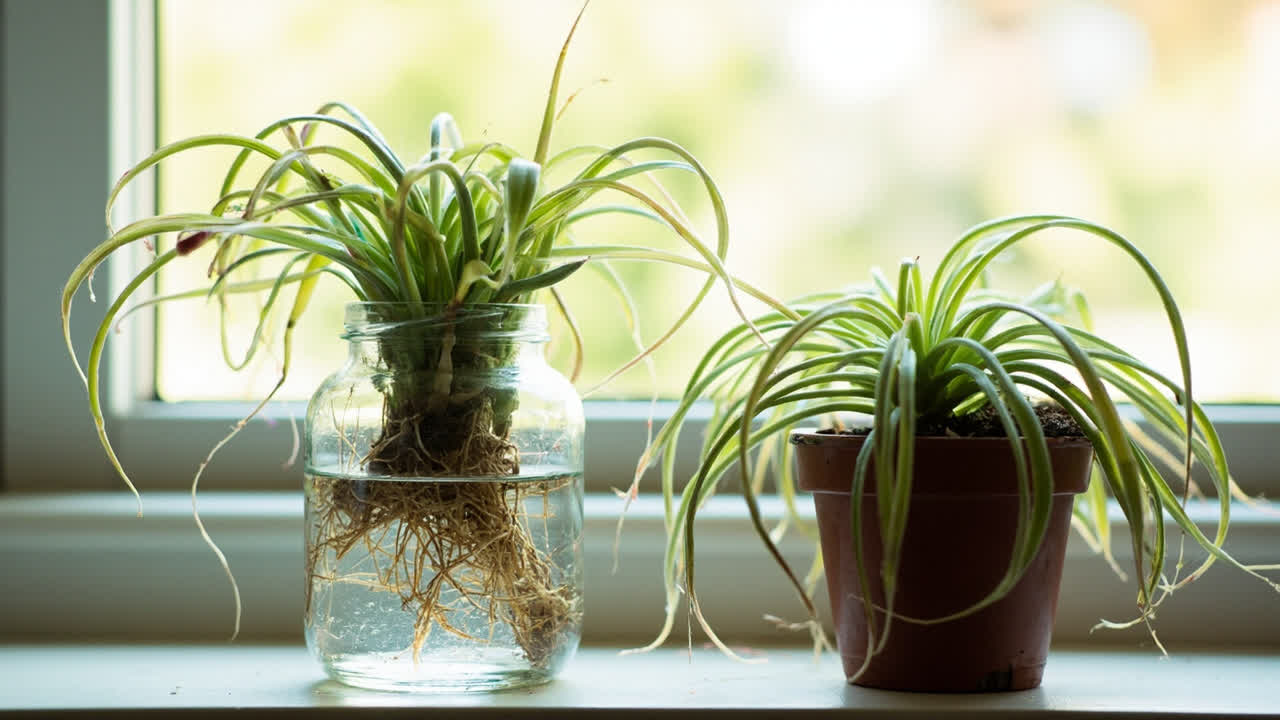
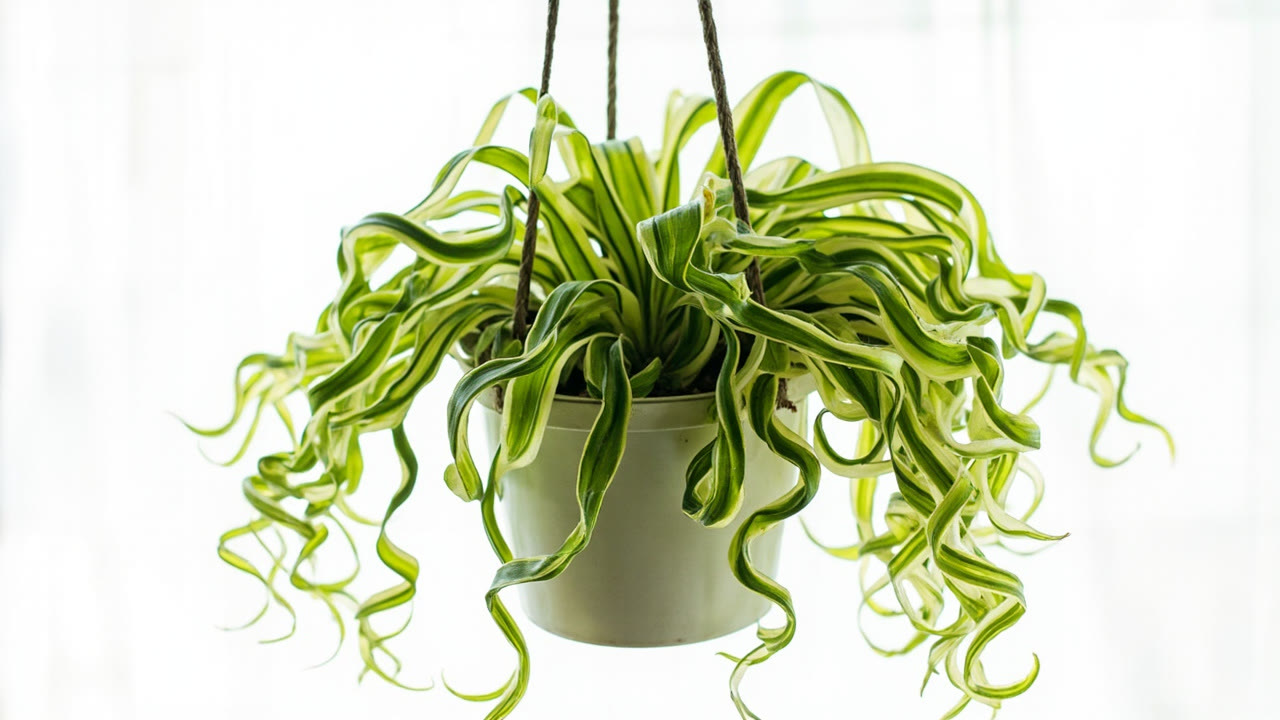
Spider plants are one of the best choices for hanging baskets, but they are not the only option. If you are deciding between spider plants and other hanging plants, or if you want to compare spider plants against the alternatives, the key factors are visual impact, care requirements, light tolerance, and the speed at which the plant fills the basket.
Spider Plants vs Pothos
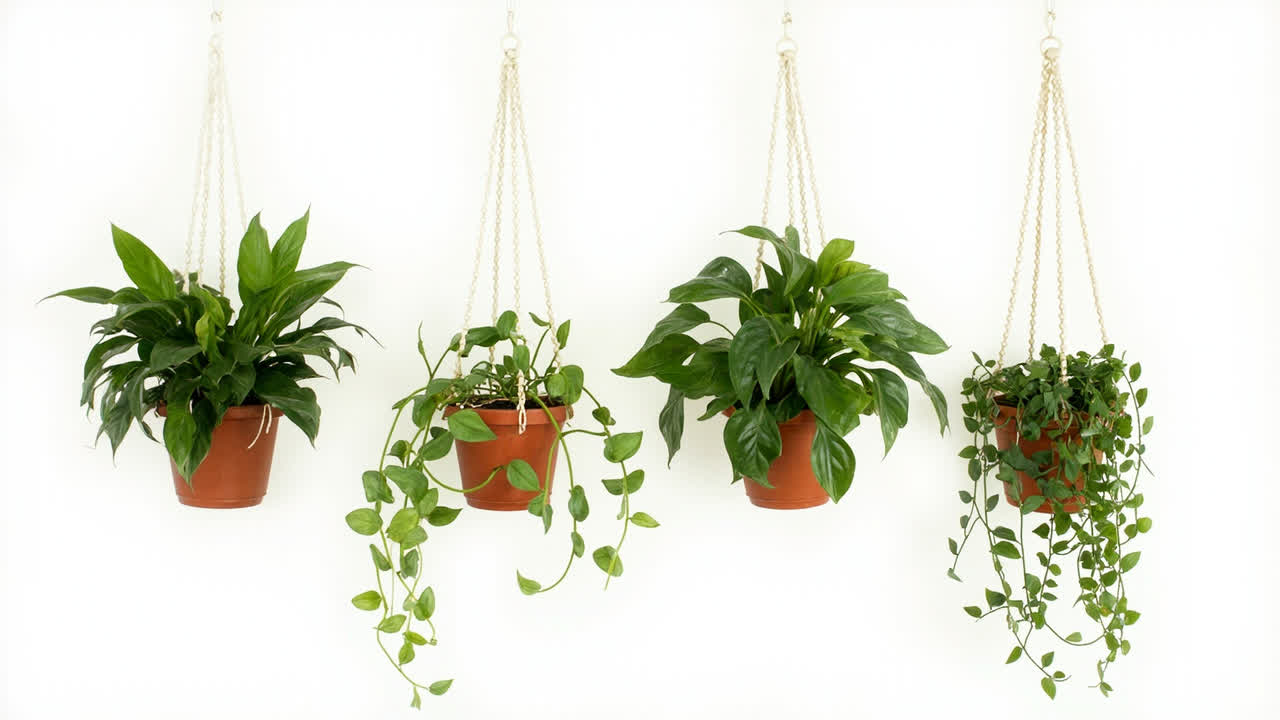
Pothos is the most common spider plant alternative — both are forgiving, fast-growing, and trail beautifully from hanging positions. Pothos grows faster than spider plants in good conditions and produces longer vines more quickly. A pothos in a hanging basket will fill out and start trailing within a few months; a spider plant takes longer but eventually produces a denser, more arching display.
Pothos tolerates lower light more gracefully than spider plants and maintains good foliage colour in darker positions. Spider plants need brighter light to maintain their variegation and stay active. If you have a dark corner, pothos is the better choice. In bright light, spider plants are more visually distinctive because of their variegated leaves and the cascading spiderettes that make them unique.
Spider plants have a cleaner, more structured look — the arching leaves and orderly runners give them a more deliberate appearance than the randomly trailing vines of pothos. Those same arching leaves and runners are what make spider plants ideal for hanging displays — they cascade gracefully without becoming tangled. Pothos looks lush and casual; spider plants look elegant and intentional.
Spider Plants vs English Ivy
English ivy is a classic hanging plant with a very different texture — small, deeply lobed leaves on long trailing stems rather than broad arching leaves. English ivy grows well in cooler temperatures and lower humidity than spider plants prefer, making it better suited to rooms with inconsistent temperatures or air conditioning.
English ivy is more demanding of humidity and air circulation — it can develop red spider mites in very dry conditions and needs better ventilation than spider plants. Spider plants are more forgiving of average household conditions. English ivy also requires more frequent watering in summer and is more susceptible to overwatering in winter.
Visually, English ivy is finer and more delicate than spider plants — the small leaves and trailing stems create a different effect. It is excellent for a natural, woodland look, while spider plants read more as tropical and structured.
Turn any PDF statement into a clean sheet
Skip the typos and the hours of copying. Our converter handles any bank statement format and outputs Excel, CSV, or QBO for QuickBooks. No file retention, free to try.
Convert your statementSpider Plants vs Boston Ferns
Boston ferns produce a lush, dense display of arching fronds and are among the most popular hanging plants for bathrooms and other humid rooms. They require humidity above 60% and bright indirect light — more demanding than spider plants in terms of humidity and less tolerant of low light.
A spider plant in a hanging basket looks intentional and architectural; a Boston fern looks lush and naturalistic. Boston ferns are higher maintenance — they need daily misting in dry climates and consistent moisture in the soil. Spider plants, by contrast, need watering every five to seven days and tolerate average household humidity. General spider plant care is straightforward — water when the soil dries out, provide bright indirect light, and avoid fluoride-heavy tap water. If you want the look of a fern but the ease of a spider plant, a spider plant is the better choice unless you have a consistently humid room.
Spider Plants vs String of Pearls
String of pearls is a succulent with trailing stems of spherical leaves that creates a very different effect from spider plants — fine, delicate, and almost ethereal. It needs bright light, very infrequent watering, and excellent drainage. Spider plants are far more forgiving of inconsistent care and lower light.
String of pearls is a specialist plant that thrives in bright, dry positions — kitchens, windowsills, south-facing positions. Spider plants work across the home. If you have the right conditions for string of pearls — very bright light, very well-drained soil, infrequent watering — it is a distinctive and beautiful hanging plant. For most homes and most people, spider plants are the more reliable choice.
The Spider Plant Advantage
Spider plants remain one of the best all-round hanging plants because they combine visual distinctiveness with forgiveness of care mistakes. The variegated leaves, the arching habit, and the spiderettes on long runners create a display that is identifiable and attractive. The plant tolerates inconsistent watering, low humidity, and a range of light conditions better than most alternatives.
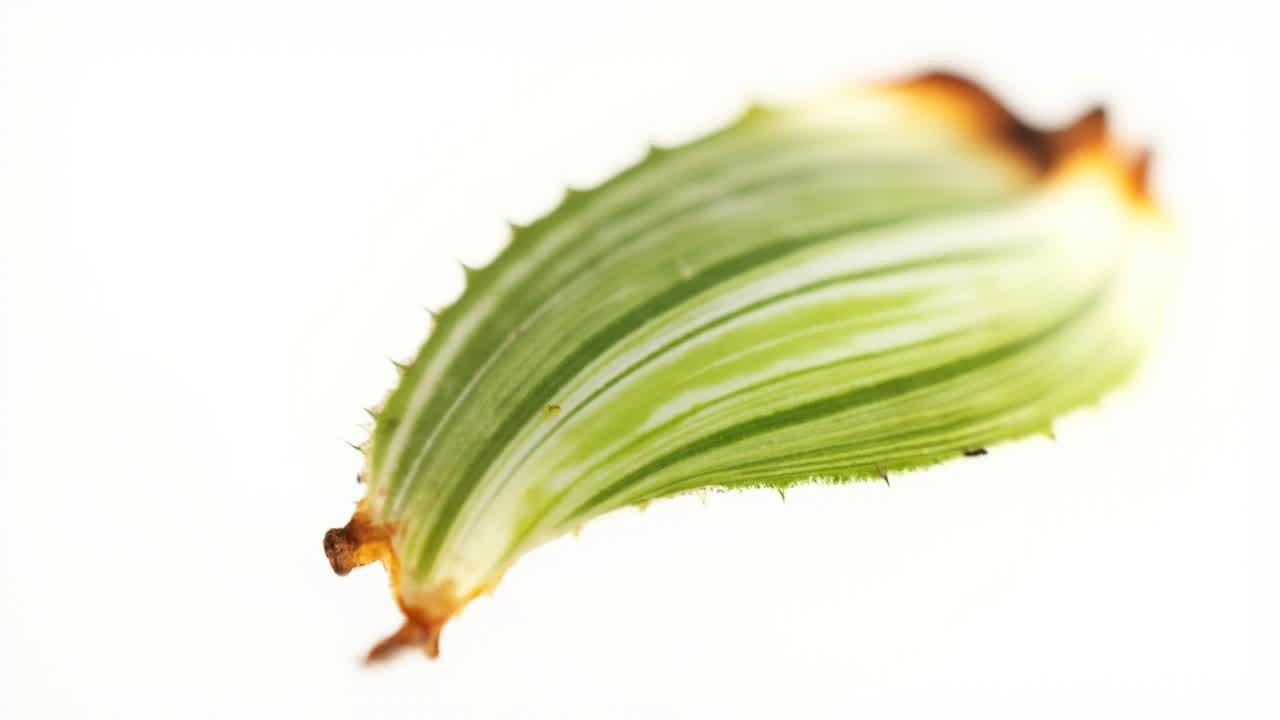
The only significant limitation of spider plants in hanging baskets is their sensitivity to water quality — fluoride in tap water causes brown tips that can make the display look untidy. Using filtered water resolves this. With clean water, a spider plant in a hanging basket is one of the most reliable, attractive, and low-maintenance displays you can have in a home.