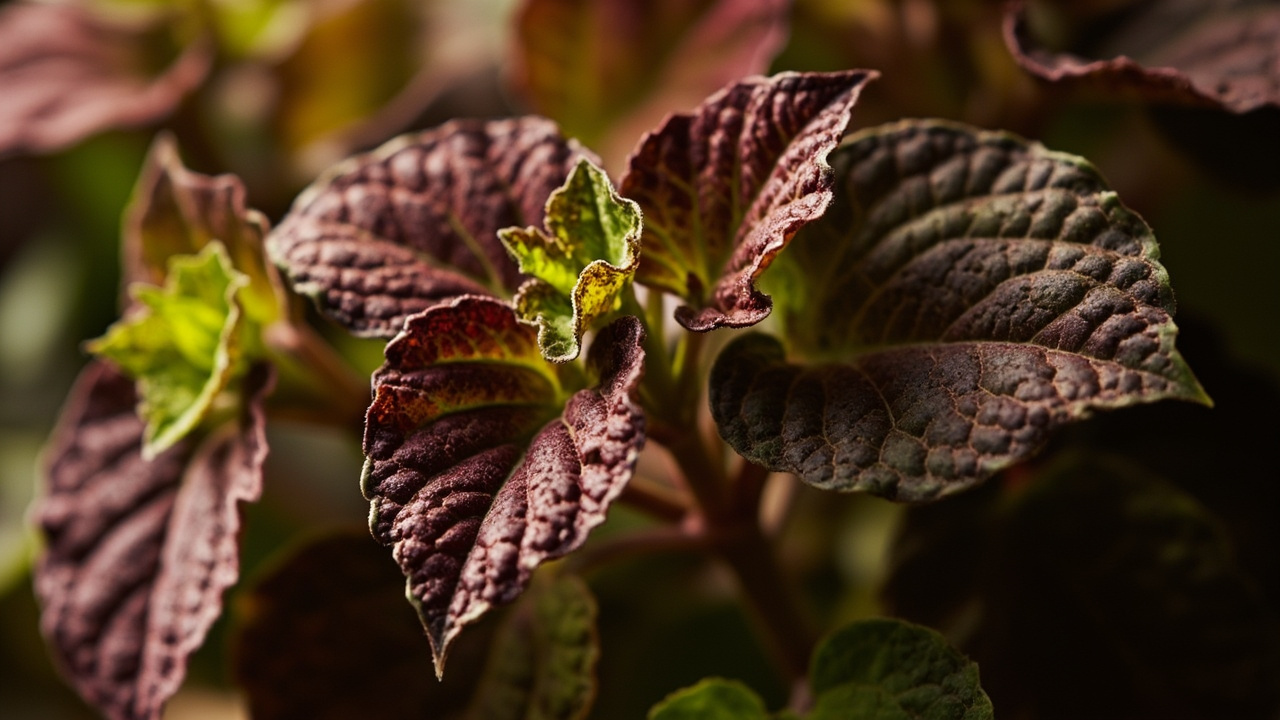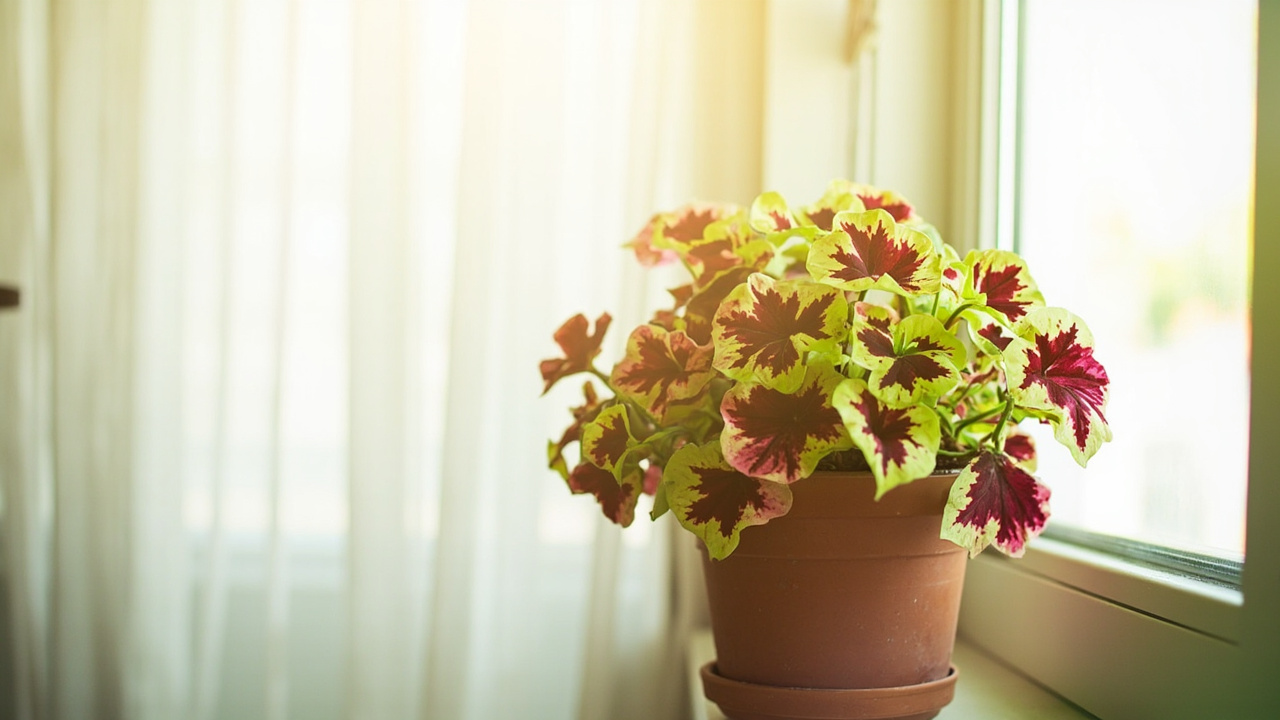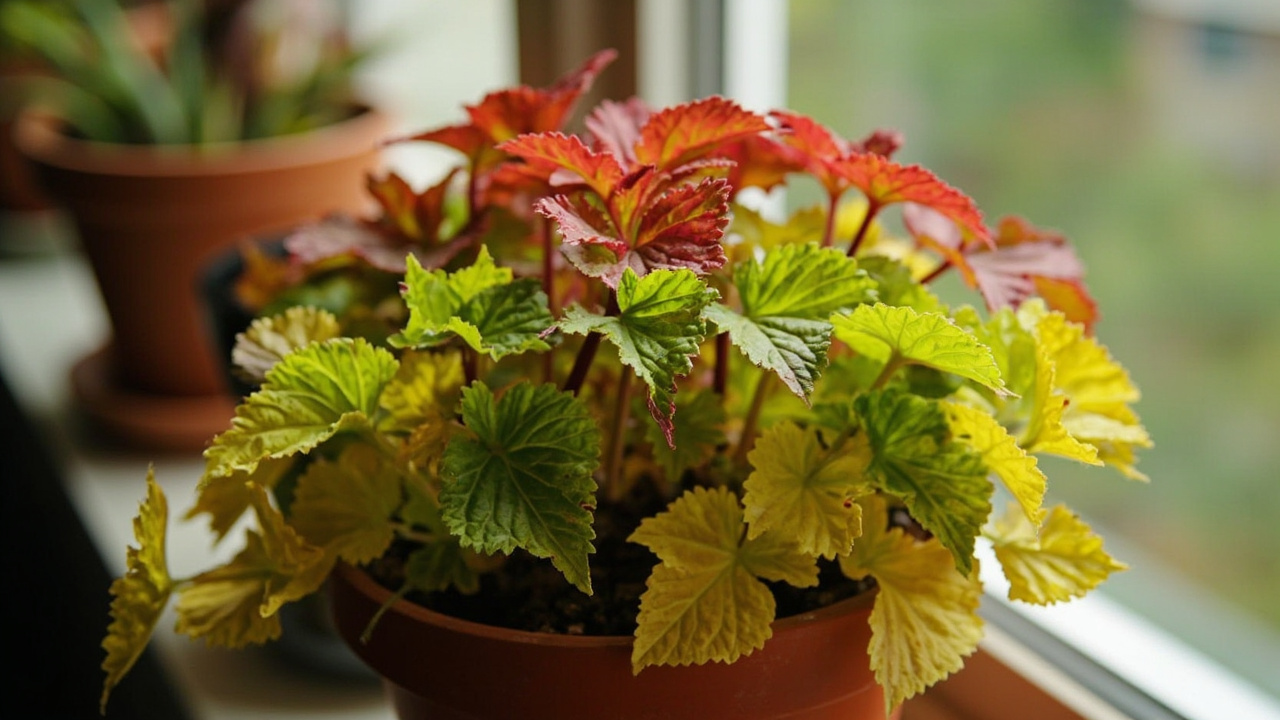

Watering is the single most common cause of coleus death, and it is also the easiest skill to master once you stop following a calendar and start reading the soil. Coleus looks lush and fast-growing, which creates the illusion that it is tough. The opposite is true. Its stems store more water than a typical herb but lack the protective waxy coating that drought-tolerant plants carry, and its thin broad leaves lose moisture rapidly when the soil runs dry.
This guide explains how to water coleus correctly across every season, how to spot the early signs of overwatering and underwatering, and why two identical plants in the same room may need water on completely different schedules. For a complete care overview covering light, soil, and feeding, see the coleus care guide.
Why Watering Is the Hardest Coleus Skill to Master
Coleus (Plectranthus scutellarioides, a member of the lamiaceae or mint family) is often described as an easy plant, and in terms of growth speed and propagation ability, that label is accurate. A stem cutting placed in a glass of water roots within ten days, with roots emerging from the node just below the leaf. A rooted cutting pushed into soil grows visibly day by day during the warm months. But “easy” does not mean forgiving, and watering is the single point where coleus reveals its sensitivity most dramatically.
The reason coleus is unforgiving is anatomical. The stems are succulent-adjacent, meaning they store more water than a typical herbaceous plant but lack the thick, waxy cuticle that protects drought-tolerant species. The leaves are thin and broad, designed for a humid understory environment where water is abundant but light is limited. When the soil dries out, the leaves lose turgor pressure rapidly and curl inward. When the soil stays wet, the stems begin to rot from the inside before any external symptom appears.
This dual vulnerability creates a narrow moisture window. The soil must stay consistently moist but never waterlogged. That sounds simple until you factor in pot size, soil composition, room temperature, humidity level, and seasonal light changes. All six variables shift the window. A plant in a small terracotta pot on a warm windowsill may need water daily in July and weekly in January. The same plant in a large plastic pot on a cool floor may need water every four days in July and every ten days in January. The calendar is useless. The soil is the only reliable indicator.
The Royal Horticultural Society recommends keeping coleus in containers at 40 to 60 percent of field capacity throughout the growing season. Field capacity is the moisture content of soil after excess water has drained away. At 40 percent, the soil feels moist but not wet to the touch. At 60 percent, it feels cool and slightly heavy. Below 30 percent, the plant shows visible wilting within hours. Above 70 percent, root rot begins to develop within days. The target zone is narrow, and staying in it requires checking the soil before every watering decision, not on a schedule.
The Soil Moisture Rule: The Only Schedule You Need
The finger test is the simplest and most reliable method for checking coleus soil moisture. Insert your index finger into the soil to a depth of approximately two centimetres, or about one knuckle. If the soil feels dry at that depth, water thoroughly. If it feels moist, even slightly, wait and check again tomorrow. Do not water because the top surface looks dry. The top centimetre of soil dries faster than the layer beneath, and a dry surface does not mean the root zone is dry.
The weight test is a secondary check that complements the finger test. Lift the pot gently. A pot that feels noticeably lighter than it did two days ago indicates that the soil has lost significant moisture and the plant is likely ready to water. A pot that feels as heavy as usual still has adequate moisture reserves. This test is especially useful for larger pots where the finger test may not reach the root zone accurately.
Combine both tests before making a watering decision. If the finger test says moist and the weight test says heavy, do not water. If the finger test says dry and the weight test says light, water thoroughly until excess drains from the bottom. If the tests disagree, trust the finger test. Moisture distribution in potting mix is rarely uniform, and the finger test samples the layer where most fine roots are concentrated.
The soil mix itself affects how quickly moisture moves through the pot and how reliably the tests reflect true conditions. A peat-based mix with perlite and vermiculite retains moisture longer than a coarse grit-heavy mix. A peat-free compost alternative may drain faster and require more frequent watering, especially in warm conditions. Know what is in your potting mix, because it determines whether you check the soil every two days or every four days.
How Often to Water Really Means: Season by Season
Spring brings increasing light and rising temperatures, both of which accelerate soil drying. A coleus that needed water every five days in March may need water every three days by late April. Watch the plant closely during this transition rather than following a fixed count. The soil moisture rule is the constant. The frequency is the variable.
Summer is the season of highest water demand. Ambient temperatures above 24 degrees Celsius, combined with strong light and typically lower indoor humidity, drive transpiration rates to their annual peak. Most indoor coleus plants in summer need water every one to three days, depending on pot size and position. A small 12-centimetre pot on a warm east-facing windowsill may need water every single day during a heat wave. A large 20-centimetre pot in a cool, shaded corner may go four days between waterings. Both are normal. The only way to know which applies to your plant is to check the soil each time.
Autumn is the season of declining demand. As temperatures drop below 18 degrees Celsius and daylight shortens, the plant’s water uptake slows noticeably. The soil stays wet longer between waterings. Reduce your checking frequency but do not stop checking. A plant that was watered every three days in September may only need water every five to seven days by late October. The soil moisture rule still applies. The calendar retreats.
Winter is when most coleus watering mistakes happen. The plant enters a state of slow growth or partial dormancy. Water uptake drops to a fraction of summer levels. A plant that needed daily watering in July may need water only once every ten to fourteen days in January, depending on room temperature and light. The temptation is to follow the same schedule out of habit, which leads to waterlogging and root rot within weeks. The correction is simple: check the soil before every watering and water only when the top two centimetres are dry. During winter, that dryness may take ten days to reach. Let the soil guide you, not the season in the calendar.
Overwatering: How to Spot It and Fix It Before It Is Fatal
Overwatering kills coleus through root rot, not through drowning. The roots do not suffocate in water the way animal lungs do. Instead, waterlogged soil excludes oxygen from the root zone, and the root cells begin to die within 24 to 48 hours. Dead root tissue is colonized by opportunistic fungi and bacteria that spread upward into the stem base. The plant loses its ability to take up water and nutrients, which creates the paradoxical symptom of a plant that sits in wet soil but shows wilting and yellowing as if it were dry.
Early overwatering symptoms appear as yellowing of the lower leaves. The yellowing starts at the leaf base and spreads outward. The affected leaves feel soft and limp rather than crisp. The stem base may feel slightly soft to gentle pressure. If you notice these signs, stop watering immediately and check the soil moisture with your finger. If the soil is wet beyond three centimetres depth, the plant is already in the danger zone.
The rescue protocol for early overwatering is straightforward. Remove any yellowing leaves to reduce the plant’s demand on a compromised root system. Repot the coleus into fresh, dry, well-draining potting mix. Inspect the roots while repotting and trim away any that are brown, black, or mushy. Leave any firm, white roots intact. Place the repotted plant in bright indirect light and do not water until the top two centimetres of soil feel dry. Most coleus plants recover fully from early overwatering if the stem base is still firm and the root rot has not reached the crown.
Advanced overwatering is harder to reverse. If the stem base is soft and collapsing, if the yellowing has spread to the upper leaves, or if a foul odour rises from the soil surface, the root system is too damaged to support the plant. In this case, take stem cuttings from the healthy upper portion of the plant before the rot reaches them. Root the cuttings in water or moist soilless mix using the technique described in our coleus propagation guide. The parent plant is likely lost, but the cultivar survives through the cutting. This is one of coleus’s greatest strengths: the plant is almost impossible to kill permanently because every healthy stem is a potential new plant.
Underwatering: What Happens When the Soil Goes Bone Dry
Underwatering produces symptoms that are visually opposite to overwatering but equally damaging. The leaves curl inward along the midrib, creating a tube-like shape that reduces surface area and slows water loss. The leaf margins may turn brown and crispy if the drought persists. Lower leaves drop first, followed by mid-canopy leaves if the condition continues. New leaf production stops entirely. The plant is in survival mode, shutting down non-essential functions to preserve the growing points at the stem tips.
The difference between overwatering and underwatering is often clear from the leaf texture alone. Overwatered leaves are soft, limp, and yellow. Underwatered leaves are firm, curled, and may develop crispy brown edges. The soil tells the story definitively: wet soil with yellow leaves means overwatering. Dry soil with curled leaves means underwatering. If you are uncertain, stick your finger into the soil. The answer will be immediate.
Recovery from underwatering is rapid if the plant has not been dry for more than 48 hours. Water the pot thoroughly until water drains freely from the bottom. Place the plant in a shaded, humid position for 24 hours to reduce transpiration stress. New turgor pressure returns within hours, and the leaves uncurl. Brown leaf margins are permanent and will not green up, but the plant will produce new healthy leaves within a week if the soil moisture is maintained correctly afterward.
Prolonged underwatering, defined as soil that has been bone dry for more than five days, causes irreversible damage to the fine feeder roots. The plant may survive, but recovery takes longer. Water deeply, maintain consistent moisture for two weeks, and monitor for new growth at the stem tips. If no new leaves appear within fourteen days, the root system may be too damaged, and taking cuttings from any remaining green tissue is the safer option.
Pot, Soil, and Environment: What Changes the Watering Frequency
Two identical coleus plants in identical rooms will still need different watering frequencies if their pots or soil mixes differ. Pot material is the first variable. Terracotta and clay pots are porous, which means water evaporates through the pot walls in addition to being taken up by the plant and evaporating from the soil surface. A coleus in a terracotta pot needs water one to two days more frequently than the same plant in a glazed ceramic or plastic pot of the same size. The difference is not marginal. It is the reason two growers with the same routine end up with different outcomes.
Pot size is the second variable. A small pot has less soil volume, which means less water is held between waterings and the soil dries faster. A large pot has more soil volume, which acts as a moisture buffer and dries more slowly. The relationship is not linear. Doubling the pot diameter does not double the watering interval. A 12-centimetre pot may need water every two days in summer, while a 20-centimetre pot of the same plant may need water every four days. The larger pot holds more water, but the larger plant also has more leaves and a higher transpiration rate. The ratio matters more than the absolute size.
Soil composition is the third variable, and it directly controls drainage. A peat-based mix with perlite and vermiculite retains moisture well but drains freely when saturated. A peat-free compost may contain coarser materials such as bark and coconut coir, which drain faster and require more frequent watering. A mix with high sand or grit content drains extremely quickly and may need water every day in summer. Know your mix. Test it by watering thoroughly and checking how long the soil stays moist at two centimetres depth. That duration is your baseline watering interval for that mix under your current conditions.
Room conditions are the fourth variable, and they interact with all the others. A warm room above 22 degrees Celsius accelerates soil drying regardless of pot or soil. A cool room below 16 degrees Celsius slows drying significantly. Low humidity below 40 percent increases transpiration and pulls moisture from the soil faster. High humidity above 60 percent reduces transpiration and extends the time between waterings. A plant on a heating vent or in a draft from an air conditioner experiences localized microclimate effects that can dry the soil twice as fast as the rest of the room. Position the plant away from direct heat sources and cold drafts, and the watering routine becomes more predictable.
The synthetic conclusion is that no single watering frequency works for all coleus plants. The frequency that is correct for your plant today depends on the pot it is in, the soil it is in, and the room it is in. The only constant is the soil moisture rule: check before you water, and water when the top two centimetres are dry. Everything else is context. The plant and the soil tell you what they need. Listen to them, and the watering mistake rate drops to near zero.
Turn PDF Bank Statements Into Workable Spreadsheets
Your bank statement is a mess of numbers, but your books shouldn't be. Use our converter to get Excel, CSV, or QBO files — ready for QuickBooks.
Try It Free Now