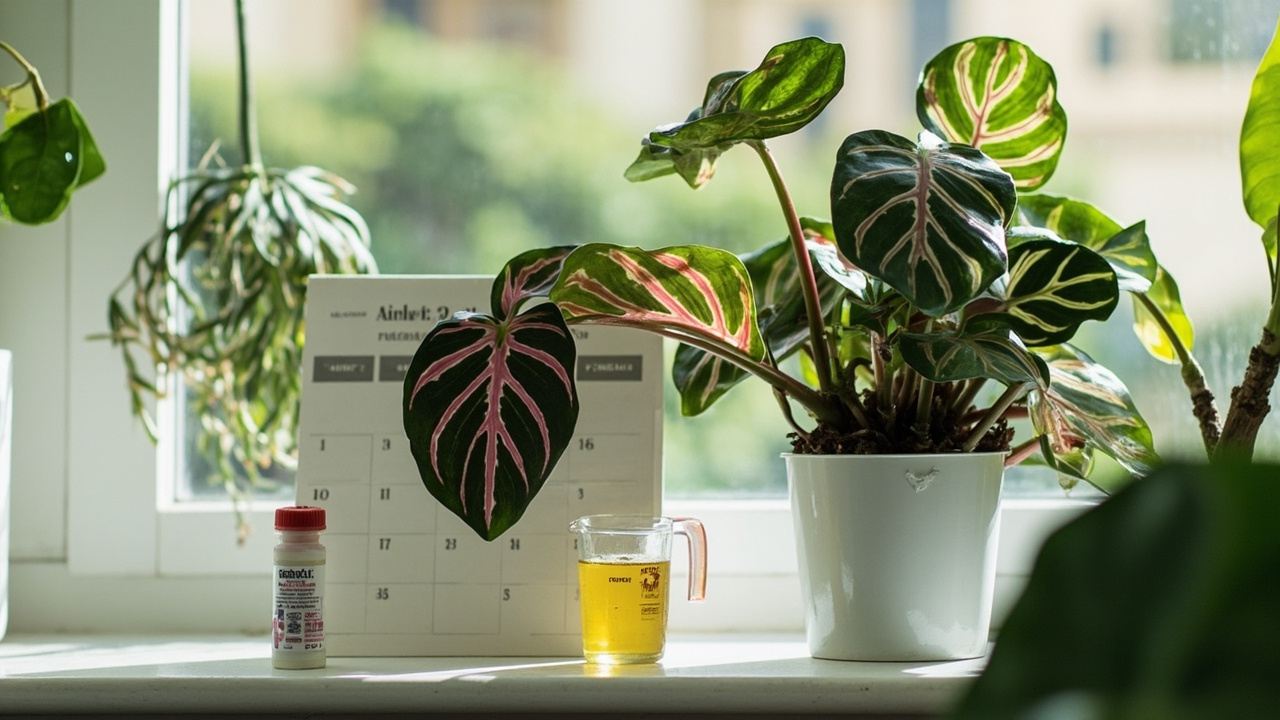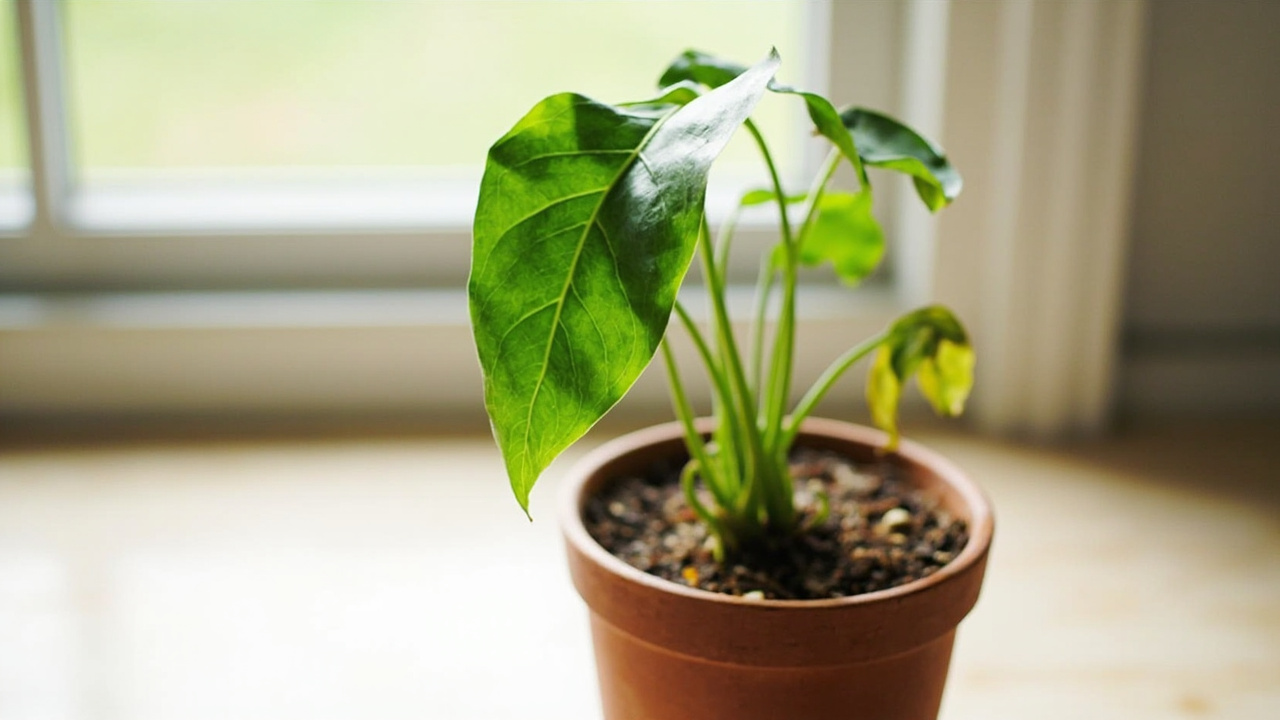

Calathea soil should stay lightly moist while still leaving room for air around the roots. The best mix is not heavy potting soil and not a dry cactus blend; it is a loose, moisture-retentive houseplant mix with bark or perlite added for oxygen.
Calathea roots are fine and sensitive, so they react badly to both extremes. Dense soil stays wet long enough to invite root rot, while a very coarse or hydrophobic mix dries in pockets and makes the leaves curl, yellow, or crisp at the edges.
What Calathea Soil Needs To Do
Calathea soil has two jobs that have to happen at the same time: hold steady moisture and release extra water quickly. That balance matters because Calathea does not have thick succulent roots that can store water through a long dry spell, but it also cannot sit in stale, oxygen-poor soil.
A good mix feels springy rather than muddy. When you water, it should absorb moisture evenly, let water leave the drainage holes, and still feel slightly damp below the surface after the top layer begins to dry. Soil is only one part of the wider routine explained in the Calathea care guide.
The easiest way to think about the mix is root breathing. Water fills pore spaces in the potting mix; air returns as excess water drains. If the mix collapses into a paste, those air spaces disappear and the roots begin to fail even when the plant looks like it needs more water.
The Best Calathea Soil Mix
A practical Calathea soil mix starts with a moisture-holding base, then adds chunky ingredients so the pot does not stay dense after watering. You do not need a complicated recipe, but you do need more structure than plain indoor potting soil usually provides.
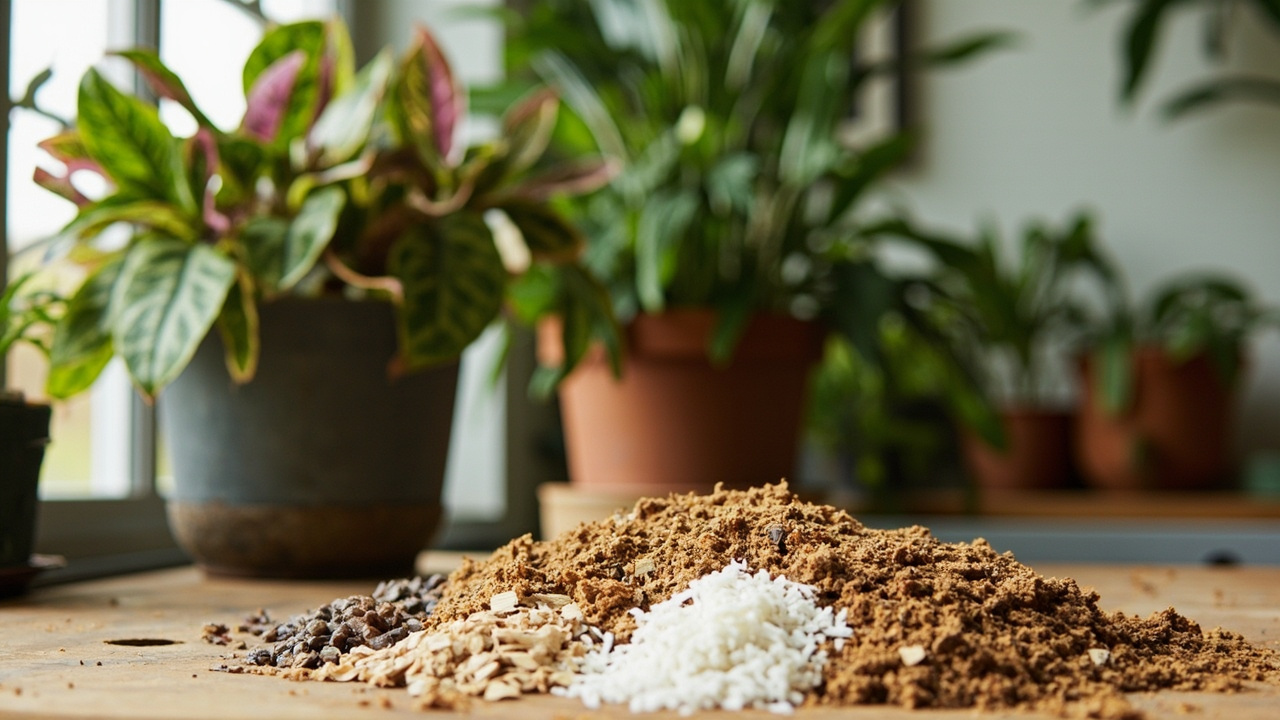
- 2 parts coco coir or quality indoor potting mix: holds moisture around the fine roots without becoming as heavy as garden soil.
- 1 part perlite or pumice: keeps small air pockets open and helps water move through the pot after a full soak.
- 1 part fine orchid bark: adds chunkiness and slows compaction, especially in larger nursery pots.
- A small amount of compost or worm castings: adds mild organic matter, but keep it modest because too much can make the mix dense.
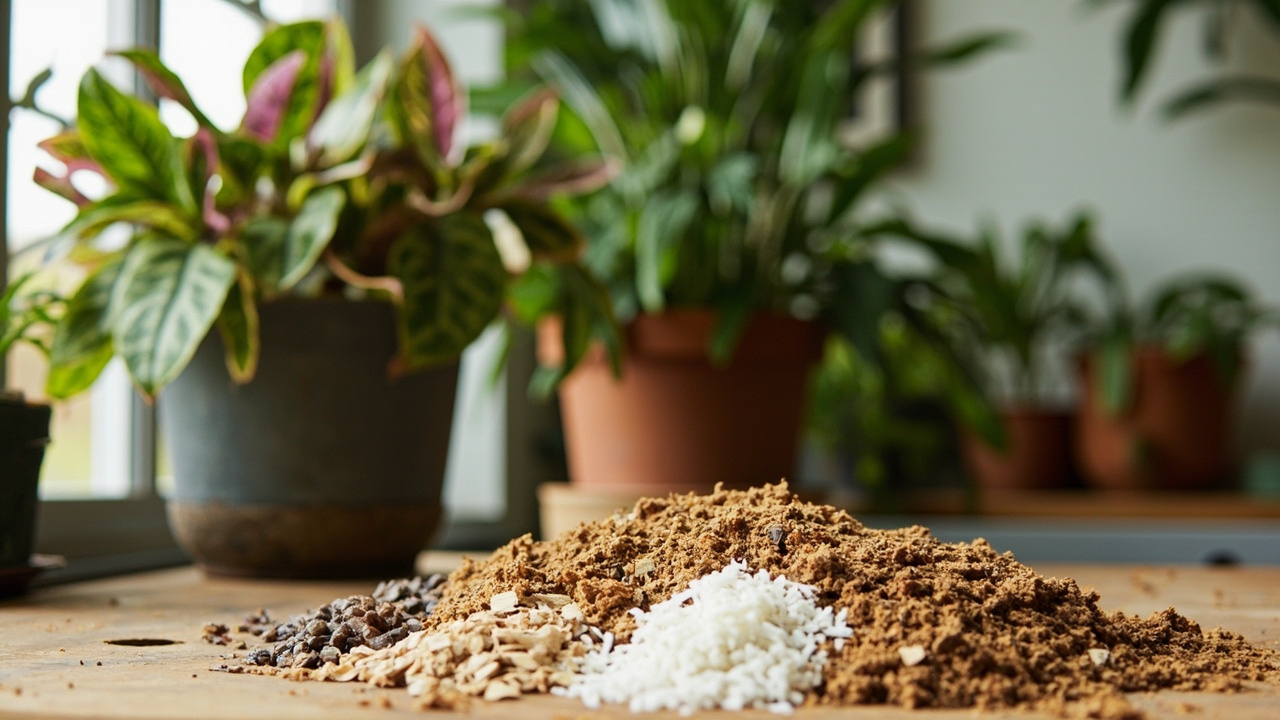
If you are adjusting a bagged houseplant mix, add perlite and fine bark until the texture loosens. If the mix looks like dark cake batter after watering, it is too dense. If it looks mostly like bark and drains dry in a day, it is too open for most indoor Calathea plants.
The honest trade-off is that airy soil often needs more attentive watering. That is still safer than a compact mix, because you can add water when the plant is ready; you cannot easily add oxygen to a suffocating root ball.
How Soil Changes Watering
Soil texture changes how often Calathea needs water. A peat-heavy or compacted mix may stay wet at the bottom while the surface looks dry, so watering by the top color alone can keep the root zone soggy. A chunky mix dries more evenly, but it may need a deeper soak to wet the whole pot.
The right mix still needs the finger-test rhythm from the Calathea watering guide.
Check the top inch of mix, then notice the pot weight. If the top is dry but the pot still feels heavy, wait. If the top is dry and the pot feels noticeably lighter, water thoroughly until runoff appears. Calathea usually looks worse when it is watered in small nervous sips, because the upper roots get wet while the lower root ball stays stale or unevenly dry.
Warning Signs Your Mix Is Wrong
Soil problems often look like watering problems because they change how water behaves inside the pot. Before changing your watering schedule, check whether the mix itself is causing the pattern.
- The mix stays wet for a week or more: the pot may be too large, the soil may be too dense, or the drainage holes may be blocked.
- The surface dries but the bottom smells sour: the lower root zone is staying oxygen-poor, which can lead to root rot.
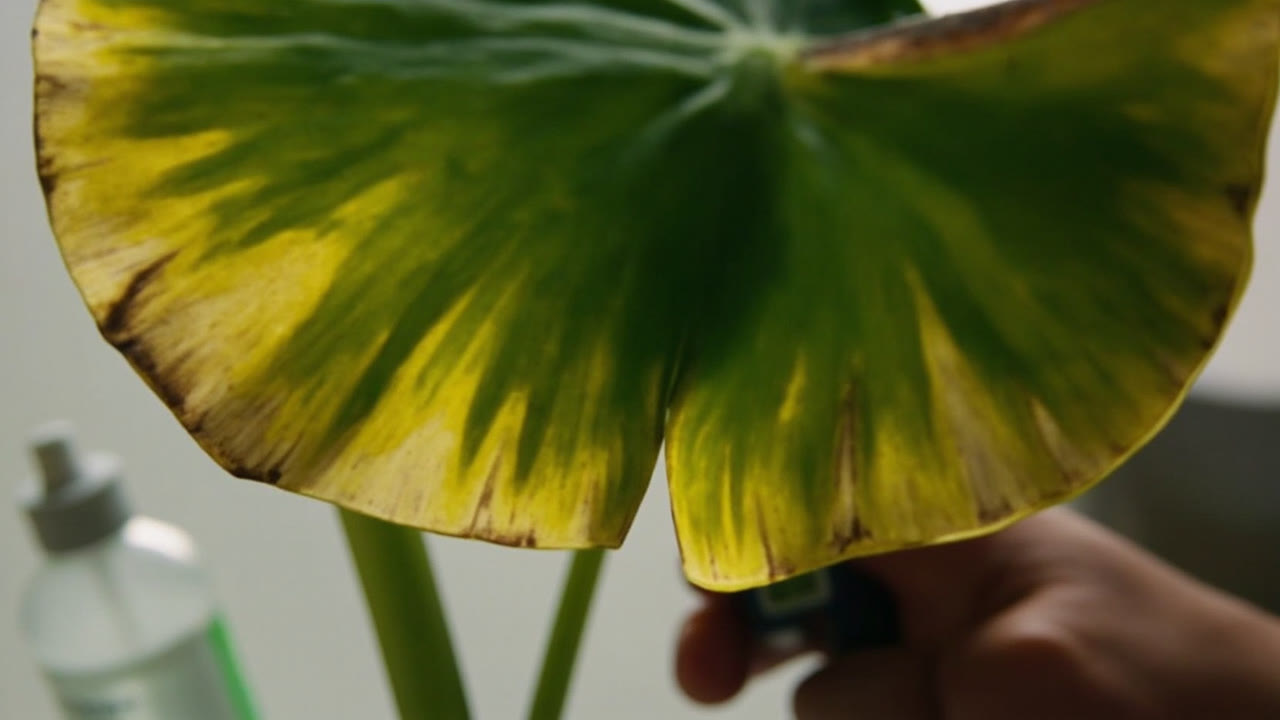
- Water runs down the sides immediately: the mix may have become hydrophobic, especially if peat dried hard around the root ball.
- Leaves yellow while the soil is constantly damp: roots may be struggling to breathe rather than asking for more water.
- Edges crisp even with damp soil: the problem may be root stress, mineral buildup, low humidity, or several factors together.
If the leaves are already changing color, compare the soil clues with the Calathea yellow leaves guide.
The limitation is that soil symptoms overlap. A single yellow leaf is not proof that the mix is wrong, but a repeated pattern of wet soil, sour smell, stalled growth, and lower-leaf yellowing deserves a root-zone check.
When To Replace Or Adjust The Soil
Adjust the soil when the mix no longer behaves like it should. If the plant is healthy and only the top layer has settled, you can refresh the surface with a little bark and fresh potting mix. If the entire pot stays wet too long, shrinks away from the sides, or smells stale, a full reset is usually more useful than top-dressing.
If the root ball needs a full reset, follow the timing and pot-size limits in the Calathea repotting guide.
Spring and early summer are easier times to change the mix because the plant is more likely to replace damaged roots. If you must act in winter because the soil is rotting or sour, keep the change conservative: remove the bad mix, trim only dead roots, and return the plant to warm, stable conditions.
Soil, Humidity, And Leaf Edges
Do not use wet soil to solve dry air. Calathea leaf edges can crisp when the air is dry, but keeping the potting mix constantly wet usually adds root stress instead of fixing the leaf edge.
Dry edges may point to air moisture instead, so compare root-zone conditions with Calathea humidity requirements.
The cleanest decision is to separate the two zones. Keep the soil lightly moist and airy for the roots, then solve dry leaf edges with steadier room humidity, warmer placement, and better water quality. When both zones are stable, Calathea becomes much easier to read.
Turn PDF Bank Statements Into Workable Spreadsheets
Your bank statement is a mess of numbers, but your books shouldn't be. Use our converter to get Excel, CSV, or QBO files — ready for QuickBooks.
Try It Free Now