
In this comprehensive guide, let’s explore the essential steps and expert tips on how to save a dying Calathea plant, ensuring its revival and long-term health.
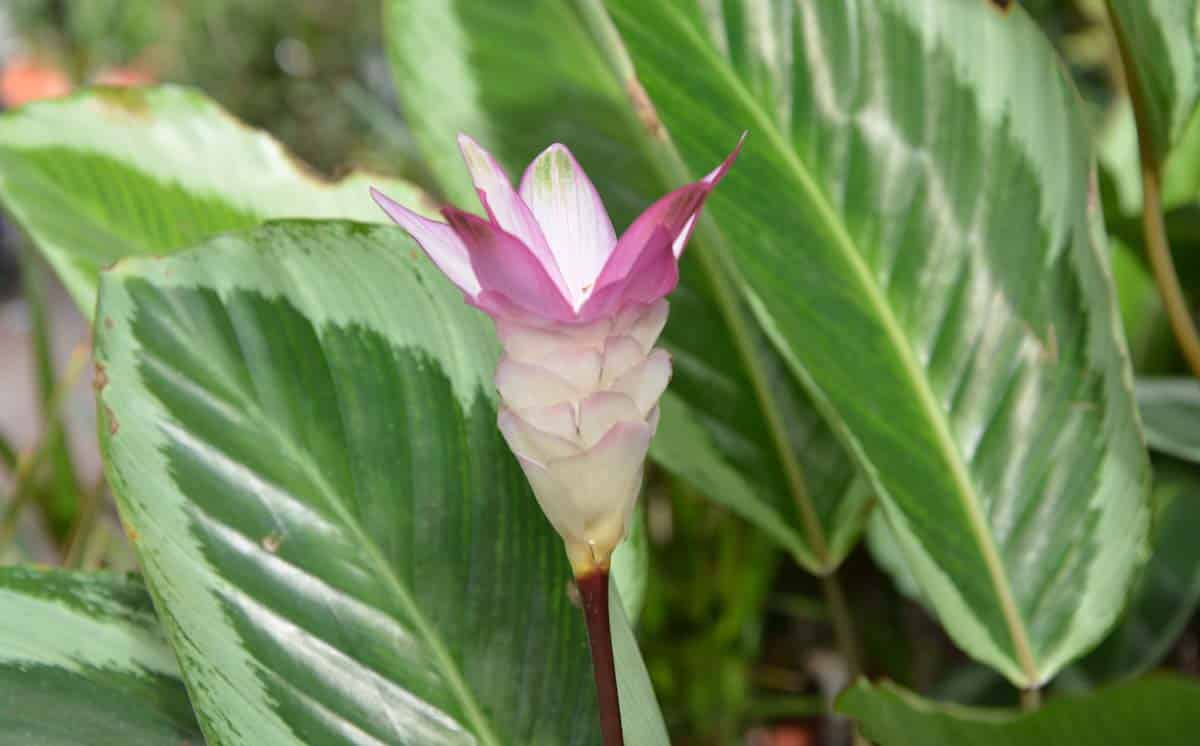
The Calathea plant, also known as the prayer plant, is a stunning tropical houseplant prized for its vibrant foliage and unique leaf patterns.
However, even with the best care, a Calathea plant can sometimes struggle and show signs of decline.
I once had a Calathea that looked like it had given up on life.
Turns out, it was sitting too close to a drafty window, and the cold air was stressing it out. Moving it to a warmer spot with indirect light worked wonders.
Look: Reviving Dying Plants
Understanding the Calathea Plant
Types of Calathea Plants
Calathea plants come in various captivating varieties, including Calathea orbifolia, Calathea warscewiczii, Calathea ornata, and Calathea zebrina.
Each variety offers distinct leaf patterns and colors, making them popular choices for indoor plant enthusiasts.
Characteristics of Calathea Plant
Calathea plant are known for their large, decorative leaves that display stunning patterns, colors, and textures.
These tropical plants thrive in warm and humid environments, but they are also sensitive to direct sunlight and low humidity levels.
If your humidity levels remain consistently low, consider switching to a mass cane plant which offers a similar tropical aesthetic with a much higher tolerance for dry indoor air.
Calathea Care Requirements
To ensure the well-being of your Calathea plant, pay attention to the following care considerations:
- Light: Provide bright indirect light, as direct sunlight can scorch the leaves.
- Watering: Keep the soil consistently moist but avoid overwatering, as this can lead to root rot.
- Humidity: Calathea plants thrive in high humidity. Consider using a humidifier or placing a water-filled tray near the plant to maintain the ideal moisture levels.
- Soil: Use well-draining soil rich in organic matter to provide the necessary nutrients for the plant’s growth.
Identifying a Dying Calathea Plant
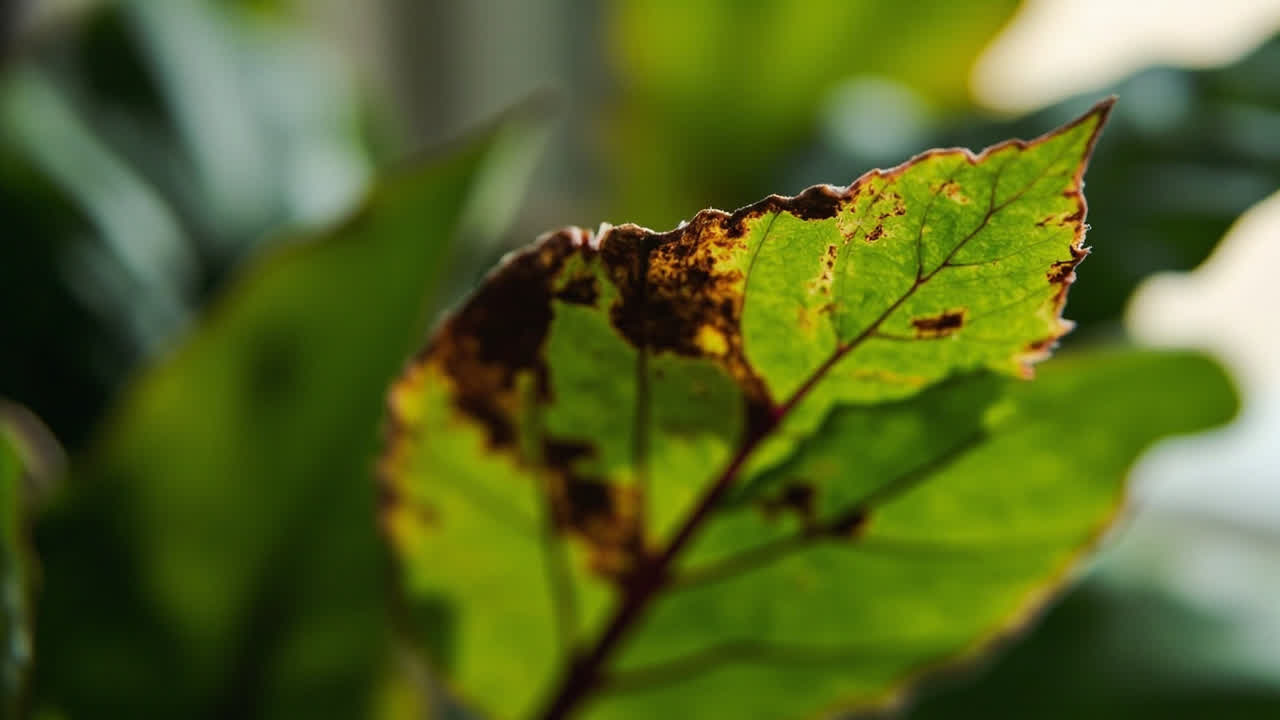
First, let’s identify the common signs that your calathea plant is in trouble. Leaf yellowing, drooping, and browning are often the first red flags.
These symptoms can be caused by a variety of issues, from over or underwatering to environmental stress.
Common Signs of a Dying Calathea
It is essential to recognize the following signs that indicate your Calathea plant is in distress:
- Droopy leaves: If the leaves appear limp or droopy, it may be a sign of underwatering, low humidity, or root issues.
- Browning or yellowing foliage: Discoloration in the leaves can indicate various problems, including overwatering, low humidity, or nutrient deficiencies.
- Root rot: Foul odor, mushy roots, or blackened roots are indicators of root rot, often caused by overwatering and poor drainage.
Assessing the Plant’s Environmental Factors
Consider these factors that can contribute to a Calathea plant’s decline:
- Light exposure: Direct sunlight can scorch the delicate leaves, while low light can cause weak growth.
- Watering practices: Overwatering or underwatering can stress the plant, leading to root issues and nutrient imbalances.
- Humidity levels: Calathea plants require high humidity to thrive. Insufficient humidity can result in dry and crispy leaves.
- Pest infestation: Spider mites are a common pest that can infest Calathea plants, causing damage to the leaves.
Steps to Save a Dying Calathea Plant
By following these detailed steps, you can save a dying calathea plant and ensure it thrives.
Remember, the key to successful calathea plant care is consistency and attention to detail!
With a little love and attention, your calathea will reward you with its beautiful, patterned leaves and vibrant presence in your home.
1. Watering: The Key to Life
Watering is one of the most critical aspects of calathea plant care. Both overwatering and underwatering can lead to significant problems.
How to Water Your Calathea:
- Watering Schedule: Water when the top 1-2 inches of soil feel dry. This can vary depending on the humidity and temperature of your environment, so it’s important to check the soil regularly.
- Water Quality: Use filtered, distilled, or rainwater to prevent fluoride and mineral accumulation, which can cause leaf damage. Tap water often contains chemicals that can harm your plant.
- Soak-Watering Method: If the soil is extremely dry, try the soak-watering method. Place the pot in a basin of water for about 45 minutes, then let it drain thoroughly. This can help rewet the soil and ensure it absorbs water evenly.
2. Humidity: A Breath of Fresh Air
Calatheas thrive in humid environments, making this one of the most important factors in their care.
Increasing Humidity:
- Misting Leaves: Mist the leaves daily to keep them moist. This not only improves humidity but also keeps the leaves clean and shiny.
- Pebble Trays: Place a layer of pebbles in a tray and add water. Place your calathea on the pebbles, ensuring the bottom of the pot doesn’t touch the water. As the water evaporates, it increases the humidity around the plant.
- Humidifiers: For a more consistent solution, consider using a humidifier, especially during drier months or in air-conditioned rooms.
3. Light: The Right Balance
Calatheas prefer bright, indirect light.
Direct sunlight can scorch the leaves, while too little light can cause the plant to become leggy and lose its vibrant colors.
Light Requirements:
- Indirect Light Needs: Place your calathea near a north or east-facing window where it can receive bright, indirect light.
- Avoid Direct Sunlight: Shield your plant from direct sun, especially during the harsh midday hours. If your windows only receive direct sunlight, consider using a sheer curtain to filter the light.
4. Temperature: Comfort Zone
Calatheas prefer warm temperatures and can be sensitive to drafts or sudden changes in temperature.
Temperature Control for Calathea Plants:
- Ideal Temperature: Keep the room temperature between 65°F and 85°F (18°C and 29°C). Avoid placing your calathea near heating vents, air conditioners, or frequently opened doors.
- Drafts: Ensure that your plant is not exposed to cold drafts or sudden temperature changes. Consistency is key to maintaining its health.
5. Pruning: A Fresh Start
Pruning can help your calathea look its best and encourage new growth.
Pruning Dead Leaves:
- Remove Brown Leaves: Use sharp, clean scissors to remove any brown or damaged leaves. This not only improves the plant’s appearance but also helps it focus energy on healthy growth.
- Prune Regularly: Regular pruning can prevent the spread of disease and keep your calathea looking lush and vibrant.
6. Fertilization: Nutrient Boost
Proper fertilization ensures your calathea has the nutrients it needs to thrive.
Fertilizing Schedule for Calathea:
- Balanced Fertilizer: Feed your calathea with a balanced, water-soluble fertilizer every two months, especially during the growing season (spring and summer).
- Fertilizer Types: Choose a fertilizer that is specifically formulated for indoor plants. Organic fertilizers can be a great choice as they provide a slow, consistent release of nutrients.
7. Soil and Drainage: The Foundation
The right soil and proper drainage are crucial for your calathea’s root health.
Soil and Drainage:
- Well-Draining Potting Mix: Use a well-draining potting mix that includes soil-based compost and perlite. This helps prevent waterlogged soil, which can lead to root rot.
- Drainage Holes: Ensure your pot has adequate drainage holes to allow excess water to escape. Stagnant water can cause root health problems.
- Repotting Techniques: Repot your calathea every couple of years in spring to refresh the soil and provide more space for its roots. Choose a pot that is slightly larger than the current one.
I once repotted a Calathea that had been in the same pot for years. The roots were so cramped they looked like a tangled ball of yarn.
After repotting, the plant perked up almost instantly!
8. Air Circulation: A Breath of Fresh Air
Good air circulation is essential for preventing fungal diseases and ensuring your calathea stays healthy.
Improving Air Circulation:
- Avoid Tight Clustering: Space your plants to allow for good air circulation. This helps prevent the buildup of moisture and reduces the risk of fungal diseases.
- Use a Fan: A gentle fan can help improve air circulation and keep your calathea healthy.
9. Propagation: New Life
Propagating your calathea can be a rewarding way to expand your plant collection or share with friends.
Propagating Calathea:
- Division Method: The most common method is division. Gently remove the plant from its pot and carefully separate the root ball into smaller sections, each with its own stem and roots.
- Repot New Plants: Place the divided sections in new pots with fresh potting mix and care for them as you would a mature calathea.
Read: Common Water Propagation Mistakes to Avoid.
10. Dealing with Pests and Diseases
Pests and diseases can quickly take a toll on your calathea. Regular inspection and prompt action can help prevent and treat these issues.
Pest Control Methods:
- Inspect Regularly: Check your plant for signs of pests such as spider mites, mealybugs, and aphids. Use a magnifying glass if necessary.
- Neem Oil: Treat infestations with neem oil, which is a natural and effective solution.
- Isolate Infected Plants: If you notice pests, isolate the affected plant to prevent the spread to other plants.
Treating Fungal Diseases:
- Identify Symptoms: Look for signs of fungal diseases such as yellowing leaves, wilting, and mold on the soil.
- Fungicides: Apply a fungicide as directed to treat the affected areas. Ensure good air circulation to prevent future outbreaks.
Preventing Future Issues and Promoting Calathea Health
Long-Term Care Tips
- Light management: Ensure the Calathea plant receives bright indirect light consistently.
- Watering regimen: Maintain a regular watering schedule, keeping the soil moist but not soggy. Adjust the frequency based on environmental conditions and the plant’s needs.
- Humidity control: Implement measures to maintain high humidity levels, such as using a humidifier or grouping plants together.
- Fertilization: Apply a balanced liquid fertilizer during the growing season to provide essential nutrients to the Calathea plant.
Recognizing Early Signs of Trouble
- Stay vigilant: Regularly inspect the plant for any signs of drooping leaves, discoloration, or pest activity.
- Prompt action: Address any issues promptly to prevent them from escalating and potentially causing irreparable damage.
Monitoring and Adjusting Care
- Observe the plant’s response: Pay attention to how the Calathea plant responds to its care routine and make adjustments as needed.
- Fine-tuning: Modify the watering, lighting, or humidity levels if you notice any adverse reactions from the plant.
Creating an Ideal Environment
- Consider plant placement: Choose a location away from drafts, heaters, or air conditioning vents that can create unfavorable conditions for the Calathea plant.
- Grouping plants: Cluster Calathea plants with other humidity-loving plants to create a microclimate that enhances moisture levels.
How To Save Calathea From Dying
With proper care and attention, a dying Calathea plant can be nursed back to health, displaying its stunning foliage and vibrant colors once again.
You have learn how to save a dying calathea plant by understanding the plant’s specific requirements, adjusting environmental factors, and providing appropriate care, now you can enjoy the beauty of your Calathea plant for years to come.
Remember, each plant is unique, and it may take time to find the perfect balance for your Calathea, so be patient and persistent in your efforts.
Happy gardening!
Turn That PDF Into a Spreadsheet in Minutes
You've seen how to do it manually — now let the tool handle the heavy lifting. Upload your bank statement and get Excel, CSV, or QBO in a few clicks.
Try It Free