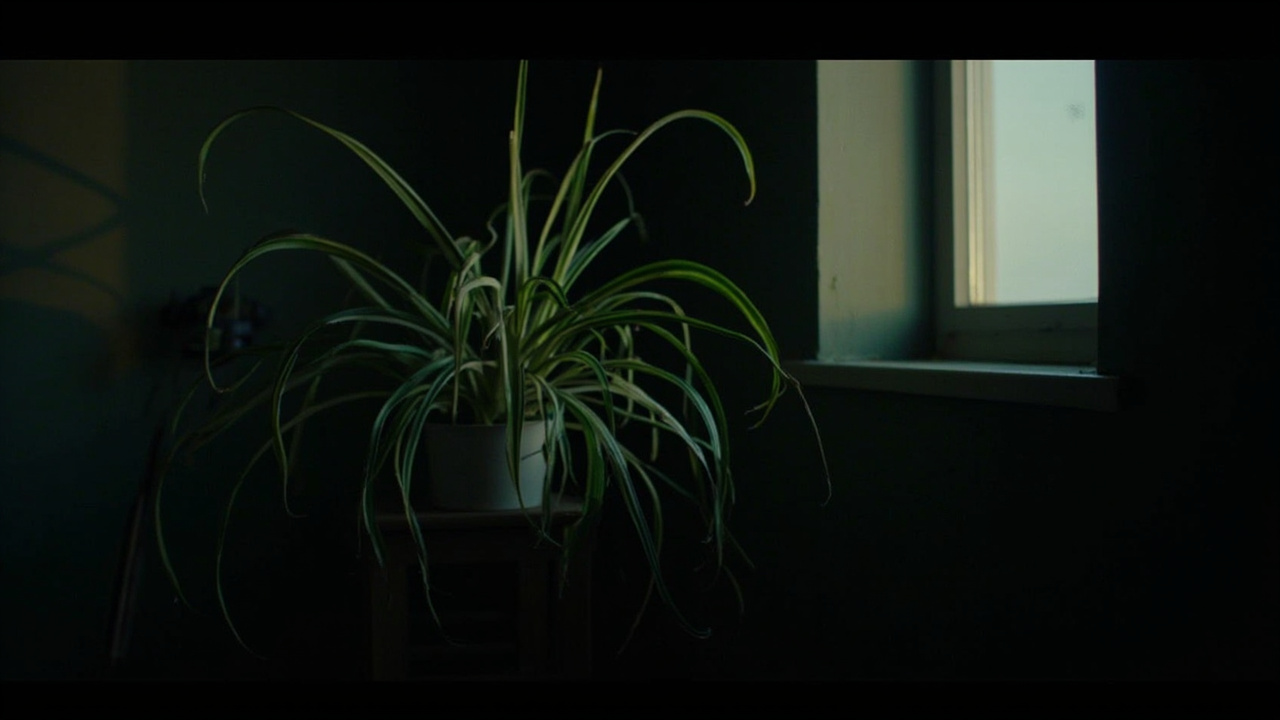
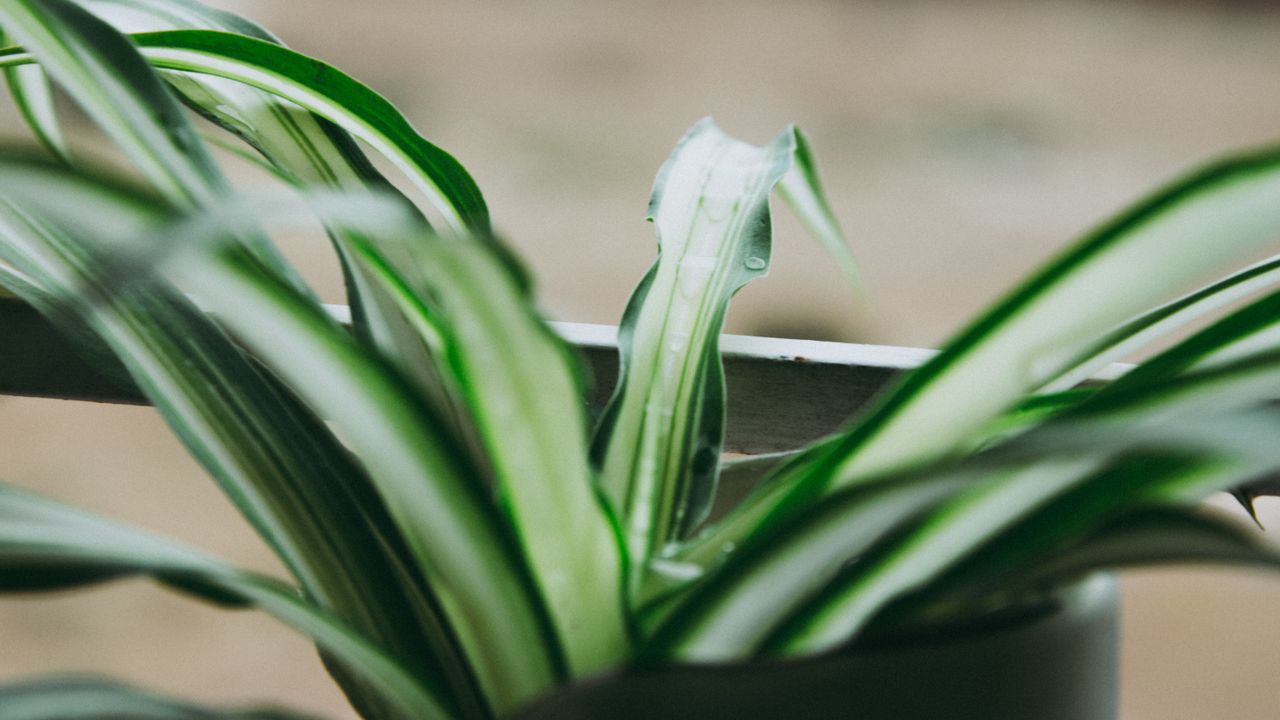
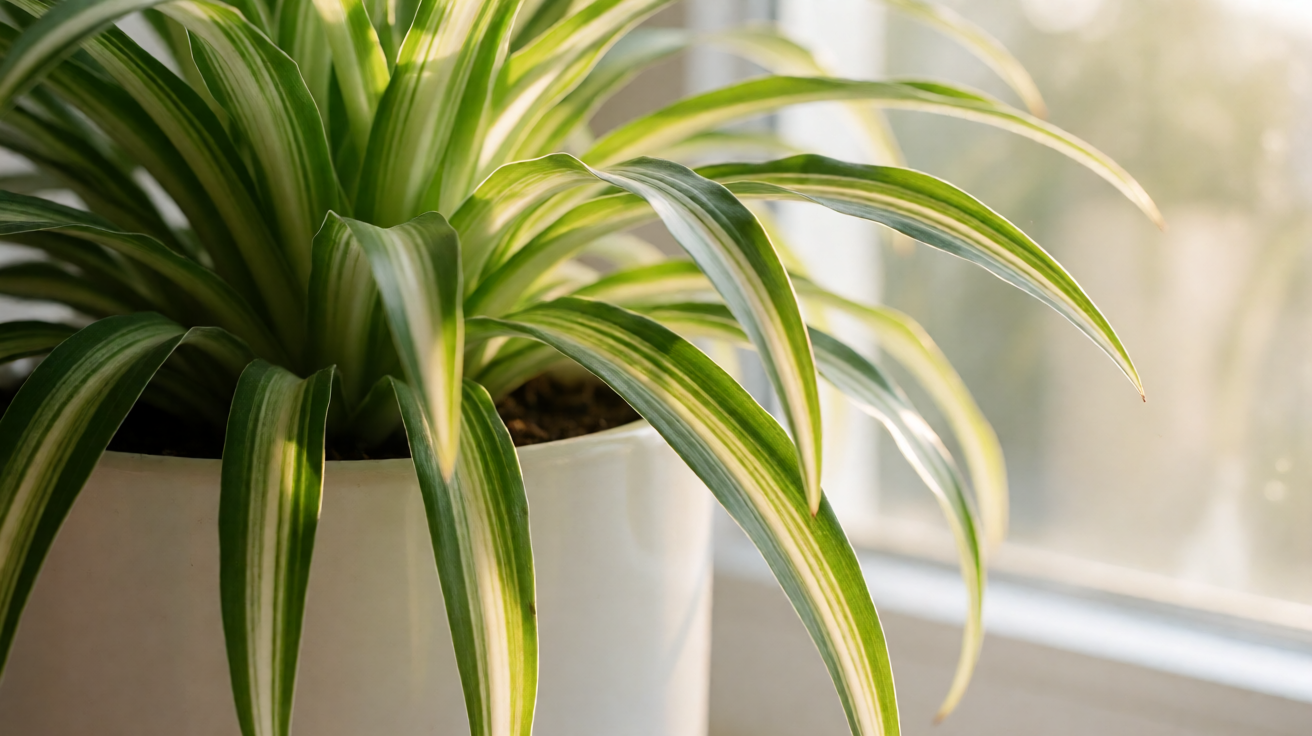
Spider plants grow best in temperatures between 60°F and 80°F (15°C–27°C), which covers the range found in most average homes. They are more tolerant of cool temperatures than many tropical houseplants, but they have limits at both ends of the spectrum, and temperatures outside their preferred range affect growth rate, leaf quality, and overall health.
The Ideal Temperature Range
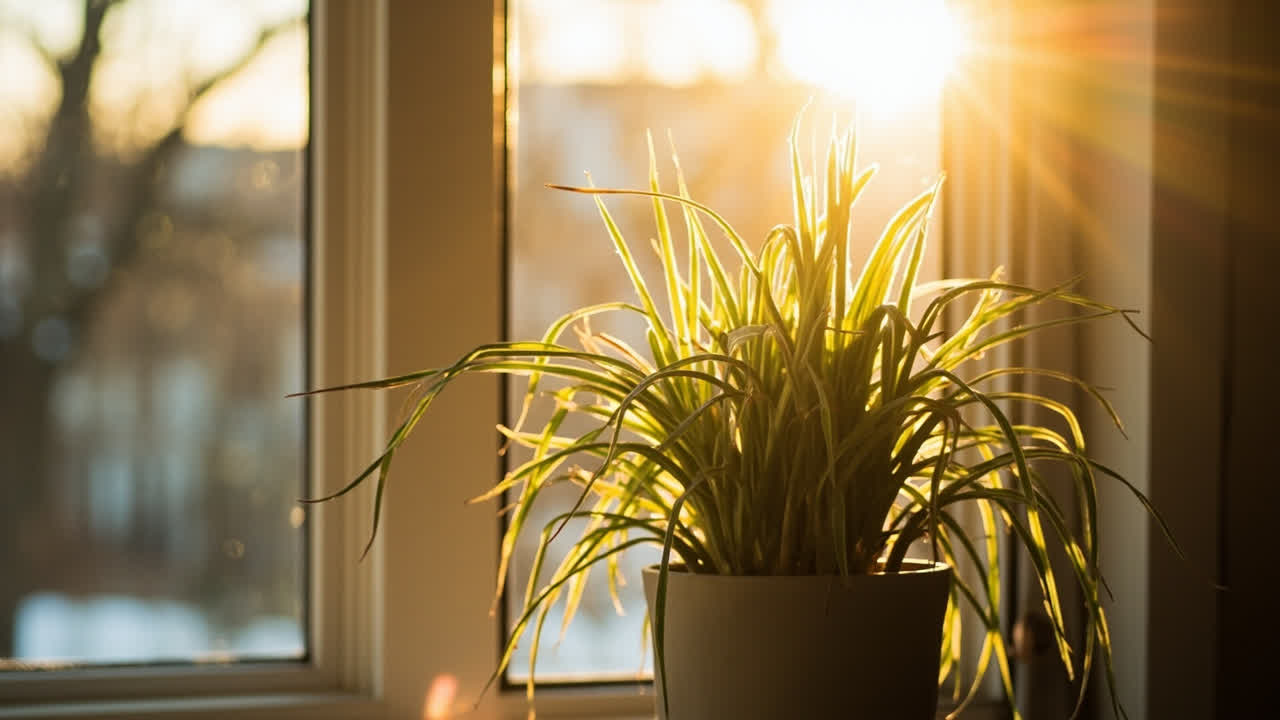
The sweet spot for spider plants is 65°F–80°F (18°C–27°C). In this range, the plant grows actively during the growing season, maintains good colour and variegation, and produces spiderettes reliably. Most homes sit comfortably within this range for most of the year.
Above 80°F (27°C), spider plants continue growing but may show stress — the leaves transpire more water, the soil dries faster, and the plant requires more frequent watering. Very high temperatures, particularly in direct sun, can cause the same kind of heat stress that causes brown tips and leaf scorch. In very hot climates, keep spider plants away from windows that receive afternoon sun and ensure good ventilation.
Cold Tolerance
Spider plants are more tolerant of cool temperatures than many tropical houseplants — they can survive temperatures down to 50°F (10°C) for short periods without permanent damage. Below 50°F (10°C), damage becomes more likely, and temperatures below 35°F (2°C) will kill the plant.
In most homes, cold damage occurs in winter from specific situations: spider plants placed near exterior doors that are frequently opened, windows with poor insulation where cold air drafts onto the plant, air conditioning vents that blow cold air directly onto foliage, and garages or conservatories that are not climate-controlled. Move spider plants away from these cold sources in winter.
If a spider plant is exposed to cold temperatures briefly — such as being left near an open door — it may show temporary leaf droop or yellowing that recovers once the temperature normalizes. Prolonged cold exposure causes more lasting damage. For recovery steps, see our guide to saving a stressed spider plant.
Winter Care
Spider plants grow more slowly in winter as light levels drop and temperatures cool, even indoors. This is normal — the plant is not dying, it is resting. Reduce watering in winter to match the slower growth rate, and stop fertilizing until spring. The soil will dry more slowly between waterings, and overwatering in winter is the most common cause of spider plant death during the cold months.
Keep spider plants in the warmest room of the house in winter. A plant near a drafty window in an unheated room can decline rapidly even if other rooms in the same house are warm. The spider plant care guide covers winter care in more detail.
Outdoor Spider Plants
Spider plants can be kept outdoors in warm months if protected from direct sun and cold. Move them outside in spring once temperatures are consistently above 60°F (15°C) and bring them back inside before temperatures drop below 50°F (10°C) in autumn. A covered patio or shaded garden position works well. Spider plants moved outdoors for summer will grow more actively than they would indoors because of the improved light levels, but they must be protected from direct afternoon sun. For full outdoor positioning guidance, see the spider plant light requirements guide — which covers exactly how much light is too much and where to place outdoor spider plants.
From Bank Statement to QuickBooks-Ready File
That manual cleanup you just read about? This tool skips it. Turn your PDF into QBO for QuickBooks without storing your data anywhere.
Start Converting