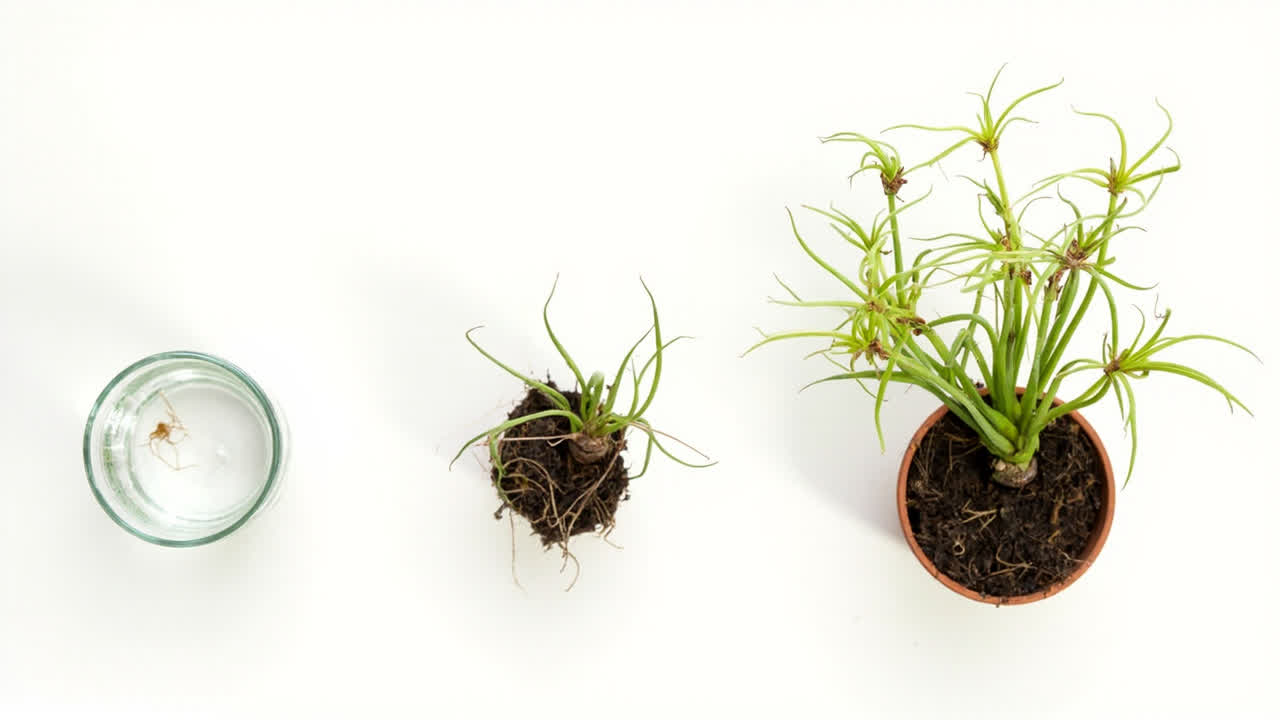
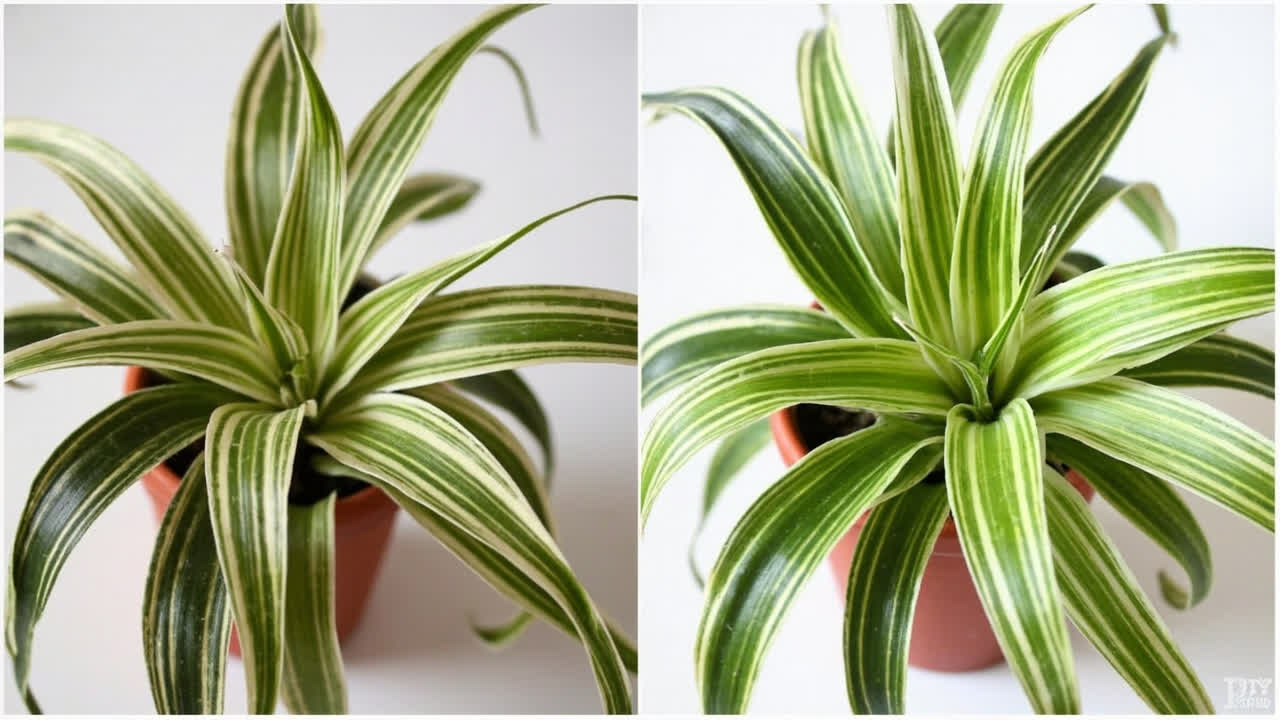
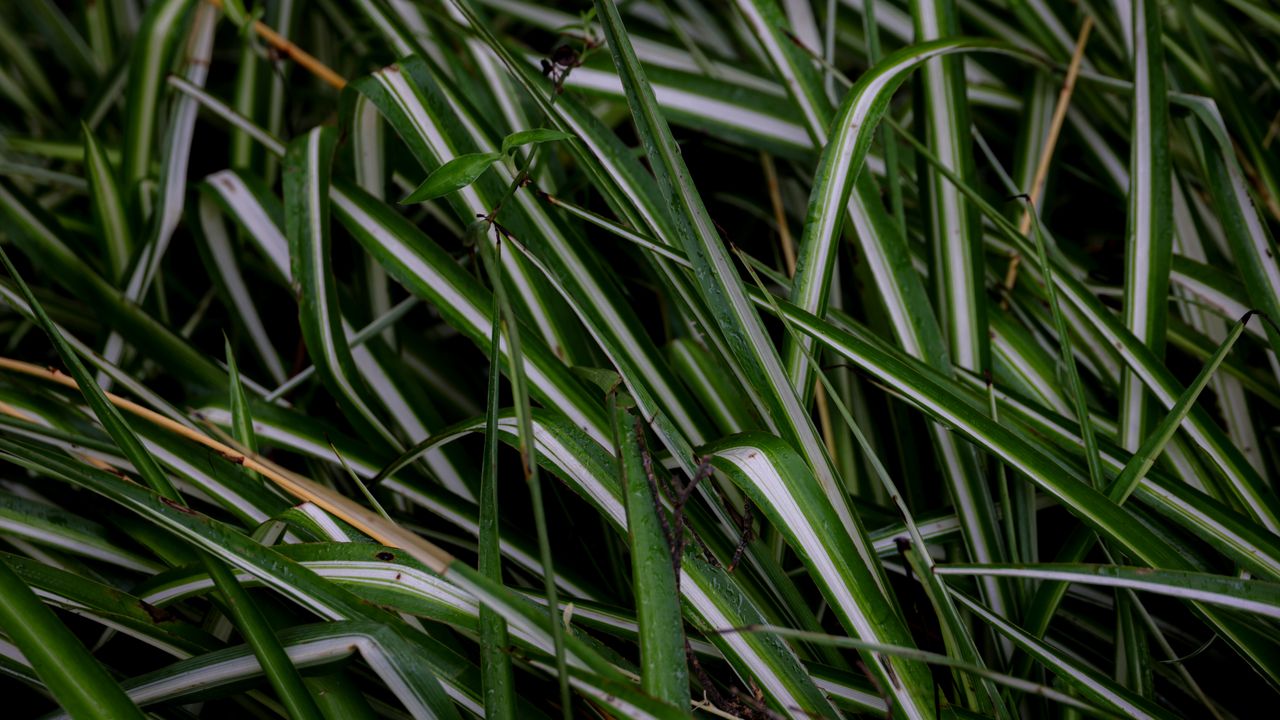
Dividing a spider plant is the fastest way to multiply your collection — and the most immediate, because each division is already a mature plant with a full root system, not a small cutting that needs months to establish. A single large spider plant can produce three to five divisions in a single session, each one ready to display immediately.
When to Divide
The best time to divide spider plants is during repotting in spring or early summer. Repotting a spider plant at this stage keeps the plant actively growing so it recovers from the disturbance quickly. Dividing at other times of year is possible but the recovery will be slower and the risk of stress higher.
Dividing is appropriate when the spider plant has grown large enough that it is clearly multiple clumps growing together — the root ball shows natural separations and the plant is filling its pot. A spider plant that is still a single rosette in a small pot is too young to divide.
How to Remove and Separate the Plant
Water the plant the day before dividing so the soil is moist but not waterlogged — a damp root ball holds together better than a dry one. Remove the plant from its pot by turning it upside down and supporting the stem and leaves with one hand while working the pot off with the other. If the plant is root-bound and the pot does not slide off easily, run a clean knife around the inside edge of the pot.
Shake away the loose soil from the root ball or rinse it under running water to see the structure clearly. You are looking for the natural divisions — distinct clumps of leaves with their own set of roots attached to separate rhizomes. Spider plants grow from a central rhizome that produces multiple growing points, and these growing points are the natural division lines.
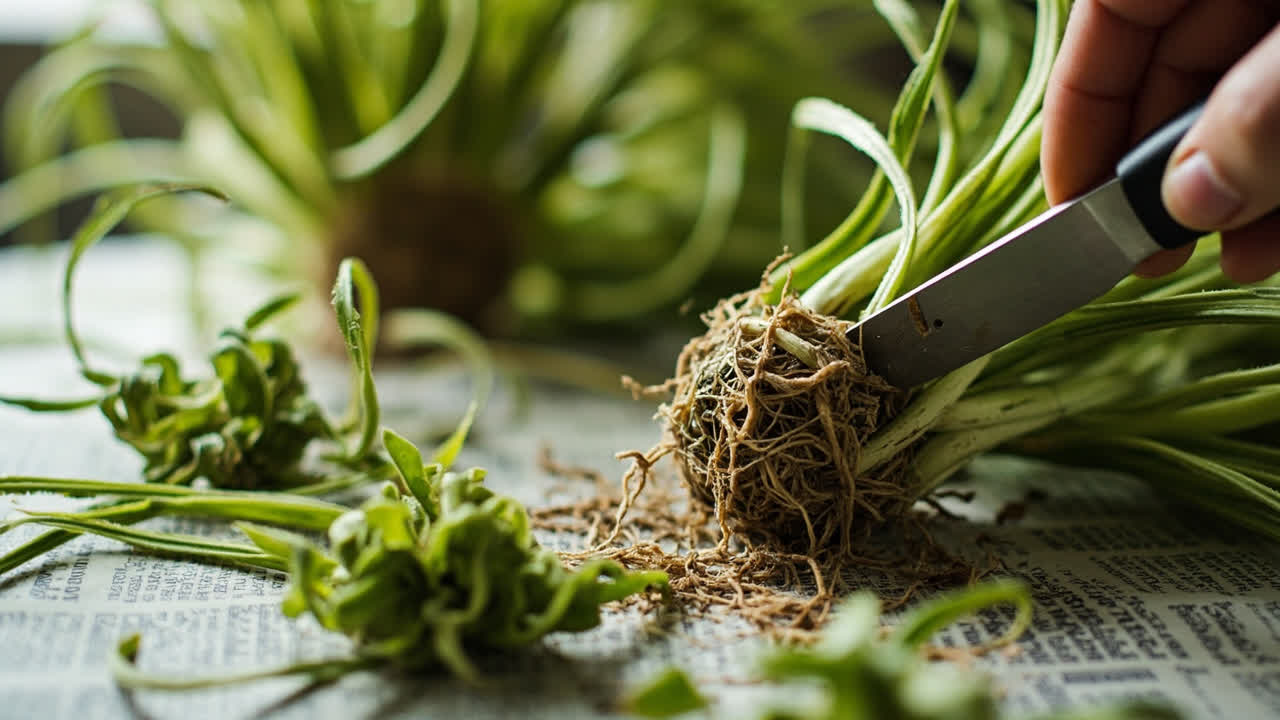
Separate the clumps by hand, working them apart gently. Most divisions will separate without tools — pull the clumps in opposite directions along their natural separation lines. If a section is firmly attached and will not separate by hand, use a clean, sharp knife to cut through the rhizome connection. Cutting is not ideal — it creates a wound that can admit fungus — but it is better than forcing a plant apart and damaging the roots. Spider plant root rot can develop quickly if the wound is exposed to overly moist conditions before it heals.
What Each Division Needs
Each division should have at least three to four healthy leaves and a portion of the root system with several tuberous roots. The tuberous roots are the spider plant’s water storage — they give the division the reserves it needs to survive the stress of repotting and establish in its new container.
If a division has leaves but very few roots — a section that was growing at the edge of the root ball with limited underground structure — it will survive but will establish more slowly. Pot such a division in a smaller pot and be more careful with watering while it builds its root system.
Potting and Aftercare
Pot each division in a clean pot with drainage holes, using fresh, well-draining potting mix. The pot should be just large enough to accommodate the root ball — not larger. A pot that is too large holds excess soil that stays wet too long and can cause the newly divided plant to develop root rot before its roots have grown into the new medium.
Water thoroughly after potting and place in bright, indirect light. For the first two weeks, keep the soil consistently moist but not waterlogged. The division has lost part of its root system and needs time to regrow roots before it can handle drought. After two weeks, transition to a normal spider plant watering routine: water when the top inch of soil is dry.
The divided parent plant will look temporarily less impressive — it may have one or two leaves yellow as it adjusts to the reduced root system. This is normal. Continue normal care and it will produce new growth within a month in the growing season.
Division vs Spiderette Propagation
Division produces mature plants immediately. Spiderette propagation produces small plants that take months to grow to a comparable size. If you want to fill a large hanging basket quickly, dividing a mature plant is the better approach. Hanging basket care for spider plants keeps newly divided specimens looking their best in display. If you are patient and want to build your collection more gradually, propagating spiderettes is more satisfying and produces more plants from a single parent.
Both methods work — use whichever suits your timeline and interest level.
From PDF to Excel in one click
Forget retyping line by line. Upload any bank statement, get a spreadsheet you can actually use. Your files are never stored, and you can test the converter with 3 free conversions.
Try it free