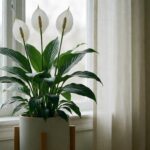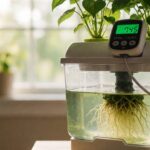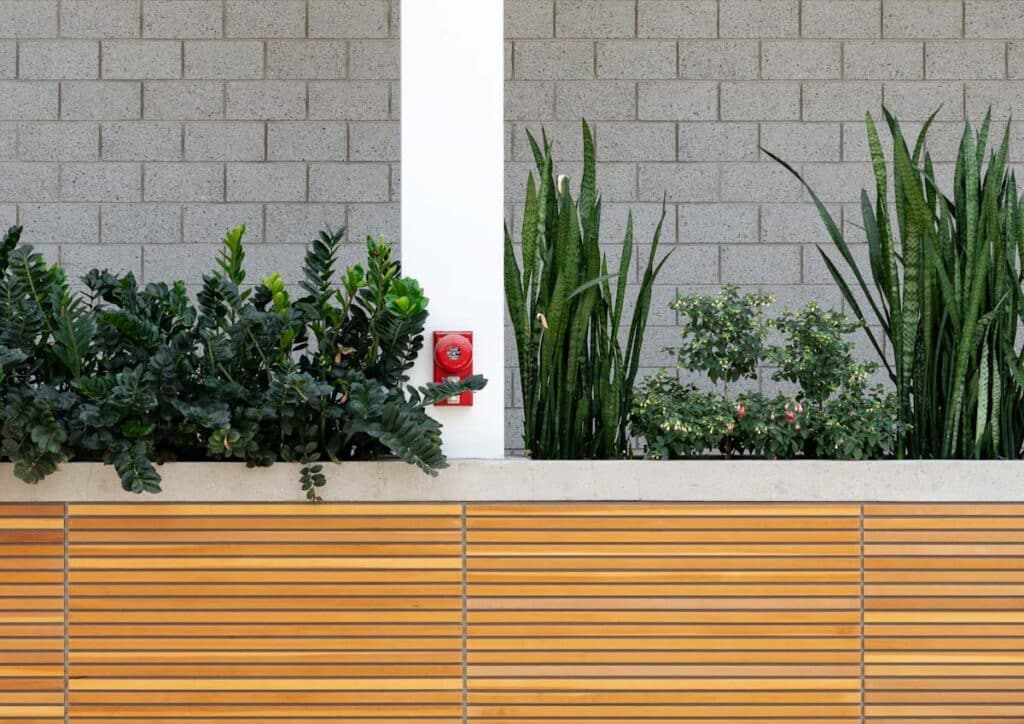

Hey there, fellow green thumbs and budding gardening enthusiasts! Let’s dive deep into the art of how to save dying plants indoor. From understanding the root causes of their decline to implementing effective rescue strategies, we’ve got you covered.
We all know the heartbreak of seeing our beloved indoor plants struggling to survive. So, let’s jump-in and save those greenies!
How to Save Dying Plants Indoor: Quick Guide
Is your indoor plant looking a bit under the weather? Don’t panic! With a little TLC, you can bring it back to life. We’ll walk you through the steps to save your dying plant and help it thrive again.
1. Assess the Situation
First things first, take a close look at your plant. Is it wilting, browning, or dropping leaves? Are the leaves yellowing or drooping?
These signs can indicate various issues, such as underwatering, lack of sunlight, poor soil quality, pests, or diseases. Identifying the problem is crucial for determining the best course of action.
2. Watering Wisely
Check the moisture level of the soil by sticking your finger about an inch deep into it. If it feels dry, it’s time to water your plant. Ensure that the water reaches the root system, as this is where the plant absorbs moisture. However, be cautious not to overwater, as it can lead to root rot.
Remember, different plants have different water requirements, so do your research and adjust accordingly.
3. Shed Some Light
Plants need sunlight to perform photosynthesis and thrive. Find a suitable spot for your indoor plant where it can receive the right amount of sunlight.
Most indoor plants prefer bright, indirect light. If your plant isn’t getting enough light, consider moving it closer to a window or invest in a grow light to supplement natural sunlight.
4. Soil Matters
Healthy soil is the foundation of a thriving plant. Ensure that your plant’s soil is well draining and nutrient rich. If the soil feels dry, water it thoroughly, allowing the excess water to drain out.
Avoid using heavy clay based soil, as it can suffocate the roots.
Consider adding organic matter or a quality indoor plant fertilizer to improve soil fertility.
5. Combatting Pests and Diseases
Pests and diseases can wreak havoc on your plants. Keep a close eye on your indoor plant and inspect it regularly for any signs of pests, such as tiny brown spots or holes in the leaves.
If you spot any unwelcome visitors, take action immediately using natural pest control methods or appropriate insecticides. Similarly, if your plant shows symptoms of diseases, consult a plant expert or research specific treatments for the particular condition.
Remember, saving a dying plant requires patience and persistence. Give your plant some time to recover, and continue to provide the necessary care.
With the right balance of water, sunlight, nutrient-rich soil, and vigilance against pests and diseases, you can revive your indoor plant and enjoy its beauty once again.
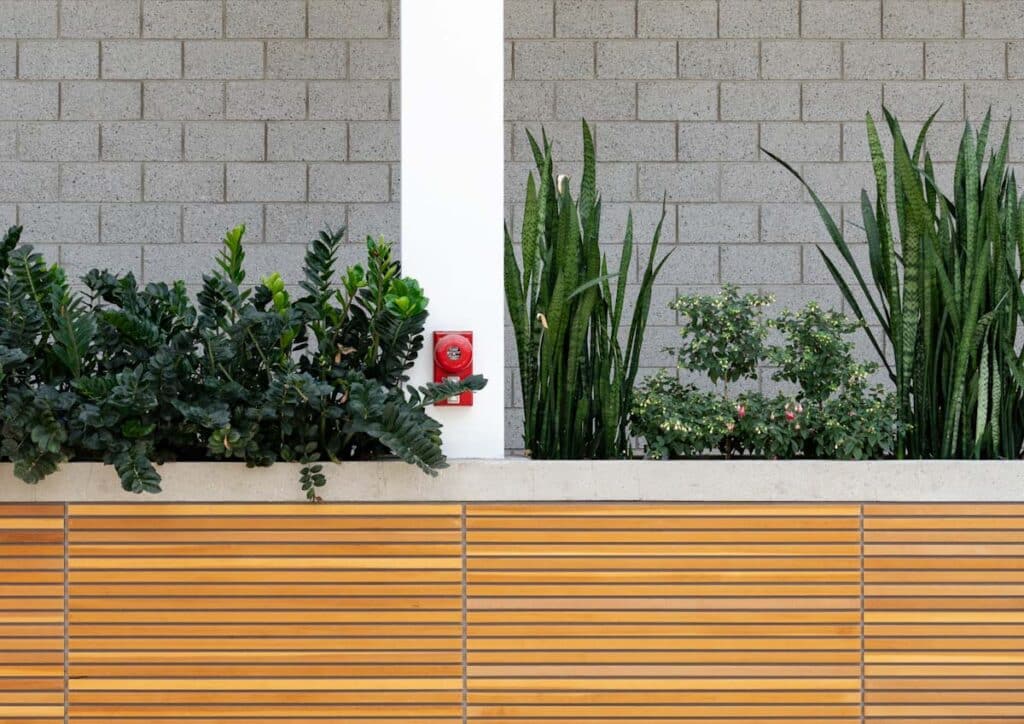
Common Reasons Why Indoor Plants Die
Indoor plants can meet their untimely demise for a variety of reasons. Here are some common culprits:
- Water Woes: Giving plants too much or too little water is a surefire way to send them to plant heaven. Make sure to water them regularly and check the moisture levels in the soil before drenching them or leaving them thirsty.
- Light Lament: Plants need light to survive, just like we need our daily dose of sunshine. If they’re not getting enough natural light, consider investing in some fancy LED grow lights to give them the lighting they crave.
- Humidity Hiccups: Some indoor plants are divas when it comes to humidity. If the air is too dry, they’ll wilt away faster than you can say “moisturize me!” Place a tray of water nearby or bring in a humidifier to keep them feeling fresh.
- Nutrient Neglect: Indoor plants need their vitamins too! If they’re not getting enough nutrients, they’ll become weak and susceptible to diseases. Treat them to organic fertilizers or compost to keep their bellies full.
- Pest Predicaments: No one likes uninvited guests, especially when they’re chewing on your precious plants. Keep an eye out for pests like spider mites and mealybugs, and show them the door with natural pest control methods or, if necessary, some insecticidal soap.
- Disease Drama: Plants can fall victim to diseases like root rot and powdery mildew. Give them some TLC, good ventilation, and avoid overwatering to keep those diseases at bay.
By knowing these common plant perils, you can give your green buddies the care they need to thrive and avoid any unfortunate plant funerals.
Recognizing the Signs of a Dying Plant
Time is of the essence when it comes to rescuing our wilting friends. Familiarizing yourself with the telltale signs of a distressed plant will help you intervene promptly.
- Wilting and Yellowing Leaves: Droopy, yellow leaves are cries for help that indicate stress in the plant.
- Brown Spots and Dead Leaves: Brown spots and dead leaves signify potential fungal infections or poor watering practices.
- Stunted Growth: Slow or no growth can be a sign of nutrient deficiencies or root problems.
| Visible Signs | Possible Causes | Actionable Tips |
|---|---|---|
| Wilting Leaves | Underwatering | Check soil moisture and water as needed. |
| Overwatering | Allow the soil to dry out between waterings. | |
| Yellowing Leaves | Nutrient Deficiency | Feed the plant with a balanced fertilizer. |
| Inadequate Sunlight | Adjust the plant’s placement for more light. | |
| Brown Spots | Fungal Infection | Isolate the plant and apply a fungicide. |
| Overwatering | Improve drainage and adjust watering. | |
| Stunted Growth | Root Problems | Examine the roots and trim as necessary. |
| Nutrient Deficiency | Feed the plant with appropriate nutrients. |
General Care Tips for Indoor Plants
Before we jump into rescue mode, let’s ensure our plants are set up for success with these general care tips:
1. Watering Techniques for Indoor Plants
- Understand your Plant’s Water Needs: Research your plant’s water requirements based on its species and adjust your watering accordingly.
- The Finger Test: Check the moisture level of the soil by sticking your finger about an inch deep into the soil. If it’s dry, it’s time to water.
- Proper Drainage: Ensure your pots have drainage holes to prevent waterlogged roots.
2. Choosing the Right Soil for Indoor Plants
- Choose the Right Potting Mix: Different plants have different soil preferences. Select the appropriate potting mix for your indoor plant.
- Nutrient Rich Soil: Use soil enriched with organic matter to provide essential nutrients to your plants.
3. Understanding Sunlight Requirements for Indoor Plants
Sunlight is absolutely vital for the growth and well-being of plants. Let me break it down for you in a way that’s easy to understand:
- Photosynthesis: Plants rely on sunlight for photosynthesis, a process where light energy is converted into chemical energy. This is how plants create sugars and other important compounds needed for their growth.
- Energy Boost: Sunlight provides plants with the energy they require to carry out various metabolic processes. It powers cellular respiration, which releases stored energy and enables plants to perform essential functions like absorbing nutrients, developing roots, and producing beautiful flowers.
- Strong Stems and Lush Leaves: Sunlight is the driving force behind the development of sturdy stems and vibrant foliage in plants. Without enough light, plants may grow weak and leggy, with pale leaves. Exposure to sunlight helps plants grow strong and healthy.
- Blooms and Fruits: Many plants need a specific amount of sunlight to trigger flowering and fruit production. The intensity and duration of sunlight directly impact the quality, timing, and flavor of blooms and fruits. Inadequate sunlight can result in poor flower formation and limited fruit set.
Categorizing Indoor Plants Based on Sunlight Preferences
Now, let’s categorize indoor plants based on their sunlight preferences:
- Low Light Plants: These plants can handle low light levels and thrive in areas with minimal natural light. They’re perfect for rooms with north-facing windows or spots further away from windows. Examples include snake plants, pothos, and ZZ plants.
- Medium Light Plants: These plants need moderate levels of light and do well in areas with bright, indirect light. They can tolerate some direct sunlight, but too much can harm their leaves. Rooms with east or west-facing windows are ideal. Some examples are philodendrons, peace lilies, and spider plants.
- Bright Light Plants: These plants thrive in direct sunlight or intense light conditions. They require several hours of direct sunlight each day to grow and flower properly. Place them near south-facing windows or in areas that receive ample sunlight. Popular examples include succulents, cacti, and certain orchid varieties.
Rotate Plants Periodically
You know what’s really important for your plants? Giving them a little spin! Yep, just like a dance move, rotating your plants every few weeks can make all the difference.
Why, you ask? Well, it’s all about that sweet, sweet sunshine.
See, plants need sunlight to grow and thrive. By rotating them regularly, you’re ensuring that every side of the plant gets its fair share of those rays. No favoritism here!
Plus, it helps prevent your plants from becoming a little lopsided or reaching out towards the light like they’re trying to get a tan.
4. Monitoring Changes in Plant Health
Regular Check-ups
It’s crucial to regularly give your plants a thorough once-over, inspecting their leaves, stems, and overall appearance. Think of it as a little health check for your green babies.
By doing this regularly, you’ll be able to catch any issues, like pesky pests or sneaky diseases, before they have a chance to wreak havoc. Stay on top of things and keep your plants happy and thriving.
5. Keep Records
Now, I know it might sound a bit nerdy, but trust me, keeping a journal for your plants is a game-changer!
Jot down any changes you notice in their growth, color, or general well-being. It’s like having a plant detective notebook!
This record-keeping will help you spot any recurring problems or patterns, so you can take action accordingly.
It’ll give you a clear picture of what works and what doesn’t in your plant care routine. So grab that pen and get ready to be a plant detective!
Rescuing a Dying Indoor Plant
Saving a dying indoor plant? Let’s roll up our sleeves and rescue our leafy friends!
Here’s a step-by-step guide to help you out:
1. Spot the Problem
- Look for Visible Signs: Keep an eye out for wilting, yellowing leaves, or any other symptoms we discussed earlier. These signs can give you a clue about what’s wrong.
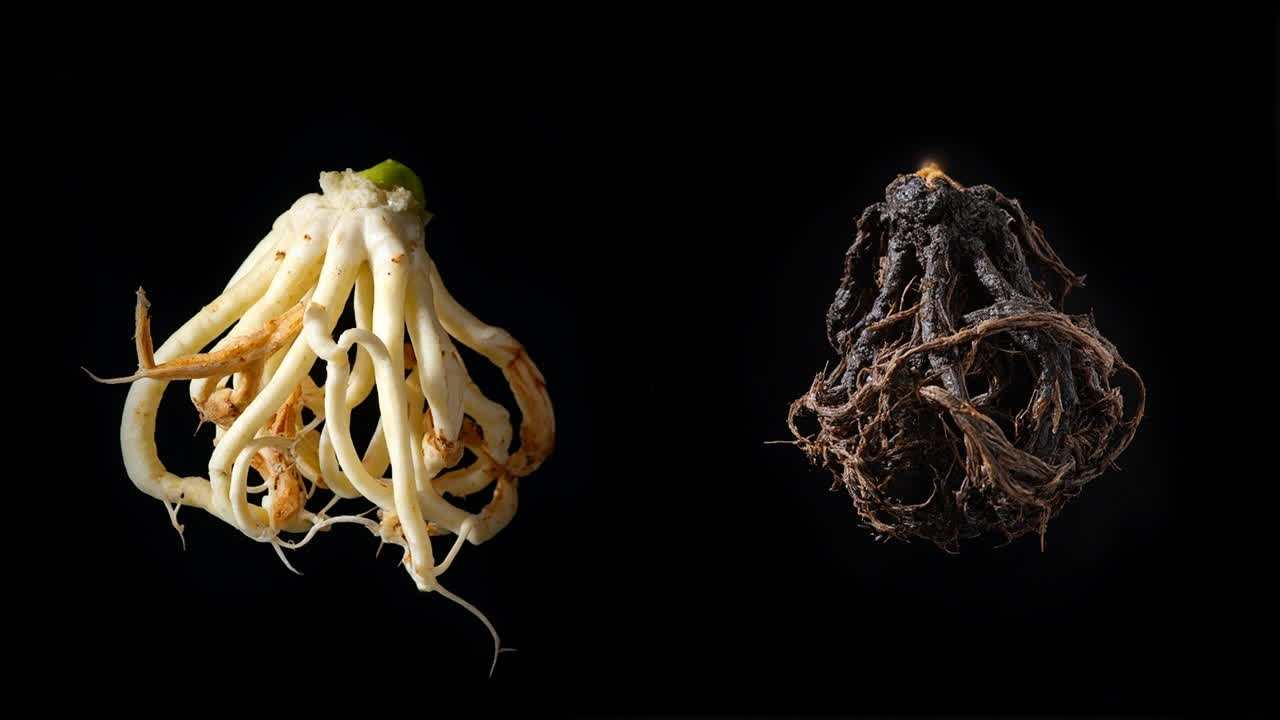
- Examine the Roots: Gently take the plant out of its pot and inspect the roots. Check for any rot or pesky pests that might be causing trouble.
2. Fix Common Problems
- Root Rot Woes: If you find root rot, act fast! Trim the affected roots with clean scissors or pruning shears. Then, give the plant a fresh start by repotting it in well-draining soil. Make sure the new pot has proper drainage holes to avoid future soggy situations.
- Pesky Pests: If you have unwanted visitors like aphids or spider mites, isolate the plant to contain the infestation. Use an insecticidal soap recommended for indoor plants and follow the instructions carefully. Show those pests who’s boss!
- Powdery Mildew Blues: Got powdery mildew? No worries! Treat your plant with a suitable fungicide made for indoor plants. Just follow the dosage and application instructions. Say goodbye to that fuzzy stuff!
- Nutrient Boost: Sometimes, our plant buddies need a little nutrient pick-me-up. Apply a balanced fertilizer that matches your plant’s needs. Check the care guidelines or ask a local nursery for advice on the right proportions.
Techniques for Nursing Specific Indoor Plant Types
Snake Plants: If you’re new to indoor gardening, snake plants are a great choice. These hardy plants can thrive in low light conditions and are quite forgiving when it comes to neglect. To keep your snake plant happy, make sure to use well-draining soil and avoid overwatering.
Tropical Plants: If you want to bring a touch of the tropics into your home, tropical plants are the way to go. Tropical plant love humidity, so creating a humid environment is essential. You can achieve this by misting the leaves occasionally or placing a tray of water near the plant to increase moisture in the air. — For blueberry bushes with yellowing leaves or pH stress, the same diagnostic logic applies: test soil pH first, then adjust with sulfur or repot in acidic mix.
Houseplants: Houseplants come in a wide variety of species, each with its own specific care requirements. To ensure your houseplants thrive, it’s important to research and understand their individual needs. This can include factors such as light requirements, watering schedules, and temperature preferences. Taking the time to learn about your houseplants will help you provide the best care possible.
Preventative Measures for Future Plant Health
1. Pruning and Cleaning: A Health Boost for Your Plants
To keep your plants in tip-top shape, make sure to give them some love through regular pruning and cleaning. Say goodbye to dead or unhealthy leaves, as they can invite trouble in the form of diseases and pests.
Also, don’t forget to give the foliage a good dust-off to help your plants soak up the sunlight they need for photosynthesis.
2. Appropriate Fertilization: Feeding Your Plants Right
Just like we need a well-balanced diet, plants need their fair share of nutrients too. Stick to a fertilization schedule and choose a balanced fertilizer to keep your plants happy and thriving.
A balanced fertilizer contains the essential nutrients—nitrogen, phosphorus, and potassium—that your plants crave. These nutrients are vital for growth, root development, and the ability to fight off pesky diseases.
Expert Actionable Tips
- Inspect Your Plants Regularly: Take a closer look at your indoor plants regularly, examining the leaves, stems, and overall appearance. Early detection of issues can prevent further damage.
- Water Wisely: Understand the water needs of each plant species and adjust your watering accordingly. The finger test is a quick way to check soil moisture.
- Choose the Right Soil: Different indoor plants have specific soil preferences. Select the appropriate potting mix to provide the best growing conditions.
- Mind the Sunlight: Group your plants based on their light requirements – low-light, medium-light, or bright-light. Rotate them periodically to ensure even exposure.
- Keep a Plant Journal: Maintain a journal to record your plant care routine, observations, and any changes in health. It will help you track progress and troubleshoot issues.
- Boost Humidity: Group plants together to increase humidity, or use a humidity tray.
- Introduce Grow Lights: Supplement natural light with artificial grow lights for plants that require more light.
Key Takeaways
- Healthy Roots, Healthy Plant: The condition of the plant’s roots is vital for its overall health. Regularly check and maintain a well-draining soil to prevent root problems.
- Pay Attention to Leaves: Leaves are excellent indicators of a plant’s health. Yellowing, browning, or wilting leaves may signal issues that need attention.
- Spotting Pest Infestations: Keep an eye out for common houseplant pests like spider mites. Promptly isolate and treat affected plants to prevent infestations from spreading.
- Sunlight Matters: Understanding your plants’ sunlight requirements will help them thrive. Position plants where they can receive the right amount of light.
- Tailor Care to Plant Types: Different indoor plants have diverse needs. Research the specific requirements of each species for optimal care.
Revive Your Indoor Plants: A Guide to Saving Dying Plants
Congratulations! You’ve now mastered the art of how to save dying indoor plants. Remember, patience, dedication, and a keen eye for details will go a long way in nurturing your green companions.
Embrace the joy of gardening, and let your indoor jungle flourish like never before!
Happy gardening from aqualogi!
FAQ: How To Save Dying Plants Indoor
Q: How do you revive a dying houseplant?
A: Ah, the rescue mission! First, check for any dead leaves and remove them gently. Then, take your precious potted plant out of its container and inspect those roots. Trim away any mushy, rotten parts. Repot the plant in fresh soil with good drainage – the lifeblood of happy roots! Adjust watering habits, give it some TLC, and voilà, you’re on the path to revival.
Q: Do indoor plants need sunlight?
A: Absolutely! Think of sunlight as their daily vitamin D dose. While some plants can survive in low light, most need their fair share of rays to thrive. So, find them a cozy spot with indirect sunlight and rotate them occasionally. Remember, a sun-hungry plant will show its appreciation with new growth and vibrant leaves!
Q: What plant food is best for indoor plants?
A: Just like us, our indoor plants need a balanced diet to stay happy and healthy. Opt for a well-rounded, all-purpose plant food that contains essential nutrients. Look for one with an NPK ratio of 10-10-10 or something similar. And don’t forget, moderation is key – follow the feeding instructions, and your plant will be a green superstar!
Q: How do I deal with pest infestations on my indoor plants?
A: Eek, those pesky little critters! First, isolate the affected plant to prevent the infestation from spreading. Take a closer look at those leaves and stems, you detective you! Identify the buggers – spider mites, aphids, or mealybugs, perhaps? Combat them with insecticidal soap or neem oil – the natural plant parent’s secret weapon. Your plants will thank you for evicting the unwanted guests!
Q: What’s the best potting soil for indoor plants?
A: Ah, the soul of our plant babies! Choose a well-draining potting mix that won’t keep your roots soggy. Opt for one specially formulated for indoor plants or a general-purpose mix with perlite or vermiculite for aeration. Happy roots, happy plants!
Q: How can I be the best plant parent for my indoor green darlings?
A: It’s like being a nurturing plant whisperer! First, get to know your plant’s likes and dislikes – their sunlight needs, watering preferences, and feeding schedules. Keep their environment clean and free of dead leaves – it’s a bit like tidying up their bedroom. Rotate them for even growth and change up their potting soil occasionally. Your plants will adore you for being their very own plant parent superhero!
Q: Can outdoor plants be transitioned to indoor living?
A: Oh, the great migration! While some outdoor plants can be coaxed into indoor living, not all will adapt. Consider factors like sunlight, humidity, and space requirements. If your green friend is accustomed to the great outdoors, try bringing them inside during warm months and gradually acclimate them to indoor life. It’s like a plant vacation!
Q: Why do some leaves on my indoor plants turn brown and die?
A: Ah, the mystery of the browning leaves! Several culprits might be at play. It could be overwatering, underwatering, or a nutrient deficiency. Investigate your watering habits and check your soil’s moisture level. Adjust your plant care routine accordingly, and those brown leaves might just turn green again!
Turn PDF Bank Statements Into Workable Spreadsheets
Your bank statement is a mess of numbers, but your books shouldn't be. Use our converter to get Excel, CSV, or QBO files — ready for QuickBooks.
Try It Free Now