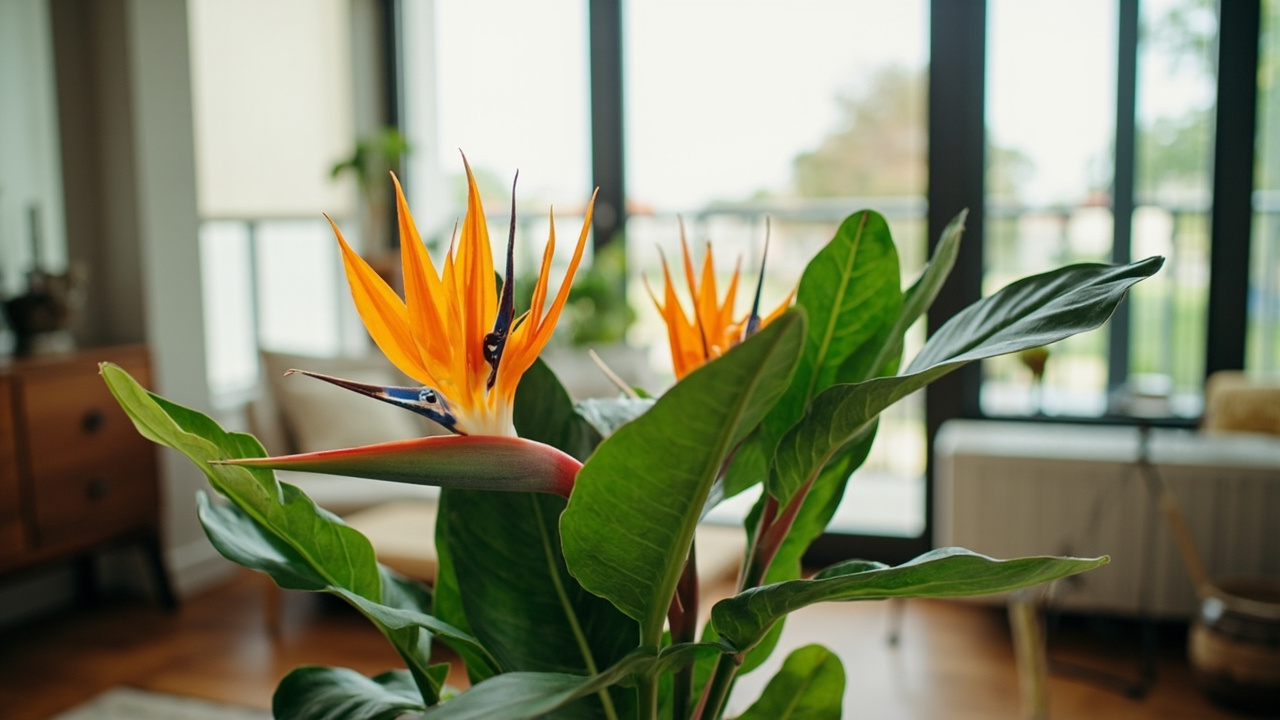

Water Bird of Paradise plants when the top 2–3 inches of soil feel dry to the touch. This simple check replaces guesswork and prevents the most common cause of Strelitzia death — rotting roots from wet soil sitting in a dark pot.
Strelitzia roots are thick, fleshy, and extremely sensitive to waterlogged conditions. When soil stays damp for more than 72 hours at temperatures below 60°F (15°C), the roots begin to decay. This is why watering on a calendar schedule fails — the soil might still be moist three days after your last watering, or bone dry after two.
This guide covers the soil-first rule that works for indoor and outdoor Bird of Paradise plants, how to adjust frequency by season, and what to watch for so you catch problems before they become visible.
When to Water Bird of Paradise: The Soil-First Rule
Bird of Paradise plants are large tropicals with thick roots that store water. Between waterings, these roots need access to oxygen. In saturated soil, roots suffocate and begin to rot within 72 hours at temperatures below 60°F (15°C). This is why watering on a schedule — “every 7 days” — often leads to overwatering. The same plant in a 10-inch pot in a 75°F (24°C) room will dry out three to four times faster than one in a 14-inch pot at 60°F (15°C).
The fix: check the soil, not the calendar. Stick your finger into the top 2–3 inches of soil. If the top inch (2.5 cm) feels dry but the layer below is still damp, wait another day or two. If the entire depth feels dry and the pot feels light when you lift it, water thoroughly until water runs from the drainage holes.
Because Bird of Paradise grows from a thick rhizome system, the roots at the bottom of the pot are the oldest and most vulnerable. Even if the surface looks dry, deep roots can be sitting in waterlogged soil at the bottom. If your pot lacks drainage holes, the risk of root rot increases significantly — and you’re better off repotting into a container with at least one ½-inch hole.
For more on identifying Strelitzia problems early, see the Bird of Paradise common problems guide.
Seasonal Watering Adjustments for Strelitzia
Bird of Paradise follows a distinct growth cycle: it pushes new leaves aggressively from March through September, then slows or stops entirely from October through February. This seasonal rhythm directly affects water needs.
Spring and summer (active growth) — Water every 7–10 days when temperatures are 65–85°F (18–29°C) and the plant receives bright, indirect light. Plants near south-facing windows or in rooms above 75°F (24°C) may need watering every 5–6 days because heat and light accelerate both evaporation and root uptake.
Fall and winter (dormancy) — Reduce frequency to every 14–21 days. Growth slows dramatically below 60°F (15°C), so the rhizome uses far less water. Watering at winter dormancy levels during summer growth will cause root rot within two weeks. The reverse mistake — summer watering in winter — is the most common reason Bird of Paradise plants fail indoors.
Early warning sign — If you notice the center leaves drooping slightly before the outer ones, check the soil. In active growth at 70°F (21°C), this usually means the plant needs water within 24 hours. In dormancy at 55°F (13°C), drooping may indicate cold stress rather than thirst. Always check the soil before reaching for the watering can.
Managing indoor humidity alongside watering creates the stable tropical microclimate Bird of Paradise expects. Aim for 50–60% relative humidity in the root zone room.
How Pot Size, Soil, and Light Affect Watering Frequency
The “check the soil” rule stays constant — but pot size, soil mix, and light exposure change how often you need to check.
Pot size. A Bird of Paradise in a 10-inch nursery pot dries out roughly twice as fast as the same plant in a 14-inch pot. This is because soil volume increases faster than pot diameter. A 14-inch pot holds roughly three times the soil of a 10-inch, retaining moisture for 14–21 days versus 7–10 in warm, bright conditions.
Figure: A gardener inserting a finger into the top 2 inches of soil to check moisture before watering a Bird of Paradise base.
Soil composition. A dense, peat-heavy potting mix stays wet for days longer than a chunky, bark-based mix orchid growers use. Bird of Paradise prefers a well-draining mix with perlite and organic matter — roughly 60% bark or perlite and 40% coco coir or peat. If your soil stays damp at the 2-inch mark for more than five summer days, it’s holding too much water. Repot into a coarser mix before the roots begin to rot.
Light exposure. A Bird of Paradise in a south-facing window in July can use water at twice the rate of the same plant in a north-facing room. Direct sun and high temperatures drive higher transpiration through the large leaves. Check plants in bright locations twice as often as those in low-light corners — during summer, this often means every 4–5 days versus every 10–12.
Bird of Paradise Outdoor Watering Rules
Outdoor Bird of Paradise plants in pots dry out 30–50% faster than those kept indoors — wind, sun, and ambient heat all pull moisture from the soil. A potted Strelitzia on a warm patio in July may need water every 4–5 days, sometimes every 3 during heat waves above 90°F (32°C).
Potted plants outdoors benefit from a water meter or moisture probe. The top 2 inches might feel dry while deeper soil remains moist — or vice versa after heavy rain. Water only when the probe shows dry at the 4–5 inch mark. During monsoon season, check daily even if it rained: a saucer underneath the pot can collect water and create exactly the waterlogged conditions Strelitzia cannot survive.
For general Strelitzia care, the same soil-first rule applies — but expect to water more often outside because evaporation is relentless in warm sun.
Early Signs of Overwatering and Underwatering Bird of Paradise
The symptoms of overwatering and underwatering look similar — yellowing, browning leaves, slow growth — but the internal cause is opposite. Misdiagnosing one for the other and watering more to fix “dry soil” confusion kills more Bird of Paradise plants than any pest.
Overwatering starts at the root zone and moves upward. Leaves turn yellow from the outer edges inward, then brown and mushy at the base. Yellowing appears within 3–5 days of overwatering at 70°F (21°C) or 7–10 days below 60°F (15°C). A sour or musty smell from the soil is a late-stage signal — by then, half the root system may already be black and non-functional.
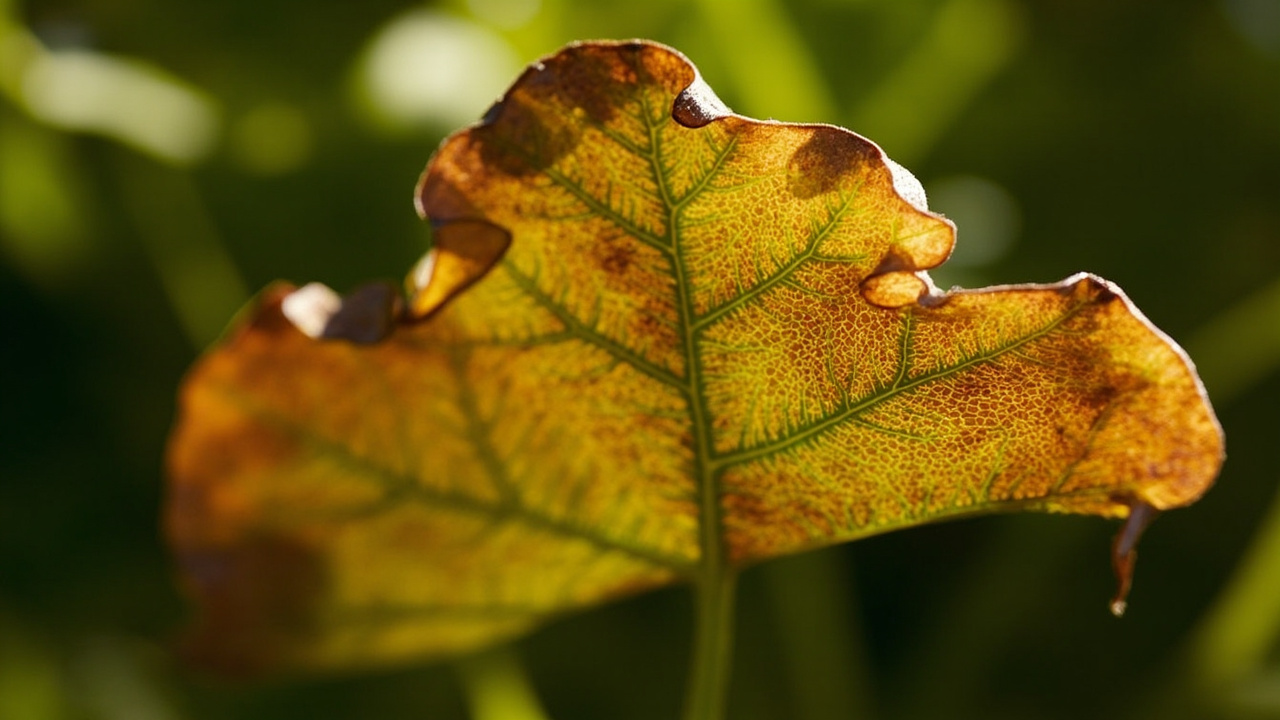
Underwatering causes leaves to curl inward, then develop crisp brown edges from the leaf tip down. The soil pulls away from the pot edges, creating a gap where water runs straight through without being absorbed. Underwatered Strelitzia recovers faster than overwatered ones — consistent watering brings leaves back within 7–10 days.
Trade-off to note: It’s tempting to water generously every time the surface looks dry. But frequent shallow watering encourages roots to grow toward the soil surface, leaving the deep rhizome vulnerable to heat stress. Water deeply once rather than lightly three times — the rhizome anchors itself deeper, making the plant more resilient.
From PDF to Excel in one click
Forget retyping line by line. Upload any bank statement, get a spreadsheet you can actually use. Your files are never stored, and you can test the converter with 3 free conversions.
Try it free