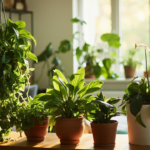
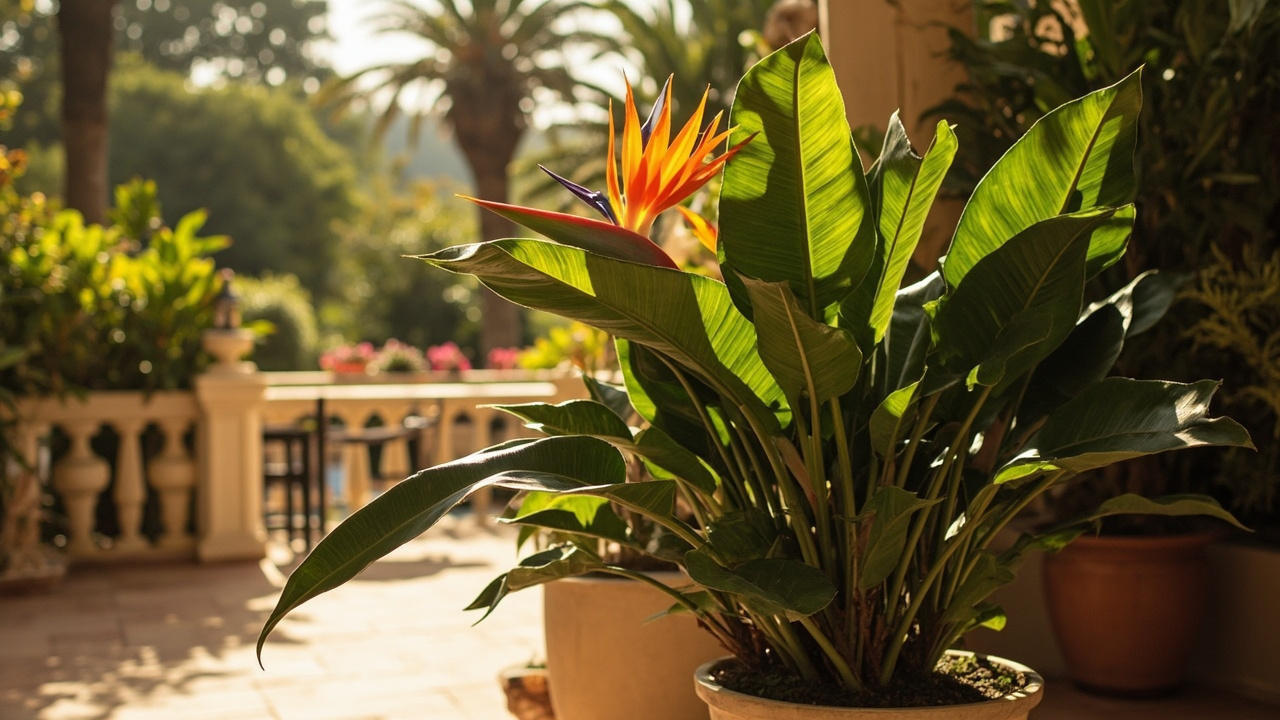
Bird of Paradise is at its most impressive grown outdoors. Given enough space, warmth, and sun, Strelitzia grows with a vigour that indoor containers rarely match — producing large, architectural leaves and, in mature specimens, those extraordinary crane-like flowers that give the plant its common name. Outdoor growing is where this plant truly belongs, and it rewards gardeners who understand its specific outdoor requirements.
The two broad scenarios: permanent outdoor growing in a frost-free climate (USDA zones 10-11), where Strelitzia lives in the ground or in large containers year-round, and seasonal outdoor growing in colder climates, where container-grown plants spend summer outside and move back indoors for winter. Both have their own management demands, and both produce impressive results when handled correctly.
This page is the outdoor-specific companion to the main Bird of Paradise care guide. For the specific problem patterns that affect outdoor plants — particularly frost damage and sun scorch — see the Bird of Paradise problems page.
Climate and Position: Where Bird of Paradise Thrives Outdoors
Strelitzia is frost-tender and performs best in warm, frost-free climates. S. reginae is damaged by temperatures below 30°F (-1°C) and killed by sustained hard frost. S. nicolai is slightly more tolerant but still suffers significant damage below 28°F (-2°C). In zones 10 and 11, Bird of Paradise grows outdoors year-round with minimal intervention. In zones 9 and below, it is a seasonal outdoor plant or a tender container specimen that requires winter protection.
The position in the garden matters as much as the climate. A south-facing wall in a sheltered courtyard can add 5°F to 10°F of frost protection through radiant heat retention — enough to make the difference between a mild radiative frost and a killing freeze. Placing Strelitzia near a wall also reduces wind exposure, which is beneficial because while Strelitzia enjoys sun, strong persistent wind tears the large leaves and accelerates moisture loss from the foliage. The ideal outdoor position is a warm, sheltered spot that receives full sun for at least 6 hours a day, with protection from prevailing winds.
Planting in the Ground vs Growing in Containers
In-ground planting produces the most dramatic Strelitzia specimens. With unrestricted root growth, S. nicolai can reach 20 to 30 feet in warm climates. S. reginae stays more compact at 3 to 6 feet but spreads through basal shoots to form a substantial clump over time. In-ground plants require less frequent watering than containers once established — typically only during extended dry spells — and rarely need fertilising beyond an annual mulch.
Container growing is the practical choice for colder climates where the plant must move indoors for winter, and for gardeners who want more control over the plant’s growing conditions. The trade-off is size: a container-grown Strelitzia will be smaller than an in-ground specimen of the same age, and requires more frequent watering and fertilising to compensate for the restricted root volume. A mature Strelitzia in a decorative container needs at least a 15 to 20 gallon pot to support healthy growth — anything smaller will restrict the plant significantly.
Sun Exposure and the Transition Protocol
Outdoor sun is not uniform, and Strelitzia is more sensitive to sudden increases in direct sun than many growers expect. A plant that has spent months in an indoor position or a shaded patio will be unprepared for full afternoon sun. The specific consequence is photoinhibition — the chlorophyll in the leaf is overwhelmed by sudden high photon density, causing the affected tissue to bleach white and then collapse. This is not the same as drought stress browning; it presents as large pale or white patches on the most exposed leaf surfaces, typically the uppermost leaves facing the sun.
The transition protocol for any plant moving from lower light to higher light is two weeks minimum. Start the plant in deep shade outdoors for the first few days, then move to partial shade for a week, then full sun. Watch the leaves daily during this transition period — if bleaching appears, move the plant back one step and extend that phase. For plants that have spent the winter indoors, begin the transition in early spring when outdoor light is still moderated by cool temperatures and long shadow periods, rather than waiting until midsummer when the sun is at its most intense.
Watering and Rain Management Outdoors
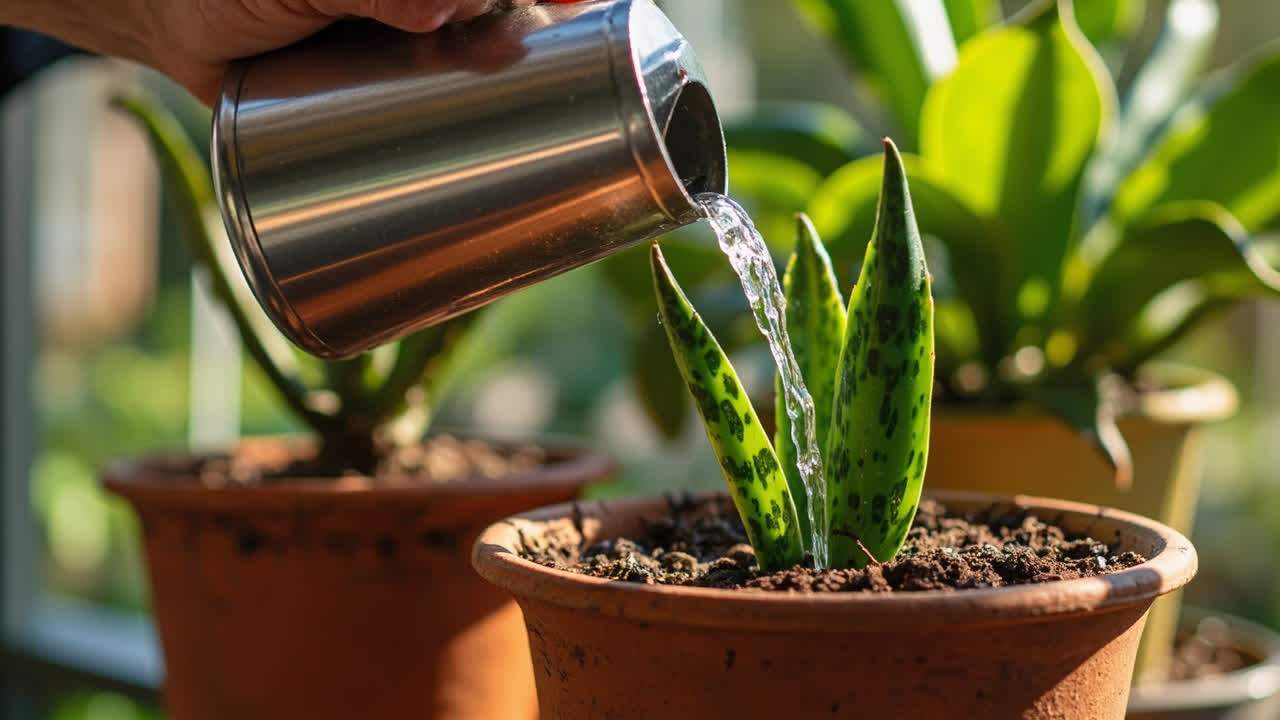
Outdoor Strelitzia in full sun and warm conditions can need water every day during heat waves, particularly in containers. In-ground plants in moderate climates may need watering only every 3 to 5 days during dry summer periods. The rule is the same as for indoor Strelitzia — water when the top 2 inches of soil feel dry — but the frequency is compressed because outdoor conditions accelerate moisture loss through evaporation from the soil surface and transpiration from the large leaf mass.
The danger that is specific to outdoor growing is waterlogging from excessive rain, particularly for container plants. Strelitzia roots rot quickly in waterlogged conditions. Containers must have drainage holes — multiple holes, not a single central one — and the pot should be elevated slightly off the ground so the holes cannot become blocked by debris or standing water. In climates with high summer rainfall, position containers under an overhang or on a raised surface where rain cannot saturate the pot from below.
Frost Protection and Winter Care
The frost threat is the primary constraint for outdoor Strelitzia in cool-winter climates. For container plants, the simplest solution is to bring them indoors when night temperatures start dropping toward 55°F (13°C) — earlier is better than late. Do not wait for frost warning; by then the plant may have already received cold exposure that suppresses spring growth.
For in-ground plants in marginal frost climates, frost cloth is the first line of defence. A single layer of lightweight frost cloth (sometimes called row cover or remay) provides 2°F to 4°F of frost protection by trapping radiant heat from the soil. For more significant cold events, layer two covers or use a heavier grade. Drape the cloth all the way to the ground — the trapped air layer beneath is what provides the insulation, not the fabric itself. Remove the cloth during the day when temperatures rise above freezing to allow the plant to respire and photosynthesise normally.
Mulching the root zone of in-ground Strelitzia with 4 to 6 inches of organic mulch — straw, compost, bark chips — provides significant root zone insulation during frost events. The rhizome and root system is the most cold-sensitive part of the plant; protecting it from freeze cycles is more important than protecting the foliage, which can be cut back and will regrow from the rhizome if the roots survive.
Seasonal Transitions: Bringing Plants Inside and Outside
The two annual transitions are the highest-risk moments in container Strelitzia management. Both directions — inside to out and out to in — require a structured approach to avoid stressing the plant.
Bringing indoors in autumn: monitor night temperatures and act when 55°F (13°C) is consistently forecast. Bring the plant inside before the first frost. Before bringing it in, inspect it thoroughly for pests — specifically the undersides of leaves and the junction between leaf and stem — where spider mites and mealybugs shelter. Any visible pest activity should be treated before the plant enters the indoor environment where it can spread to other houseplants. Once inside, place the plant in the brightest available position and reduce watering to match the slower growth rate.
Moving back outside in spring: reverse the transition protocol used for sun exposure. Begin with a shaded outdoor position for 3 to 5 days, then partial shade for a week, then full sun. Do not rush this. A Strelitzia that has spent winter in low interior light is just as vulnerable to photoinhibition as one coming from an indoor position in summer — possibly more so, because the winter low-light period will have reduced its chlorophyll density. For plants that have been indoors all winter, start the outdoor transition in early spring rather than late spring to take advantage of the naturally gentler light conditions.
Turn That PDF Into a Spreadsheet in Minutes
You've seen how to do it manually — now let the tool handle the heavy lifting. Upload your bank statement and get Excel, CSV, or QBO in a few clicks.
Try It Free