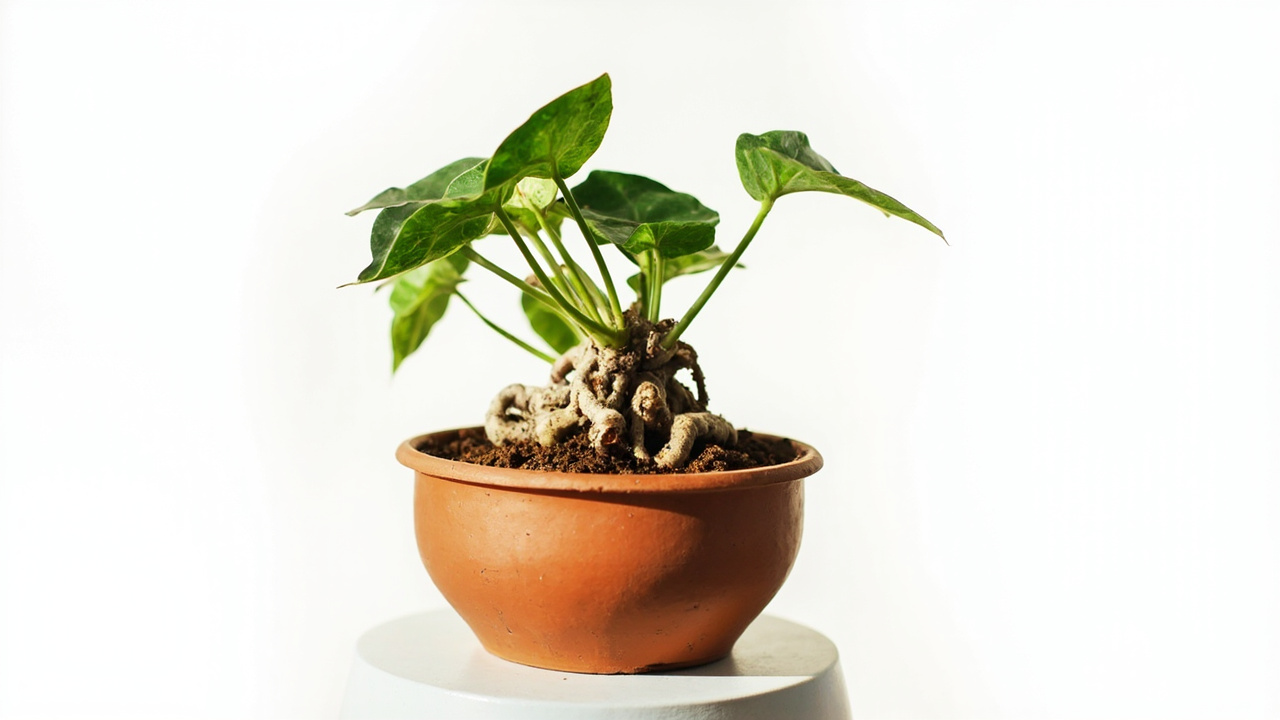
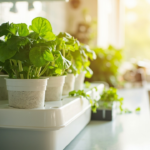
Anthuriums want consistent moisture but they do not want to sit in wet mix. That distinction is the single most important thing to understand about watering anthuriums, and getting it right eliminates the majority of the problems people have with these plants. The epiphytic root system — the same architecture that makes orchids sensitive to overwatering — makes anthuriums far more susceptible to root rot from waterlogged soil than to damage from occasional drought.
The practical shorthand is this: water thoroughly when the top 1–2 inches of the potting mix feel dry to the touch. In most indoor conditions, this means watering roughly every 7–10 days in summer and every 10–14 days in winter, but the mix dryness test always supersedes the calendar. The same plant in a small pot in low light in winter might need water only every three weeks; the same plant in a warm, bright room in summer might need it every five days. The mix check is the rule, not the schedule.
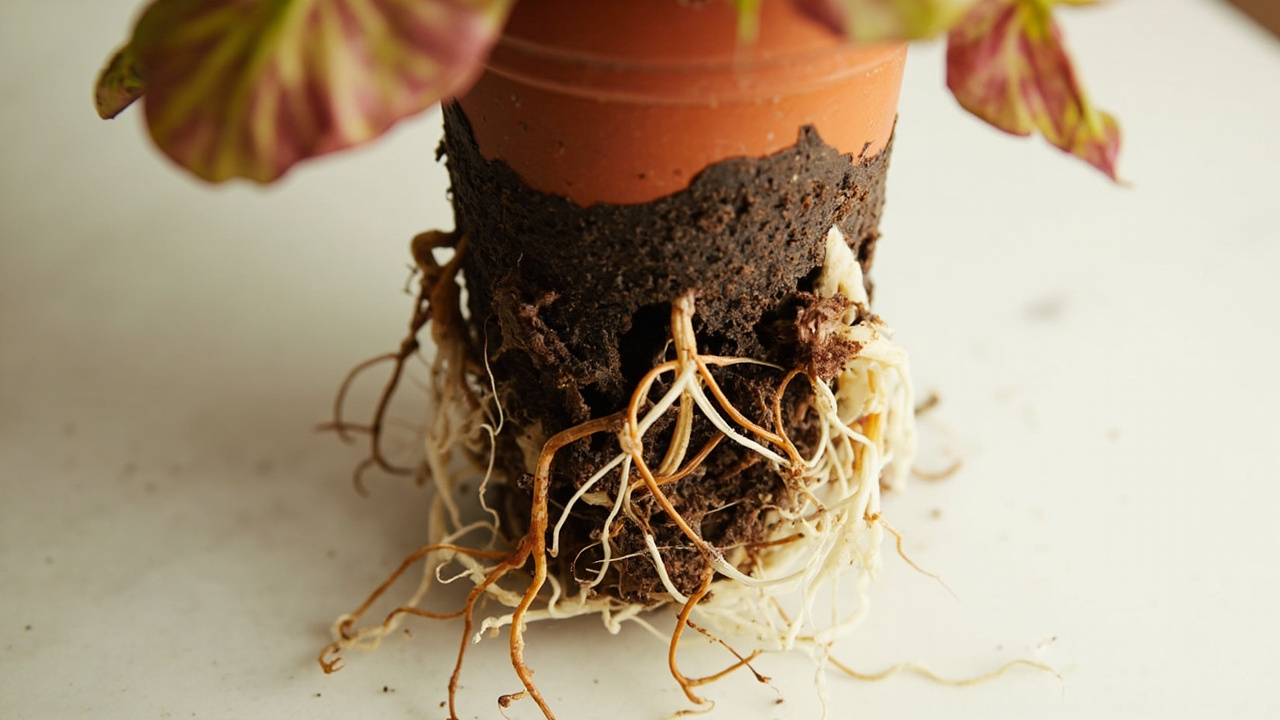
Why does their epiphytic root system make them different from typical houseplants? In the wild, anthuriums grow wedged into tree bark and rocky crevices where their roots are exposed to air as much as water. Those roots are structurally adapted to absorb moisture and nutrients from humid air and rainfall that wets the surface briefly and then dries quickly. A standard peat-based potting mix, which stays evenly moist for days, creates exactly the wrong moisture profile — it suffocates the roots by filling all the air pores with water and creates the anaerobic conditions where fungal root rot begins. This is the root system context for every watering decision you make. The anthurium care guide covers the broader care system this fits into.
The Anthurium Watering Rule
The rule is simple: insert your finger into the potting mix up to the second knuckle. If it feels dry at that depth, water thoroughly until the mix is evenly moist and water flows freely from the drainage hole. If it still feels damp, wait. The top layer of any potting mix dries first due to evaporation; the roots of an epiphytic plant like an anthurium live in the lower two-thirds of the pot, and that’s where the moisture check matters.
Seasonally, the watering frequency shifts with temperature and growth rate. In spring and summer, when temperatures are warmer and the plant is actively growing, the mix dries faster and watering frequency increases. In autumn and winter, when growth slows and temperatures drop, the mix stays wet longer and watering frequency drops. A plant that needed water every 7 days in July might need it every 14 days in January. The temperature is the driver — a plant kept in a consistently warm room year-round will maintain a more consistent watering rhythm than one that moves between a warm summer room and a cooler winter room.
How to Water Step by Step
- Check the mix with your finger: top 1–2 inches dry means water; any remaining moisture means wait.
- Water thoroughly with tepid (room temperature) water until it flows freely from the drainage hole — this ensures the entire root mass is moistened, not just the top layer.
- Empty any saucer or cache pot beneath the pot within 5–10 minutes of watering. Anthuriums should never sit in standing water.
- If the mix was very dry and water runs straight through without absorption, place the pot in a tray of water and let the mix draw moisture from below — this is called bottom watering and is useful for rehydrating a severely droughted anthurium.
The anthurium soil requirements directly affect how you water: a chunky, fast-draining aroid mix will dry faster and need watering more frequently than a standard potting mix, but it will also drain faster and be much harder to overwater accidentally. Using the correct mix is the best protection against overwatering mistakes.
Water Quality and Temperature
Anthuriums are moderately sensitive to water quality. They do best with filtered water, rainwater, or distilled water — water that has been stripped of chlorine, fluoride, and the dissolved mineral salts that can build up in the potting mix over time. Tap water in many areas is acceptable if it is not heavily chlorinated; if your tap water smells strongly of chlorine, filter it or leave it in an open container overnight before using.
Water temperature matters more than most people realise. Cold water shocks the root system and can cause temporary wilting and root stress. Always use room-temperature or slightly warm water — roughly 65–75°F / 18–24°C. This is especially important in winter when tap water can be significantly colder than the ambient room temperature.

Signs You’re Overwatering or Underwatering
Root rot in anthuriums is almost always a result of overwatering — mixing staying wet for too long between waterings, or the pot lacking adequate drainage. The symptoms progress in this order: older leaves turn yellow first (normal senescence also causes lower leaf yellowing, so context matters); the plant looks generally tired and lacks vigour; the base of the stem becomes soft or discoloured; and eventually the whole plant collapses. By the time the above-ground symptoms are severe, the root rot has usually progressed significantly.
The early warning signs of overwatering are: mix that stays wet for more than 10–14 days between waterings (too slow to dry); a musty or sour smell from the pot (fungal activity in waterlogged organic matter); yellowing of multiple leaves simultaneously; and a general loss of turgor even when the mix is moist. If you see these signs, stop watering immediately, check the drainage holes, and if the pot is not draining freely, repot into fresh chunky mix. Root rot in anthuriums is covered in detail in the dedicated article, including the limited recovery options.
Underwatering is easier to recover from. The symptoms are: leaves losing turgor and drooping slightly; the mix pulling away from the sides of the pot (a visible gap between the mix and the pot edge); and new leaves emerging smaller than expected. A thorough watering — or bottom watering for a severely droughted plant — typically restores the plant within 24 hours. Chronic underwatering (the plant is consistently dried out) will eventually stunt growth and reduce blooming, but it does not cause the irreversible root damage that overwatering does.
Seasonal Adjustments
Yellowing anthurium leaves in autumn or winter are often misattributed to overwatering when the real cause is a seasonal shift in how the plant uses water. As temperatures drop and daylight hours shorten, anthuriums slow their metabolic rate and reduce water uptake. A watering frequency that was correct in July can easily cause overwatering in December even if nothing else has changed.
The practical adjustment: in autumn, begin extending the interval between waterings. Check the mix with your finger every few days as a guide; when it feels dry at the second knuckle, water — not on a fixed schedule. In unheated rooms or rooms that cool significantly at night, the mix will dry much more slowly than in a consistently warm room. Some anthuriums also enter a semi-dormant period in winter where they produce no new growth and require minimal water — reducing to watering every 2–3 weeks is appropriate in these cases.
How Watering Connects to Leaf Yellowing
When anthurium leaves yellow, the root cause is in the soil more often than the foliage. Overwatering reduces the oxygen available to the roots, impairing their ability to absorb nutrients — which manifests as yellowing even if the fertiliser in the mix is adequate. Underwatering causes a different yellowing pattern: the plant is drought-stressed and diverts resources away from older leaves toward the growing tip, causing the lower leaves to yellow and drop.
Indoor plant yellowing in general follows these patterns, and the same diagnostic logic applies to anthuriums: check the soil moisture first, the drainage second, and only then consider whether the plant needs feeding or more light.
From PDF to Excel in one click
Forget retyping line by line. Upload any bank statement, get a spreadsheet you can actually use. Your files are never stored, and you can test the converter with 3 free conversions.
Try it free