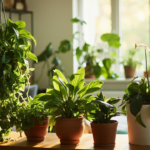
Anthuriums — specifically Anthurium andraeanum, the plant most people mean when they say “anthurium” — are among the most rewarding indoor bloomers you can grow. The heart-shaped spathe, technically called a spath, comes in deep red, pink, white, and coral, and it lasts for weeks under the right conditions. The actual flower is the small spike (spadix) at the centre; the waxy colourful part is a modified leaf. Knowing this distinction matters when you are diagnosing why your plant is not blooming.
The shorthand for anthurium care is this: bright indirect light, moderate watering, chunky fast-draining mix, and high ambient humidity. Get those five things right and an anthurium will grow steadily, push out new leaves, and bloom two to three times a year with minimal intervention. The plant’s tropical Central and South American understory origin explains why it needs consistent warmth, humidity, and protection from direct sun more than it needs heavy feeding or complex routines.
Understanding What Anthuriums Need
Anthuriums are aroids — members of the Araceae family alongside peace lilies, monsteras, and philodendrons. In the wild they grow as epiphytes or semi-epiphytes, wedged into tree bark and crevices where their roots get as much air as moisture. That epiphytic heritage is the single most important thing to understand about anthurium care: their roots evolved to breathe.
That need for oxygen at the roots is why a standard peat-based potting mix is the wrong medium for anthuriums. It holds too much water, compresses around the roots, and creates exactly the anaerobic, waterlogged conditions that anthurium roots cannot tolerate. Everything else in anthurium care flows from this root architecture. The epiphytic root system also explains why anthuriums need consistent humidity — in their native understory environment, the air around the roots is almost always humid.
Light : Bright Indirect Is the Sweet Spot
Anthuriums grow and bloom best in bright indirect light. This means a location that receives strong ambient light — within a metre of an east or west-facing window, or slightly further back from a south-facing window with sheer curtains — but where the sun’s direct rays never fall on the leaves. Direct sun scorches anthurium leaves rapidly, bleaching the waxy spathe and creating brown papery patches on the foliage.
The mechanism behind blooming is worth knowing: anthuriums use day length and light intensity as signals to initiate spath production. Insufficient light means the plant never gets the signal to bloom, even if everything else is correct. This is the most common reason for anthuriums that look healthy and green but never flower. The spath is a modified leaf, and like all leaves, it needs adequate light energy to develop the anthocyanin pigments that give it colour.
Watering : The Most Common Failure Point
Anthuriums are often killed by kindness — specifically, overwatering. The epiphytic root system cannot tolerate sitting in wet mix. The symptoms of overwatering typically appear slowly: yellowing leaves, a general look of exhaustion, a musty smell from the pot, and eventually root rot, which is irreversible once it progresses beyond the early stages.
The correct approach is to let the top 1–2 inches of the potting mix dry out completely before watering again. Insert your finger into the mix up to the second knuckle; if it feels dry at that depth, water thoroughly until it flows freely from the drainage hole, then empty any saucer beneath the pot within a few minutes. This is not a plant that wants to stay evenly moist. Think of it as a plant that wants a good drink and then a period of drying out — similar to how many orchids are managed. The anthurium watering guide covers the method, frequency range, water quality, and seasonal adjustments in full detail.
The honest trade-off with anthurium watering is this: underwatering is recoverable, usually within a day or two of a thorough watering. Overwatering that has progressed to root rot is not recoverable — the only option is to take cuttings if possible and start over. When in doubt, err toward slightly dry rather than slightly wet.

Soil and Potting Mix
The soil requirements for anthuriums are specific and non-negotiable in a way that many other houseplants are not. A standard peat-based potting mix holds too much water and compacts around the roots, cutting off the oxygen supply the plant needs. The ideal anthurium mix is chunky, fast-draining, and slightly acidic (pH 5.5–6.5). A reliable recipe by volume is: 40% fine orchid bark or pine bark fines, 30% perlite or pumice, 20% coco coir or sphagnum peat moss, and 10% horticultural charcoal.
Repotting should happen every 1–2 years, ideally in spring at the start of active growth. The signals that trigger repotting are: roots growing visibly from the drainage holes, water running straight through the pot without absorption, or the plant requiring watering more frequently than every 4–5 days because it has taken up most of the pot volume.
Humidity and Temperature
Anthuriums are comfortable in the same temperature range humans prefer: 65–80°F / 18–27°C. Below 55°F / 13°C the plant stops growing and begins to show stress. Sustained cold below 50°F / 10°C causes irreversible damage to the foliage and can kill the plant. For increasing humidity for houseplants in a domestic setting, the practical options are: grouping plants together, placing the pot on a humidity tray, running a humidifier nearby, or locating the plant in a naturally more humid room.
The honest limitation here is that most households in temperate climates maintain 30–50% relative humidity in winter, which is too dry for consistent anthurium health. If you cannot provide 60%+ humidity, the practical compromise is to accept some brown leaf edge — this is cosmetic, not fatal — and keep the watering careful to compensate.
Feeding for Consistent Blooms
Anthuriums are not heavy feeders. Over-fertilizing is more common than under-fertilizing and causes salt buildup that burns roots and browns leaf tips. Use a balanced liquid fertiliser diluted to half the strength recommended on the label, apply every 4–6 weeks during active growth (spring through summer), and stop feeding entirely during autumn and winter when growth naturally slows.
The fertilizing schedule for anthuriums follows a simple principle: use a bloom-formula fertiliser with a slightly higher phosphorus ratio (the middle number in NPK) for more spathes, at half strength. An anthurium that receives too much nitrogen relative to phosphorus will grow large, impressive leaves and few or no spathes.
Troubleshooting Common Anthurium Problems
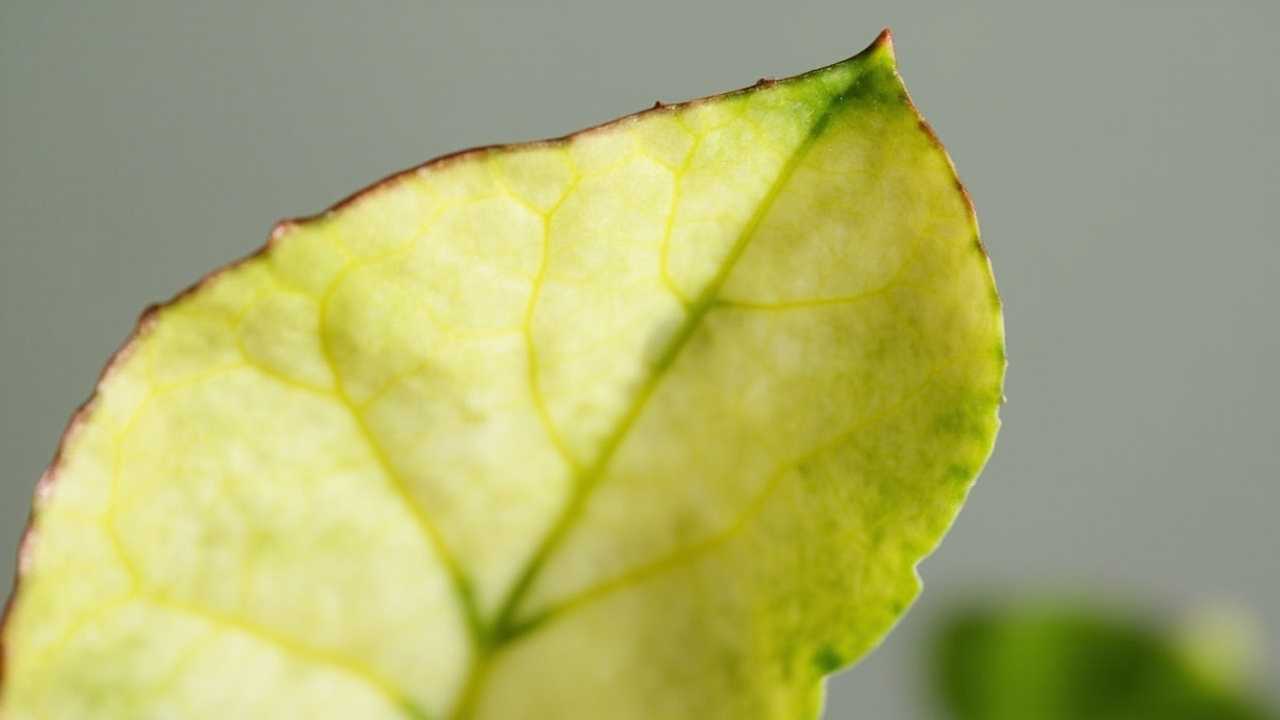
Yellowing anthurium leaves most commonly indicate overwatering, underwatering, or nutrient deficiency — in that order of likelihood. The diagnostic clue is which leaves turn yellow: if it is the oldest (lowest) leaves, that is normal senescence and nothing to worry about. If it is middle or upper leaves, or multiple leaves simultaneously, the cause is usually a root zone problem — either too wet or too dry. Check the mix with your finger before doing anything else.
The most important diagnostic habit for anthuriums is to check the root zone before adjusting anything above ground. Anthuriums signal problems through their roots before the foliage shows symptoms. A plant that looks unwell from above is usually reacting to something happening below.
Brown Tips and Leaf Edge Damage
Brown tips on anthuriums have three common causes: low humidity (the most common, especially in winter when indoor air is dry), fluoride or salt sensitivity from tap water or fertiliser, and inconsistent watering that alternates between drought and flood. Low humidity is the most actionable cause. Even if you cannot raise the room humidity to 60%, keeping the plant away from heating vents and cold drafts will reduce the severity of brown edge damage significantly.
Turn PDF Bank Statements Into Workable Spreadsheets
Your bank statement is a mess of numbers, but your books shouldn't be. Use our converter to get Excel, CSV, or QBO files — ready for QuickBooks.
Try It Free Now