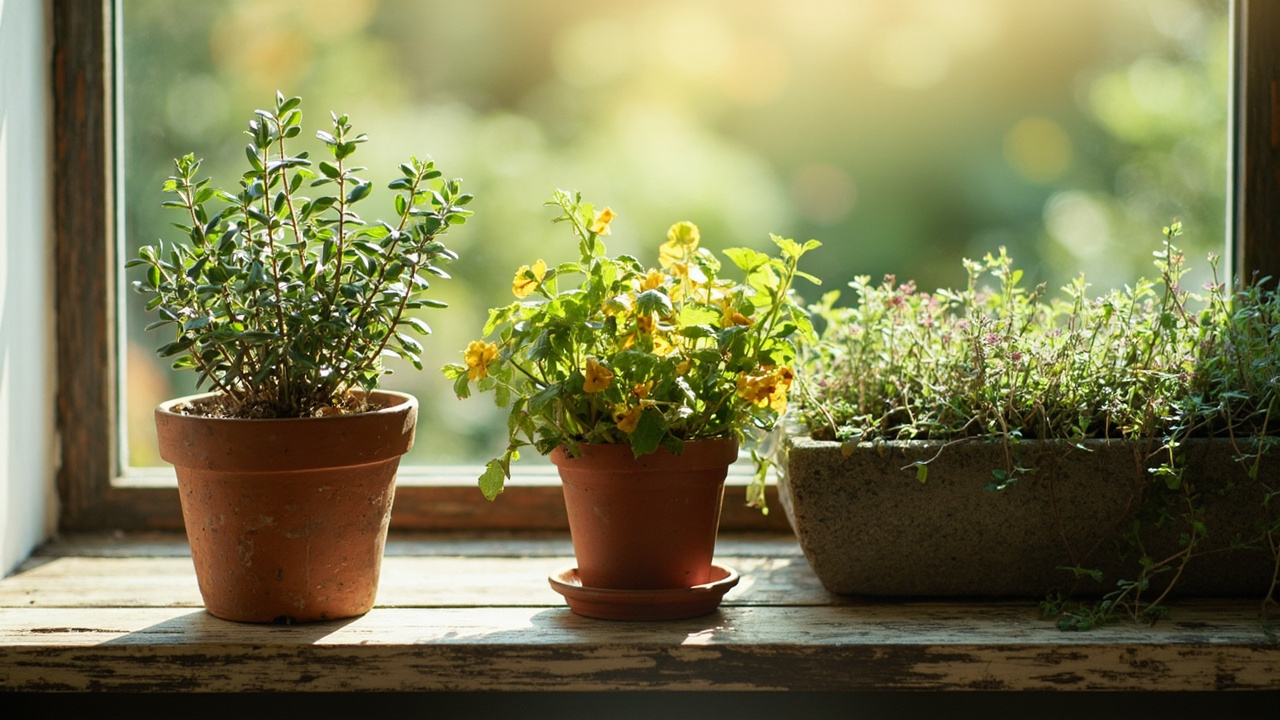
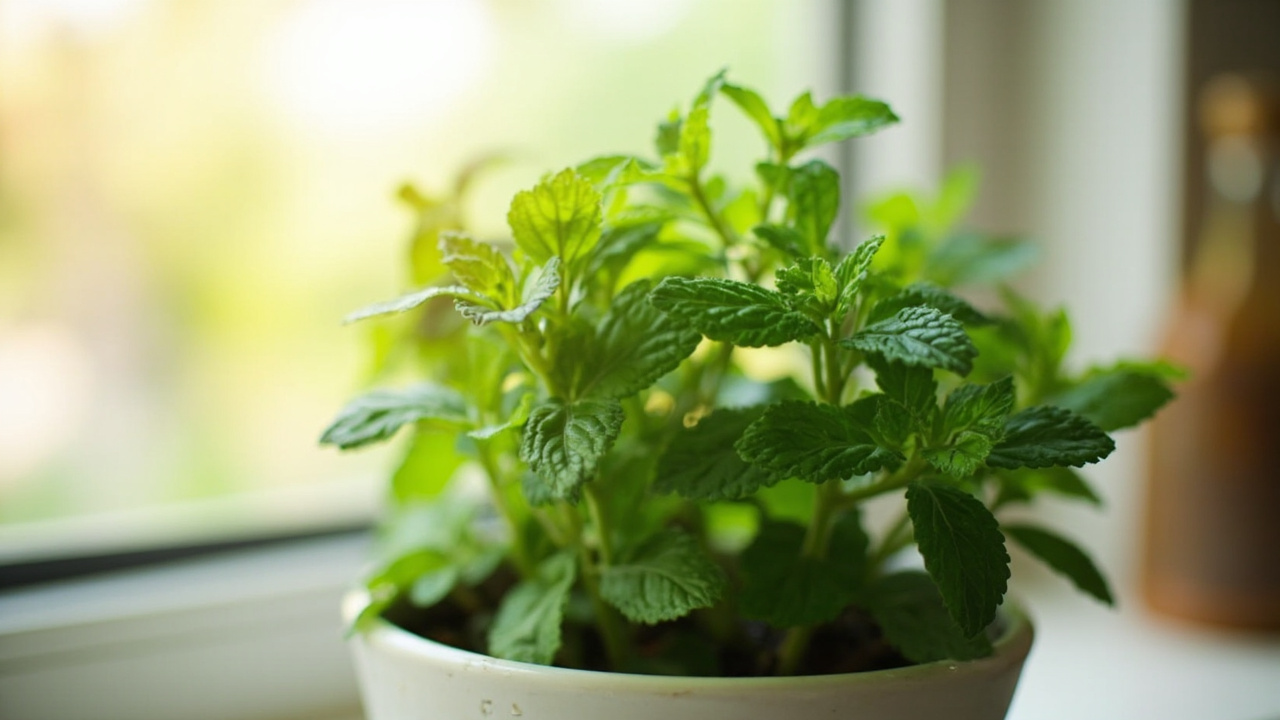
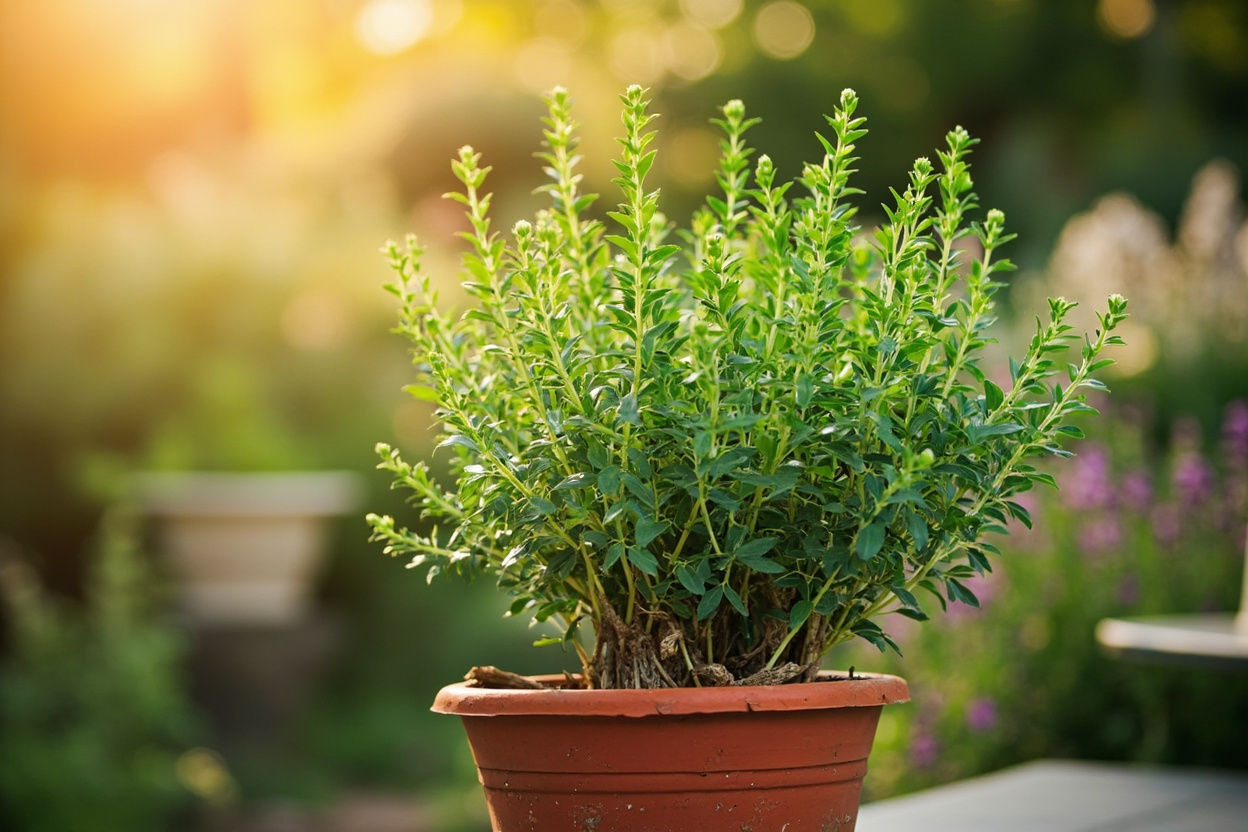
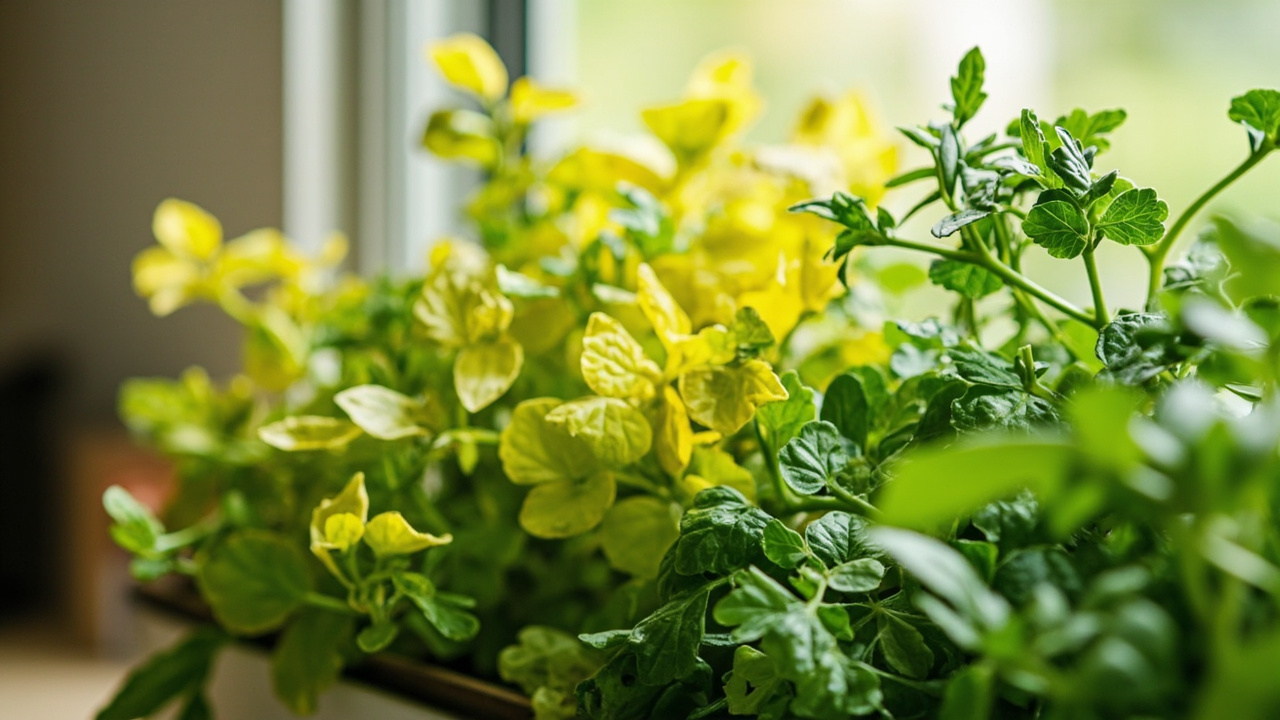
Indoor herbs get yellow leaves for a few common reasons: wet roots, weak light, natural aging, hungry soil, or stress after a heavy harvest. The fix depends on where the yellowing starts and what changed in the setup.
A few old lower leaves are not a crisis. Fast yellowing across the plant, soft stems, sour soil, or stalled new growth means the herb is under real stress and needs a correction.
Check Whether the Yellow Leaves Are Old Growth
Older lower leaves naturally age out, especially on basil, mint, parsley, and cilantro after repeated harvests. If the top growth is green and active, remove the old leaves and keep watching.
If new leaves are also pale, small, or weak, the issue is not just aging. Move through light, water, roots, and nutrients in order.
Look for Wet Roots First
Overwatering is the most common indoor herb yellowing problem. Pots without drainage, standing saucers, and dense soil keep roots short on oxygen. The plant responds with yellow lower leaves and slow growth.
Use the pot standards in indoor herb garden pots: drainage hole, saucer you can empty, and a mix that does not stay heavy.
Check Light Before Adding Fertilizer
Weak light makes herbs pale and unproductive. If stems also stretch, use the diagnosis in indoor herbs leggy and move the plant closer to stronger light.
An indoor herb garden grow light is often a better fix than fertilizer because the plant needs energy before it can use extra nutrients well.
Feed Lightly Only After Conditions Are Correct
If the plant has good light, proper drainage, and active new growth but still looks pale, the potting mix may be depleted. Use a diluted, balanced feed rather than a strong dose.
Herbs are harvested for leaves, so steady mild nutrition is better than boom-and-bust feeding. Too much fertilizer can produce soft growth with weaker flavor.
Match the Fix to the Herb
Indoor basil often yellows from wet roots or old age. Indoor mint may yellow when crowded or thirsty. Indoor cilantro can yellow as it bolts or finishes its short cycle.
Indoor parsley is slower, so yellowing often points to moisture swings, weak light, or an exhausted pot.
Know When to Restart the Pot
If the herb is mostly yellow, rootbound, flowering, or woody, restarting may beat rescuing. Take cuttings from mint, sow fresh cilantro, or replace exhausted basil with a young plant.
For the next round, rebuild the setup from Aqualogi’s indoor herb garden for beginners so light, pots, and watering are already aligned.
From Bank Statement to QuickBooks-Ready File
That manual cleanup you just read about? This tool skips it. Turn your PDF into QBO for QuickBooks without storing your data anywhere.