Alocasia leaf drop can be normal cycling, seasonal dormancy, or a stress signal, and the speed of the drop is the first thing to read. A single older leaf letting go every few weeks is usually the plant’s normal turnover. Multiple leaves dropping in a week, with the petioles still soft and green, is something else entirely and usually points to root trouble, cold shock, or sudden environmental change.
The right way to read an Alocasia shedding leaves is to look at four things at once: how fast the leaves are going, how many are involved, whether the petiole is firm or mushy where it meets the rhizome, and what the soil and the room are doing. The page below is organized around those four signals so the cause shows up before the cure is decided.
First Decide How Fast The Leaves Are Dropping
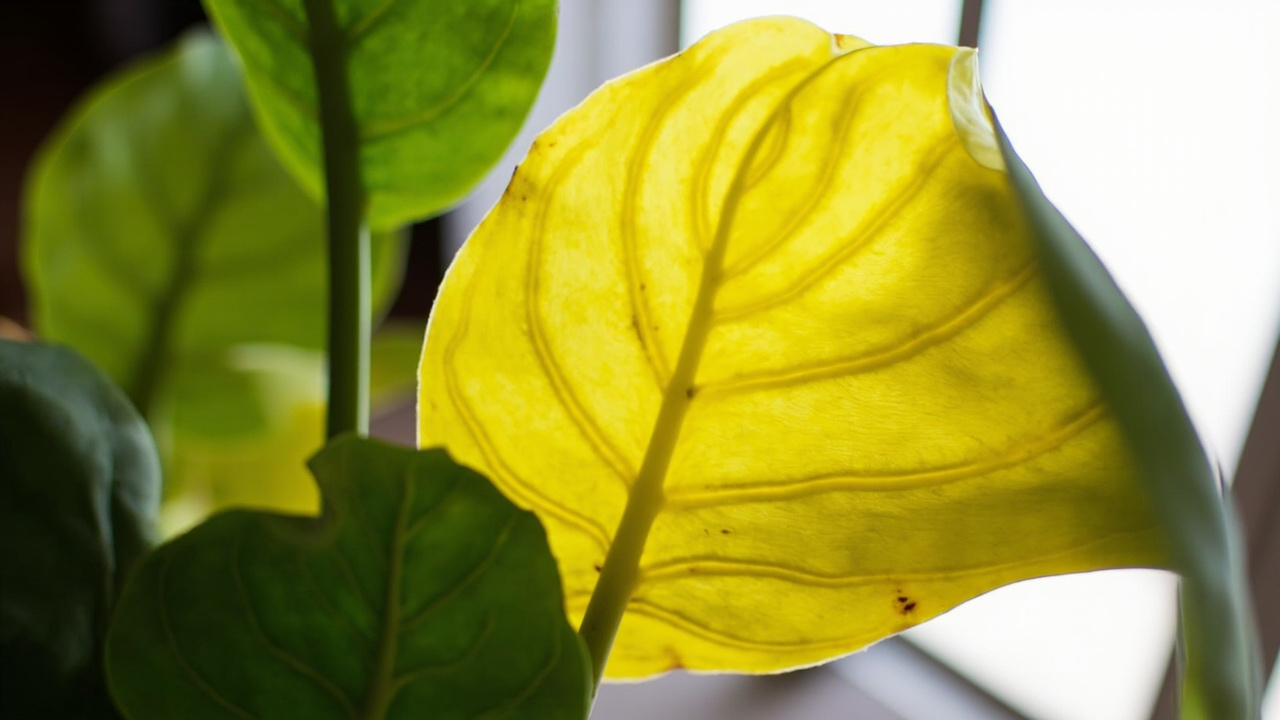
Alocasia leaves do not last forever. A mature plant may keep three to seven leaves on the rhizome at any one time, and as new growth comes in, the oldest leaf is reabsorbed and drops. A single leaf going yellow and then letting go over a week or two is part of that cycle, especially on plants that just pushed a new leaf out. The petiole usually yellows first, then the leaf stem softens, and the leaf detaches cleanly with a light tug.
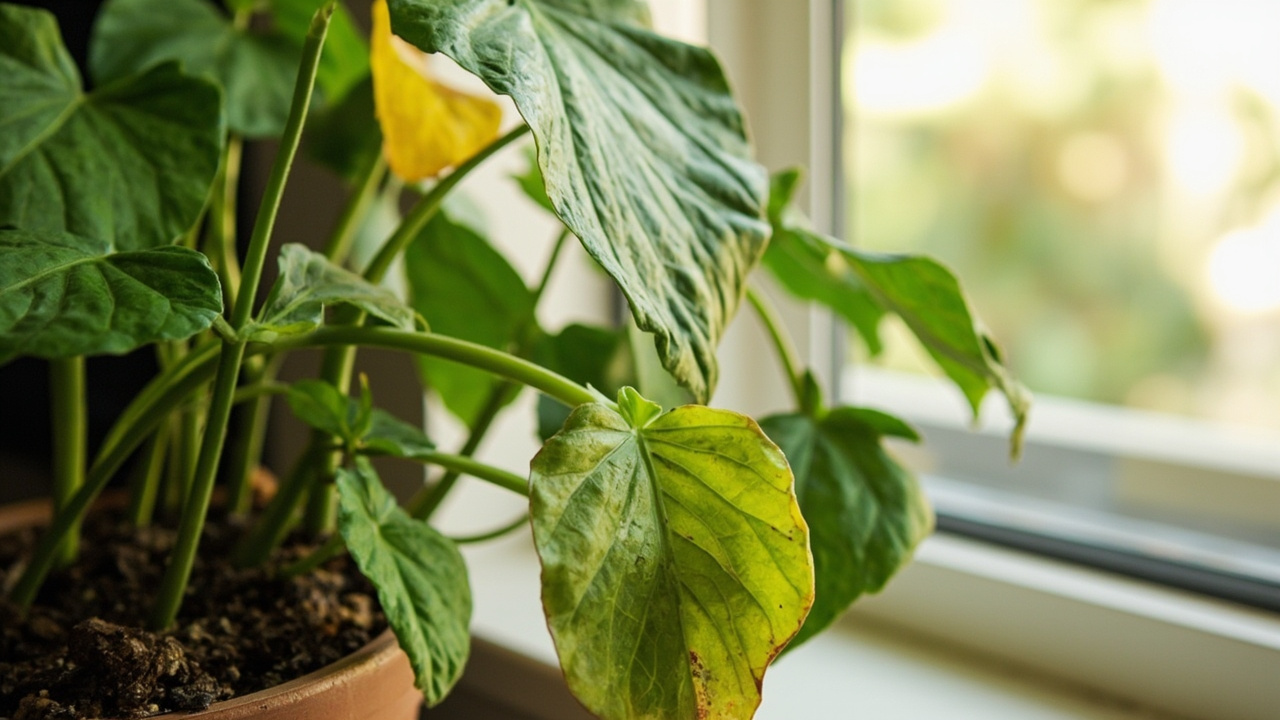
Rapid multi-leaf collapse looks very different. Two or more leaves go limp within 24 to 48 hours, often with the petiole still green and the leaf blade still green. The whole plant looks like it has given up. That speed is not normal cycling, and the cause is almost always outside the plant, in the soil, the temperature, or the recent history of moves and drafts.
The second tell is the petiole base. Press a finger against the joint where the petiole meets the rhizome. A firm, woody base is alive and storing energy. A soft, mushy, or hollow base is rot and needs to be investigated immediately. A green but bending petiole is in between, and is usually a sign of underwatering or shock rather than disease.
Treat this as the leaf-loss branch of the broader Alocasia problems map. The yellowing guide covers the color signal; this page covers the loss-of-foliage signal. They overlap on the root and humidity causes, and reading both pages together is usually faster than trying to use just one.
Normal Leaf Cycling And Dormancy
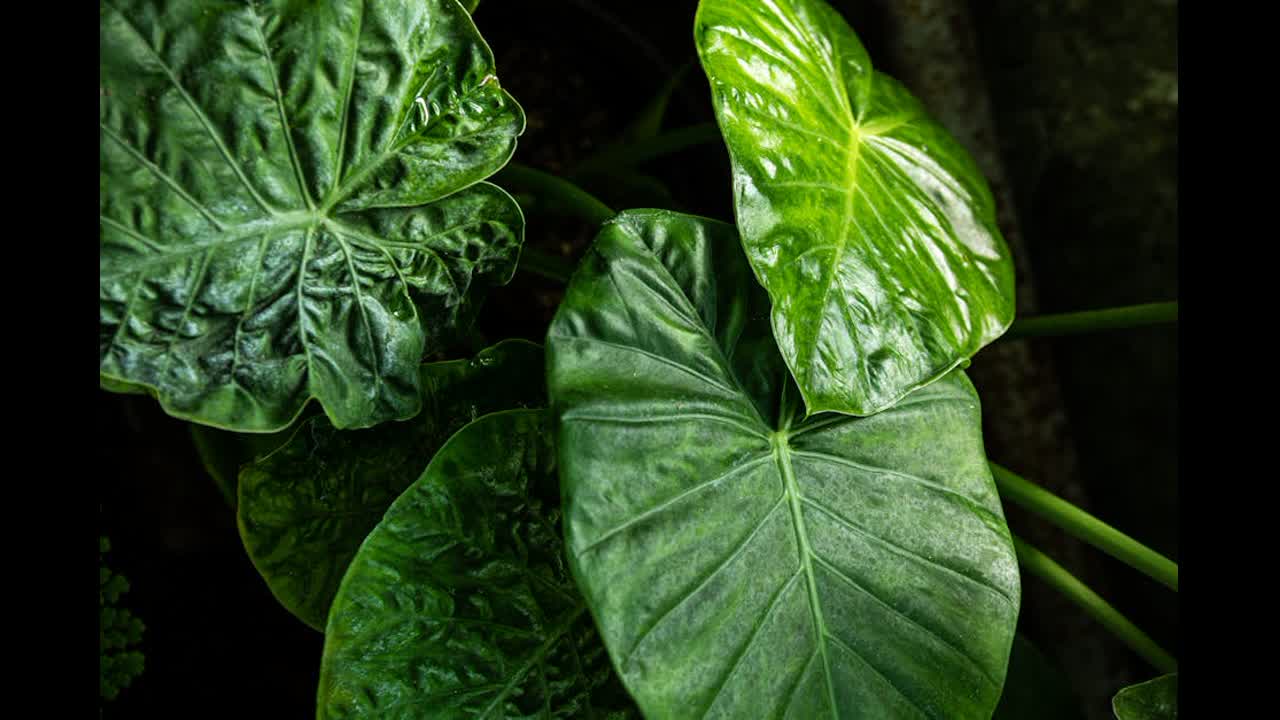
Alocasia, especially the popular Alocasia amazonica, Alocasia zebrina, and Alocasia polly, are not heavy-foliage plants. They hold a relatively small number of leaves on a single rhizome, and they cycle through them. A plant that is keeping three to five healthy leaves and shedding one a month is in a steady state, not in decline. The shed leaf is usually fully yellow, sometimes with a brown stem, and the rhizome still feels firm.
Dormancy is a different cycle and catches many growers off guard. In late fall, when the days shorten and the indoor temperature drops, an Alocasia may shed all of its leaves and look completely dead above the soil. The rhizome is usually still firm and full of stored energy, and a new leaf will push out 6 to 12 weeks later when the room warms up. Do not throw the plant out during dormancy. Cut back on watering, keep the soil barely moist, and wait.
A leaf often yellows before dropping, so compare the color pattern with Alocasia yellow leaves. The honest trade-off is that a yellowing leaf is a single page in the diagnostic story, and the rest of the plant’s behavior is what tells you whether the yellowing is a natural lead-up to a drop or a warning of root trouble.
Root Stress And Wet Soil
When multiple leaves drop in a short window, the most common cause is root stress from a mix that stays too wet or a pot without proper drainage. Alocasia rhizomes are built to store energy, but the fine feeder roots that bring water and nutrients into the rhizome are thin and oxygen-hungry. A dense, peat-heavy mix suffocates them within a week or two of overwatering, and the rhizome responds by cutting supply to the leaves. The leaves go limp, then yellow, then drop, in that order.
Check the soil and the pot at the same time. Stick a finger 2 to 3 cm into the top of the soil 24 hours after a thorough watering. If the soil is still damp at that depth, the mix is holding too much water. Lift the pot; a healthy Alocasia pot should feel noticeably lighter two to three days after watering. If the pot still feels heavy after five days, the mix is too dense, the pot is too large for the root mass, or the drainage holes are blocked.
Root rot is the worst-case version of this. The rhizome goes soft and dark, sometimes with a sour smell, and leaves drop in clusters. Stop watering immediately, unpot the plant, and inspect the rhizome. Cut away any soft or smelly sections with a clean knife, dust the cuts with cinnamon or a fungicide, and repot into a fresh, chunky mix in a clean pot with working drainage. Recovery is possible if the rhizome is still mostly firm and at least one growth point is intact.
Leaf drop after slow dry-down often points back to the drainage limits in Alocasia soil requirements. The right airy mix gives the feeder roots the oxygen they need, and it lets excess water leave the pot within seconds of a watering instead of pooling in the lower half of the root ball.
Cold Shock And Temperature Swings
Alocasia collapses fast when the temperature dips below about 60°F / 16°C, especially at night. A leaf that was upright at dinner and is on the floor by morning is almost always a cold-shock signal, not a slow decline. The petiole is usually still green and may even still be turgid for an hour or two after the leaf has gone limp, which is the tell that this was a temperature event, not a root event.
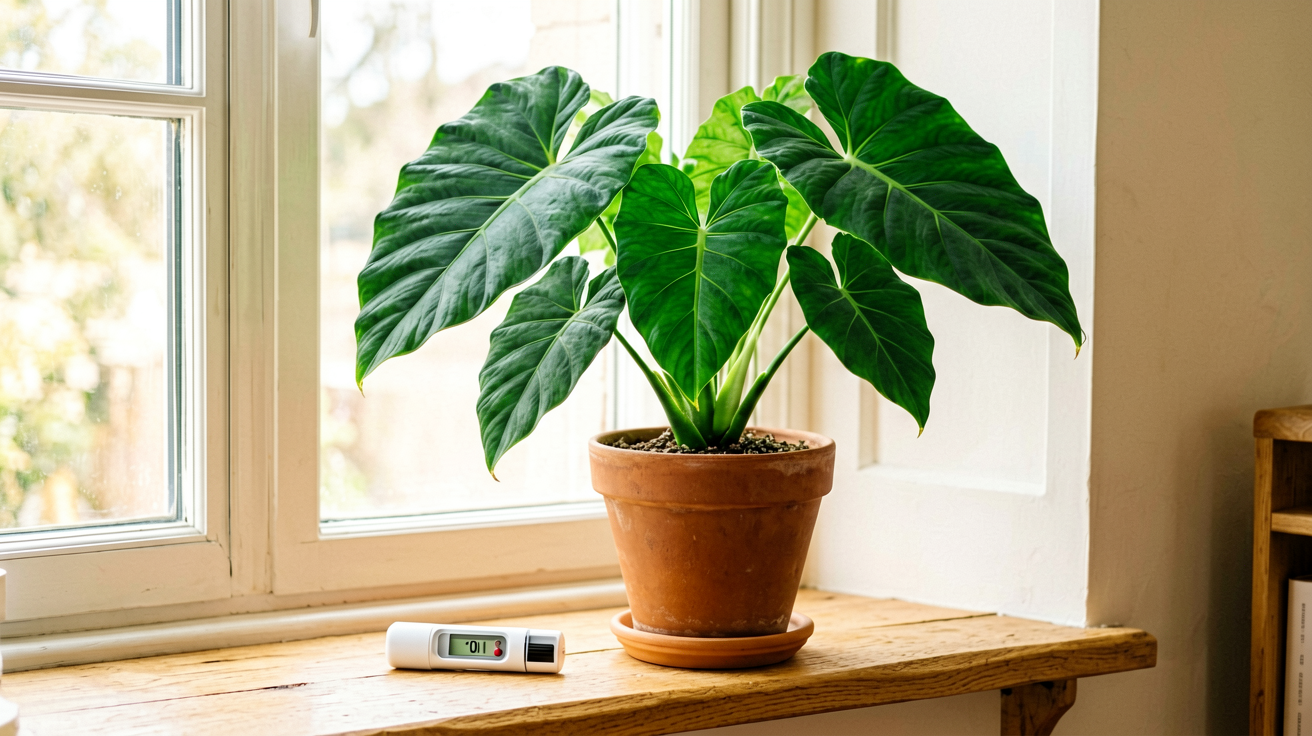
The most common cold-shock sources are windows in winter, AC vents in summer, and doorways that open to the outside. An Alocasia 30 cm back from a window is usually safe; one touching the glass on a cold night is not. Move the plant back from the glass, close the curtains on cold nights, and rotate the pot 90° away from any vent that blows directly on the leaves.
Sudden collapse after a cold night should be checked against Alocasia temperature tolerance. The 60 to 80°F / 16 to 27°C range is the comfortable window; anything below 55°F / 13°C for more than a few hours will damage leaf tissue, and a single night below 50°F / 10°C can drop multiple leaves at once.
Acclimation, Humidity, And Placement Shock
An Alocasia brought home from a nursery, moved to a new room, or repotted into a new pot will often drop one or two leaves in the first 2 to 4 weeks. This is acclimation stress, and it is normal up to a point. The plant is redirecting energy from the older leaves to the new root system, and the oldest leaf pays the cost. The new growth at the top, when it comes in, is the real signal of whether the plant has settled.
- Newly purchased plant: drop the one or two oldest leaves is common. Keep the soil lightly moist, hold off on fertilizer, and avoid repotting for at least 4 to 6 weeks.
- Recent move across rooms: light and humidity are different. Drop is normal for the first 2 weeks; expect new growth to be smaller until the plant adjusts.
- Repotting: the roots were disturbed, and the oldest leaf often yellows as a result. Wait 6 to 8 weeks before judging the new pot.
- Dry air in winter: indoor humidity can drop to 25% or lower when the heat is on, and the leaves respond by crisping at the edges and dropping prematurely. A humidity tray or a small humidifier in the same room is the usual fix.
Dry air rarely acts alone, so compare leaf behavior with Alocasia humidity requirements. Most Alocasia are happiest at 60% relative humidity or higher, and a plant in a 30% room is spending most of its energy on water loss rather than growth.
What To Watch Before You Panic
Use this short list to decide whether to wait or to investigate the roots. Most of the time, the right answer is to wait.
- One yellow leaf, the rest firm: normal cycling. Wait 4 to 6 weeks for new growth before doing anything.
- All leaves dropped, rhizome firm: dormancy. Cut back water, do not fertilize, and wait 6 to 12 weeks for a new leaf.
- Leaves limp but not yellow, soil still wet: root stress. Check drainage, unpot if needed, and let the soil dry out before the next drink.
- Leaves limp with a sour smell from the soil: rot. Unpot, trim the soft sections of the rhizome, and repot into a clean, dry, chunky mix.
- Leaves collapsed within 24 hours of a cold night or a move: shock. Move to a stable spot, hold off on water for 5 to 7 days, and watch the rhizome.
The plant is more resilient than the leaf drop looks. Most Alocasia that lose all their leaves will come back from the rhizome if the cause is fixed and the soil is allowed to dry out. The yellow leaf is already lost; the goal is to keep the rhizome firm and the next leaf clean.
From Bank Statement to QuickBooks-Ready File
That manual cleanup you just read about? This tool skips it. Turn your PDF into QBO for QuickBooks without storing your data anywhere.
Start Converting