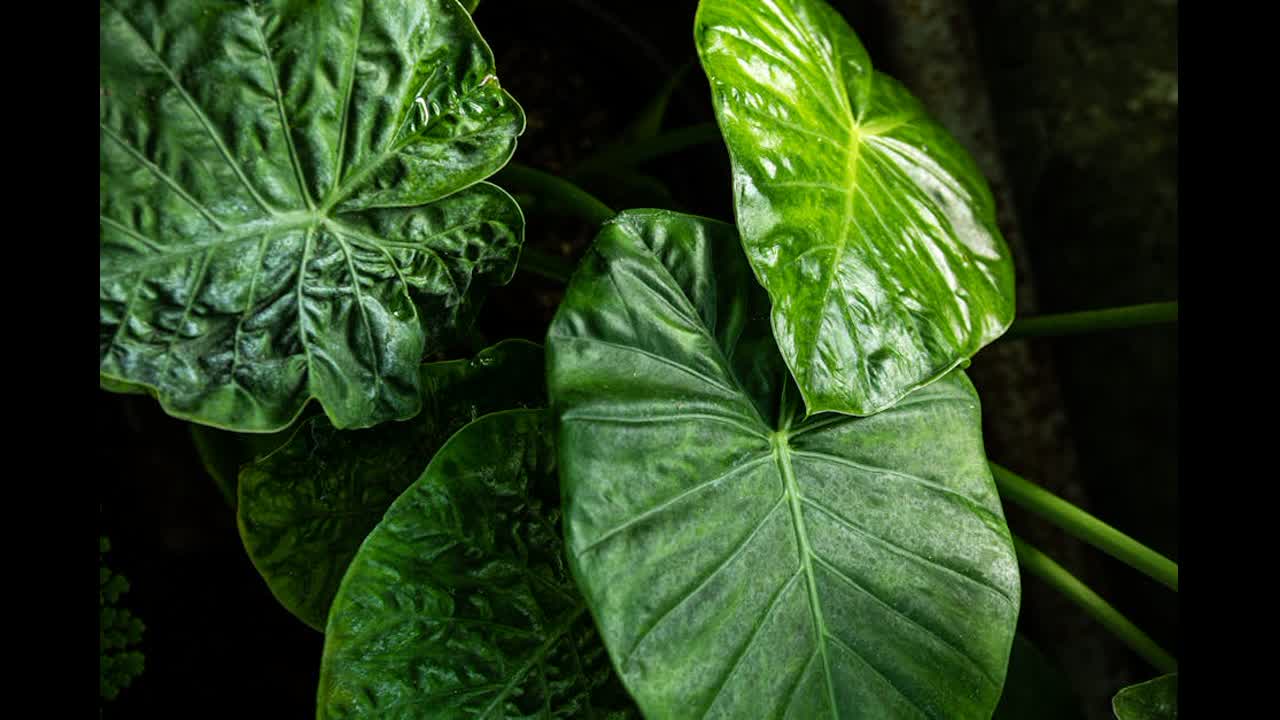
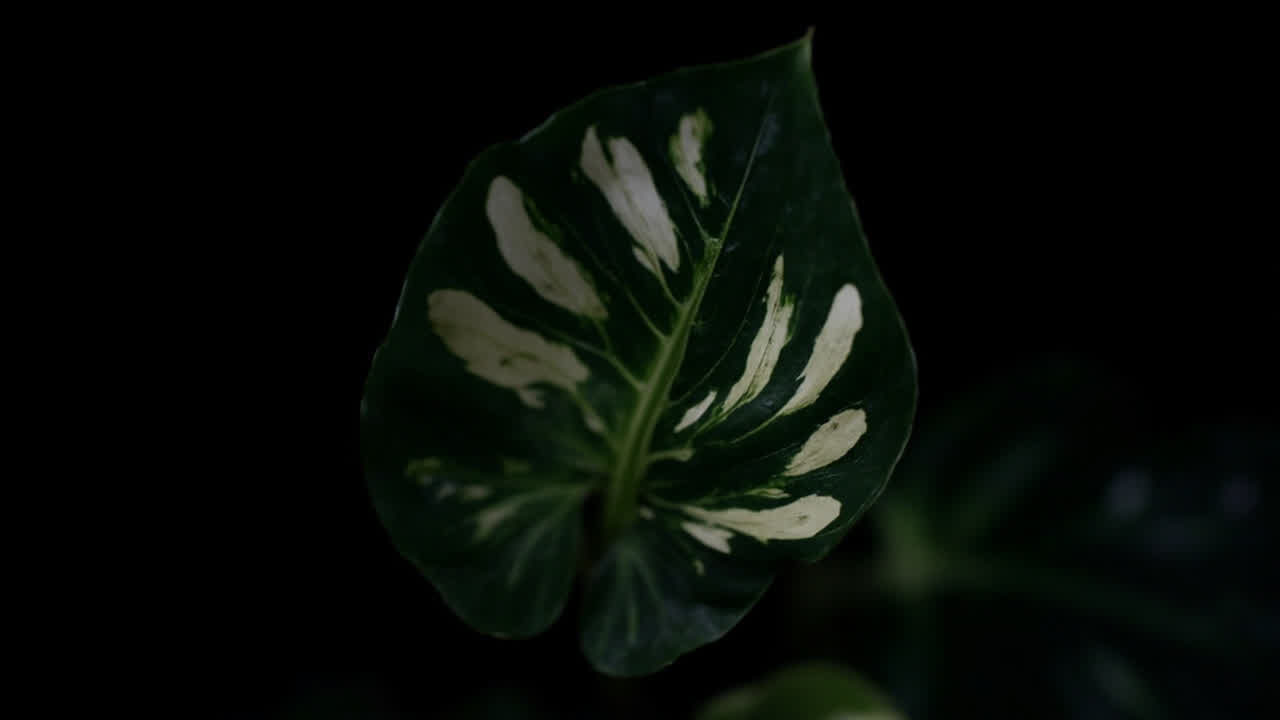
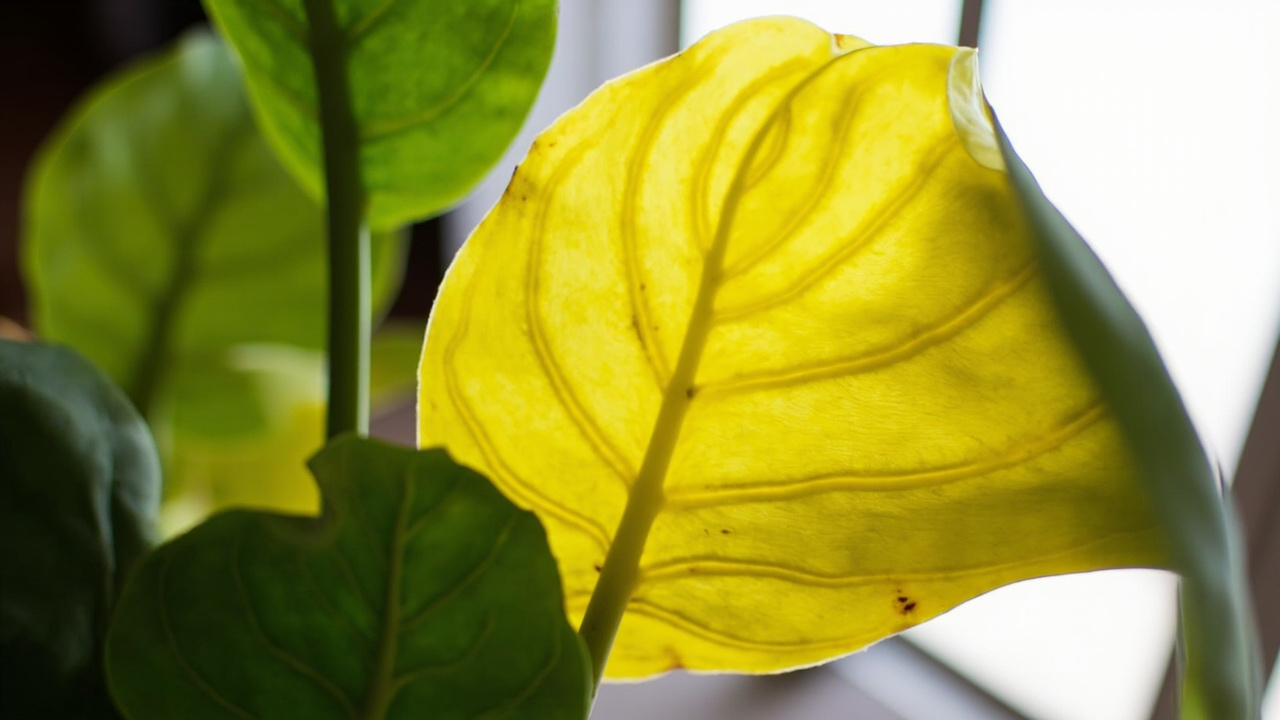
Alocasia yellow leaves usually mean one of four things: a single old leaf dying off naturally, root stress from a wet or compacted soil, low light cutting into the plant’s energy budget, or sudden environmental stress from a move, a draft, or a temperature swing. A yellowing leaf is a symptom, not a diagnosis, and reading the pattern around it tells you which cause is most likely.
One older, lower leaf going fully yellow while the rest of the plant looks healthy is usually a normal event. Alocasia shed their oldest leaf on a steady rotation, and the new growth at the top is a better signal of plant health than the leaf at the bottom. The page below is built to separate that normal aging from the cases where the yellowing means a real care problem that needs a change.
Start With The Yellowing Pattern
The first question is not what the yellow leaf means, but how many leaves are involved and where the yellowing starts. A single older leaf going uniformly yellow from the tip back is almost always normal aging. Multiple leaves yellowing at once, or new growth coming in pale, is a different problem with a different cause.
Read the pattern in three passes. First, count the yellow leaves: one versus several. Second, check where they sit on the plant: lower and older, or anywhere including the newest growth. Third, look at the color and the edges: uniform yellow, yellow with brown edges, yellow with dark spots, or yellow with green veins. Each pattern points to a different cause, and rushing to a treatment before identifying the pattern usually makes the real problem worse.
Use this page as the yellow-leaf branch of the wider Alocasia problems map. The two adjacent pages, this one for yellowing and the leaf-drop guide for sudden loss, share most of the same root causes but differ in how urgently the plant needs intervention.
Wet Roots And Dense Soil
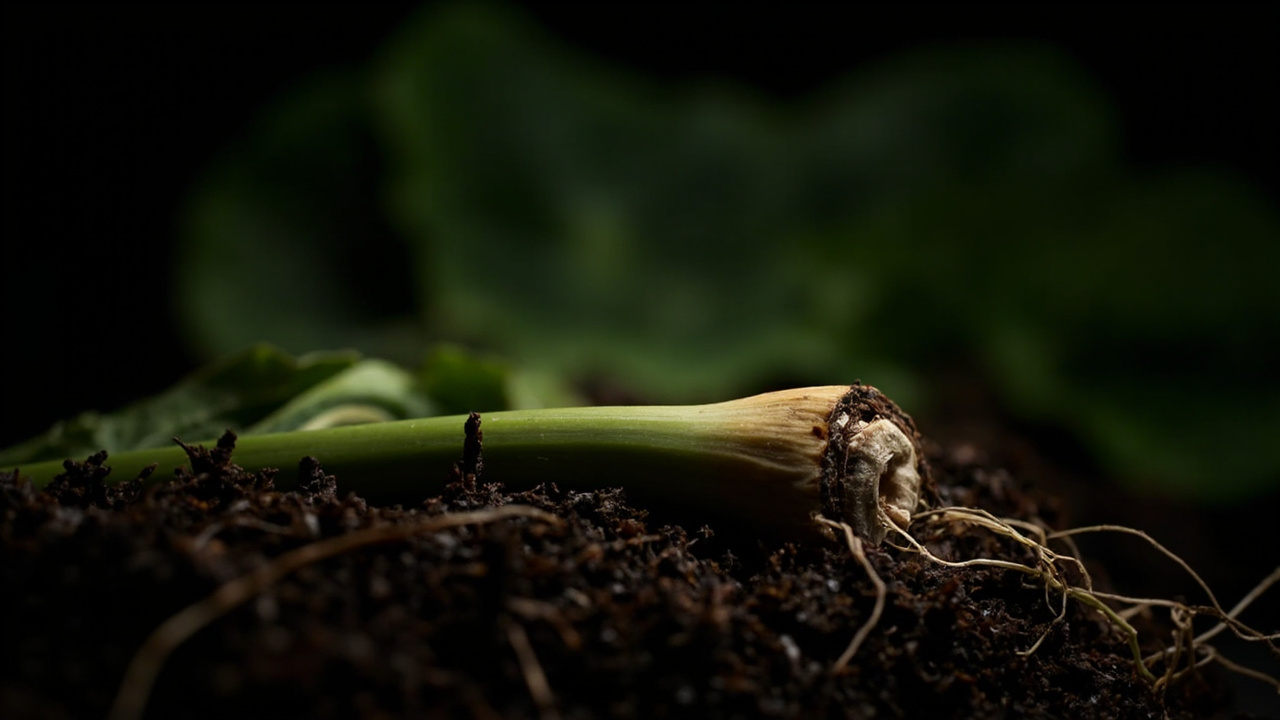
The highest-risk cause of multiple yellowing Alocasia leaves is root stress from a mix that stays wet too long. Alocasia grows from a thick rhizome and has fine feeder roots that need oxygen as much as they need water. A dense, peat-heavy mix or a pot without proper drainage suffocates those roots, and the leaves above respond by going yellow, soft, and droopy within a few days of the next watering.
The clearest tell is the soil feel and the pot weight, not the leaf color. Stick a finger 2 to 3 cm into the top of the soil 24 hours after a thorough watering. If the soil is still damp at that depth, the mix is holding too much water. Lift the pot; a healthy Alochea pot should feel noticeably lighter two to three days after watering. If the pot still feels heavy after five days, the mix is too dense or the pot has no working drainage.
Root stress does not show up on the leaf that caused it. The yellow leaf you see today is the result of a problem that started a week or two ago, and fixing the soil now will not save the leaf that is already yellow. The test is whether the new growth stays healthy: if a new roll of leaves comes in green and clean after the soil dries out and stays airy, the plant is recovering. If new growth also yellows, the root zone is still in trouble and needs a full repot into a chunky mix.
Yellowing after slow dry-down often points back to the chunky structure in the Alocasia soil requirements guide. The right airy structure gives the rhizome and the feeder roots the air they need, and it lets excess water leave the pot within seconds of a watering.
Light Stress And Low Energy
Alocasia is a bright-indirect-light plant, and chronic low light is the second most common cause of yellowing. In a dim corner, the plant pulls energy from its oldest leaves to keep the newest growth alive, and the older leaves yellow as the chlorophyll breaks down. The yellowing is usually slow, soft, and uniform across the whole leaf, and the plant stops producing new leaves for months at a time.
A light meter or a phone lux meter placed at the leaf gives a clearer answer than guessing. Alocasia does best at roughly 10,000 to 25,000 lux of indirect light, which is the bright spot a few feet back from an east- or west-facing window. Below 5,000 lux the plant survives but rarely pushes new growth; above 30,000 lux of direct sun the leaves bleach and yellow from the other direction.
A sudden move from a dim corner to direct sun is a different problem, and it produces yellow patches with crispy brown centers on the leaves that got the most light. Both ends of the range are about the plant not having time to adjust; the fix is to move the plant in small steps over 7 to 10 days, not all at once.
If the plant is far from a window, compare the placement with Alocasia light requirements. A plant that has been in the same low-light spot for more than a year and is now yellowing is usually telling you it does not have enough energy to keep all its leaves running at once.
Humidity, Temperature, And Sudden Stress
Alocasia is a tropical understory plant, and it reacts to sudden changes in its environment faster than most common houseplants. The leaves are the first to complain, and yellowing is one of the cleanest signals that the plant has been moved, repotted, hit with a cold draft, or exposed to dry heat for the first time.
- Cold draft: a leaf touching a cold window in winter, or a plant sitting under an AC vent in summer, will yellow at the contact point first. Pull the plant back from the glass or rotate it 90° away from the vent.
- Dry heat: a plant moved next to a heating vent or a wood stove will yellow across multiple leaves within a week. Move it back to a stable room temperature and add a humidity tray while it recovers.
- Repotting shock: a recently repotted Alocasia often yellows one or two leaves in the first 2 to 3 weeks as the roots re-establish. Keep the soil lightly moist, skip fertilizer until new growth appears, and resist the urge to water more.
- New environment: a plant brought home from a nursery often yellows the leaf that was already oldest in the new space, regardless of care. Treat it as a normal adjustment unless multiple leaves follow.
Dry rooms usually show edge stress first, so compare symptoms with the Alocasia humidity requirements guide. Yellow leaves combined with crispy brown edges are usually an air-moisture problem, not a soil or light problem, and the fix is humidification rather than less water.
Nutrient Stress And Feeding Mistakes
Alocasia is a moderate feeder, and most of its yellowing problems come from feeding mistakes in the wrong direction rather than from genuine nutrient deficiency. Over-fertilizing in a pot with no flush produces salt buildup that yellows the leaf edges and burns the root tips, which then yellow the leaves above. Genuine deficiency yellowing is rare in a freshly potted plant in good mix, and it usually shows up as uniform pale-green new growth rather than yellowing older leaves.
The clearest signs of feeding-related yellowing are a white crust on the soil surface, brown leaf edges that progress inward, and yellowing that starts on the leaf tip rather than the base. Pause fertilizer, flush the pot with 2 to 3 pot-volumes of plain water, and resume feeding only when new growth comes in clean. A pot that has been fed every month for 4 to 5 months without a flush is overdue for a reset.
Feeding only helps when it follows the timing in the Alocasia fertilizer schedule. Light, infrequent feeding during active growth and a full stop during the cool months prevents the salt buildup that produces leaf-edge yellowing in the first place.
When A Yellow Leaf Is Not An Emergency
Use this short decision list before chasing a problem that may not be one.
- One older leaf, the rest green: normal aging. Leave the leaf on the plant until it is fully yellow and pulls away with a light tug; removing it earlier can stress the rhizome.
- Yellowing right after a move or repot: adjustment. Keep the soil lightly moist and wait 4 to 6 weeks for new growth.
- Multiple leaves yellowing, soil still wet days after watering: root stress. Investigate the mix and the drainage before adding fertilizer or more water.
- Yellow leaves with brown edges and a white crust on the soil: salt buildup. Flush the pot and pause feeding for 6 to 8 weeks.
- Yellow leaves with dark soft spots and a sour smell: rot. Stop watering, unpot the plant, and inspect the rhizome for soft or smelly sections.
Most yellow leaves are recoverable as long as the rhizome is firm and new growth is still pushing. The yellow leaf itself is already lost; the goal is to keep the next leaf clean by fixing whatever the pattern is telling you.
Turn PDF Bank Statements Into Workable Spreadsheets
Your bank statement is a mess of numbers, but your books shouldn't be. Use our converter to get Excel, CSV, or QBO files — ready for QuickBooks.
Try It Free Now