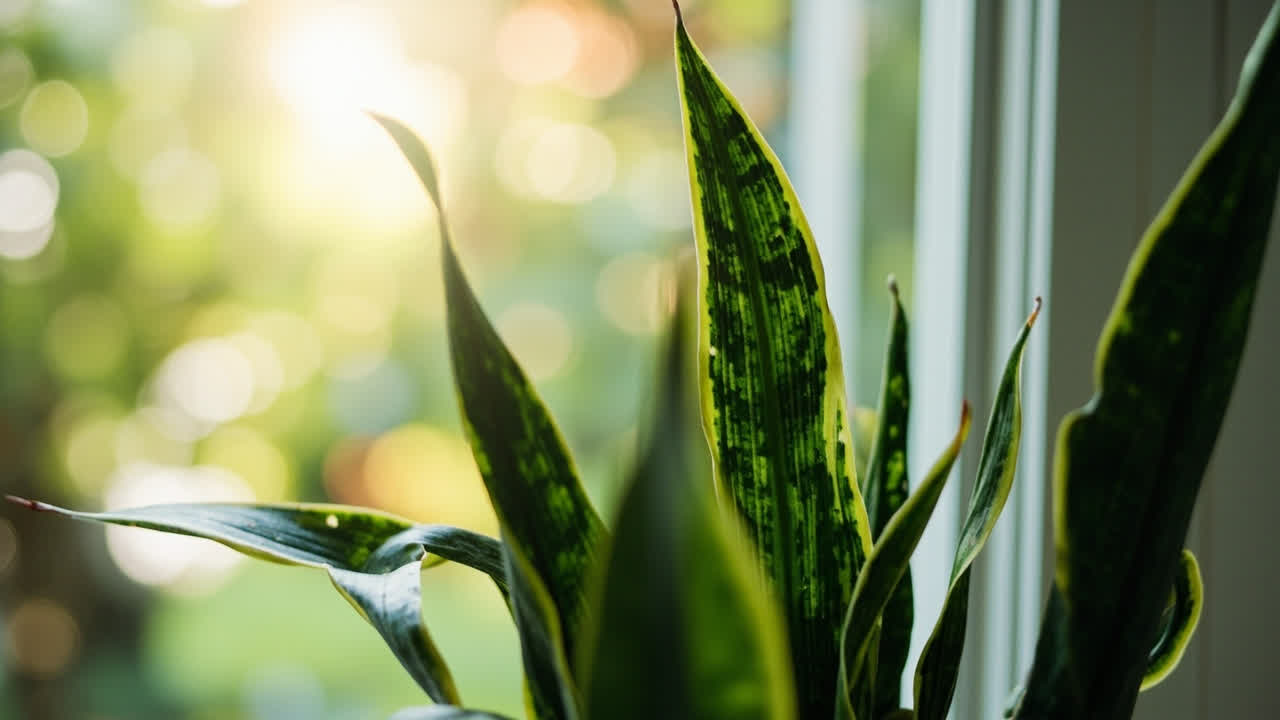
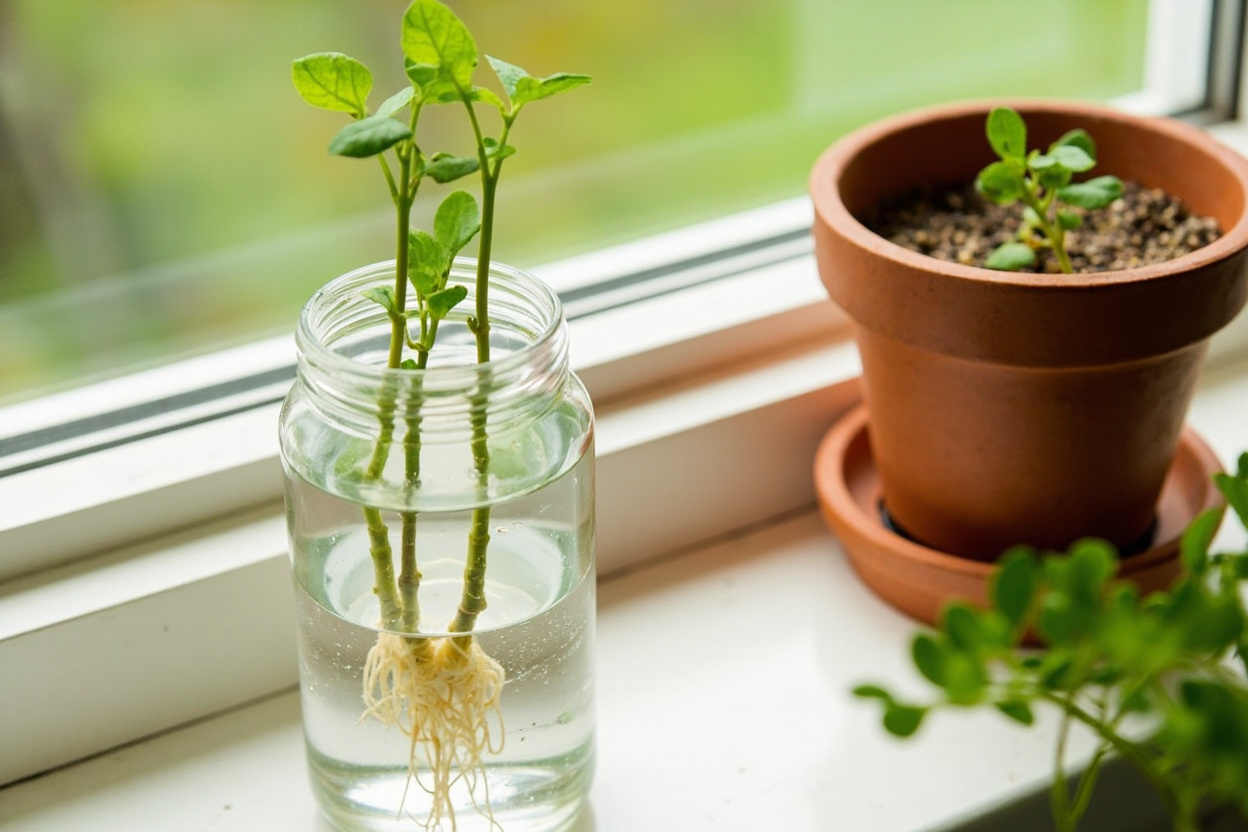
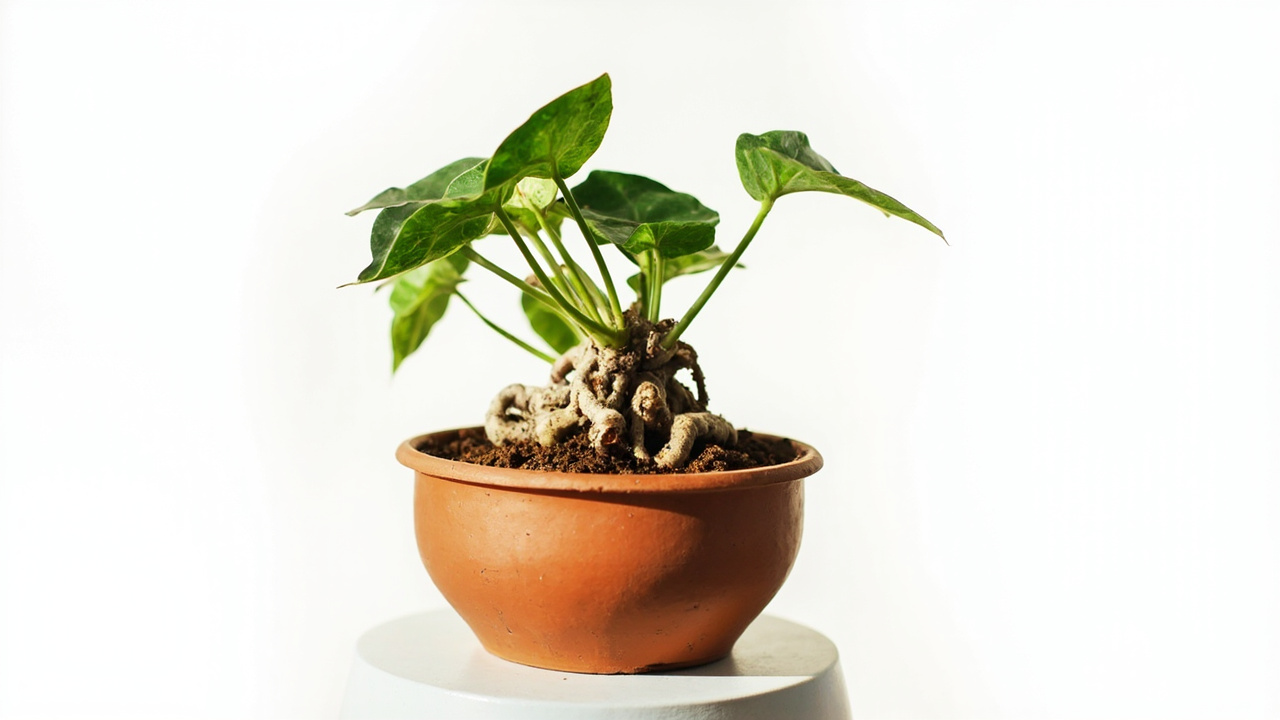
Calathea light needs are simple to describe and surprisingly hard to deliver: bright, indirect, for 4 to 6 hours a day, with the sun’s direct rays never actually touching the leaves. Get that window placement right and a Calathea will throw new growth every few weeks and keep the patterns on its leaves sharp. Get it wrong, and you’ll see bleaching, fading, or crispy patches within days.
Most Calathea problems blamed on “humidity” or “watering” are actually light problems first. The plant gives you feedback faster through its leaves than through its roots, and the leaves are the first place the wrong light shows up. Before you change your watering routine, change where the pot sits, and start with the full Calathea care framework before chasing a single variable.
This page covers what bright indirect light actually means in a real home, the windows that deliver it, the windows that don’t, and the failure mode you should expect when the plant is sitting one foot too close to the wrong window.
What “Bright Indirect Light” Actually Means for a Calathea
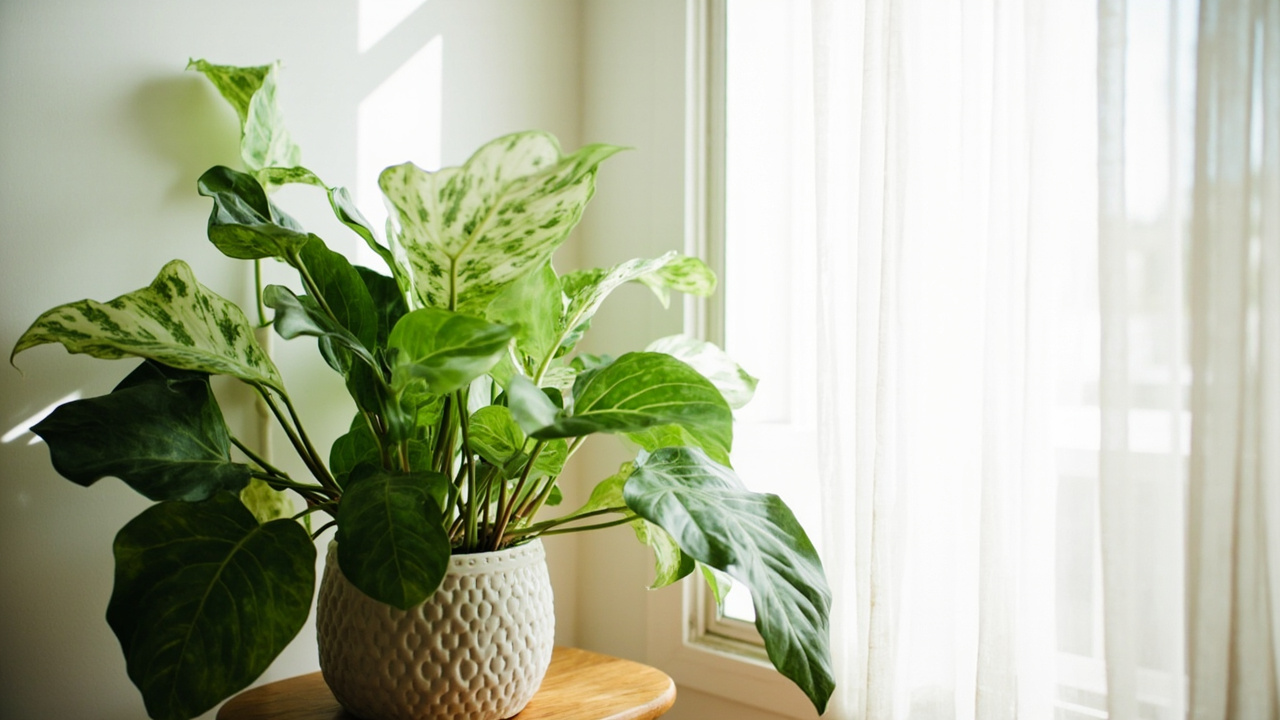
Bright indirect light is the 4 to 6 hours a Calathea gets when it sits 2 to 4 feet back from a south-facing window, or right next to a north- or east-facing window where the sun’s rays never directly cross the leaves. The light is bright enough to read a book by comfortably during the day. The sun itself, however, never lands on the foliage.
Calathea evolved on the rainforest floor under a tree canopy. The light that reaches a Calathea in the wild is filtered through leaves above it, so the plant is built to use high light levels when they’re scattered, not focused. Direct sun overwhelms the leaf tissue fast because the chloroplasts can’t dissipate that much energy and they bleach out. The result is the same yellow-white patches you see on a plant that’s been pushed too close to a south-facing glass in midsummer.
To check whether your spot is bright indirect, hold your hand 6 inches above a leaf at midday. If you see a soft, slightly blurred shadow on the leaf, the light is in range. If you see a sharp, dark shadow with crisp edges, the sun is hitting that spot directly and the plant will eventually show damage. If you see no shadow at all, the spot is too dim and the Calathea will start stretching toward the window with longer, paler petioles within a month.
Best Windows for Calathea Placement
North-facing windows are the easiest match in the Northern Hemisphere. They deliver consistent bright indirect light all day without direct sun crossing the leaves, and the intensity stays in Calathea range year-round. A Calathea placed 1 to 3 feet from a north window will hold its variegation and keep producing new rolls of leaves through winter without supplemental lighting.
East-facing windows are the second-best match. They give 2 to 4 hours of gentle direct sun in the early morning, which most Calatheas tolerate well. By 10 a.m. the direct rays are off the leaves and the rest of the day is bright indirect. If you see the morning sun bleaching the upper leaves, pull the pot 2 to 3 feet back from the glass and the light intensity drops to a safe level.
South and West Windows: How to Make Them Work
South- and west-facing windows are not lost causes, but they need a filter. The simplest filter is distance: place the Calathea 4 to 6 feet back from a south window, or 6 to 8 feet from a west window, and the direct rays spread enough to read as indirect by the time they reach the leaves. The trade-off is that you’ll water less often because the further-back position is cooler and slightly dimmer.
If distance isn’t an option, hang a sheer curtain (cotton or linen, not polyester) between the window and the plant. The fabric scatters direct sun into bright indirect without darkening the room. You’ll see the difference within a week: leaves that were bleaching or curling on the edges will uncurl and the variegation will return to its original contrast.
Skip the colored or black-out curtains. They drop light levels below what a Calathea needs and the plant will stretch toward the window with thin, weak petioles within 3 to 4 weeks.
How Many Hours of Light a Calathea Needs Each Day
A healthy Calathea runs on 4 to 6 hours of bright indirect light per day. Less than 3 hours and the plant stops producing new leaves and the patterns on existing leaves fade as chlorophyll breaks down. More than 8 hours of direct sun, even through a window, bleaches the upper leaves within a week in summer.
In winter the daylight window shortens and the sun sits lower in the sky, so a Calathea that thrived 4 feet from a south window in July may need to move 2 feet closer in December to keep the same exposure. The plant will tell you: new growth that comes in pale or with longer-than-usual petioles is the first sign of insufficient winter light, and the fix is to either move the pot closer to the window or run a grow light for 4 hours in the evening.
Signs Your Calathea Is Getting the Wrong Light
Light stress shows up on the leaves before it shows up anywhere else, and the pattern tells you which direction the problem goes.
Too Much Direct Light
Leaves develop yellow or white patches that look bleached, especially on the side facing the window. The patches feel papery and dry, and they don’t recover when you move the plant — those cells are dead. New leaves come in smaller than the previous batch and may curl upward at the edges as if trying to shade themselves. The fix is to move the pot 2 to 3 feet further from the window or hang a sheer curtain. Bleached patches won’t green up again, but new growth will come in normal if the placement is corrected.
Too Little Light
Petioles stretch longer than the previous batch of leaves, and the new leaves are smaller and paler. The variegation on patterned varieties like Calathea orbifolia or Calathea white fusion fades as the plant produces more chlorophyll to compensate. The plant also stops producing new rolls of leaves — Calatheas should push a new leaf every 4 to 8 weeks during the growing season, and a stalled calathea in good light is almost always light-starved, not humidity-starved.
Move the plant 1 to 2 feet closer to the window and rotate the pot a quarter turn weekly so all sides of the plant get equal exposure. Within 6 to 8 weeks new growth should come in with normal-sized leaves and restored variegation.
Using Grow Lights for Calathea
If your home has no window that delivers bright indirect light, a full-spectrum LED grow light on a 12-hour timer set 12 to 18 inches above the plant works. The light should be in the 4000K to 6500K color range, which mimics daylight, and the intensity should be set so a hand held 6 inches above the leaves casts a soft, blurred shadow at midday.
The trade-off: grow lights are bright and visible, and they bump up the room’s light level in a way most people find intrusive. If the grow light is in a living area, run it on a timer for the morning hours only (6 a.m. to 6 p.m.) and pick a lower-wattage panel. The Calathea doesn’t need 12 hours at high intensity — 4 to 6 hours of grow light supplementing a dim window is enough to keep the plant pushing new growth through winter.
How Light Interacts With Calathea’s Daily Leaf Movement
Calathea leaves move up at night and down during the day in a process called nyctinasty, driven by a small joint at the base of each petiole called the pulvinus. The movement is healthy and is one of the things that makes the plant worth growing. If the leaves stop moving, the most common cause is a sudden light change — moving the plant from a bright spot to a dim spot, or vice versa — and the pulvinus needs 2 to 3 days to recalibrate.
Light also drives the timing of the movement. In a stable bright indirect spot, the leaves lift within an hour of the grow light or sun going down and drop again within an hour of sunrise. In a spot with inconsistent light (a tree outside the window, a passing cloud cover, an HVAC vent blowing directly on the plant), the movement becomes irregular and the leaves may stay partially folded during the day. The fix is to stabilize the light: pick a spot where the light doesn’t change hour to hour, and keep the plant away from heating and cooling vents that trigger temperature swings.
Quick Placement Checklist
Use this to confirm your Calathea is in the right light before worrying about water, humidity, or soil:
1. The pot sits 1 to 3 feet from a north or east window, or 4 to 6 feet back from a south or west window, with no direct sun touching the leaves at any point in the day.
2. At midday, a hand held above a leaf casts a soft, blurred shadow — not a sharp dark one, not nothing.
3. The plant is producing a new leaf every 4 to 8 weeks during spring and summer, and the new leaves match the size and color of the previous batch.
4. The leaves are lifting at night and lowering by morning, on a consistent schedule.
If all four are true, the light is dialed in. If any are off, adjust placement before changing the rest of the care routine. Most Calathea failures that look like water or humidity problems are actually light problems wearing a different mask — and when the leaves have already crossed from “fading” into “brown and crispy”, the recovery path is the one in Calathea brown leaves causes and fixes and the broader dying Calathea rescue guide. Once the plant is stable, propagation by division is the cleanest way to multiply what you’ve fixed rather than start over.
From PDF to Excel in one click
Forget retyping line by line. Upload any bank statement, get a spreadsheet you can actually use. Your files are never stored, and you can test the converter with 3 free conversions.
Try it free