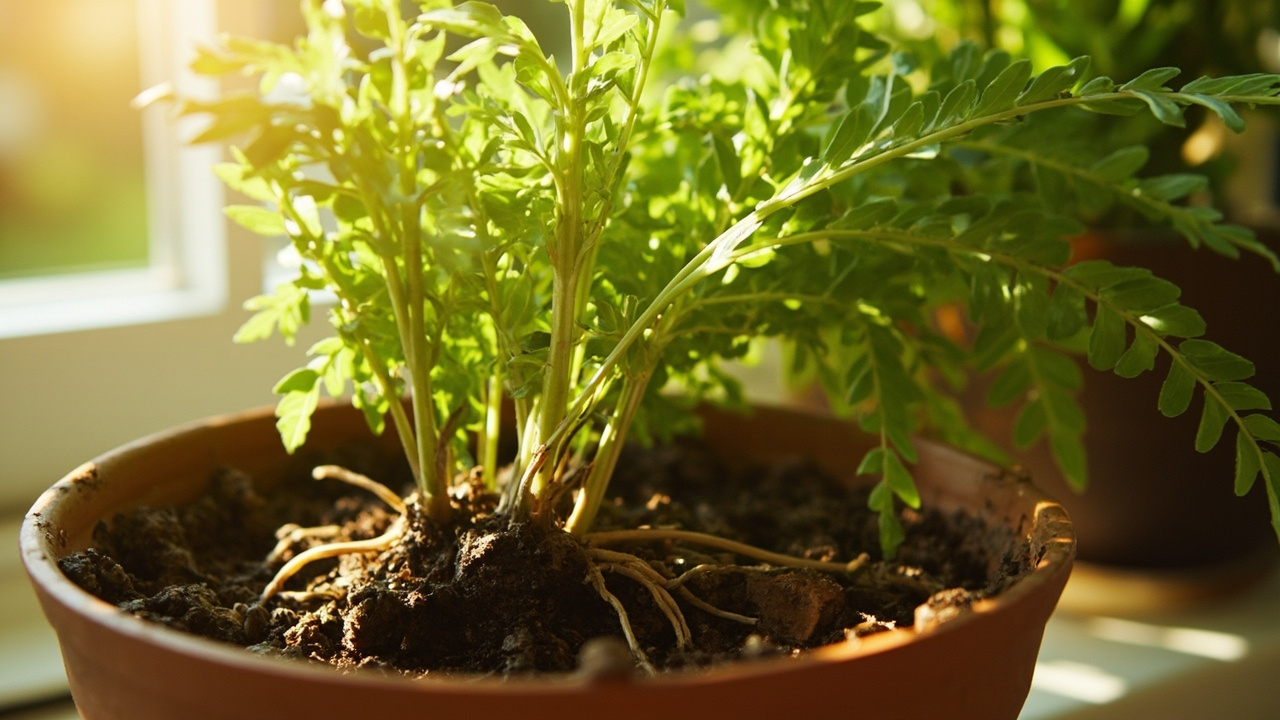
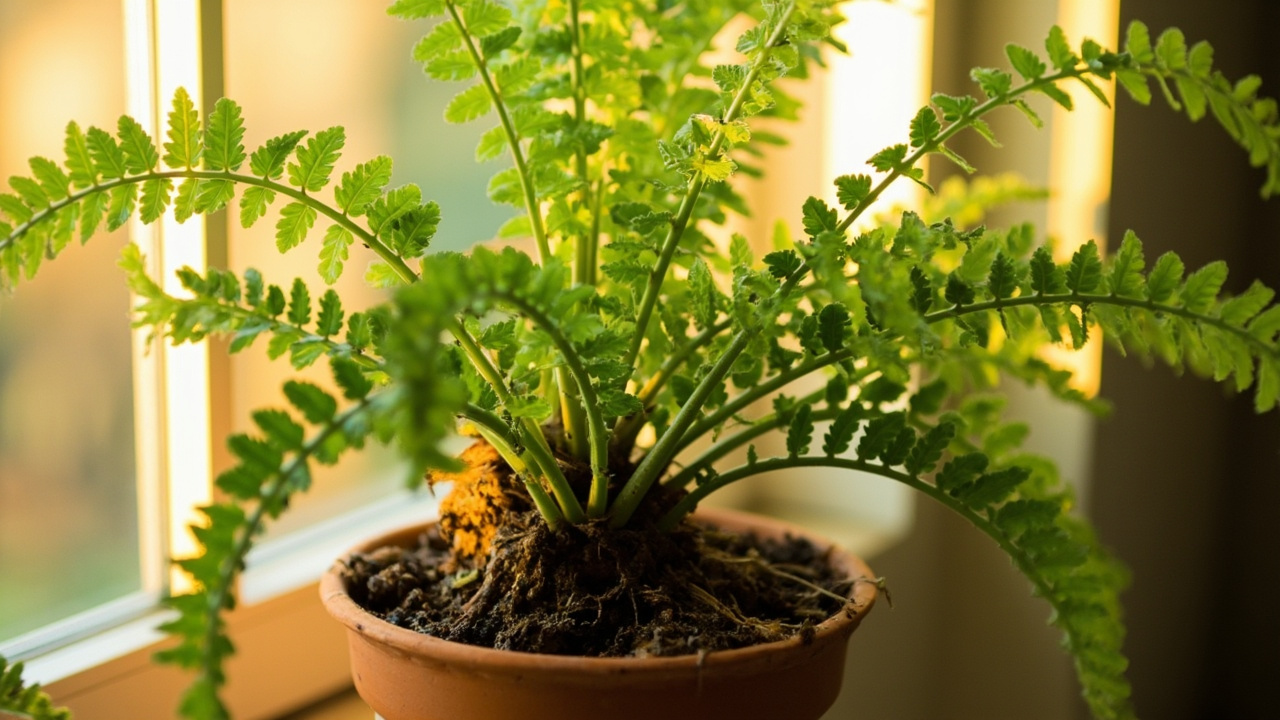
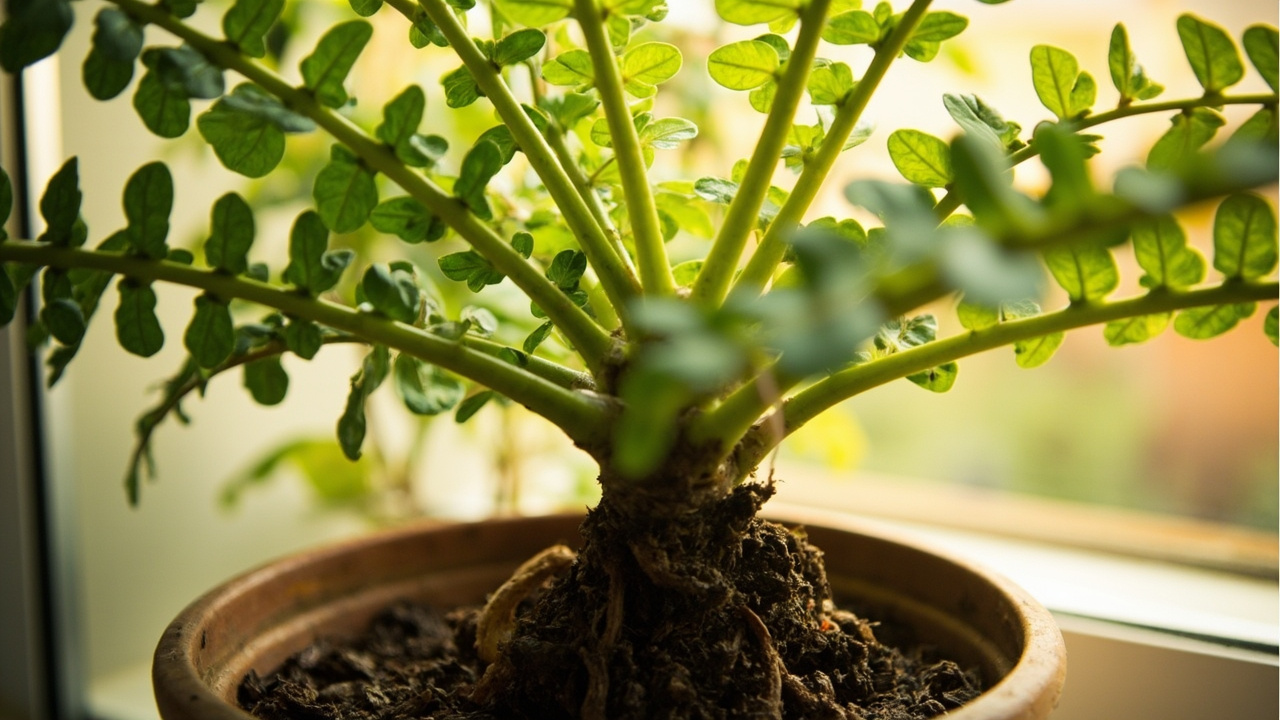
Bathrooms and ferns are natural partners. The one room in the house with consistently high humidity—the steam from showers and baths—is the one environment where most ferns actually thrive rather than slowly decline. If you have been struggling to keep ferns alive elsewhere in your home, the bathroom may be exactly where they belong.
The catch is that not every fern suits every bathroom. Light levels, room size, and ventilation all play a role. This guide covers the ferns that genuinely perform well in bathrooms, how to match them to your specific space, and the care adjustments that make the difference between ferns that survive and ferns that genuinely flourish.
Why Bathrooms Work for Ferns
>Most houseplant ferns come from tropical and subtropical forests, where they grew in the understory—shaded, consistently moist, and rarely experiencing dry air. Standard indoor humidity of 30–50% feels arid to them. Bathrooms regularly hit 60–80% humidity, particularly during and after showers, which is precisely what they need to maintain healthy fronds without constant misting or humidifiers.
The second advantage is consistent warmth. Bathrooms are typically the warmest room in the house, held at a fairly stable temperature by shower steam and bath water. Ferns dislike temperature fluctuations, and a consistently warm bathroom replicates their preferred conditions better than most other rooms.
Light is the limiting factor. Most bathrooms have small or frosted windows, or no window at all. Ferns need some light to photosynthesise. Without it, they decline slowly over months. Matching the right fern to your bathroom’s actual light level is the key decision.
Best Ferns for Bright Bathrooms
>A bright bathroom has a window—particularly one that gets morning or afternoon sun, or consistent ambient light throughout the day. These bathrooms can support ferns that need more light than most.
The Boston fern (Nephrolepis exaltata) is the classic bathroom fern. It tolerates bright indirect light better than most ferns and responds to high humidity with dense, arching fronds that genuinely cascade. It needs consistent moisture—never let the soil dry out completely—and benefits from weekly misting if the bathroom is particularly bright and warm. If you want a fern that fills a shelf or hangs from a hook with lush, flowing fronds, this is the one.
The Birds Nest fern (Asplenium nidus) is an exception among ferns for tolerating brighter conditions. Its apple-green, wavy fronds emerge from a central rosette—literally a nest—and it grows well in a bathroom with a window nearby. Unlike most ferns, it prefers its soil to dry slightly between waterings. It is also non-toxic to pets, which makes it a practical choice for homes with cats and dogs.
The Staghorn fern (Platycerium bifurcatum) is an epiphyte that naturally grows on tree trunks in rainforests. It does not grow in soil at all—it attaches to a wooden board or log, and its fronds collect moisture and nutrients from the air. Bathrooms are ideal for staghorn ferns because the humidity means infrequent watering is needed. Mount it on a wooden board, hang it near the shower, and mist it once a week. The visual result is striking—a living sculpture rather than a conventional potted plant.
Best Ferns for Low-Light Bathrooms
>A bathroom with a small or frosted window, or one with no natural window, still has options. These ferns are native to deeper forest understory and tolerate lower light conditions while still needing the humidity bathrooms provide.
The Maidenhair fern (Adiantum) is genuinely beautiful—delicate, lacy fronds on black stems—but it is the most demanding of all common ferns. It needs very high humidity, consistent moisture, and protection from draughts. It drops fronds at the slightest stress. In a bathroom with a door that closes and a shower that runs daily, maidenhair ferns can do well. Anywhere else, they struggle. If you want the maidenhair and your bathroom meets these conditions, it rewards the effort with unmatched delicacy and texture.
The Korean rock fern (Adiantum aleuticum) is a more resilient alternative to maidenhair. It tolerates cooler temperatures and slightly lower humidity, and its fronds are similarly delicate in appearance. It is less likely to collapse under minor environmental stress.
The Birds Nest fern also works in low-light bathrooms, particularly those with only fluorescent or LED lighting. As noted above, it tolerates inconsistent watering better than most ferns and does not require direct sunlight. A bright bathroom is not essential for it to do well.
Best Ferns for Small Bathrooms
igure>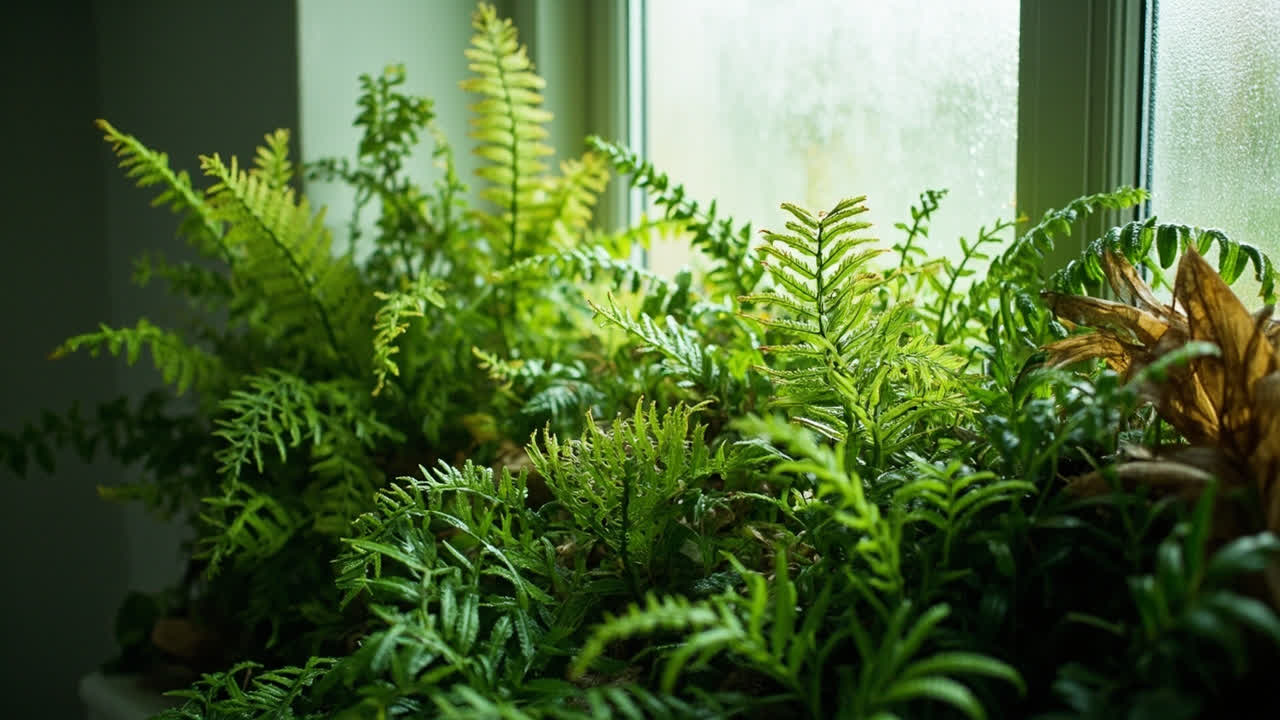
Space is at a premium in many bathrooms. Smaller ferns that do not require constant misting or large containers are more practical.
The Button fern (Pellaea rotundifolia) is one of the smallest commonly available ferns. Its round, leathery leaflets grow on short, arching stems, forming a compact mound rarely exceeding 20–30 cm. It is more drought-tolerant than most ferns—still needing consistent moisture, but recovering from occasional drying better than delicate species. It tolerates lower humidity than most ferns, which makes it forgiving in smaller bathrooms where ventilation is poor.
The Rabbit’s Foot fern (Davallia fejeensis) gets its name from its furry rhizomes that creep over the pot’s surface and edges—looking exactly like soft, pale feet. It is compact, epiphytic in habit, and tolerates inconsistent watering. Like the staghorn fern, it benefits from being mounted rather than potted, which makes it a natural for small-space bathroom display.
Fern Care in Bathrooms: Adjusting Your Approach
>Even in a bathroom, some care adjustments matter. The first is ventilation. Bathrooms with extractor fans running during and after every shower may actually be too dry for some ferns—the fan removes humidity as quickly as the shower creates it. If you have an extraction fan, consider running it only when necessary, or positioning ferns away from the direct airflow.
The second is watering. In a humid bathroom, ferns need less frequent watering than in a dry room. Check the soil every 5–7 days rather than every 3–4 days, and water only when the top centimetre of soil feels dry. Our overwatering guide for house plants explains how to recognise and prevent waterlogging—the most common fern killer. Overwatering in a bathroom context is more common than underwatering.
The third is cleaning. Ferns in bathrooms accumulate soap residue on their fronds over time. Every 4–6 weeks, wipe the fronds gently with a damp cloth. This is both aesthetic and functional—clean leaves photosynthesise more efficiently and are less prone to pest infestations.
Ferns and Shower Steam: Direct Exposure
>One question that comes up regularly: can ferns go directly under the shower stream? For most ferns, no—the force of the water damages fronds, and cold water straight from the pipe shocks them. The exceptions are epiphytic ferns like staghorn ferns and some bird’s nest ferns, which in their natural habitat experience direct rainfall. Even these do better with a gentle misting than direct high-pressure shower exposure.
The practical approach: use the shower steam as the humidity source, not direct water application. Run the shower on hot, close the bathroom door, and let the steam envelop the plant for 10–15 minutes. Then open the door and allow the room to ventilate. This gives the humidity benefit without the physical or temperature stress.
Pests on Bathroom Ferns
>High humidity discourages spider mites—the most common fern pest—but does not eliminate all risk. Scale insects and mealybugs can still appear, particularly on plants brought in from other locations. Check the undersides of fronds and the junction between stems and soil every few weeks.
If pests appear, neem oil applied as a spray is effective on most ferns. Some ferns—particularly maidenhair and Boston ferns—are sensitive to oil-based sprays, so test on a small area first. Our snake plant humidity guide has a broader section on treating common house plant pests with neem oil that applies here.
Ferns and Bathrooms: A Summary
>The right fern for your bathroom depends on one factor above all others: the light. A bright bathroom suits Boston ferns, birds nest ferns, and staghorn ferns. A dim bathroom works better with birds nest ferns, rabbit’s foot ferns, and Korean rock ferns. If your bathroom has almost no light, our low-light house plants guide covers additional options that tolerate near-dark conditions. A small bathroom is ideal for button ferns and compact staghorn fern mounts.
The humidity equation almost always works in your favour. The main risk is overwatering in the bathroom context and inadequate ventilation causing stagnation. With those two watchpoints managed, ferns in bathrooms are among the most rewarding house plants you can grow—thriving where they would struggle elsewhere and bringing genuine living texture to one of the most neglected rooms in the home.
From Bank Statement to QuickBooks-Ready File
That manual cleanup you just read about? This tool skips it. Turn your PDF into QBO for QuickBooks without storing your data anywhere.
Start Converting