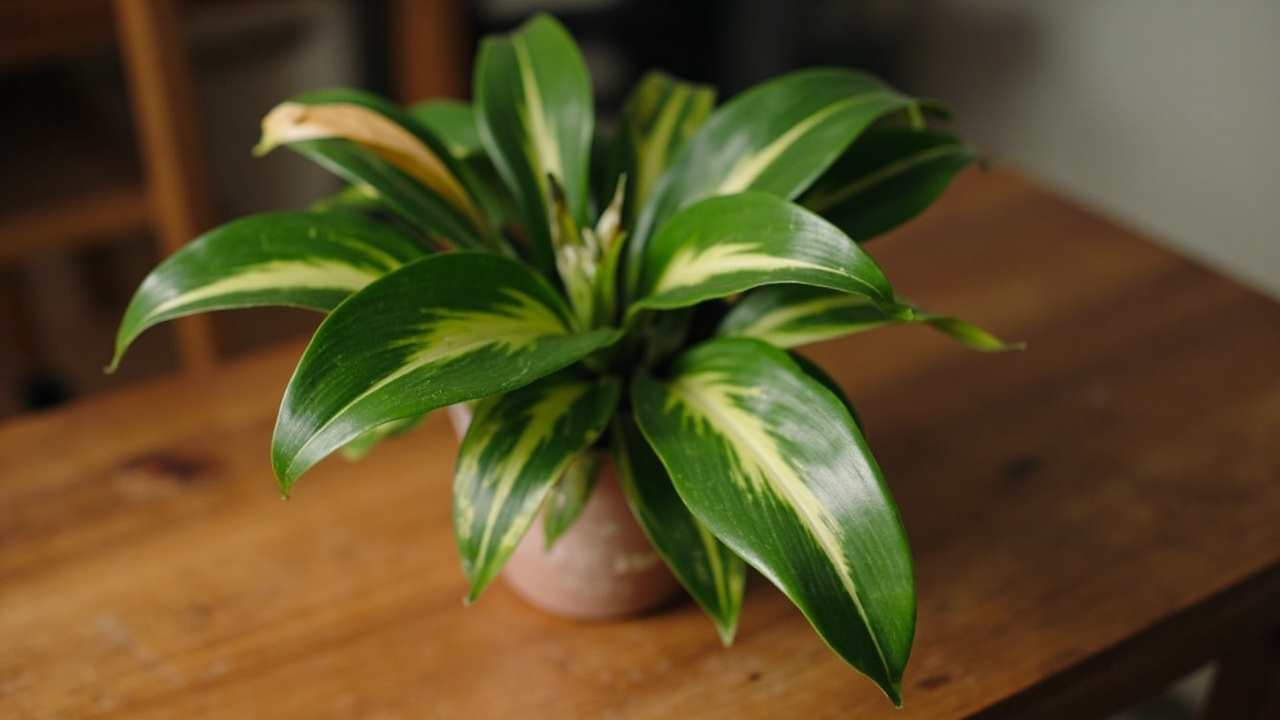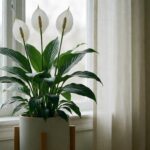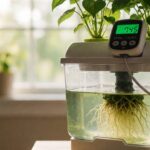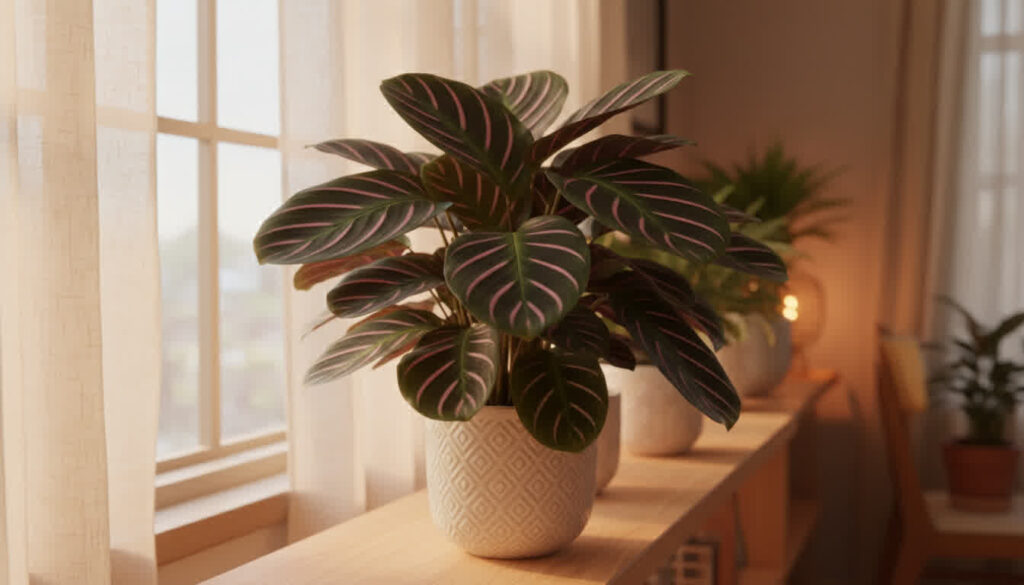

How to care for calathea plant starts with the right thresholds for light intensity, humidity percentage, watering frequency, soil pH, and temperature range so you can keep patterned leaves healthy instead of brown and crispy. Calathea (a member of the Marantaceae family and related to the familiar prayer plant) shows its needs on the leaves: brown tips, curled leaves, or pale new growth tell you which variable is off.
Calathea species like Calathea orbifolia, Calathea medallion and Calathea lancifolia evolved in the tropical rainforest understory where filtered light and steady humidity rule, so indoor care mimics those conditions — bright, indirect light, a peat-based mix with perlite for drainage, and humidity near 50–70% RH. Understand how light, water quality, and potting mix interact and you reduce problems such as root rot and crispy leaves.
Use this guide as a checklist and troubleshooting map: answers that tell you what to change (move the plant, swap water, repot) and why each change works, plus quick fixes for common issues so you can keep the prayer plant effect — those nightly leaf movements — healthy and predictable.
Why Calathea Plants Seem So Fussy
Calathea plants react visibly because their thin leaves and shallow roots evolved for steady humidity and soft water, not indoor air with central heating or hard tap water. Small swings in humidity or mineral content often produce brown tips, curled leaves, or slowed new growth.
The mechanism is simple: low humidity increases transpiration and leaf stress; hard water and excess fertilizer leave salts that scorch margins; waterlogged soil starves roots of oxygen and invites root rot. Address the specific failure (humidity, water quality, drainage) rather than guessing at a single cure.
If calathea’s sensitivity feels like too much for your schedule, there are easy houseplants that tolerate a wider range of conditions while still looking great indoors.
Light: How Much and Where to Place Your Calathea
Calathea prefers bright, indirect light — think filtered light from an east-facing window or light softened by sheer curtains. Avoid direct sun which scorches the patterned leaves and reduces contrast in leaf patterns.
Light intensity matters: too low and leaf patterns fade and new leaves come in slower; too bright and you get bleached or crispy leaf edges. If your room is very bright, move the plant farther from the window or put a sheer curtain between the glass and the plant.
Watering: Frequency, Method, and Water Quality
Keep the potting mix evenly moist but never waterlogged; check the top 1 inch of soil — if it’s dry, water. Typical watering frequency is every 7–10 days in average indoor conditions, but that varies with pot size, light, and temperature.
Use distilled water, filtered water, or collected rain if your tap is hard or high in chlorine; hard tap water often causes brown tips and ringed leaf margins. Bottom-watering or slow top-watering to fully moisten the root zone reduces dry pockets and helps shallow feeder roots.
The University of Florida IFAS Extension recommends using filtered or rainwater for prayer plants and calathea relatives to avoid the mineral buildup that causes leaf tip burn in tap-watered specimens.
Soil Mix, Pot Size, and Drainage
Use a peat-based mix with perlite — peat moss retains moisture while perlite improves aeration. Aim for slightly acidic soil pH around 5.5–6.5 for best nutrient availability.
Choose a pot with drainage holes and avoid oversized pots that hold excess water; a pot 1–2 inches larger than the root ball is ideal when repotting. Good drainage prevents root rot, the chief cause of sudden yellowing and collapse.
Humidity: How Much Calathea Needs and How to Give It
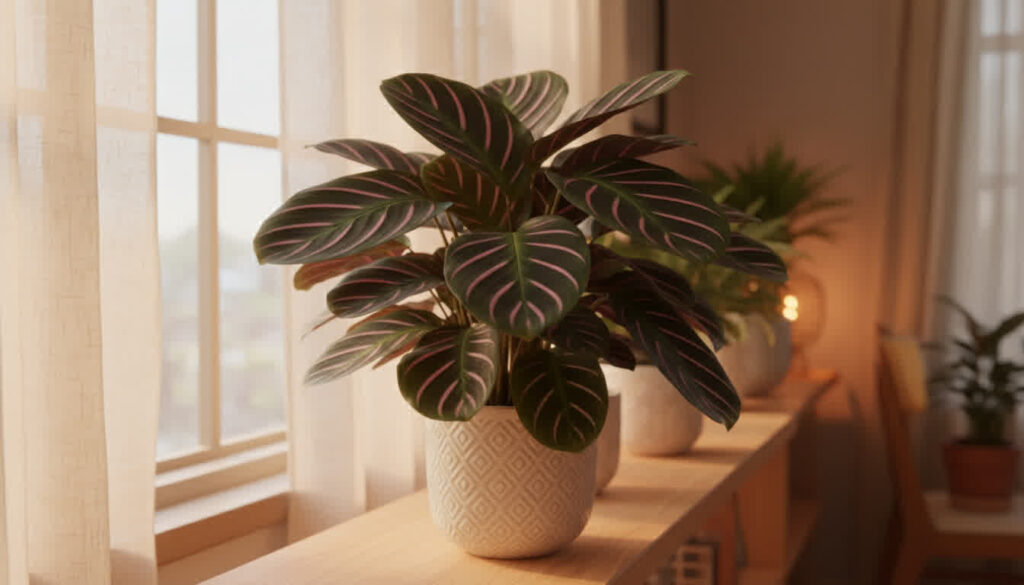
Calathea prefers 50–70% relative humidity to keep leaves crisp and margins green. In drier homes, use a humidity tray, group plants together, or place the plant in a naturally humid room like a bathroom or kitchen with a window.
Misting can help in a pinch but won’t raise room humidity for long and can spread fungal spores if leaves stay wet; a humidity tray or grouping plants is safer and works well without a humidifier.
Temperature and Placement
Keep calathea between about 65–80°F (18–27°C) and away from cold drafts or hot vents. Sudden temperature drops cause leaf mottling and slow growth, while hot drying air increases crispy edges.
Because calathea is sensitive to temperature swings and dry air from HVAC vents, compact spaces like desks and small offices can be tricky — if you’re looking for indoor plants that handle office desk conditions better, there are resilient species that tolerate fluorescent light and dry air more gracefully.
Fertilizing: How Often and What Strength
Feed calathea with a balanced, water-soluble fertilizer at half strength every 4–6 weeks during spring and summer. Avoid fertilizing in winter when growth slows.
Because calathea roots are salt-sensitive, flush the potting mix with filtered water after several feeds if you spot brown tips or salt crust; cutting fertilizer strength is the safest trade-off for leaf health.
Common Problems and Fixes
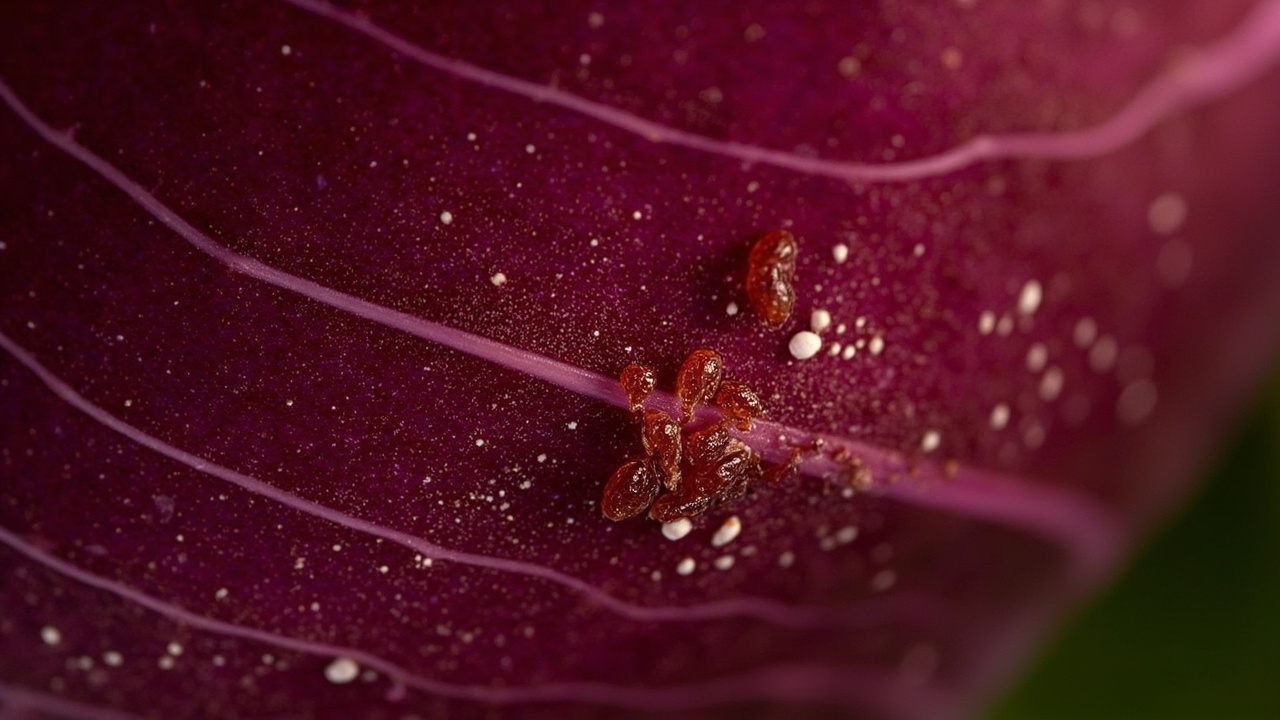
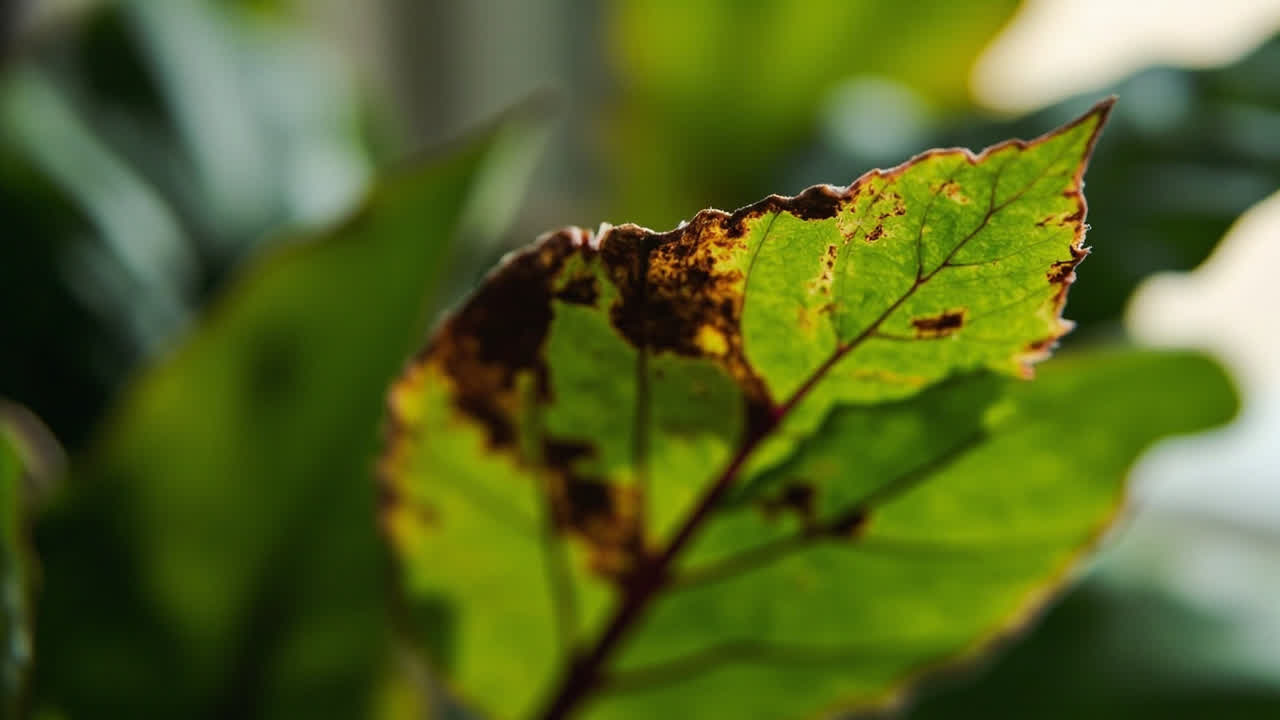
Crispy leaves usually mean low humidity or under-watering; increase humidity and check soil moisture. Brown tips often point to hard water or salt build-up; switch to distilled or filtered water and flush the potting mix.
Yellow, limp leaves often signal root rot from poor drainage or overwatering; to fix, let the soil dry, check roots, trim rotten tissue, and re-pot into fresh peat-based mix with perlite and good drainage holes.
If your calathea has progressed past early warning signs and leaves are collapsing or roots are heavily rotted, our step-by-step guide to saving a dying calathea plant walks through root surgery, soil replacement, and recovery conditions in detail.
Species Notes: orbifolia, medallion, lancifolia and the ‘Prayer Plant’ Behavior
Calathea orbifolia has large round leaves with bold stripes and prefers slightly higher humidity and stable temps. Calathea medallion and Calathea lancifolia (rattlesnake calathea) tolerate a bit lower light but still need steady moisture and humidity.
Many people call them prayer plants because leaves fold up at night — a normal nyctinasty (night movement) driven by a tiny joint at the leaf base. The movement is natural and not a sign of stress unless accompanied by drooping or discoloration.
Calathea species sit alongside other trendy indoor plants with low-maintenance profiles like pothos and ZZ plants that share the aesthetic appeal but need far less humidity monitoring — worth considering if you love the look but not the upkeep.
For a broader reference on calathea growing conditions and species selection, the Royal Horticultural Society (RHS) calathea growing guide covers UK-suitable varieties and indoor cultivation tips from one of the world’s most respected horticultural authorities.
Quick care checklist
- Light: bright, indirect light (filtered light).
- Water: keep soil evenly moist; check top 1 inch; use distilled or filtered water if tap is hard.
- Humidity: aim 50–70% RH; use a humidity tray or group plants.
- Soil: peat-based mix with perlite; pH ~5.5–6.5.
- Pot: drainage holes; avoid oversized pots; repot 1–2 inches up when root-bound.
- Fertilizer: half-strength every 4–6 weeks in growth season.
FAQ : Short Answers to Common Questions
Why are my calathea leaves curling?
Leaves curl when humidity is low, the plant is underwatered, or the roots are stressed; raise humidity, check soil moisture, and inspect roots for rot or compacted soil.
Should I use tap water or filtered water?
Use filtered or distilled water if your tap water is hard or chlorinated; hard water causes brown tips and mineral deposits over time.
How do I increase humidity without a humidifier?
Use a humidity tray, group plants together, place the plant in a humid room (bathroom/kitchen with a window), or use regular misting early in the day so leaves dry quickly.
Why do calathea leaves move (pray)?
Leaves move nightly due to natural nyctinasty — a reversible, normal behavior that helps reduce water loss and aligns leaf surface to lower light at night.
How often should I fertilize?
Fertilize every 4–6 weeks in spring and summer at half the label strength; skip or reduce feeding in fall and winter when growth slows.
When to Repot and How to Rescue a Sick Plant
Repot every 1–2 years or when roots crowd the pot; move up just one pot size and refresh the peat-perlite mix. If you see root rot, remove the plant, trim black mushy roots, let the root ball dry briefly, and replant in fresh mix with good drainage.
Last word: how to care for calathea plant
Calathea rewards attention to a few variables: filtered light, steady moisture, high humidity, and good drainage. Balance those and you get patterned leaves, nightly prayer movement, and far fewer brown tips or crispy leaves.
Turn any PDF statement into a clean sheet
Skip the typos and the hours of copying. Our converter handles any bank statement format and outputs Excel, CSV, or QBO for QuickBooks. No file retention, free to try.
Convert your statement