A pineapple pup is future propagation material, but it is only useful if you remove it at the right moment. Too early and it struggles because it has not stored enough energy. Too late and the whole pot gets crowded, the roots tangle, and separation becomes messier than it needs to be.
The best growers are not aggressive here. They are patient. They let the pup become substantial enough to survive on its own, then they separate it cleanly and let it establish in the right mix.
If you rush this job, the pup may live, but it rarely starts well.
When Is a Pineapple Pup Ready to Separate?
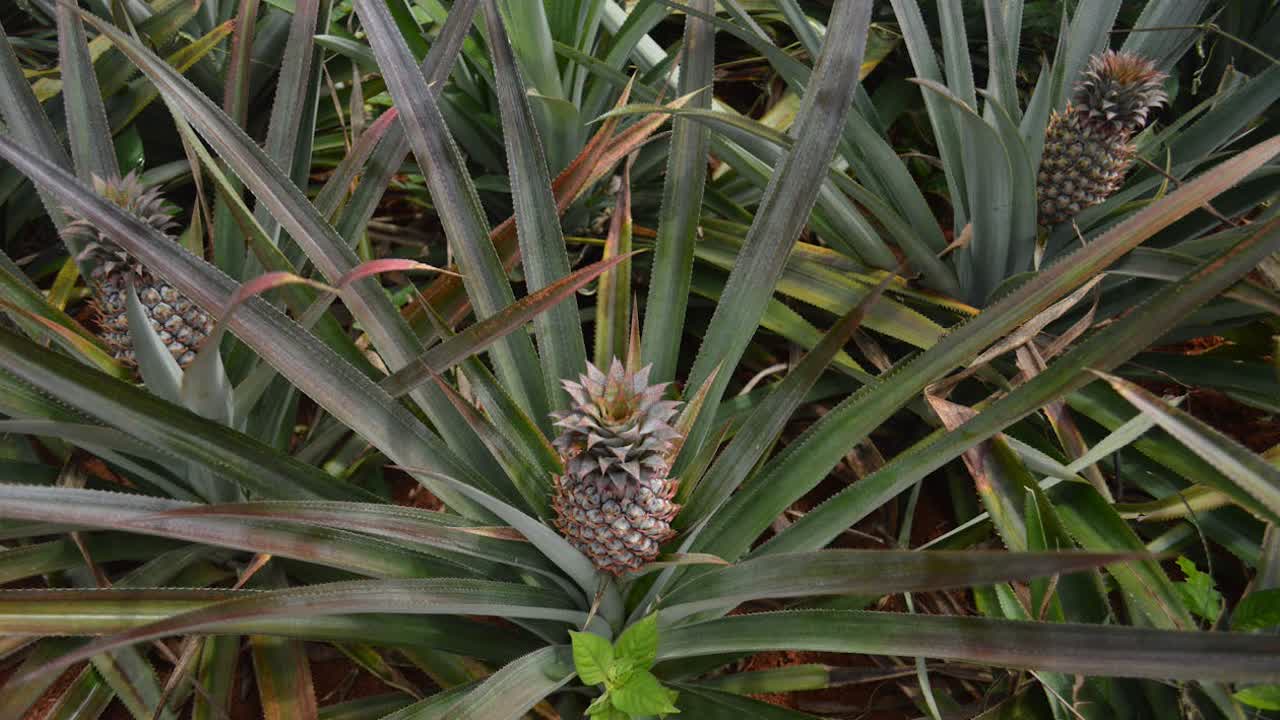
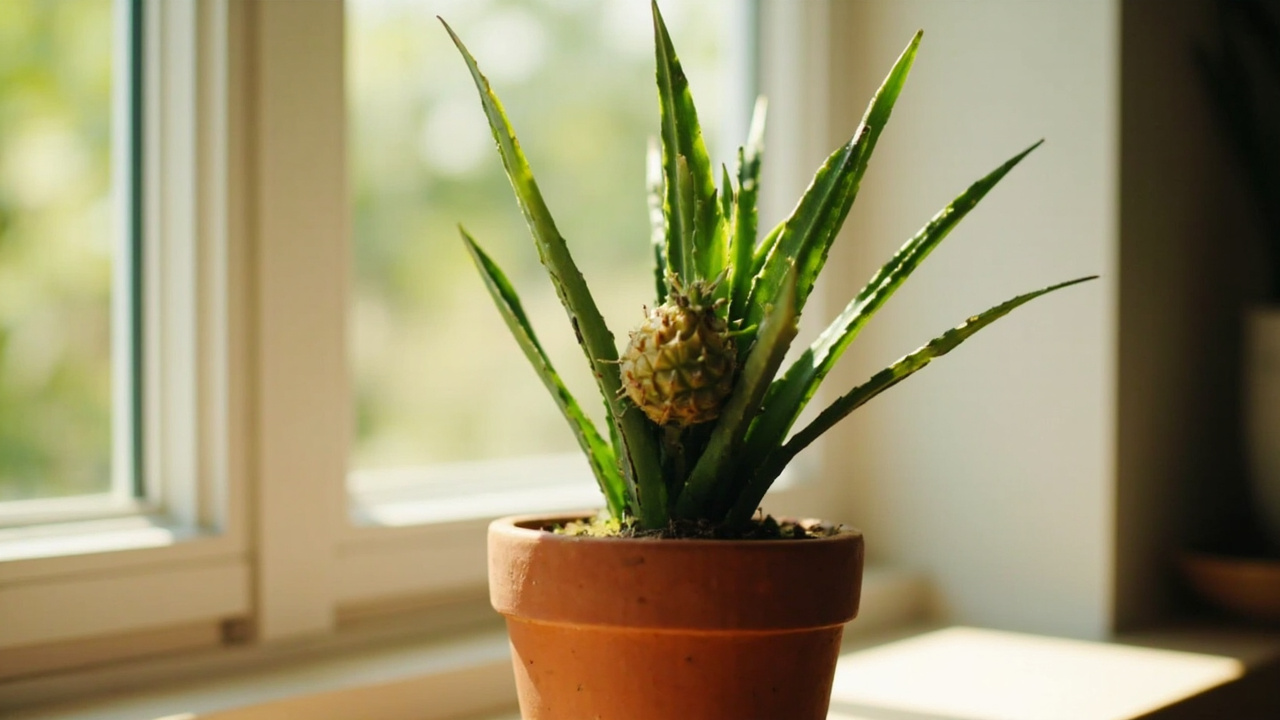
Wait until the pup is clearly developed and has several strong leaves of its own. Bigger is usually better within reason. A tiny pup technically can be removed, but it often establishes more slowly.
- good sign: pup looks like a real miniature plant
- good sign: attachment point is visible and accessible
- better sign: some independent root development is already beginning
What happens next with a well-sized pup is a much smoother transition. The plant already has enough stored energy to handle the shock of separation.
Tools You Need
- clean sharp knife or pruners
- gloves if the leaf edges are irritating
- fresh fast-draining potting mix
- a small pot with drainage
Sanitize the blade before cutting. That small step matters. A fresh wound at the base of a pup is not where you want bacteria or fungus getting introduced.
How to Separate the Pup
- expose the base enough to see where the pup connects to the mother plant
- hold the pup steady without bending it harshly
- make one clean cut through the attachment point
- keep as much healthy tissue as possible on the pup side
If the pup comes free with a bit of root attached, even better. But do not panic if it does not. Pineapple offsets can still establish well if the base is healthy and the aftercare is right.
Let the Cut Dry First
Do not pot it instantly. Let the cut surface dry for 24 hours, or up to 48 hours in humid conditions. That drying period lets the wound callous over.
What happens next is important: a dried cut is less likely to rot when it meets soil. Fresh wet tissue pushed straight into mix is where a lot of preventable failures begin.
Potting the Pup Correctly
Use a small pot with a fast-draining mix. A good formula is:
- 50% potting mix
- 30% perlite or pumice
- 20% bark or coarse sand
Set the pup deep enough to stay upright, but do not bury the leaves. Then water lightly. The goal is slight settling, not saturation.
For the full setup, the soil guide matters more than people think. A good pup can still fail in a heavy wet mix.
Aftercare in the First Few Weeks
Place the newly potted pup in bright light and warm temperatures around 70–85°F / 21–29°C. Keep the mix lightly moist but never soggy.
- too much water: rot risk rises before roots settle
- too little light: growth stalls
- too much sun immediately: extra stress before establishment
What happens next in good conditions is stability first, then new center growth. That new center growth is the sign the pup is transitioning well.
Should You Remove All Pups at Once?
Not always. If the mother plant has several offsets, you can stagger the separation depending on size and your goals. Removing all of them immediately gives you more individual plants faster, but leaving some attached a bit longer can help them size up first.
The trade-off is space versus speed. If the container is already crowded, delay becomes less useful because crowding creates its own problems.
What Mistakes Cause Pup Failure?
- cutting the pup too small
- potting it immediately without drying the wound
- using dense wet soil
- keeping it too dark after separation
- watering too heavily in the first week
Most failures are not because pineapple pups are fragile. They are because the transition was handled too aggressively.
The Honest Recommendation
Wait for size. Make a clean cut. Let it dry. Pot it into a fast-draining mix. Then be patient while it settles. That is the whole strategy.
If you follow that sequence, pineapple pups are one of the best ways to keep a strong pineapple line going at home.
For the bigger picture, pair this with pups vs slips vs suckers and the main propagation guide.
Turn PDF Bank Statements Into Workable Spreadsheets
Your bank statement is a mess of numbers, but your books shouldn't be. Use our converter to get Excel, CSV, or QBO files — ready for QuickBooks.
Try It Free Now