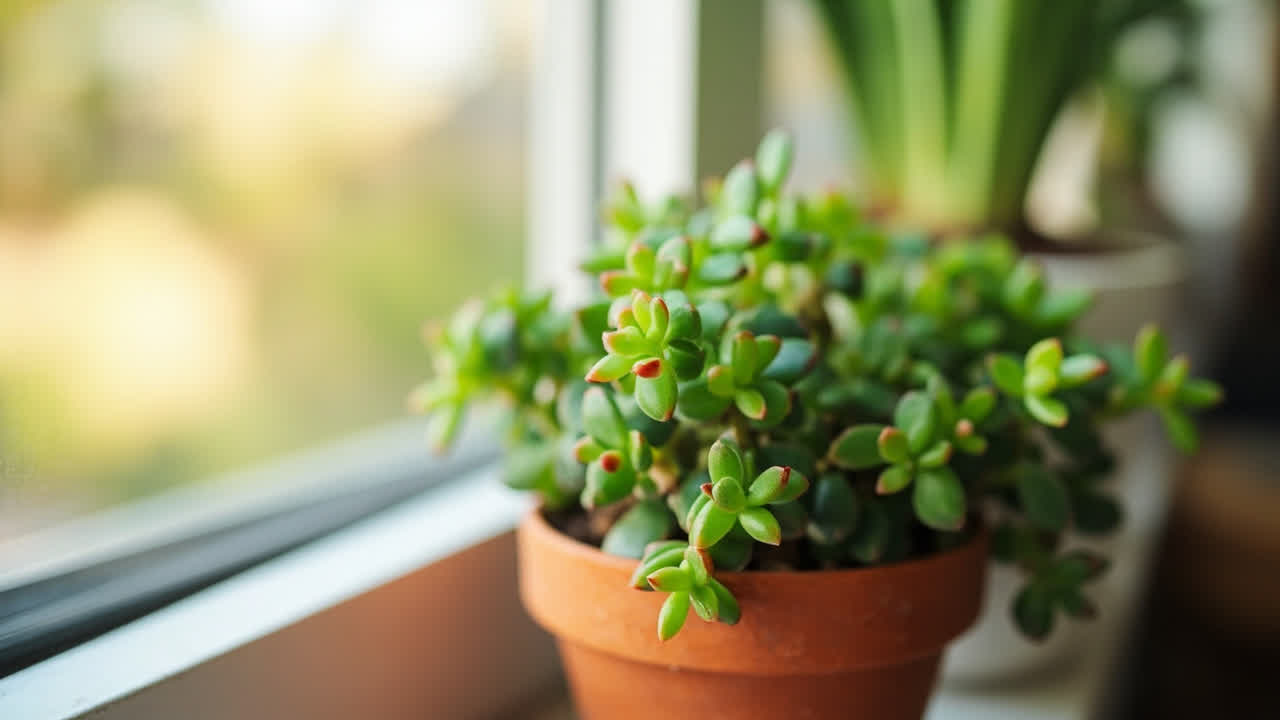

You walk over to check on your jade plant and notice the leaves have lost their usual firmness. They’re drooping, softening, and looking generally sorry for themselves. Your first instinct is to water — but hold on. A wilted jade plant isn’t always a thirsty jade plant.
Wilting in jade plants can come from too much water, not enough water, root damage, heat stress, or even the pot being too small. Watering immediately without diagnosing the cause is how small problems become serious ones.
Reading the Signals: What the Wilting Looks Like Tells You What’s Wrong
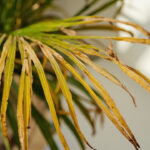
The direction of the wilt matters more than most people realize. When a jade plant is underwatered, the leaves tend to curl slightly inward and upward — the plant is trying to reduce surface area exposed to the air to conserve water. When a jade plant is overwatered or has root rot, the leaves feel softer and more limp, and the plant may look flattened rather than curled.
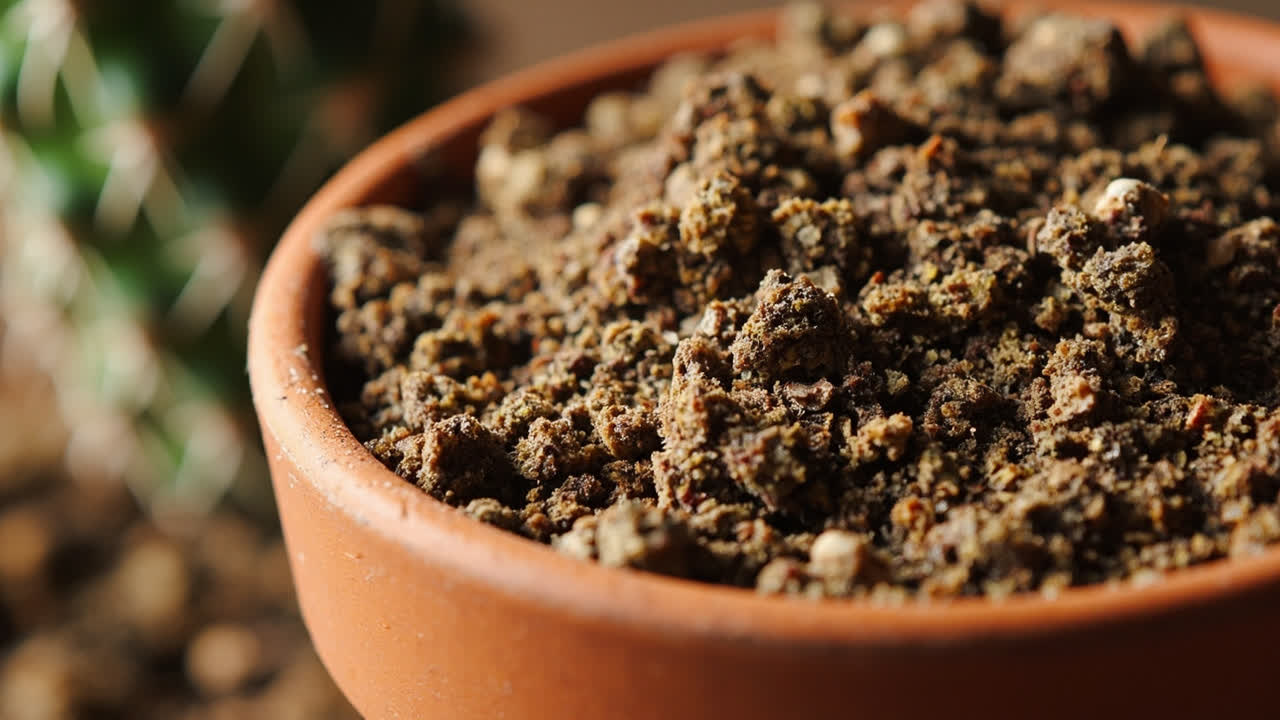
If you’re unsure, check the soil. It’s the fastest diagnostic tool you have. Dry soil that pulls away from the sides of the pot means underwatering. Damp soil that stays wet for more than a week after watering means overwatering or root problems.
The weight test is described in the care guide — picking up the pot to feel when it’s genuinely light versus when it still holds moisture is the quickest daily check you can do.
The Weight Test
Picking up the pot is one of the most reliable ways to check. A dry jade plant weighs noticeably less than a recently watered one. After a few weeks of handling your plant, you’ll develop an instinct for what “normal” feels like. When the plant weighs noticeably less than usual and the soil looks dry — watering. When the plant feels heavy and the soil is wet — stop watering and investigate.
Common Causes of Wilting
Underwatering
This is the straightforward case. The jade plant hasn’t received enough water, the soil has been dry for too long, and the leaves are showing it. The fix is to water thoroughly — until it flows from the drainage hole — and the plant should firm up within 2-3 days.
Don’t overcorrect by watering again the next day. Wait until the soil is dry before watering again. A single thorough watering will correct a moderate water deficit.
In very hot summer conditions, jade plants in terra cotta pots can dry out in 3-4 days. If you’ve been watering weekly and the plant is wilted and light, move to every 5-7 days — more frequent water is the solution, not more water at each session. The fertilizer schedule also matters during active growth — a plant without nutrients has less resilience to stress.
Overwatering and Root Rot
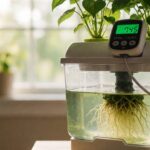
This is the more serious cause and the one that requires more intervention. When the soil stays wet for too long, the roots begin to rot, and rotted roots can’t absorb water. The plant wilts not because it’s dry but because its water uptake system is damaged. This is why the soil might feel damp and the plant still looks thirsty.
If the soil is wet and the plant is wilted, this is the likely cause. Check the roots as described in the jade plant root rot guide. If the roots are dark and mushy, treat for root rot immediately — remove the plant, cut away damaged roots, and repot in fresh fast-draining soil.
Heat Stress
A jade plant that’s been sitting in a hot, dry spot — near a window in direct summer afternoon sun, or next to a heat vent — can wilt from heat stress even if the soil moisture is fine. The plant is losing water faster from the leaves than it can absorb through the roots.
Move the plant to a cooler, brighter location. Water lightly to compensate for the increased demand. The plant should recover within a few days once the temperature stress is removed. For placement guidance, the light requirements guide covers optimal positioning.
Root Bound and Pot-Bound Wilting
A jade plant that’s completely filled its pot with roots has very little soil left to hold water. Every time you water, the roots take up the moisture almost immediately and there’s no buffer. The plant shows signs of drought stress even though you’re watering regularly.
If you tip the plant out of its pot and the roots have formed a solid mass that holds the shape of the pot, it’s root bound. Repot into a pot one size up — see the repotting guide for step-by-step instructions.
Transplant Shock
A newly repotted jade plant often wilts slightly for the first 1-2 weeks. This is normal — the roots have been disturbed and need time to re-establish. The plant is losing water through the leaves faster than the temporarily reduced root system can supply it.
Keep the plant in bright indirect light (not direct sun), water lightly, and wait. New root growth in 2-3 weeks will resolve the wilt. Do not fertilize during this period.
How to Revive a Wilted Jade Plant
The revival approach depends on the cause, but follows a consistent logic:
If underwatered: Water thoroughly. Place in bright indirect light. The plant should firm within 48-72 hours.
If overwatered with suspected root rot: Remove from pot, check roots, cut damaged tissue, air dry 24-48 hours, repot in fresh soil. Hold off watering for 2-3 weeks. Resume with a conservative schedule.
If heat stressed: Move to a cooler location, water lightly, and give the plant time to recover. Avoid moving it back into the heat source.
If root bound: Repot into the next size up with fresh soil. Resume watering once the plant shows signs of new growth.
Prevention: The Right Watering Foundation
Most jade plant wilting comes back to inconsistent watering. The jade plant watering requirements guide has the full details, but the short version is this: water only when the soil is completely dry, water thoroughly when you do, and empty the saucer within 30 minutes. A moisture meter removes the guesswork if you’re prone to over- or under-watering.
Consistency matters more than volume or frequency. A plant on a regular, reliable schedule will never experience the drought-flood cycle that causes most of the wilting problems jade plant owners encounter.
Turn any PDF statement into a clean sheet
Skip the typos and the hours of copying. Our converter handles any bank statement format and outputs Excel, CSV, or QBO for QuickBooks. No file retention, free to try.
Convert your statement