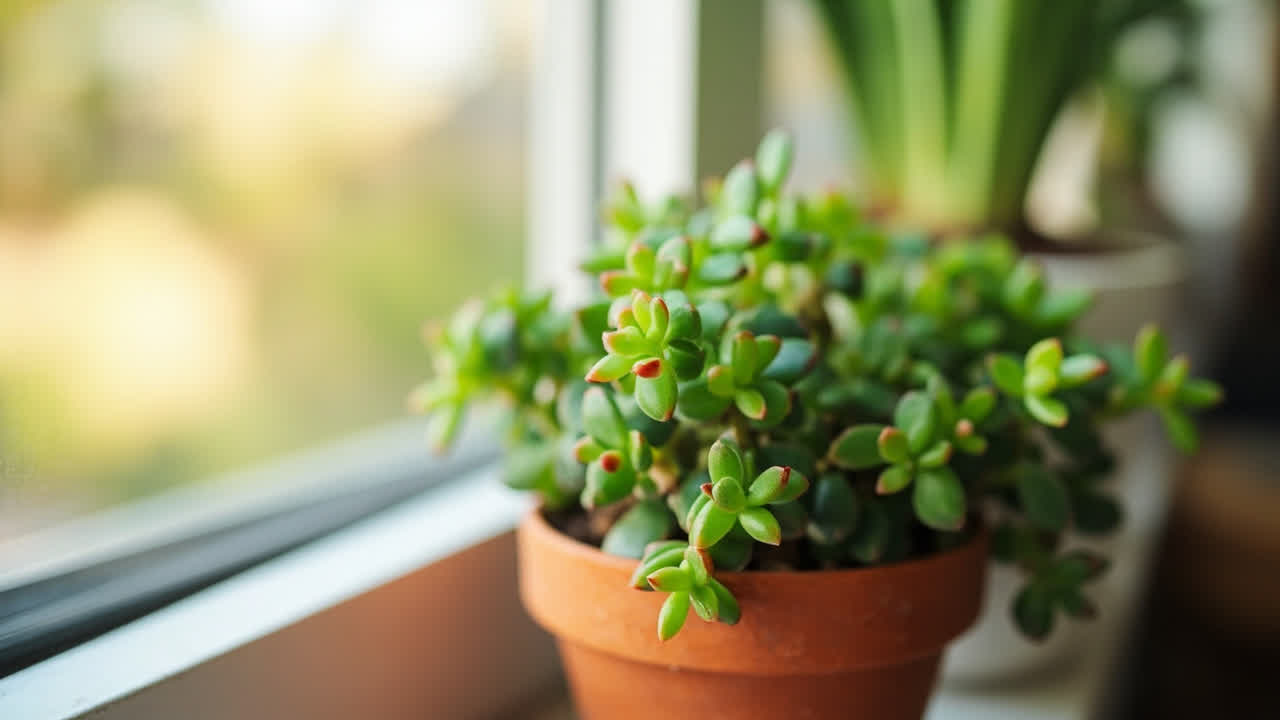
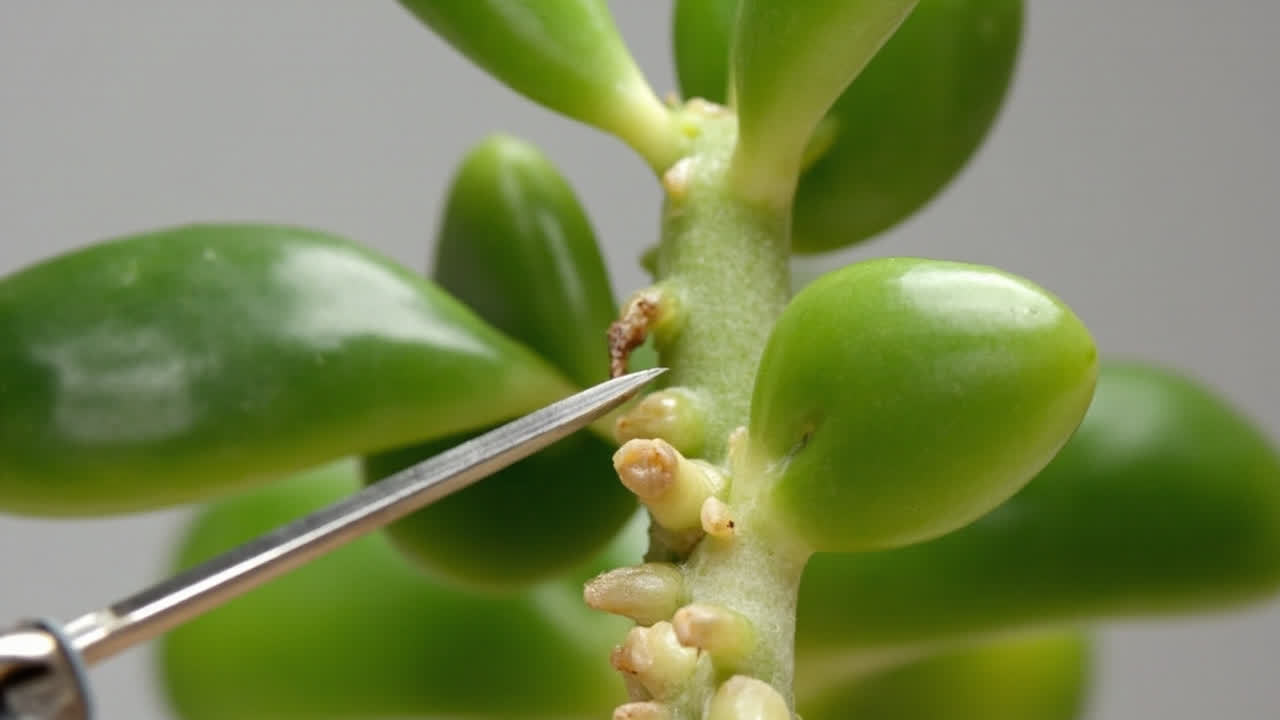
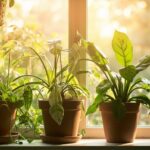
Crassula ovata is the jade plant most people recognize — the classic woody stem and glossy oval leaves. But it is only one variety in a genus of over two hundred species, many of which are equally attractive and just as suitable for indoor growing. Exploring jade plant varieties reveals an unexpected diversity of form, color, and texture that makes the category far richer than the single plant most people have on their windowsill.
Crassula Ovata : The Classic Jade Plant
For complete care requirements for all varieties, see the full jade plant care guide.
Crassula ovata is the species that defined jade plant’s reputation. Also called dollar plant, money plant, and lucky plant, it features thick, woody stems that develop into a tree-like structure over time, and oval leaves that are deep green with reddish edges when grown in good light. Mature plants occasionally produce clusters of small white or pale pink star-shaped flowers in winter or early spring.
Crassula ovata has several notable cultivars worth knowing:
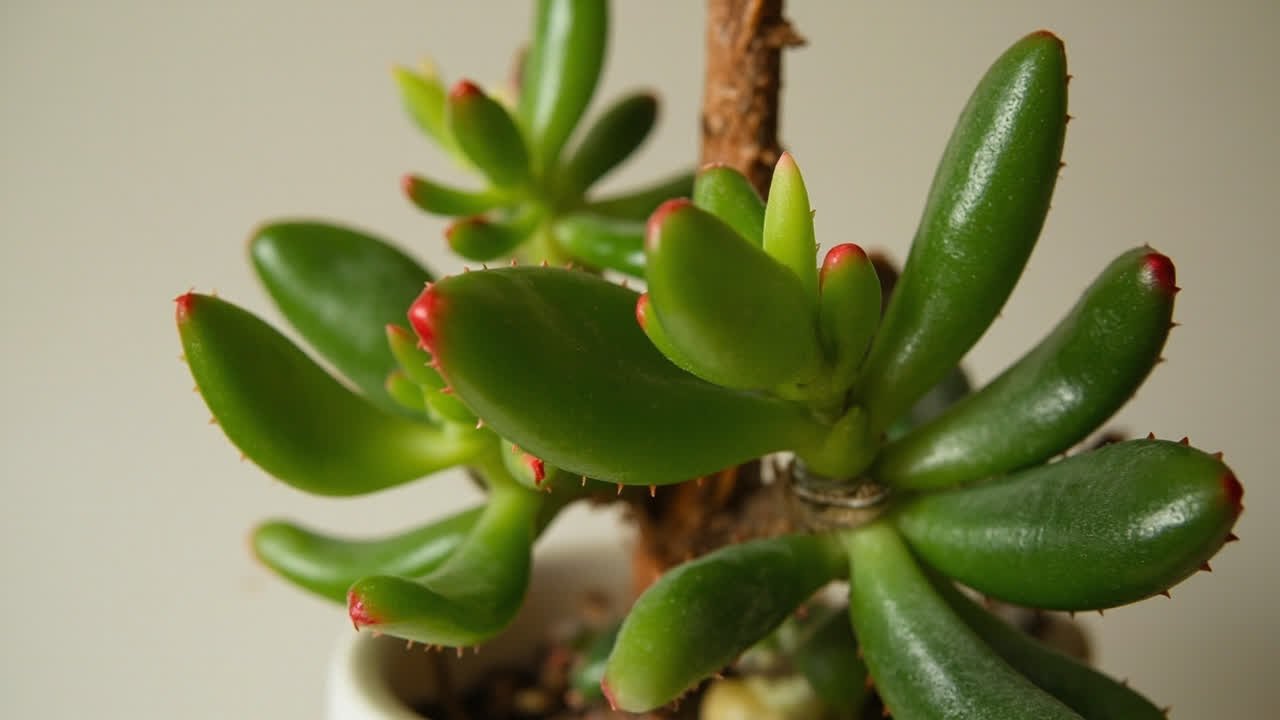
Gollum jade (Crassula ovata ‘Gollum’): A cultivar with tubular, indented leaves that curl inward at the tips, resembling suction cups more than standard jade leaves. The leaves are typically a deeper green than standard jade, sometimes with red tips. Gollum jade grows into a compact, rounded plant that is slower to develop the tree-like trunk of standard jade. It is a popular architectural succulent that works well in small spaces and dish gardens.
Jade plant ‘Hummel’s Sunset’: Winner of the Royal Horticultural Society’s Award of Garden Merit. This cultivar features leaves with bright yellow and red coloration — a gradient of gold, orange, and red that is most intense in bright light. It is considered one of the most striking ornamental succulents available and is widely propagated by collectors.
Crassula ovata ‘Obliqua’: Also called ‘Green Shell’ jade. Distinguished by leaves that point slightly outward rather than growing flat, giving each leaf a slightly cupped appearance. The leaves are a consistent green without red edging, making it visually distinct from the standard species.
Variegated jade plant (Crassula ovata ‘Variegata’): Uncommon but striking, with leaves that have cream, white, or pale yellow sectors of variegation mixed with green. Variegated cultivars grow more slowly than solid-colored varieties because the variegated sectors contain less chlorophyll and photosynthesize less efficiently.
Crassula Arborescens : Silver Dollar Plant
Crassula arborescens, commonly called silver dollar plant or月光 (moon), is a close relative of jade plant that looks similar but has distinctly different leaves — round, silvery-blue with a waxy coating that gives it a dusty appearance. The leaf edges often have a thin dark margin. It grows more slowly than standard jade plant and tends to remain a large shrub rather than developing a pronounced tree-like trunk.
Silver dollar plant is slightly less cold-tolerant than standard jade plant but equally easy to grow indoors. Its silvery-blue color makes it a distinctive specimen that stands out in any collection of succulents.
Crassula Marnieriana : Jade Necklace
Crassula marnieriana — commonly called jade necklace — features stacked, bead-like leaves that grow opposite each other along thin stems, giving the appearance of green beads strung on a string. The leaves are teardrop-shaped and slightly concave, often with red tips. It is a popular hanging basket or trailing succulent that looks striking in a suspended planter or cascading from a shelf.
Jade necklace is less common than standard jade plant but increasingly available from specialty succulent nurseries. It requires the same care as other jade varieties: bright light, infrequent watering, and fast-draining soil.
Crassula Sericea : Silver Dollar Jade (Other Species)
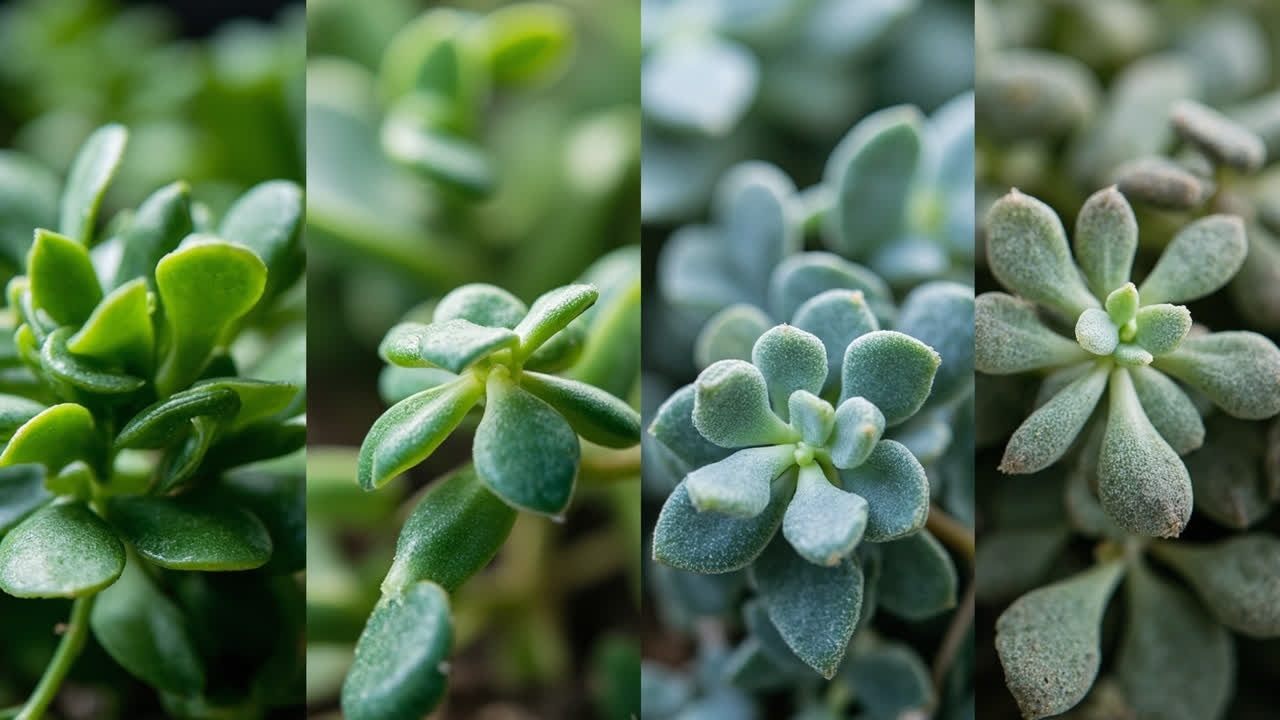
Crassula sericea is a compact, velvety species with silvery-green leaves that are covered in fine hairs, giving them a soft, matte texture. The leaves are oval and slightly translucent at the edges. It is smaller and slower-growing than Crassula ovata, making it suitable for small pots and arrangements. It produces small white or pink flowers on short stalks.
Several other Crassula species are commonly sold and have a similar growth habit to jade plant:
Crassula perforata (string of buttons): Features triangular leaves that stack alternately around slender stems, appearing to thread through each other. The leaves are gray-green with pink to red edges in bright light. It cascades naturally and is commonly grown as a trailing plant in hanging baskets.
Crassula muscosa (watch chain): A dense, compact succulent with tiny scale-like leaves that press tightly against thin stems, giving the plant a braided or chain-like appearance. It grows upright to about a foot tall and produces small greenish flowers along the stems.
Crassula Hobbit : A Popular Cultivar
Crassula ovata ‘Hobbit’ is a cultivar closely related to Gollum jade, featuring leaves that are curled and twisted in a similar way but with slightly more undulation along the leaf edges. The leaves are typically a brighter green and the plant has a more compact, rounded form than Gollum jade. Some classification systems treat Hobbit and Gollum as the same cultivar with two names, while others distinguish them by leaf curl intensity.
Hobbit jade grows more slowly than standard Crassula ovata and stays more compact, making it ideal for desk-sized specimens and small pots. It is one of the most widely available jade plant cultivars in garden centers.
Growing Different Varieties Together
Jade plant varieties can be combined in a single container for a mixed succulent display — a dish garden or trough planter with several varieties creates visual interest through contrast in leaf shape and color. The care requirements for all Crassula species and cultivars are essentially identical: bright light, fast-draining soil, infrequent watering, and good air circulation.

Where to Find Rare Jade Plant Varieties
Most garden centers carry only the standard Crassula ovata and perhaps the Gollum cultivar. Rare varieties are available from specialty succulent nurseries, both online and at specialty plant shows. Organizations like the Cactus and Succulent Society of America maintain lists of reputable nurseries that ship succulents safely. Facebook groups dedicated to succulent collecting are another reliable source for finding traded or sold rare varieties.
When purchasing rare varieties, verify that the seller specializes in succulents — a plant arriving from a general nursery with poor roots or soil conditions starts at a disadvantage. Specialty growers understand the specific needs of succulents and typically ship plants bare-root or in fast-draining medium.
Which Variety to Choose
For beginners, the standard Crassula ovata is the best choice — it is the most forgiving, fastest-growing, and most readily available. Once you are comfortable with jade plant care and want to expand, Gollum or Hobbit cultivars offer distinctly different visual character without any change in care requirements. For collectors, the rarer species like Crassula marnieriana and Crassula sericea provide the most visual interest, though they grow more slowly and may require more patience to develop into show-quality specimens.
The key advantage of jade plant varieties is that they all share the same easy care requirements. You do not need to learn different watering schedules or soil mixes for each — the entire genus thrives under the same conditions that make standard jade plant one of the easiest houseplants to grow.
Turn That PDF Into a Spreadsheet in Minutes
You've seen how to do it manually — now let the tool handle the heavy lifting. Upload your bank statement and get Excel, CSV, or QBO in a few clicks.
Try It Free