Red leaves on a blueberry bush are one of the most alarming symptoms because they are visually dramatic and they appear quickly. Within days, a bush that looked healthy can be covered in red — and most gardeners assume the plant is dying. Sometimes they are right to worry. Sometimes the cause is benign and the bush recovers on its own.
The diagnostic key is timing and which leaves are turning red. Red leaves appearing in late summer or fall are a normal seasonal response — the bush is preparing for dormancy and moving nutrients out of the leaves. Red leaves appearing in spring or mid-summer are a problem signal and need investigation.
Normal Seasonal Reddening : When It Is Not a Problem
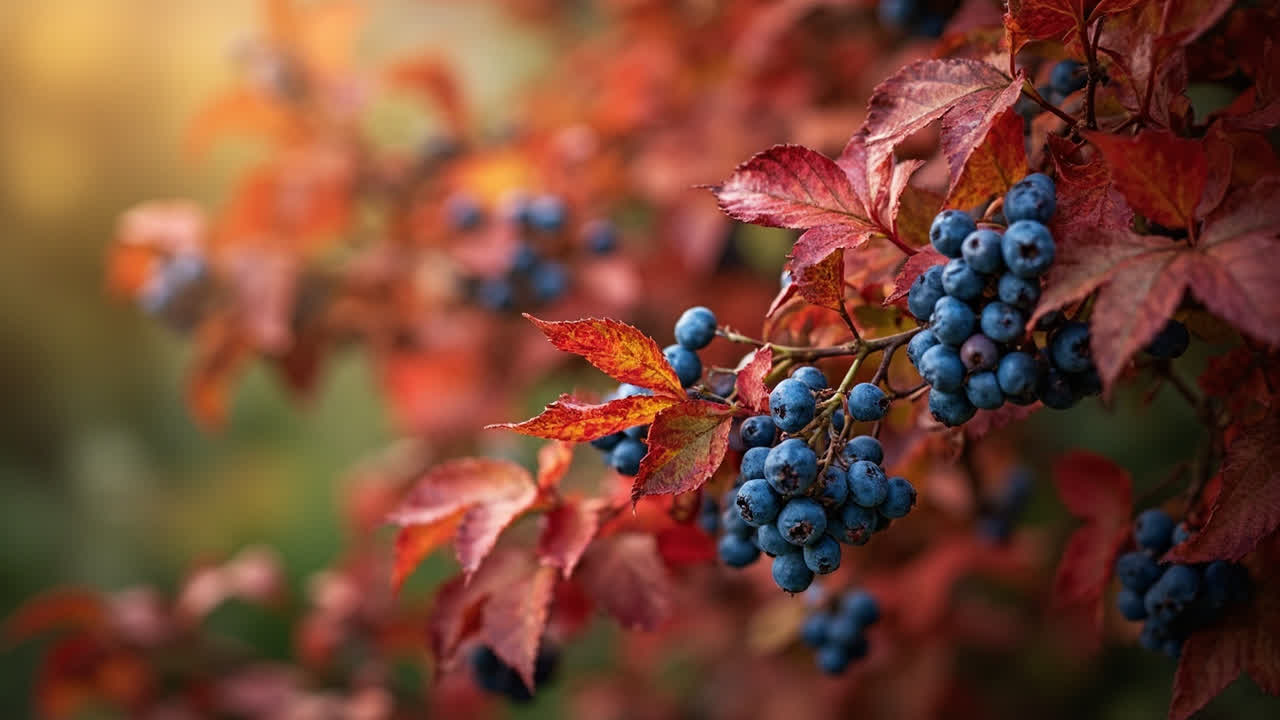
Blueberry leaves normally turn red in autumn as the bush enters dormancy. The red color comes from anthocyanin pigments that the plant produces to protect its leaves during the transition, and to help the leaves abscise cleanly before winter. This is a healthy process. The leaves drop, the bush goes dormant, and it emerges in spring with fresh green growth.
Late summer reddening on older leaves, particularly the oldest leaves at the base of the cane, can also be normal — particularly if it appears after the bush has finished fruiting and is entering its post-harvest rest period. This is sometimes called “autumn color anticipation” and is not a problem if the new growth at the cane tips is green and healthy.
When normal reddening is your diagnosis: Leaves are red in fall, the bush is otherwise healthy, new growth is green, no other symptoms (stunting, wilting, poor vigor). No action needed.
—
Spring Reddening : The Early Warning Signal
Red leaves appearing in spring, as the bush breaks dormancy, almost always indicate a problem. The most common causes in spring are transplant stress and early-season nutrient deficiencies.
Transplant stress: A newly planted blueberry bush often reddens its leaves in the first few weeks after planting. The root system is adjusting to the new soil environment, and the plant may be taking up water and nutrients less efficiently than it was in the nursery conditions. The leaves respond by turning red — particularly on the oldest leaves first.
This type of reddening is common and usually self-corrects within four to six weeks if the soil pH is correct and the bush is kept consistently moist. If the leaves remain red and the bush does not put out new green growth within two months, the problem is likely not transplant stress.
Magnesium deficiency: One of the most common nutritional causes of reddening in blueberry leaves is magnesium deficiency. The classic symptom is red leaves with the veins remaining green — interveinal chlorosis — often with the margins of the leaves curling upward. Older leaves show the symptoms first.
Magnesium deficiency in blueberries is common in sandy soils and in containers where watering leaches magnesium out of the root zone. It is also more common in acidic soils below pH 4.5.
The fix is Epsom salt (magnesium sulfate) applied as a foliar spray — one to two tablespoons per gallon of water, applied in the morning when leaves are dry. For longer-term correction, work Epsom salt into the soil surface around the root zone and water in. For container blueberries, add Epsom salt to the regular fertilization program every four to six weeks during the growing season.
—
Summer and Mid-Season Reddening : The Active Problem Signals
Red leaves that appear during the active growing season — spring through late summer — indicate an ongoing problem that needs correction.
Phosphorus deficiency: Causes deep red or purple discoloration on older leaves. The plant’s growth may be stunted, and canes may be thinner than they should be. Phosphorus deficiency in blueberries is most common in high-pH soil (above 6.0) where phosphorus becomes unavailable. This is another signal that soil pH is wrong — the condition that underlies most blueberry problems. Correct the pH and the phosphorus availability resolves.
Nitrogen deficiency: Can cause overall yellowing followed by redding on older leaves, particularly in very acidic soils where nitrogen has leached away. The bush looks stunted and pale. Correct with ammonium sulfate applied at the standard rate.
Root rot from overwatering: A blueberry bush in waterlogged soil develops root rot and begins to show red and purple discoloration on leaves as the root system fails. Unlike the normal autumn pattern, this discoloration appears across the entire bush, including new growth. The soil is wet or waterlogged, and the bush may be wilting despite the wet soil.
The fix: remove the plant from its container or excavate around the root zone, inspect the roots (healthy blueberry roots are white and fibrous; rotted roots are brown, mushy, and break easily), trim away all affected roots with clean scissors, repot in fresh acidic mix, and reduce watering frequency significantly.
Viral infection: Several blueberry viruses cause reddening and mottling of leaves. Viral infections are identified by the pattern — typically a mosaic or mottled pattern of red and green across the leaf rather than uniform reddening. Viral infections cannot be cured — but the save a dying blueberry plant guide covers the diagnostic framework that distinguishes viral infection from other causes of decline.. Infected plants should be removed to prevent spread to other bushes. This is uncommon in home garden settings but worth knowing about.
—
Red Leaves on Only One Section of the Bush
When only part of the bush shows red leaves while the rest looks healthy, the cause is usually localized — either a physical problem with that section or a pest or disease that affects one part of the plant more than others.
Cane dieback: A cane that is dying back from the tip will show red leaves all along that cane while the rest of the bush remains green. The cane itself will show browning or drying at the growing tip. Cut the affected cane back to healthy wood or to the ground.
Girdling: If a cane is being girdled — choked by a wire, a tight tie, or an object that has grown around it — the cane above the girdle point shows reddening and decline while the rest of the bush is healthy. Remove whatever is causing the girdling.
Phytophthora root rot (crown rot): This soil-borne pathogen enters at the crown and causes progressive decline on one side of the bush or on individual canes. Leaves on affected canes turn red and the cane dies back from the top. Crown rot is most common in poorly draining soil and hot weather. Remove affected plants and do not replant blueberries in the same soil.
—
The Diagnostic Sequence : Step by Step
When you see red leaves on a blueberry bush, work through this sequence:
1. Is it fall or late summer? If the bush is otherwise healthy and the red leaves are mostly on older growth at the base of canes, this is almost certainly normal autumn coloration. Wait and watch. Seasonal leaf changes in blueberries are covered in our yellow leaves guide if the pattern extends into new growth.
2. Is it a newly planted bush (first season)? If yes, this is likely transplant stress. Keep the soil consistently moist and wait. If red persists beyond six weeks, check soil pH.
3. Are only the oldest leaves affected, and are the veins green? This suggests magnesium deficiency. Apply Epsom salt as a foliar spray.
4. Are the leaves uniformly red across the entire plant, including new growth? Check soil moisture — if wet, this is root rot. If dry, underwatering. If soil moisture is normal, test soil pH.
5. Are only one or two canes affected? Check the affected cane for physical damage, girdling, or dieback. Cut back to healthy wood.
6. Does the leaf show a mosaic or mottled red-green pattern rather than uniform color? This suggests viral infection. Remove the affected plant.
—
Prevention Is Always Simpler Than Cure
Most causes of blueberry leaf reddening are preventable by getting two things right from the beginning: soil pH between 4.5 and 5.5, and drainage that prevents waterlogging. The complete blueberry growing guide covers the full prevention framework. For the full container growing context that keeps pH stable, see our container blueberry guide.. These two conditions alone prevent the majority of nutritional and disease problems that cause leaf discoloration.
For container blueberries, the prevention list also includes annual pH testing and seasonal Epsom salt supplementation in the fertilization program, particularly in sandy soil mixes that lose magnesium faster than heavier mixes.
Red leaves on a blueberry bush are a signal, not a diagnosis. The bush is telling you something — the question is whether it is telling you the season is changing, or whether it is asking for help. The timing and pattern of the reddening narrow the cause quickly. Normal autumn color appears in fall on an otherwise healthy bush. Problem reddening appears in spring and summer and almost always connects back to soil pH, drainage, or nutrient availability.
Turn PDF Bank Statements Into Workable Spreadsheets
Your bank statement is a mess of numbers, but your books shouldn't be. Use our converter to get Excel, CSV, or QBO files — ready for QuickBooks.
Try It Free Now