The shift from outdoor to indoor growing conditions is one of the most stressful events in a houseplant is life — and in most home gardeners is calendar. The change in light intensity alone can drop by 50–80% when a plant moves from a patio to a heated living room. Add dry indoor air, lower humidity, and reduced airflow, and a plant that was thriving outside can deteriorate within weeks if the transition is not managed.
Why Winter Transition Matters More Than Most Guides Suggest
The instinct is to wait until the first frost warning before bringing plants in. This is the wrong approach. Most tropical houseplants start suffering from light decline before temperatures drop — the shorter days of late summer and early autumn reduce photosynthesis before cold damage becomes a risk. The most successful winter transitions begin in mid to late September, when outdoor light levels begin to fall below what tropical plants need to maintain their condition.
Plants brought in early have time to adjust gradually to the changed environment. Those dragged inside abruptly after a cold snap typically drop leaves, show signs of transplant shock, and require several weeks to stabilize — if they stabilize at all.
The Inspection Protocol Before Bringing Plants Inside
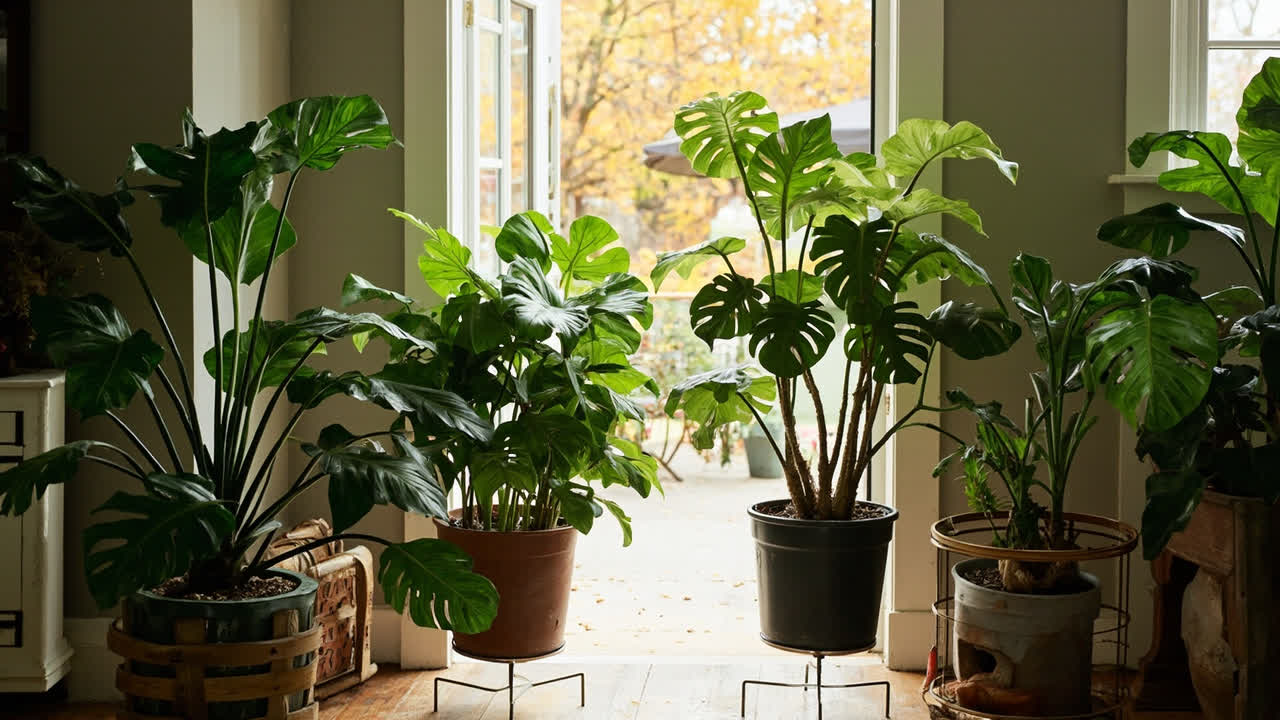
Before any plant enters your indoor space, it needs a thorough pest inspection. This is non-negotiable: one aphid colony or fungal gnat larvae brought inside can establish a winter infestation that persists for months and spreads to your entire houseplant collection.
Inspect the top and bottom surfaces of every leaf, the leaf nodes, the stem, and the top inch of soil. Look for: aphids (clustered at growing tips and undersides of leaves), spider mites (fine webbing between leaves and at stem joints, especially in hot, dry conditions), mealybugs (white cottony masses at leaf joints), scale insects (brown or tan discs on stems and leaf surfaces), and fungus gnat larvae (tiny white worms in the top soil layer).
If you find pests, treat before bringing the plant inside rather than trying to treat it in your living space. A systemic insecticide applied 2–3 weeks before the planned move date is the most reliable approach for heavy infestations. For light infestations, neem oil applied to all leaf surfaces and the soil surface works for most common pests if repeated every 5–7 days for three applications.
The Gradual Light Adjustment
Moving a plant from full outdoor sun to a north-facing living room is a light reduction that can trigger shock. The practical approach is to move plants to a partially shaded outdoor location for 1–2 weeks before bringing them inside. This allows the plant to begin adjusting to lower light before it loses the outdoor ambient contribution entirely.
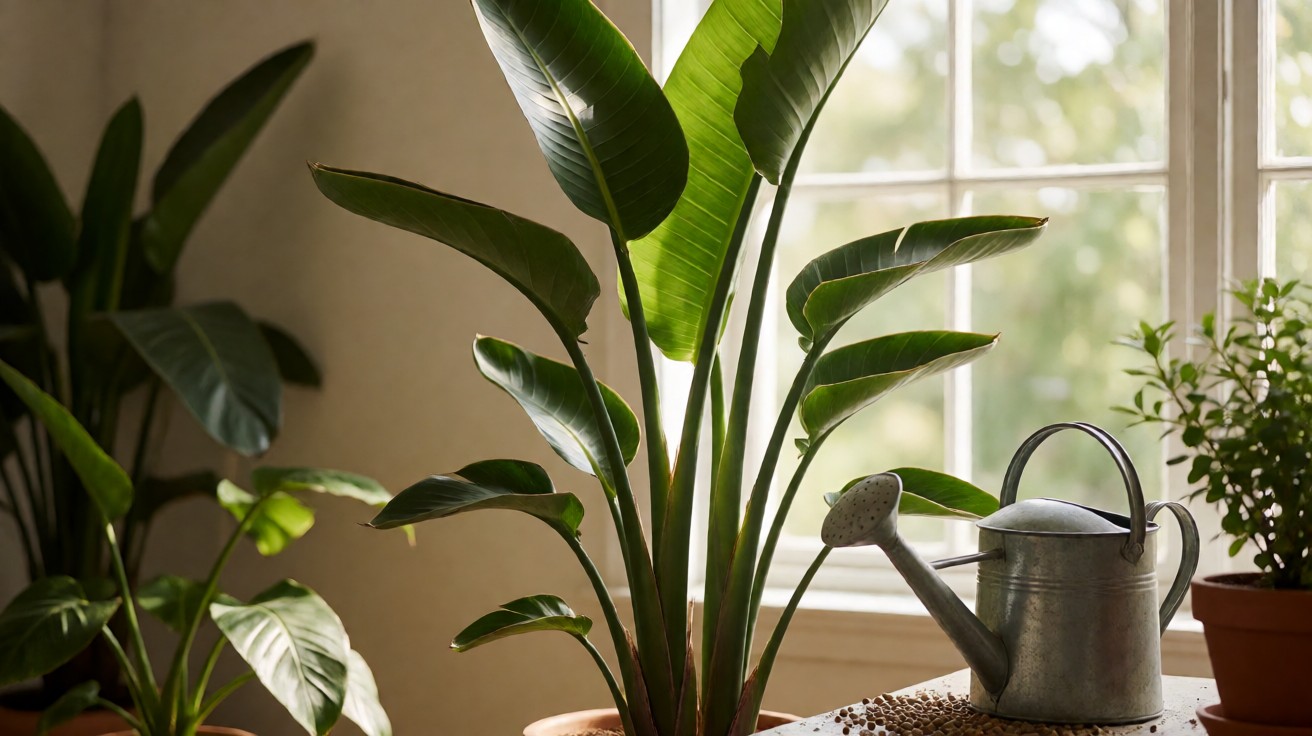
Once inside, place plants in the brightest available location — typically south or east-facing windows. If your home has limited natural light, supplement with grow lights. LED grow lights in the 4000–6500K color temperature range provide the full spectrum that tropical plants need to maintain their photosynthetic capacity through winter.
A common mistake is placing plants too far from windows in an attempt to protect them from cold. The thermal benefit of being 6 feet from a window instead of 2 feet is minimal compared to the light loss. Keep plants within 3 feet of your brightest windows, even if it means keeping them away from heating vents.
Humidity Management in Heated Indoor Spaces
Winter indoor air is typically 15–30% relative humidity — far below the 50–70% that most tropical houseplants prefer. The symptoms of low humidity show up within weeks: brown leaf tips, leaf drop, and crispy leaf edges. A plant that arrives inside looking healthy can look stressed by February if humidity is not actively managed.
Grouping plants together creates a microclimate where collective transpiration raises local humidity. A humidity tray humidity tray — a shallow tray filled with pebbles and water placed beneath the plant pots — provides localized humidity through evaporation. For serious tropical plants like calathea, ferns, and Alocasia, a small humidifier in the same room is the more reliable solution.
Misting is ineffective as a humidity strategy. The moisture added evaporates within minutes and can actually encourage fungal growth on leaf surfaces if applied in low-light conditions. Humidity at the leaf surface matters more than misting the air.
Watering Adjustments for Winter Indoor Conditions
Plants slow their growth in lower light and lower temperatures, which reduces their water consumption. A plant that needed watering every 2 days on a summer patio may need watering every 10–14 days in a dim winter living room. The shift is dramatic enough that watering habits formed during summer growing season are one of the primary causes of winter overwatering and root rot.
Check soil moisture before watering — insert your finger 2 inches deep. If it feels dry at that depth, water. If it still feels moist, wait another few days and check again. The “once a week” schedule that works in summer will drown most tropical houseplants in winter.
Use room-temperature water. Cold tap water shocks roots and can cause leaf drop similar to cold-draft damage. Letting water sit in a watering can for several hours allows it to reach room temperature and allows chlorine to dissipate if you are on a municipal water supply.
What Not to Do During the Transition
Do not repot during winter. The root disturbance and recovery demands of repotting are best timed for spring when the plant is entering its active growing season. A plant repotted in autumn has no growth surge to recover into and may sit dormant in its new pot through the entire winter.
Do not fertilize during winter unless the plant is actively growing. Most houseplants pause or slow significantly when light levels drop. Feeding during a dormant or semi-dormant period causes fertilizer salt buildup in the container, which damages roots and locks out micronutrients. Resume feeding in early spring when natural light levels begin to increase and new growth appears.
Do not prune heavily before bringing plants inside. The plant has limited light to support new growth — cutting it back reduces its photosynthetic capacity at the exact moment it needs maximum reserves to adjust to a new environment. Light pruning of dead or damaged material is fine. Major shaping is a spring task.
The transition from outdoor to indoor growing is annual, predictable, and manageable. Starting early, inspecting thoroughly for pests, and accepting that winter growth will slow are the three practices that make the biggest difference. A plant that enters winter in good condition after a careful transition will exit winter ready to grow, supported by a house plant care calendar — and will need far less rehabilitation than one that was dragged inside at the last minute.
—
From Bank Statement to QuickBooks-Ready File
That manual cleanup you just read about? This tool skips it. Turn your PDF into QBO for QuickBooks without storing your data anywhere.
Start Converting