Organic hydroponic fertilizers are specifically formulated nutrient solutions derived from natural sources. These fertilizers are free from synthetic chemicals, pesticides, and genetically modified organisms (GMOs).
Hydroponic fertilizer organic harness the power of organic matter, such as compost, worm casting, seaweed extracts, and fish emulsions, to provide essential nutrients for plant growth.
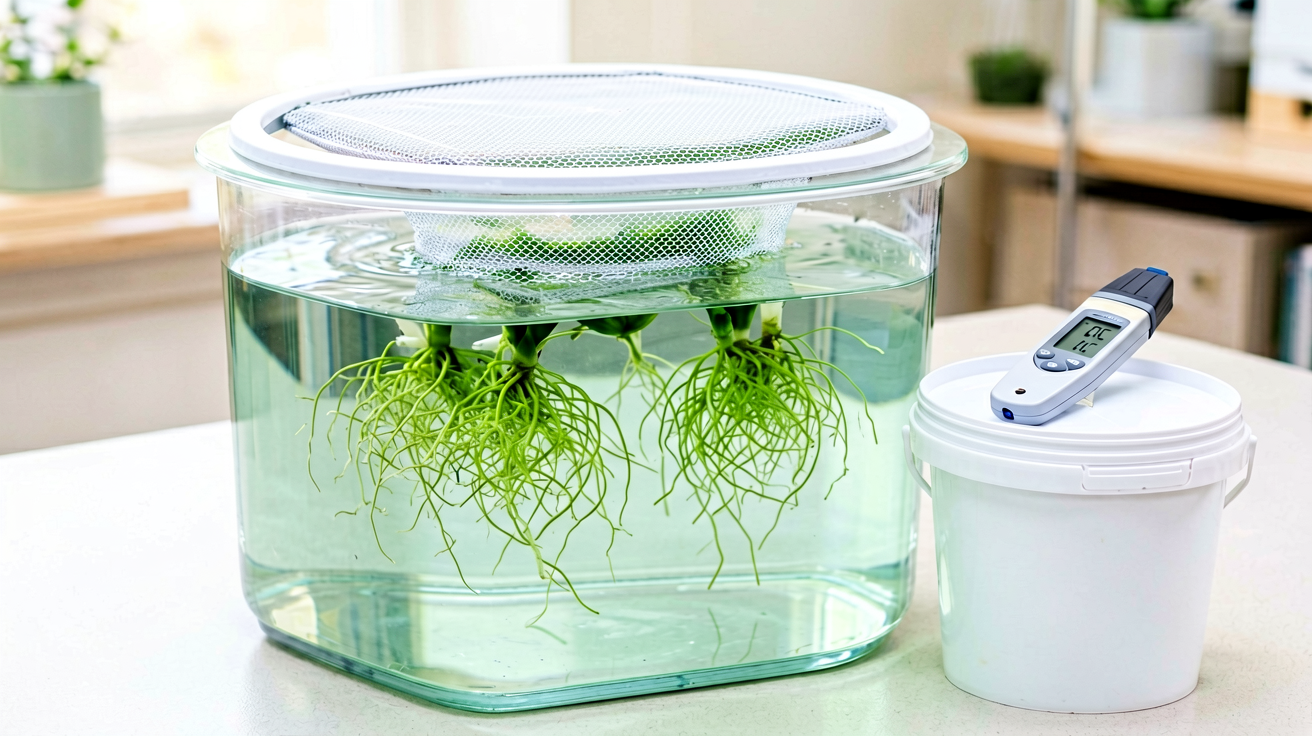
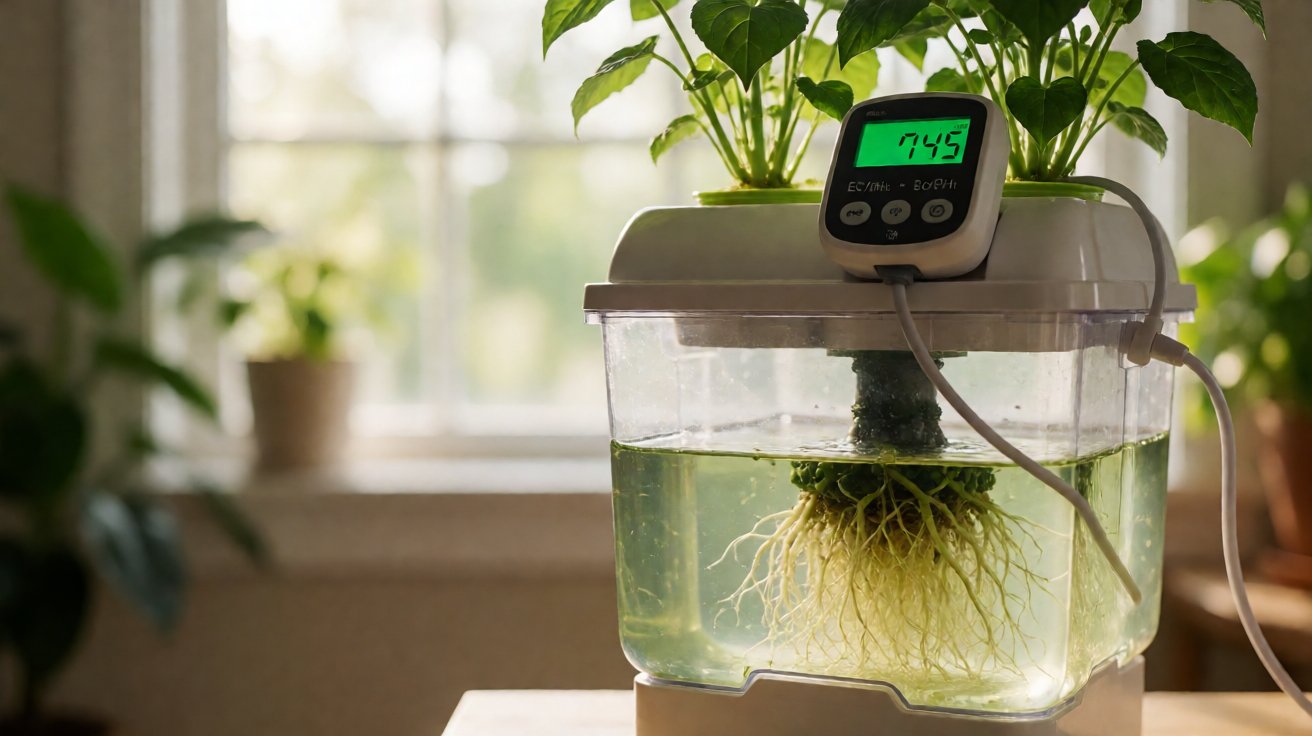
Hydroponics is an innovative farming technique that involves cultivating plants in nutrient-rich water solutions, eliminating the need for soil.
On the other hand, organic fertilizers are derived from natural sources, such as plant matter, animal waste, and minerals, and are free from synthetic additives or chemicals.
Organic methods play a vital role in hydroponics as they promote sustainability, reduce environmental impact, and enhance crop quality.
By utilizing organic hydroponic fertilizers, growers can minimize the accumulation of harmful residues in plants and ensure the production of healthier, more nutritious crops.
Organic Hydroponic Fertilizers: An Overview
Organic hydroponic fertilizers are formulated to meet the specific nutrient requirements of hydroponically grown plants while adhering to organic principles.
They offer several advantages over synthetic fertilizers, making them an attractive choice for environmentally-conscious growers.
Advantages of Using Organic Hydroponic Nutrients
- Environmental Sustainability: Organic hydroponic fertilizers are sourced from renewable resources, reducing dependence on non-renewable fossil fuels used in the production of synthetic fertilizers.
- Nutrient Availability: Organic fertilizers release nutrients slowly, ensuring a consistent supply of vital elements to plants without the risk of nutrient imbalances or excessive nutrient runoff.
- Soil Health Preservation: Hydroponic systems eliminate the need for soil, but organic fertilizers, when used in traditional farming, help improve soil structure, fertility, and microbial activity.
- Enhanced Nutritional Value: Organic hydroponic crops are often found to have higher levels of essential minerals, vitamins, and phytochemicals, contributing to improved flavor and nutritional content.
Differences between Organic and Synthetic Fertilizers
Organic hydroponic fertilizers differ from their synthetic counterparts in several aspects. While both provide essential nutrients, organic fertilizers are derived from natural sources, whereas synthetic fertilizers (inorganic fertilizer) are chemically manufactured.
Organic fertilizers release nutrients slowly over time, promoting long-term plant health, while synthetic fertilizers often deliver nutrients more rapidly but may risk nutrient imbalances and environmental pollution.
Read: Using Normal Fertilizers For Hydroponics

Types of Organic Hydroponic Fertilizers
There are many types of organic fertilizers available for use in hydroponic systems, each offering its own unique benefits.
Common types of organic fertilizers:
- Compost tea is a liquid fertilizer made from compost that is rich in nitrogen and other organic nutrient.
- Manure is an organic fertilizer that is rich in organic hydroponic nutrient, and can be purchased in bulk or applied directly to the soil.
- Bone meal is a slow-release fertilizer that is high in phosphorous and is great for root growth.
- Fish emulsion is a liquid fertilizer made from fish remains and is high in nitrogen and other nutrients.
- Seaweed extract is a liquid fertilizer made from seaweed that is high in minerals and micronutrients. Worm castings are made from the waste of earthworms, and are rich in essential micronutrients and beneficial bacteria.
Each of these organic fertilizers can help provide essential nutrients for hydroponic crops and can increase yields.
Read: Vermicompost – Transforming Waste into Nutrient Rich Gold
Organic Hydroponic Techniques and Practices
hydroponic are becoming increasingly popular in the modern day farming industry. Hydroponic systems provide a controlled and efficient way of growing plants and vegetables without the need for soil.
By utilizing this type of system, farmers are able to produce a variety of plants and vegetables in limited spaces with much fewer inputs than traditional methods.
Organic fertilizer is an important component in these systems, as it provides the essential nutrients necessary for optimal growth.
Organic hydroponics fertilizer is formulated with natural and organic ingredients, making it safe for both plants and the environment.
Implementing Organic Methods in Hydroponic Systems
To achieve organic practices in hydroponics, several steps need to be followed, such as using organic fertilizers, employing natural pest control methods, and maintaining proper record-keeping.
Growers must also ensure that their hydroponics systems are free from synthetic additives, including growth hormones and pesticides.
The Role of Water in Organic Hydroponics
Water quality is crucial in organic hydroponics as it serves as the medium for delivering nutrients to plants.
It is essential to use clean, uncontaminated water to prevent the introduction of harmful substances.
Filtering or treating water sources can help remove impurities and maintain optimal growing conditions.
Hydroponic Systems Suitable for Organic Production
Several hydroponic systems are suitable for organic production, including nutrient film technique (NFT), deep water culture (DWC), and drip irrigation systems.
These systems can be adapted to accommodate organic fertilizers and promote the efficient uptake of nutrients by plants.
Hydroponics Fertilizer Organic
Organic hydroponic fertilizers offer a sustainable and environmentally-friendly approach to hydroponic farming. By utilizing these fertilizers, growers can minimize their ecological footprint, improve crop quality, contribute to a healthier food system, and reap benefits of hydroponics farming.
Encouraging the adoption of organic farming practices in hydroponics not only benefits the grower but also supports the preservation of soil health, biodiversity, and overall ecosystem well-being.
As we look to the future, the prospects for hydroponic fertilizer organic are promising, with continued research and innovation paving the way for even more sustainable and efficient farming methods.
From PDF to Excel in one click
Forget retyping line by line. Upload any bank statement, get a spreadsheet you can actually use. Your files are never stored, and you can test the converter with 3 free conversions.
Try it free