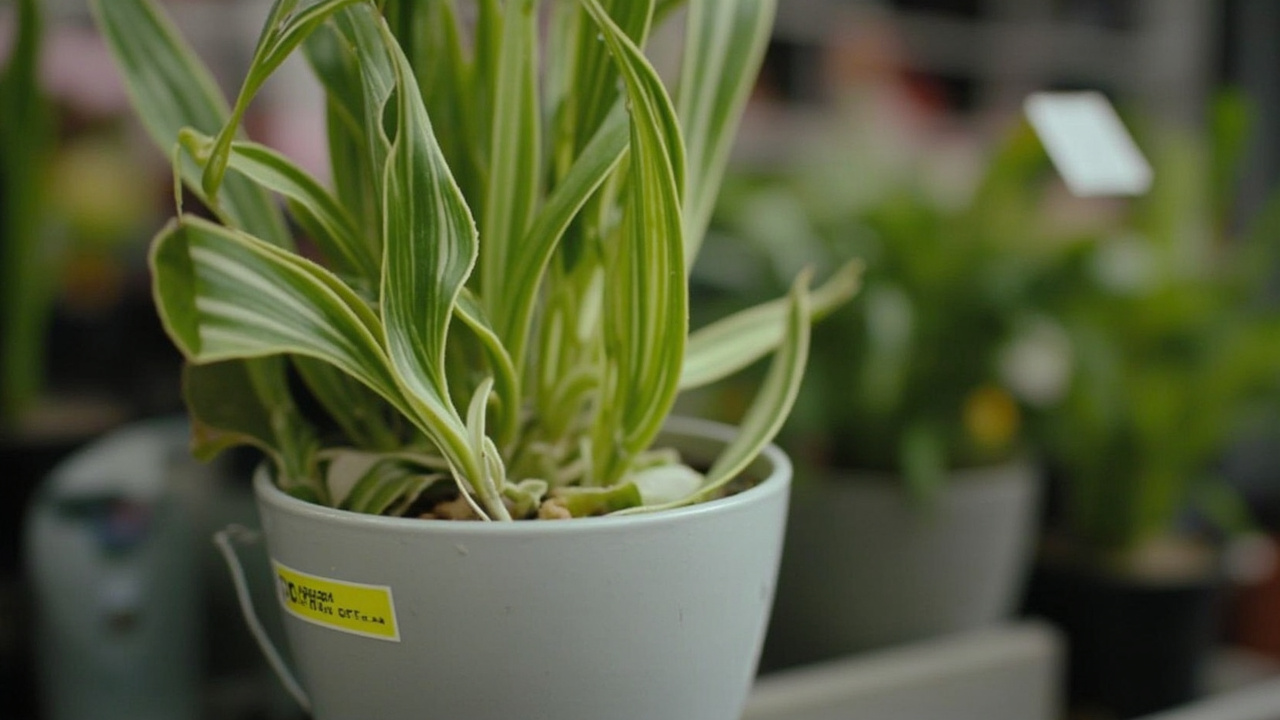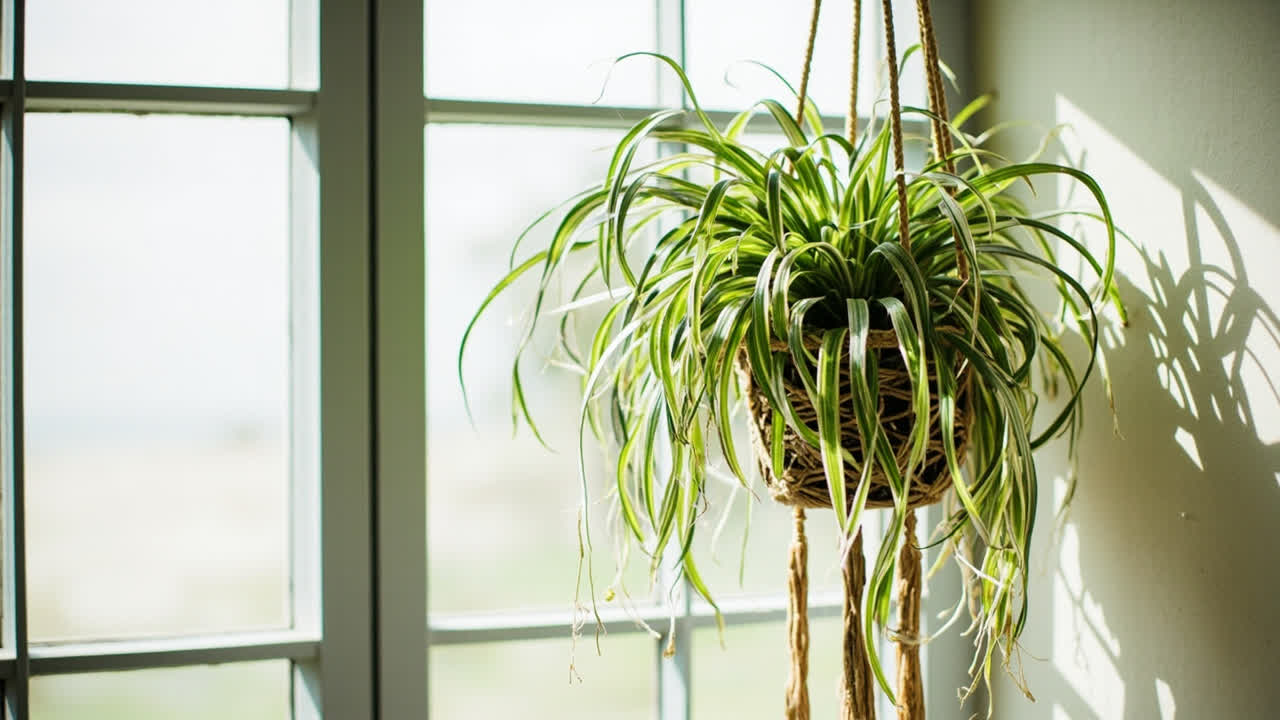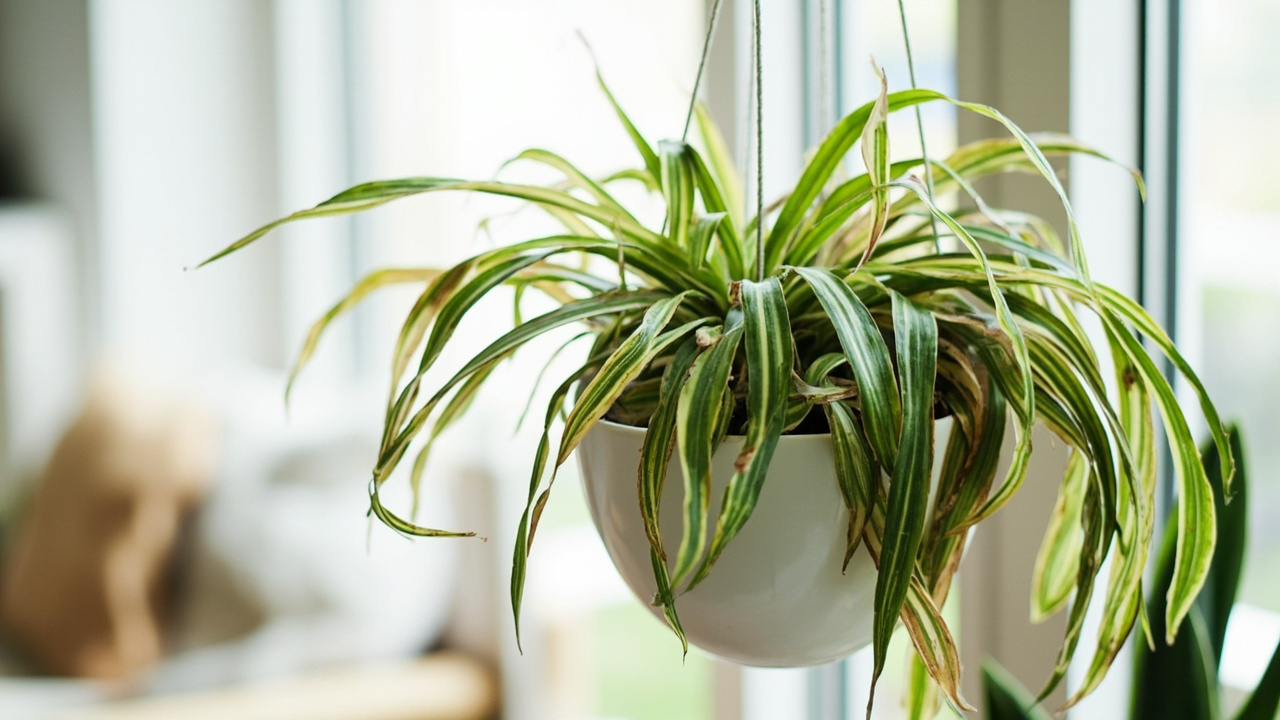

Spider plant problems fall into five diagnostic buckets: leaf color, leaf shape, root and stem, pest, and environment. This guide brings together every spider plant problem guide on Aqualogi so you can pick the symptom you see and land on the page that solves it. If you have a healthy plant and just want general care, the spider plant care guide covers light, water, soil, and propagation; if your plant looks wrong, start here.
The direct answer before any fix: do a 30-second check first. Lift the pot to feel weight, press a fingertip an inch into the soil, and look at where the damage starts. Dry soil plus light pot points to underwatering. Heavy pot with yellowing lower leaves points to overwatering. Brown tips only on the oldest leaves point to salt or fluoride buildup, while brown tips on new growth point to low humidity or water quality. This quick check prevents the most common mistake of treating leaf symptoms while missing the root cause.
The spider plant (Chlorophytum comosum) is famously forgiving, but its symptoms are not interchangeable. Brown tips point to fluoride or low humidity, yellow leaves usually mean overwatering, drooping means either thirst or root damage, and a mushy base means rot. Reading the wrong page wastes time. The index below groups the symptoms into five buckets so you can match what you see to the dedicated page that owns the full diagnosis. Read just the section that matches what you see, then click through.
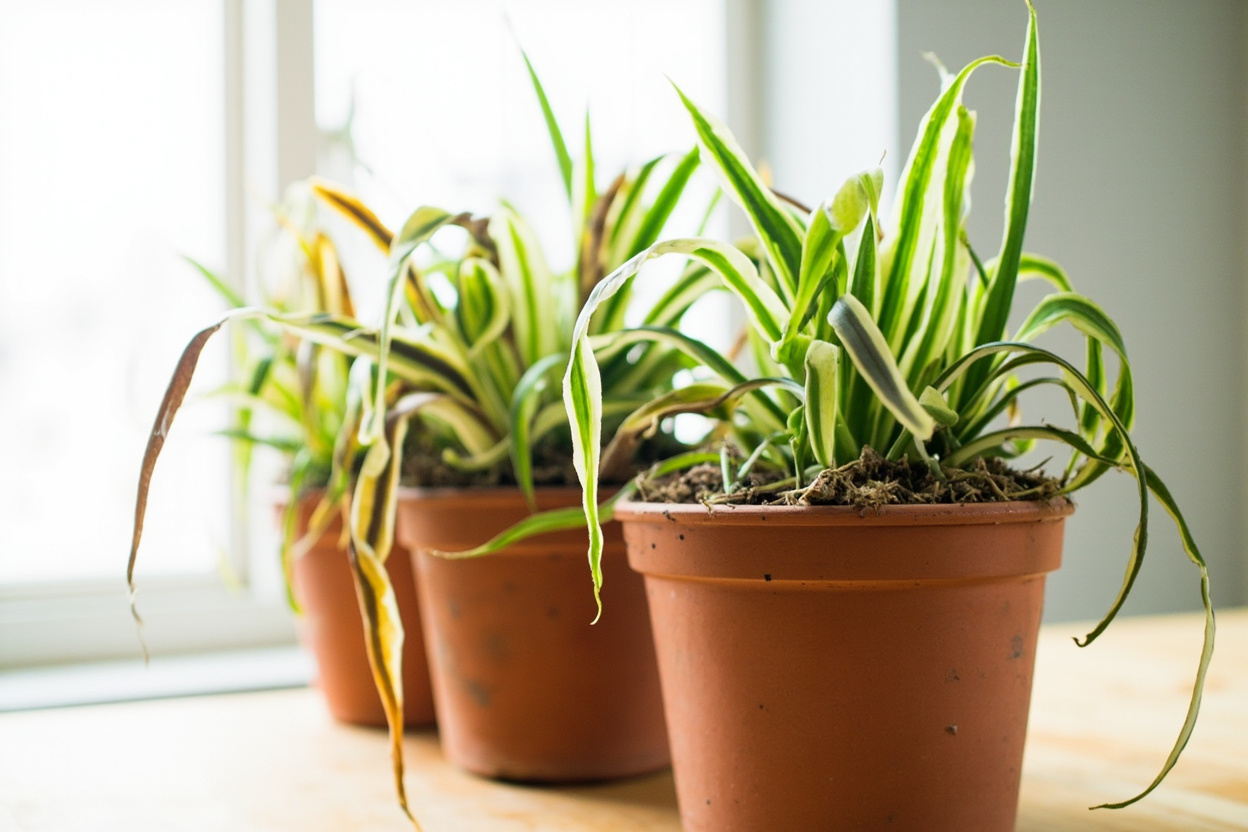
What Are the Most Common Spider Plant Problems?
Spider plant problems cluster into five symptom categories. Each category groups pages that share a similar diagnostic question: leaf color change, leaf shape change, root or stem damage, pest presence, and environmental stress. Below is the full map. Click the category that matches what you see, then read the dedicated page inside that category for the cause, the fix, and the recovery timeline.
The categories are ordered from most to least common. Leaf color changes (brown tips, yellow leaves, faded variegation) account for the majority of spider plant complaints. Leaf shape changes (drooping, wilting) come next. Root and stem problems are less common but more serious when they appear. Pests and environmental stress are rarer indoors but still worth knowing. If you are not sure which category fits, the leaf color section is the safest starting point for most readers.
A quick triage rule before you scroll: if more than one symptom is present at the same time, the root and stem category is the more urgent read. A plant with multiple concurrent symptoms almost always has a root-level cause, even when the visible problem looks like a leaf issue. The mechanism matters here: when the soil stays wet, oxygen is pushed out, root cells suffocate, and the damaged roots can no longer move water or calcium up to the leaf tips, so brown tips and yellow leaves appear together even though both point to the same root failure. Brown tips might be fluoride binding calcium in the leaf margin (a different mechanism), but if the base is mushy the roots can no longer absorb anything you do for the leaves. Treat root problems first, then return to the leaf page.
One honest trade-off: this index is fast, but speed has limits. A single-symptom page gives you the fastest fix when the symptom is clean and recent. A full diagnostic walk-through is better when the plant has been struggling for weeks or when you have changed light, water, or soil recently. If you changed one of those three conditions in the last 14 days, note what changed before you click through, that single detail often determines which page gives you the right answer on the first try.
Leaf Color Problems (Yellow, Brown, Pale, Faded)
Leaf color is the first sign most owners notice. Spider plants react to fluoride, chlorine, low humidity, overwatering, sunburn, and nutrient imbalance by changing color long before the leaf changes shape. The pages below cover each color symptom in depth: what causes it, how to confirm it, and how long recovery takes.
- Spider plant brown tips – fluoride, low humidity, salt buildup.
- Spider plant yellow leaves – overwatering, nitrogen deficiency.
- Spider plant losing variegation – low light, reversion.
How to confirm before you act: rinse one affected leaf and check if the brown edge is dry and crisp (humidity or fluoride) versus soft and dark (overwatering or rot). For yellowing, check the soil moisture history more than the leaf color alone. Spider plant yellow leaves from overwatering usually start at the base and feel soft, while yellow from too much direct sun starts at the leaf edge facing the window and feels dry. Variegation fading in variegated foliage is slower and easiest to confirm with a photo of your spider plant taken a week apart.
Leaf Shape Problems (Drooping, Wilting, Curling)
Leaf shape changes usually appear after the color has already changed and the underlying cause has been active for a few weeks. Drooping can mean either thirst or, more dangerously, root damage. Wilting looks similar to drooping but comes from a different cause chain: heat, transplant shock, or a sudden cold draft. The page below diagnoses each shape symptom, separates the benign causes from the serious ones, and tells you what to do in the first 24 hours.
- Spider plant drooping or wilting – root rot vs thirst; includes the stem-firmness check.
A useful distinction that saves plants: thirsty leaves recover within hours after a thorough watering, while leaves drooping from root damage stay limp even when the soil is moist. Cold damage looks similar but usually appears overnight after a draft and affects the leaves closest to the window first. If you are not sure, check the crown where leaves meet the soil. Firm and pale green means the plant can recover; brown and soft means rot has reached the base.
Root and Stem Problems (Rot, Mushy Base, Root-Bound)
Root and stem symptoms are the most serious category because they threaten the whole plant, not just a leaf. A mushy base, foul-smelling soil, or a base that pulls away from the pot when you lift the plant are all signs of root rot. The pages below cover rescue surgery, when to repot versus when to propagate, and how to tell if a plant is too far gone to save.
- Spider plant root rot – surgery, fungicide, propagation fallback.
- Save dying spider plant – full triage when multiple symptoms overlap.
Pest and Environmental Problems (Mites, Gnats, Sunburn, Drafts)
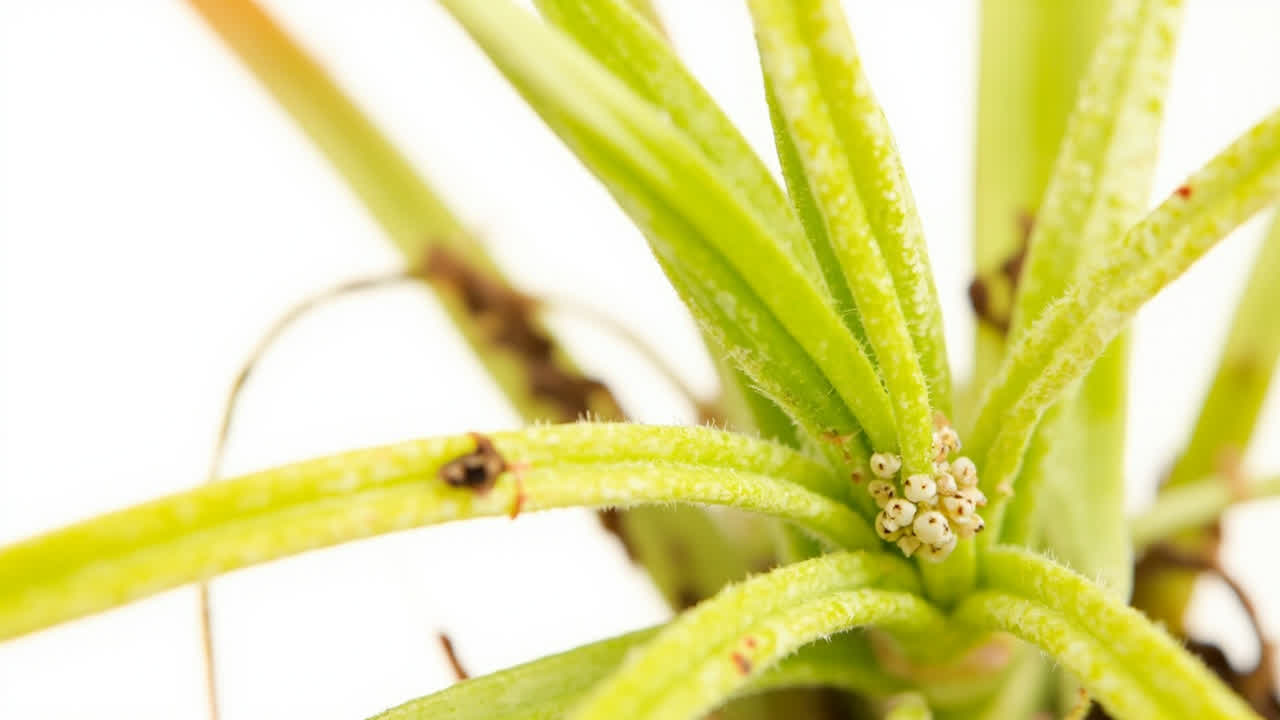
Pests on spider plants are uncommon indoors but not impossible. Fungus gnats arrive in overwatered soil, spider mites arrive in dry winter air, and mealybugs hide in the crown where leaves meet the soil. Sunburn and cold drafts are environmental: a window with afternoon sun can scorch a leaf in a single afternoon. The page below identifies each pest and environmental cause and lays out a treatment or prevention plan.
- Spider plant pest identification – mealybugs, spider mites, scale, fungus gnats.
How to Use This Index in the First Five Minutes
Most readers find this page because they searched for a specific symptom they noticed. The fastest path through the index is a three-step loop that takes under five minutes and ends on the right diagnosis page. Step one: identify which of the five symptom categories above matches your observation – leaf color, leaf shape, root and stem, pest, or environment. Step two: click the link inside that category that describes the closest match, ignoring adjacent symptoms until you have read the one you came for. Step three: read the dedicated page, apply the recommended check (firmness test, smell test, flush test), then return to this index only if the page’s recommendation does not match what you see. This loop works because the dedicated pages already encode the diagnostic order; the index exists to put you on the right page without scrolling through twelve sibling URLs.
If you read the dedicated page and the recommended fix does not apply, the page will tell you which sibling page to try next. Each problem page lists one or two related links in its closing section so the routing chain stays short. After you have read two pages and the symptom is still unexplained, the complete spider plant care guide is the next read – not because it covers every problem in depth, but because it lists the underlying care conditions that drive most of these symptoms and points to the third page in the chain. The care guide’s symptom-to-page map covers what the index intentionally does not: combinations of symptoms and atypical presentations.
How to Tell the Fix Worked (2 to 4 Weeks)
Most spider plant problems resolve on a 2 to 4 week timeline once the underlying cause is fixed. Here is what success looks like for each category, so you can validate before deciding to read another page.
- Leaf color: new growth comes in green and clean with no brown tips. Old damaged leaves stay damaged but do not get worse. If new leaves still show the symptom 4 weeks after the fix, the diagnosis was wrong.
- Leaf shape: leaves stop drooping within 24 hours of correct watering; root-damage cases stop worsening within 7 to 10 days; cold-draft damage shows new firm leaves within 14 days.
- Root and stem: base firms up and new white root tips appear at the drainage holes within 14 to 21 days. Mushy smell fades within the first week.
- Pest and environmental: new leaves come in clean and unchewed within 14 days. Existing leaf damage stays but does not spread.
If your spider plant did not respond as expected after 4 weeks of the recommended fix, return to the index and read the next closest symptom page. Most cascading problems come from a single missed root cause that the first page did not cover. The save dying spider plant page is the deeper read when two diagnosis pages have already been tried without success.
When to Read the Complete Care Guide Instead
This page is a quick routing guide, not a full diagnosis. If you are not sure which symptom matches what you see, or if your plant shows several symptoms at once, read the spider plant care guide first. The complete care guide covers the underlying care conditions (light, water, soil, humidity) that cause most of these symptoms in the first place, and it links out to the dedicated Problem pages for each diagnosis. If you already know the symptom, use the index above; if not, start with the complete care guide and come back here to route.
Two other cases where the complete care guide is more useful than this index: brand-new owners who do not yet know what a healthy spider plant looks like, and owners whose plant is otherwise healthy but not thriving. In both cases the symptom-first routing above is too narrow; the care guide’s coverage of light hours, watering frequency, soil composition, and humidity range is the right level of detail. After reading the care guide you will usually recognize the symptom you are seeing and can return to this index to jump straight to the matching dedicated page.
If you see something on the leaf and you are not yet sure which pest it is, the houseplant pest identification atlas names each of the eight common ones by the visible sign on the plant, before you reach for any spray.
Turn any PDF statement into a clean sheet
Skip the typos and the hours of copying. Our converter handles any bank statement format and outputs Excel, CSV, or QBO for QuickBooks. No file retention, free to try.
Convert your statement