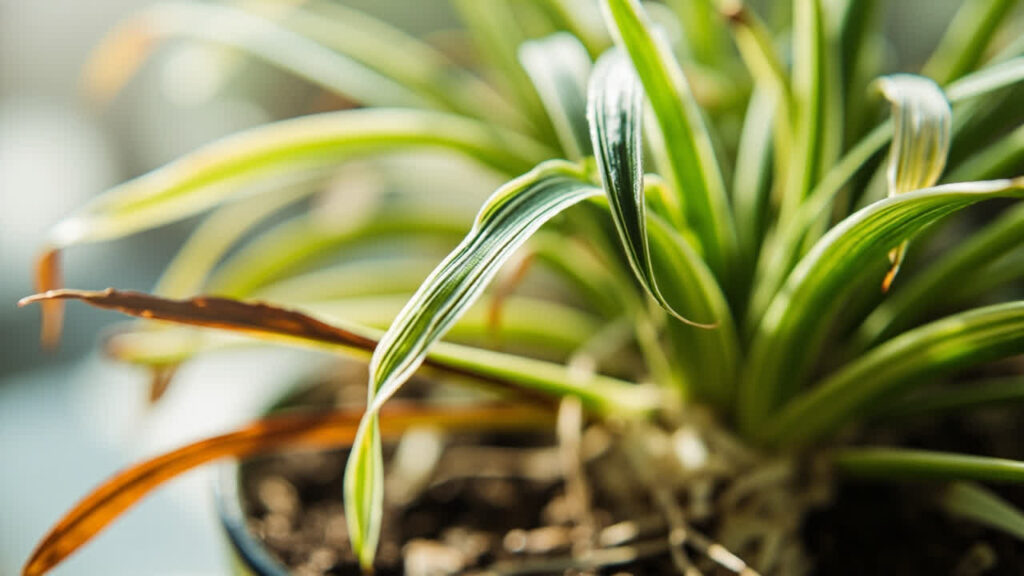
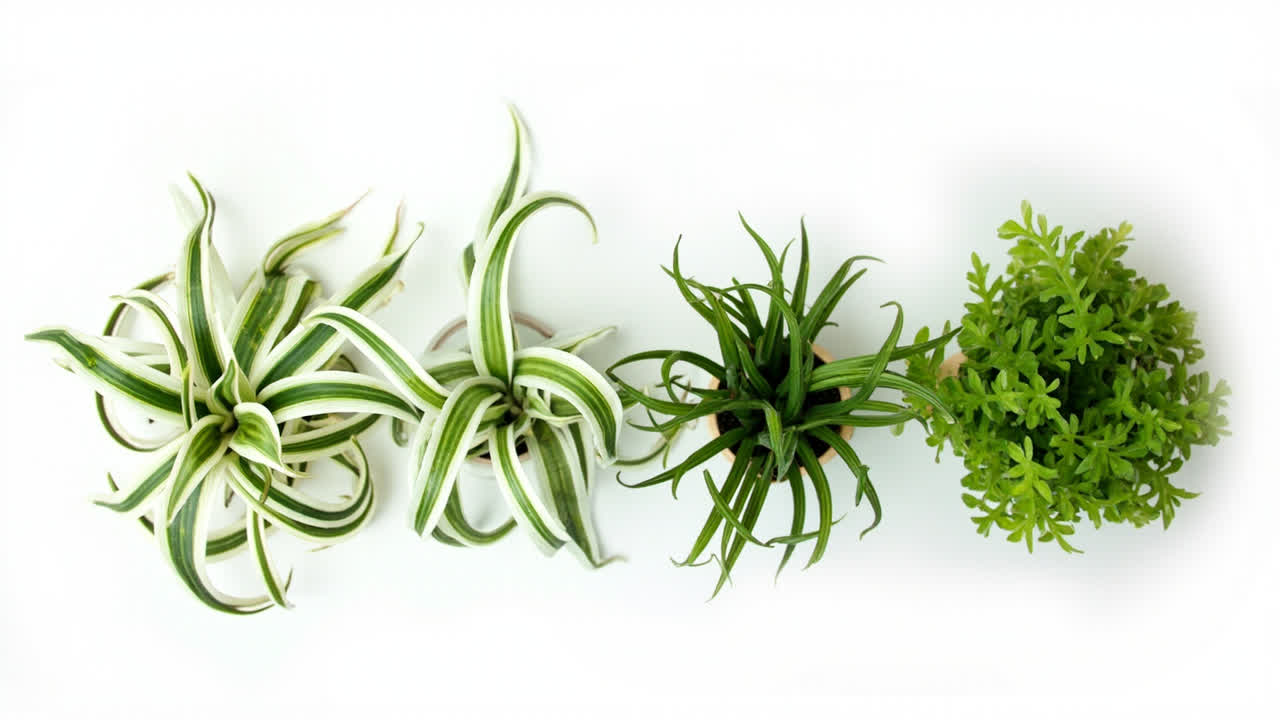
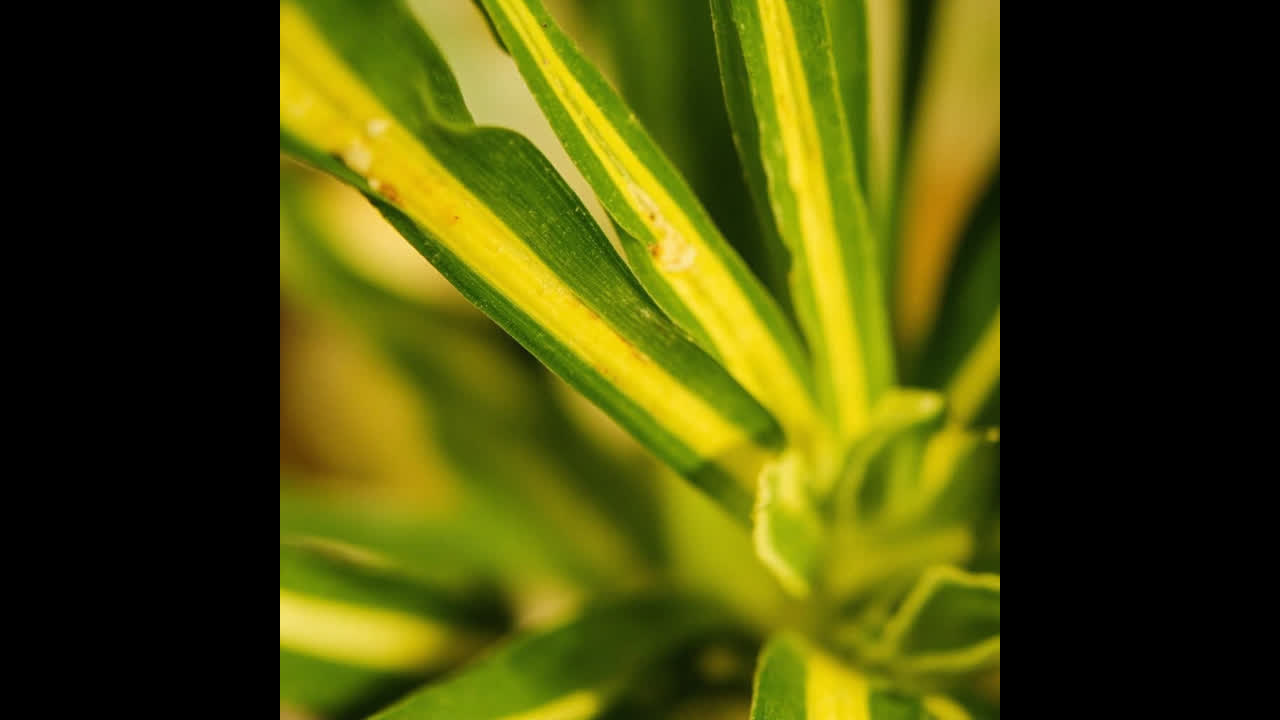
Brown leaf tips on spider plants are the most common complaint and the most misunderstood. They are rarely caused by a single simple factor — more often, they develop from a combination of water quality, humidity, and watering inconsistency over weeks or months. Understanding the actual causes helps you fix them properly rather than guessing randomly.
Fluoride: The Primary Cause
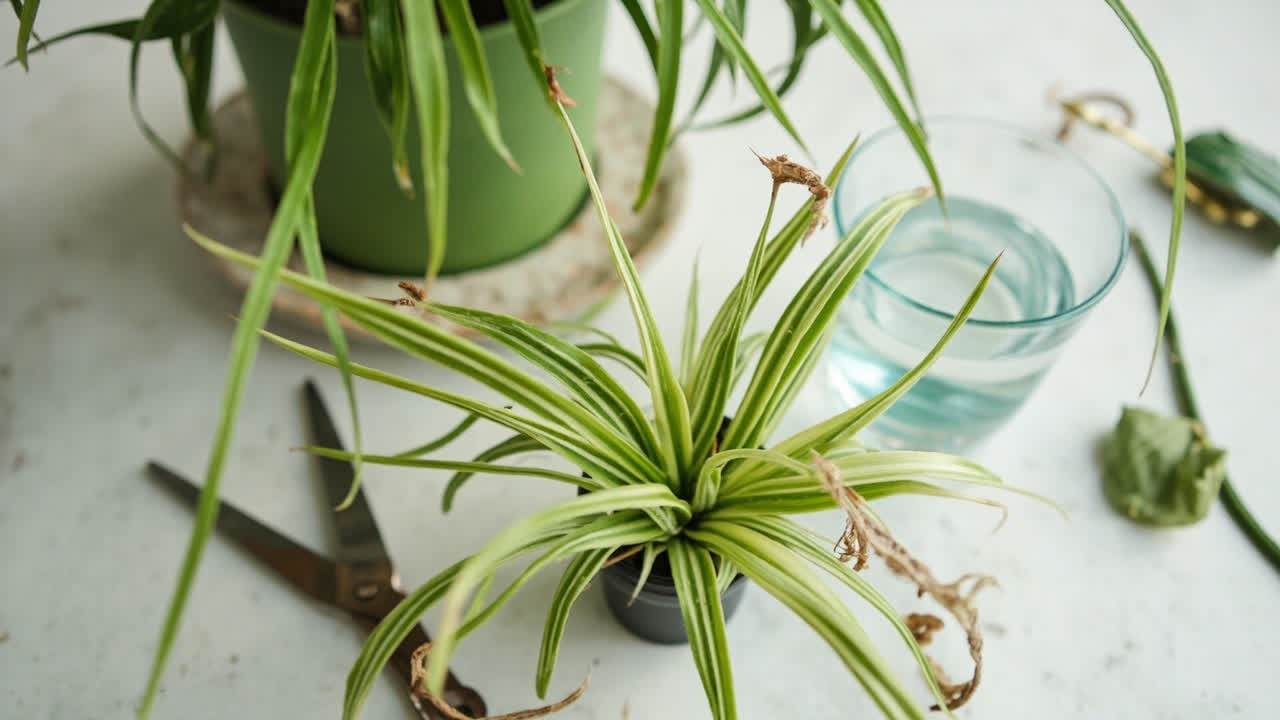
As covered in the guide to spider plant water sensitivity, fluoride from municipal tap water is the primary cause of brown leaf tips on spider plants in most developed areas. Fluoride accumulates in the leaf tips over time — it is taken up by the roots, transported through the plant, and stored in the oldest leaf tissue first. The tips of spider plant leaves are the oldest part of each leaf, which is why they are the first to show fluoride damage.
The damage is cumulative and permanent on affected leaves. A leaf tip that has turned brown will not recover. The plant must grow new leaves to replace the damaged sections, and those new leaves will only be clean if the water quality improves. Switching to filtered or distilled water stops the progression and is the most important change you can make.
Existing brown tips can be trimmed for cosmetic purposes. Use clean, sharp scissors and cut at an angle that follows the natural taper of the leaf tip so the cut is not noticeable from a distance. Do not cut into healthy green tissue — only remove the brown section.
Underwatering and Inconsistent Watering
Spider plants that are underwatered or watered inconsistently develop brown tips more quickly than those that are watered consistently. When a spider plant dries out completely between waterings, the leaf tips are the first part to suffer — they are the furthest point from the root system and the most vulnerable to desiccation. Chronic inconsistency — alternating between too dry and adequately watered — is particularly damaging because the plant cannot establish a healthy rhythm.
Establish a consistent watering routine: check the soil every few days with your finger, and water when the top inch is dry. When you water, add enough to thoroughly moisten the root ball. This simple habit addresses the inconsistent watering that contributes to most brown tip problems.
Low Humidity
Spider plants growing in very low humidity — below 30% — develop dry, crispy leaf tips more quickly than those in average household humidity. This is more common in winter when heating systems reduce indoor humidity dramatically, and in air-conditioned rooms that are kept cool and dry.
A pebble tray raises humidity around the plant effectively: place the pot on a shallow tray filled with pebbles and water, making sure the pot sits on the pebbles above the waterline, not in the water. As the water evaporates, it raises the humidity immediately around the plant. A room humidifier is more effective for whole-room control.
Salt Buildup in Soil
Over-fertilizing or using tap water with high mineral content causes salt to accumulate in the soil. The salts crystallize at the soil surface and draw moisture away from the root zone, effectively creating a drought condition at the root level even when you are watering regularly. The leaf tips, being the most vulnerable part of the plant, show the stress first.
Salt buildup shows as a white or grey crust on the soil surface. If you see this, flush the soil thoroughly: run water through the pot multiple times, letting it drain fully each time. This leaches the accumulated salts out of the soil. Reduce fertilizing frequency and consider switching to filtered water if your tap water is high in minerals.
Diagnosing the Actual Cause
The pattern of the brown tips tells you the cause:
Uniform tip browning across most or all leaves — starting with the oldest leaves: Water quality issue, almost certainly fluoride. Switch to filtered water.
Brown tips on the outer edges of leaves rather than the tips: Humidity issue or salt buildup. Check the soil surface for white crust.
Brown tips with the whole plant looking wilted or dry: Underwatering. Establish a consistent watering routine.
Brown tips after moving the plant to a new position: The plant is adjusting to a different light or temperature. Monitor for a few weeks; the plant should stabilize.
Brown tips that appear and spread rapidly across multiple leaves: Possible fungal infection. Remove affected leaves, improve air circulation, and reduce watering.
The Fix That Matters Most
If you do only one thing to fix brown leaf tips on spider plants, switch to filtered or distilled water. In most cases, this single change is more effective than every other intervention combined. Most spider plant brown tip problems are primarily a water quality problem, and no amount of adjusting humidity or changing watering schedules will fully address it if the water supply is still delivering fluoride with every watering. Filtered water is not an optional extra — it is the primary fix.
Read also: why spider plant leaves develop brown tips, the margin-death mechanism behind it, and the soil test that tells dry roots from salt build-up before you water again.
Turn PDF Bank Statements Into Workable Spreadsheets
Your bank statement is a mess of numbers, but your books shouldn't be. Use our converter to get Excel, CSV, or QBO files — ready for QuickBooks.
Try It Free Now