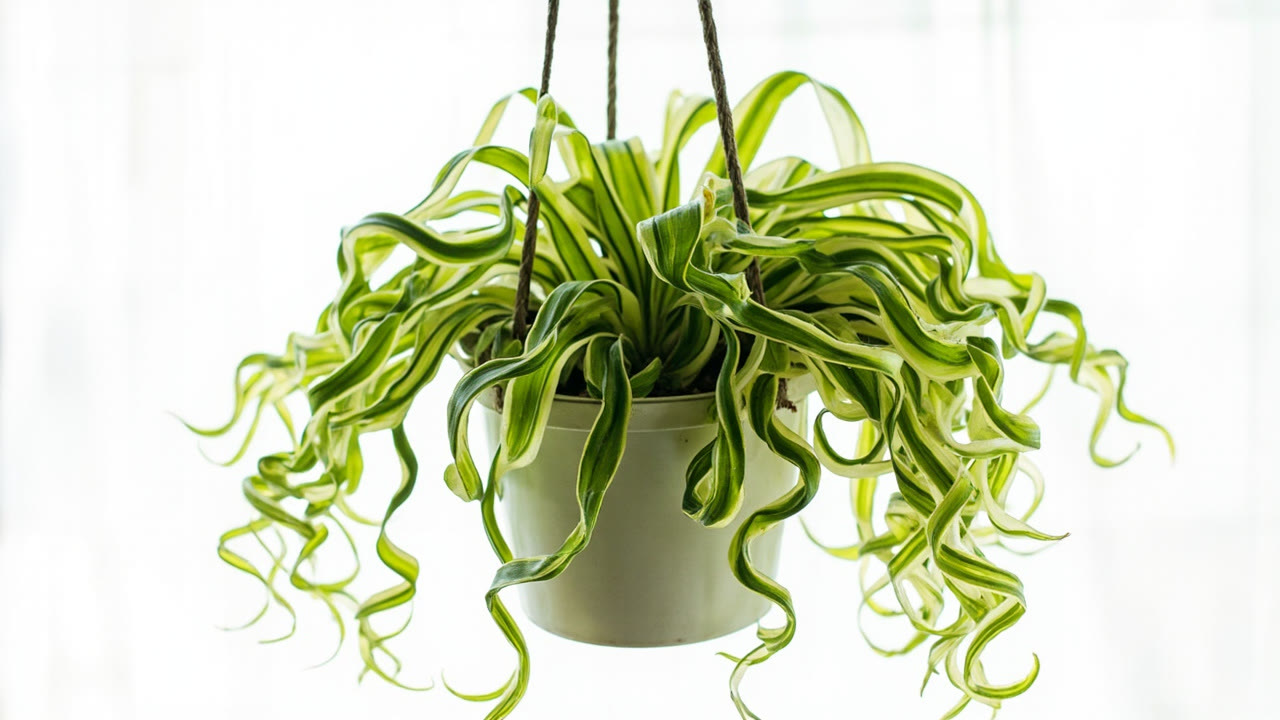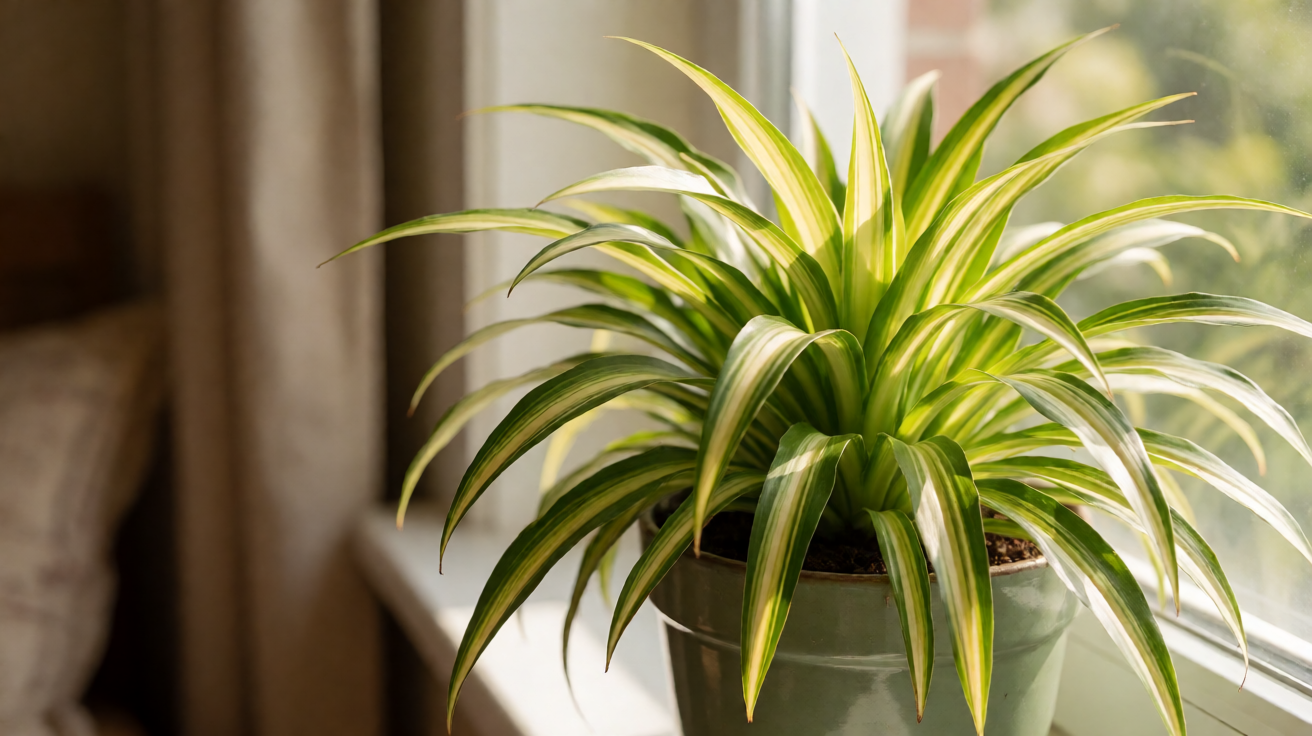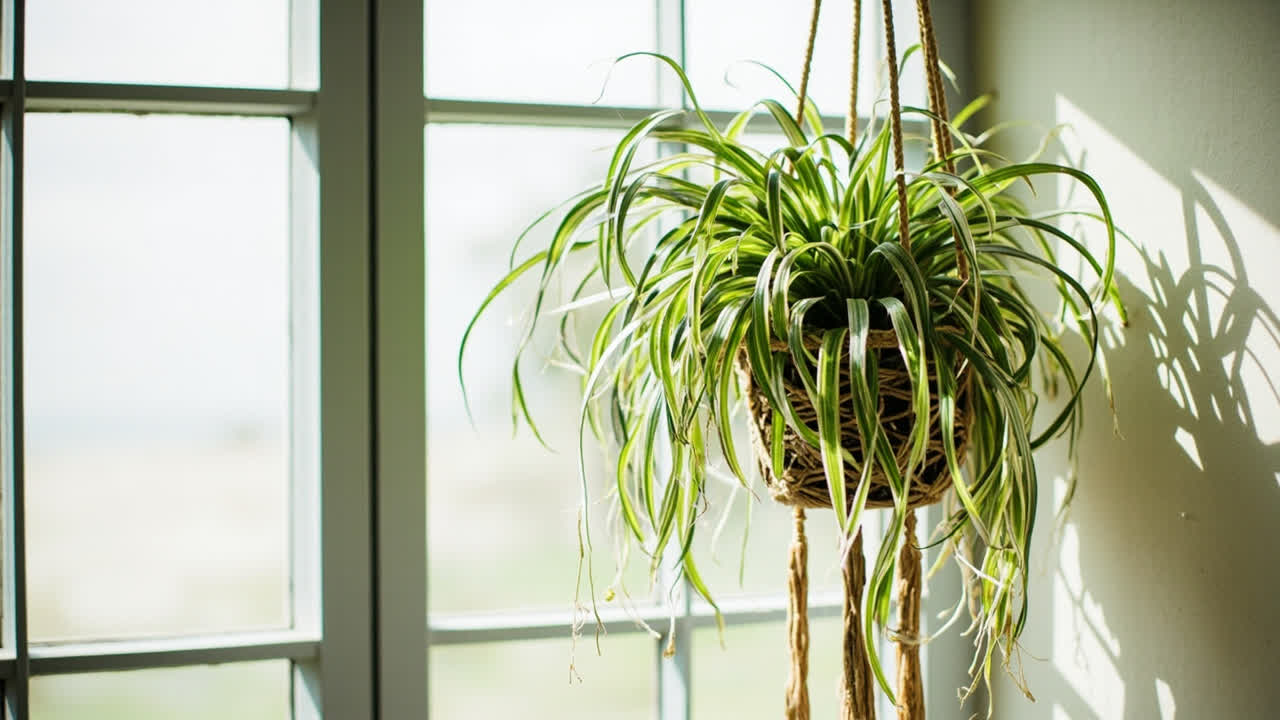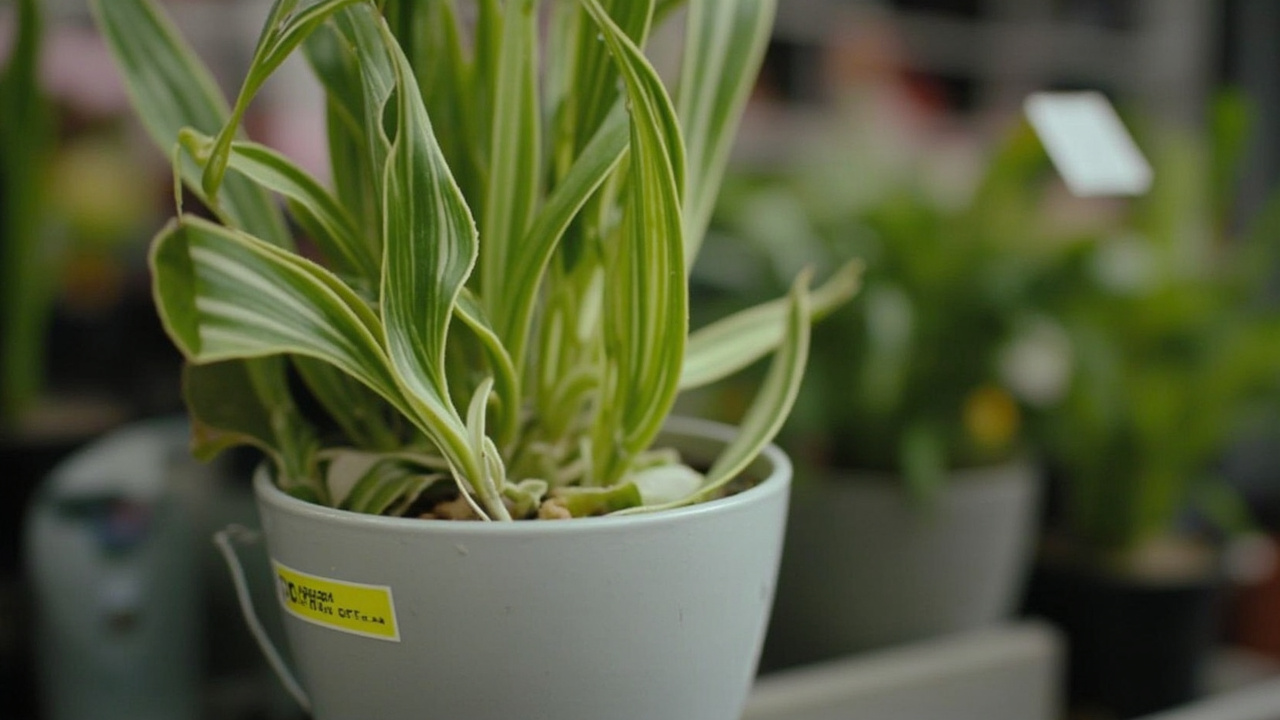

A healthy spider plant (Chlorophytum comosum) shows tight rosettes of arching leaves with clean white or cream variegation. The leaves should stand firm and spring back when gently touched. Yellowing, browning tips, or limp foliage signals stress or decline. Buyers who understand what to look for avoid investing in plants that need weeks of recovery before they even begin to grow. For comprehensive care instructions after purchase, see our spider plant care guide.
The best spider plants for sale share three traits: mature root systems, active new growth, and visible plantlets. Mature plants established in containers for six months or longer have completed at least one full growth cycle. They adapt faster to indoor conditions than seedlings pulled directly from nursery trays. The visual proof is in the soil surface. When you see a root mass pushing through drainage holes or circling the pot rim, you have found a plant ready to thrive.
Spider plant varieties differ in leaf width, color intensity, and growth habit. See our varieties comparison to learn about different types like Variegatum and Bonnie. The common species (Chlorophytum comosum) produces narrow leaves with green margins and creamy centers. The varietas cultivar displays wider solid green leaves. The boltii cultivar features broad striped foliage with prominent white bands. Each variety grows at similar rates and shares identical care requirements once established. Choose based on visual preference, not care difficulty.
Where to Buy Spider Plants
Local nurseries and garden centers typically stock spider plants during spring and summer. These retailers rotate inventory frequently, which means plants have often been potted within the last month. Selection varies daily. Big box stores carry spider plants year-round but may stock older inventory that sits in greenhouses for extended periods. Online retailers offer variety but add shipping stress that can set young plants back weeks.
Plant swaps and community groups provide excellent opportunities to acquire mature spider plants. Members often divide overgrown specimens and give away offsets for free. The plants are already adapted to indoor conditions. You avoid shipping shock entirely. The trade-off is limited selection and unpredictable availability. Search local gardening forums or neighborhood social media groups for exchanges in your area.
Specialty succulent and houseplant shops sometimes carry rare cultivars or unusual color forms. If you seek something beyond the standard variegated type, these retailers are worth the search. Prices run higher than mass-market sources. The selection justifies the cost only if you value unique foliage patterns over savings.
Five Steps to Inspect Before You Buy
Before handing over money, perform a systematic inspection. Hold the plant at eye level and rotate it slowly. Check all four sides for uniform leaf color and density. Look for pests in leaf axils where new growth emerges. Examine the soil surface for mold or fungus gnats. Gently tug on a few leaves to confirm firm attachment.
Examine the leaves closely. Healthy foliage shows crisp color boundaries between green and cream sections. Blurry or diffuse variegation often indicates genetic instability or stress. Avoid plants with brown necrotic spots, which signal bacterial or fungal infection. Translucent or water-soaked leaves suggest overwatering or root rot in progress. These defects worsen after purchase and rarely recover in home conditions.
Check the root system by lifting the plant gently from its pot. The root ball should hold together when inverted. Roots should be white or cream colored, not brown or black. A dense root network indicates the plant is ready for vigorous growth. Sparse roots with exposed soil mean the plant has not yet filled its container and needs more time in the nursery.
Inspect for spiderettes or offsets. Plants with baby spider plants already forming demonstrate active reproduction cycles. This signals mature, healthy specimens that will establish quickly in your home. Small offsets require more care attention during the first growing season. Larger mature plantlets with their own roots can be separated and potted immediately after purchase, as detailed in our propagation guide.
Review the pot and drainage situation. The container should have functional drainage holes. Avoid plants sitting in decorative cachepots without visible drainage. Check that the soil surface allows water to penetrate rather than sheeting off. Poorly draining soil leads to root rot within weeks. If the growing medium looks compacted or hydrophobic, ask the seller about repotting plans or factor repotting costs into your purchase decision.

Price Expectations and Value Indicators
Spider plants range from $5 to $25 depending on size, maturity, and cultivar. Standard variegated specimens in 4-inch pots typically cost $5 to $10. Larger mature plants in gallon containers with established root systems command $15 to $25. Rare cultivars like Variegatum or Bonnie may fetch premium prices at specialty retailers.
The cheapest spider plant is rarely the best value. A $5 plant with yellowing leaves and tangled roots requires weeks of recovery time. It may not reach its full size potential for months. A $15 plant with dark green leaves, visible root growth, and two or three offsets establishes immediately and begins filling its pot within the first growing season. Calculate total cost including recovery time and potential loss when evaluating price.
Sales and clearance sections offer opportunities to acquire healthier-than-expected plants at reduced prices. Sometimes plants are discounted for cosmetic reasons rather than health issues. A spider plant with slightly crispy leaf tips may still be fundamentally healthy. Read the label to understand why the discount exists. Plants marked down for pest problems should be avoided unless you have experience treating infestations.
Questions to Ask the Seller
Ask how long the plant has been in its current container. Plants repotted within the last three months show faster establishment in your home. Ask about watering frequency and whether the seller uses a specific soil mix. Consistent watering routines indicate experienced growers. Inconsistent schedules often lead to stressed plants.
Inquire whether the plant has flowered or produced offsets before purchase. Reproductive activity demonstrates plant maturity and favorable growing conditions. Plants that have never flowered may be young specimens or grown in suboptimal light levels. Both factors affect how quickly the plant adapts to your environment.
Ask if the seller guarantees the plant or offers replacement policies. Reputable retailers stand behind their inventory. A guarantee covers immediate health problems discovered after purchase. Without this protection, you bear full risk for plants that decline within the first week at home.
Post-Purchase Care During the First Week
After bringing your spider plant home, provide a stable environment for the first seven days. Place the plant in bright indirect light, similar to the growing conditions at the nursery. Avoid direct sun that can scorch leaves adjusted to lower light levels. Maintain consistent watering schedules without overwatering. Check soil moisture daily by inserting your finger one inch into the growing medium.
Do not fertilize during the first week. New plants are often stressed from handling and transport. Adding fertilizer increases salt concentration in the soil and compounds root stress. Wait until you see new leaf growth emerging, typically two to four weeks after purchase, before beginning regular feeding. See our fertilizer guide for ongoing care tips.
Monitor for pests during the initial adjustment period. Spider mites, mealybugs, and aphids may hide in leaf folds and emerge once the plant settles. Weekly inspections catch infestations before they spread. Isolate the new plant from other houseplants for two weeks to prevent potential pest transmission. This simple precaution protects your entire indoor garden.
Common Mistakes to Avoid When Buying
Never buy a spider plant with visible pests. Aphids cluster along stems and leaf undersides. Mealybugs appear as white cottony masses in leaf axils. Thrips leave silvery streaks on foliage. Treating established infestations at home is difficult. Nursery chemicals may have suppressed symptoms temporarily, only for pests to return once the plant experiences home stress.
Avoid oversized plants that have outgrown their containers. While attractive, these specimens require immediate repotting and extensive root pruning. The recovery period often stunts growth for weeks. Select plants that are one size larger than their current pot, not two or three sizes over.
Do not purchase plants with waterlogged soil or standing water in saucers. Root rot develops rapidly in saturated growing media. Brown, mushy stems at the soil line confirm rot has already begun. These plants rarely recover and should be rejected regardless of price or appearance.
When to Wait Before Buying
Spider plants grow most actively from spring through early fall. Purchasing during late fall or winter carries higher risk. Lower light levels and drier indoor air slow establishment. Plants bought during dormant seasons often take twice as long to resume active growth. If you prefer autumn or winter acquisition, choose the largest, most mature specimen available and provide supplemental lighting during the first month at home.
Consider waiting for plant sales events if you shop seasonally. Many nurseries discount houseplants during seasonal transitions. Spring inventory resets and fall clearance events provide the best prices. Waiting an extra week for a sale may save $10 or more on a quality specimen.
The Bottom Line on Choosing a Spider Plant
The healthiest spider plants show firm variegated leaves, dense white roots, visible spiderettes, and active new growth. Inspect systematically before purchasing. Ask informed questions. Avoid plants with pests, rot, or severe stress. Pay more for mature specimens when budget allows. The extra investment pays dividends in faster adaptation and immediate visual impact.
Spider plants (Chlorophytum comosum) remain among the most forgiving houseplants available. Even beginners can achieve success with proper selection. The key is choosing a plant that starts strong. From there, basic care produces cascading foliage and dozens of offsets within a single growing season. Your spider plant will reward careful purchasing decisions with years of low-maintenance beauty.
From PDF to Excel in one click
Forget retyping line by line. Upload any bank statement, get a spreadsheet you can actually use. Your files are never stored, and you can test the converter with 3 free conversions.
Try it free