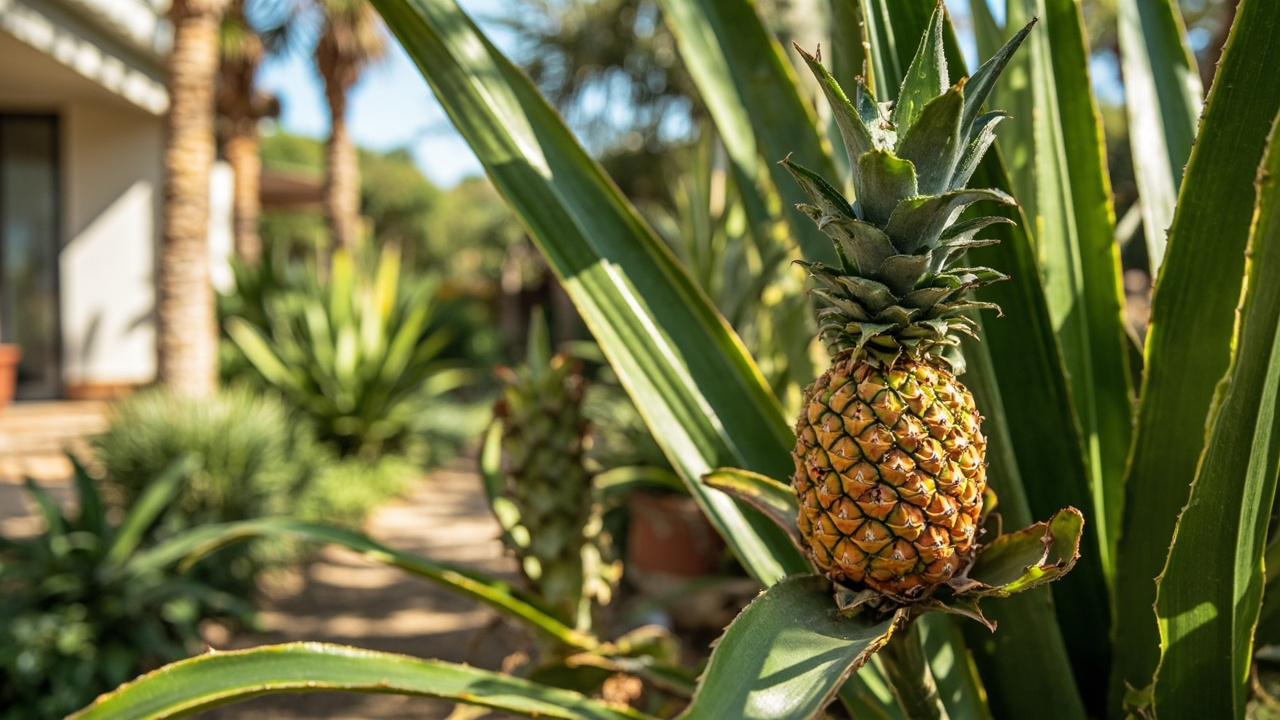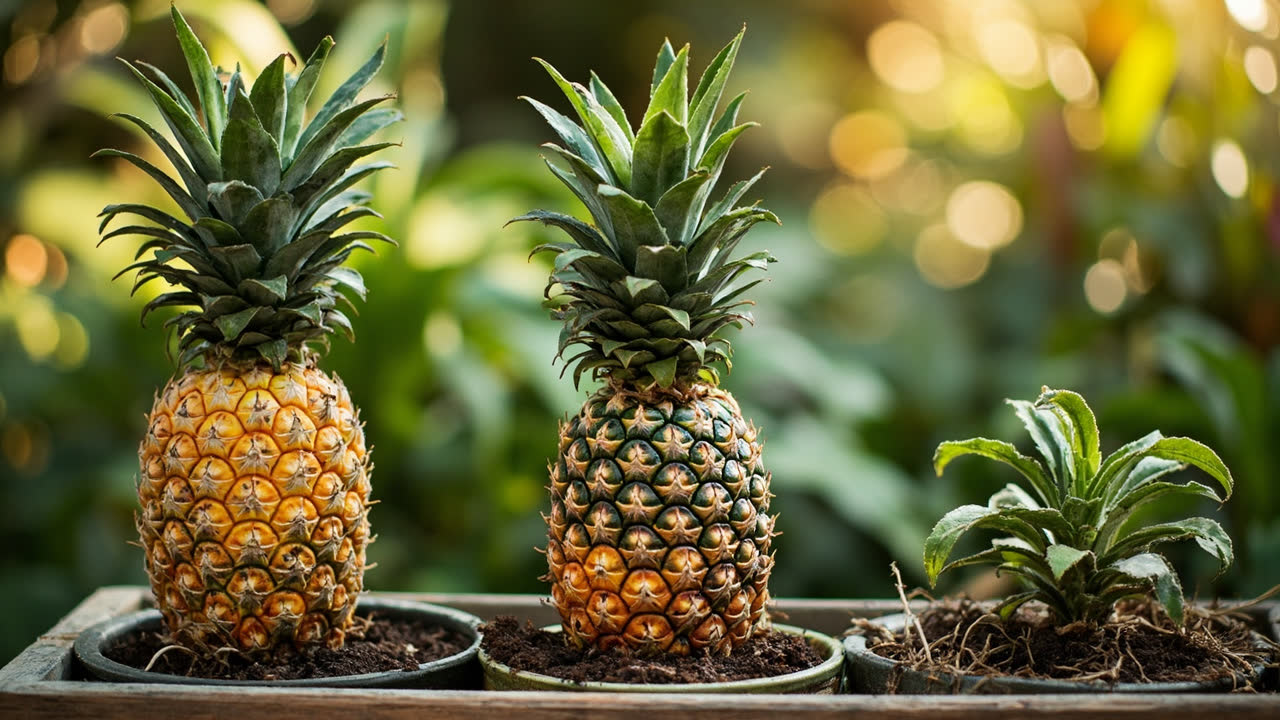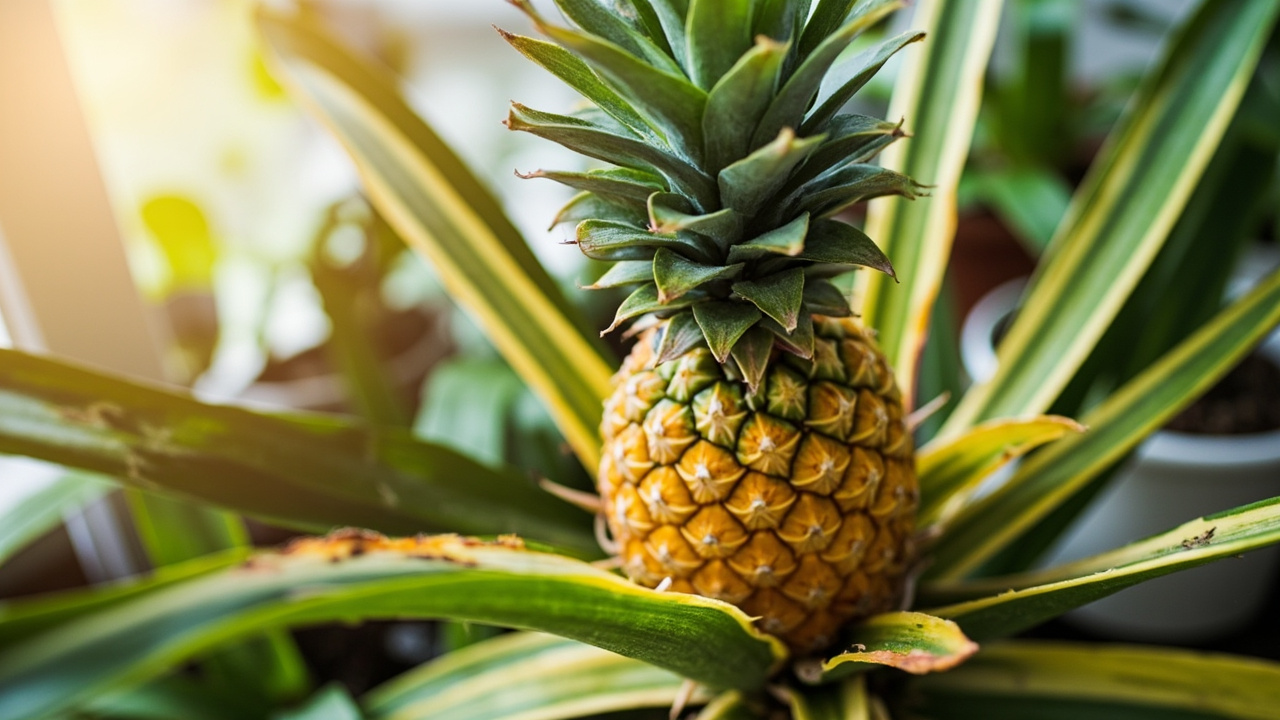

People often lump every pineapple rot issue together, but crown rot and root rot are not the same thing. Root rot starts below the soil line. Crown rot attacks the central growing point — the part of the plant you most need to keep alive.
That is why crown rot feels more alarming, and honestly, it should. If the center collapses, the main plant may not recover even if some of the outer leaves still look acceptable for a while.
The good news is that early crown rot can sometimes be stopped if you catch it before the entire growing point is lost.
What Causes Crown Rot?
Crown rot usually starts when moisture stays trapped in the center of the plant under poor drying conditions. Common triggers include:
- water sitting in the rosette too long
- cool temperatures below 68°F / 20°C
- low airflow
- already stressed roots
- fungal or bacterial infection entering damaged tissue
What happens next is usually softening at the center, followed by discoloration and a bad smell if the problem progresses.
Early Signs of Pineapple Crown Rot
- center leaves loosen too easily
- middle growth looks dull, wet, or discolored
- faint sour or rotten smell from the center
- the crown feels softer than normal
This is the stage where acting quickly matters most. If the outer leaves still look mostly fine but the center is weakening, do not assume the problem will dry itself out on its own.
Advanced Signs

- center leaves pull out with a gentle tug
- brown or black wet tissue inside the crown
- center collapse instead of firm upright growth
At that point, the main growing point is in real danger. Recovery becomes less certain, though offsets may still save the line later.
How to Confirm Crown Rot
Inspect the center carefully. If you gently tug the newest middle leaves and they slide out with soft, foul-smelling tissue at the base, that strongly suggests crown rot.
The trade-off is that inspection can slightly disturb already weakened tissue. But guessing is worse here. You need to know what you are dealing with.
What to Do Immediately
- stop overhead watering right away
- move the plant into warmer brighter conditions
- increase airflow
- remove obviously rotten central tissue carefully if it is loose and mushy
What happens next depends on how far the rot has progressed. If enough healthy center tissue remains, the plant may stabilize. If the entire growing point is compromised, the main crown may be lost.
Should You Cut the Rot Out?
Sometimes yes, but carefully. If the rotten central tissue is clearly loose, mushy, and already detached, removing it can help the area dry and reduce pathogen spread. Do not gouge aggressively into healthy firm tissue just to feel like you are doing something dramatic.
The honest limitation is that surgery is not always a rescue. If the rot has already consumed the core, cutting away decay reveals the damage but does not necessarily reverse it.
How Environment Affects Recovery
Recovery is more likely if the plant is moved into:
- warm temperatures around 75–85°F / 24–29°C
- good light without extreme stress
- drying airflow
What happens next in better conditions is either a gradual drying and stabilization of the center, or continued collapse if the damage was already too advanced.
How to Prevent Crown Rot
- avoid letting water sit in the center for long periods
- be more careful in cool indoor seasons
- keep roots healthy so the whole plant is more resilient
- make sure airflow is not stagnant
Prevention is much easier than rescue here. A pineapple plant in warm bright conditions dries fast enough to avoid many crown problems. A plant in cool dim wet conditions does not.
Can the Plant Recover if the Crown Is Lost?
Sometimes the mother plant will not recover as a main plant if the center is gone. But if it has pups or offsets, the genetics are not lost. That is one reason offsets matter so much in a mature pineapple system.
What happens next may shift from saving the mother plant to saving the next generation instead. That is not ideal, but it is still a form of recovery.
The Honest Take
Crown rot is serious because it attacks the central growing point, not just the outer structure. If the center is only mildly affected, quick drying, warmth, and careful cleanup may save it. If the center is collapsing and foul-smelling, the odds drop fast.
Take it seriously early. That is your best chance.
For related rescue strategy, pair this with the root rot guide and dying pineapple plant guide.
From Bank Statement to QuickBooks-Ready File
That manual cleanup you just read about? This tool skips it. Turn your PDF into QBO for QuickBooks without storing your data anywhere.
Start Converting