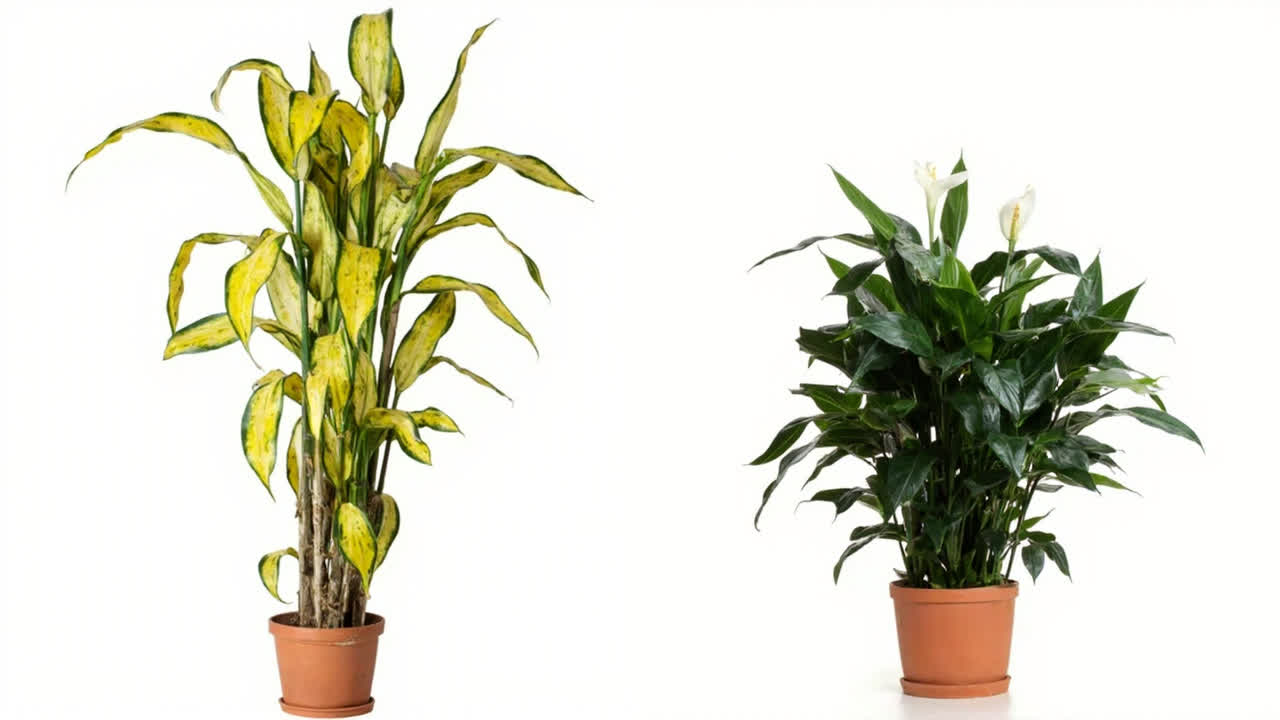
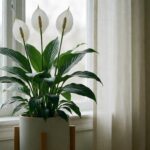
Peace lily care centers on one skill: learning to read the plant’s signals. The Spathiphyllum — commonly called the peace lily — is one of the most popular house plants in the world because it tolerates low light and tells you exactly when it needs water. The catch is that it overcorrects dramatically. A single missed watering and the entire plant collapses to the floor, convincing new owners their plant is dying. It is not. The plant is communicating, and once you understand the mechanism behind those signals, caring for a peace lily becomes genuinely simple.
Peace lilies droop for two opposite reasons — too much water and too little — which confuses beginners. When the soil stays waterlogged, roots cannot access oxygen and the plant wilts from the bottom up. When the soil dries out completely, the same wilting happens through dehydration. The visual result is identical, which is why the standard advice to “feel the soil” matters more than any fixed schedule. As tropical forest floor plants, peace lilies need consistent moisture and increase humidity indoor environments to thrive. A second, separate issue causes brown leaf tips: fluoride and chlorine in tap water accumulate at leaf edges, causing chemical burn. This is a slow-developing problem that surprises many owners who are otherwise watering correctly.
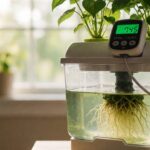
Getting watering right is the single most important skill in peace lily care. The droop test works better than any moisture meter: when the leaves start to angle downward, the plant is telling you it is thirsty. Watering immediately revives a wilted peace lily within a few hours — the dramatic recovery is part of why people find this plant so satisfying to grow. Bottom watering is particularly effective: place the pot in a tray of water and let the roots absorb moisture from below for 30 minutes, then drain. This method ensures the root zone hydrates evenly without saturating the topsoil where evaporation is fastest.
Brown leaf tips on a peace lily are not a watering problem in most cases — they are a fluoride burn problem. Most municipal water supplies contain fluoride and chlorine that accumulate at the margins of peace lily leaves, causing the tissue to die back. Switching to filtered or distilled water stops new tips from browning. Existing brown tips will not heal, but the rest of the leaf remains healthy. If you are watering on schedule and still seeing brown edges, this is almost always the cause.
Light Requirements
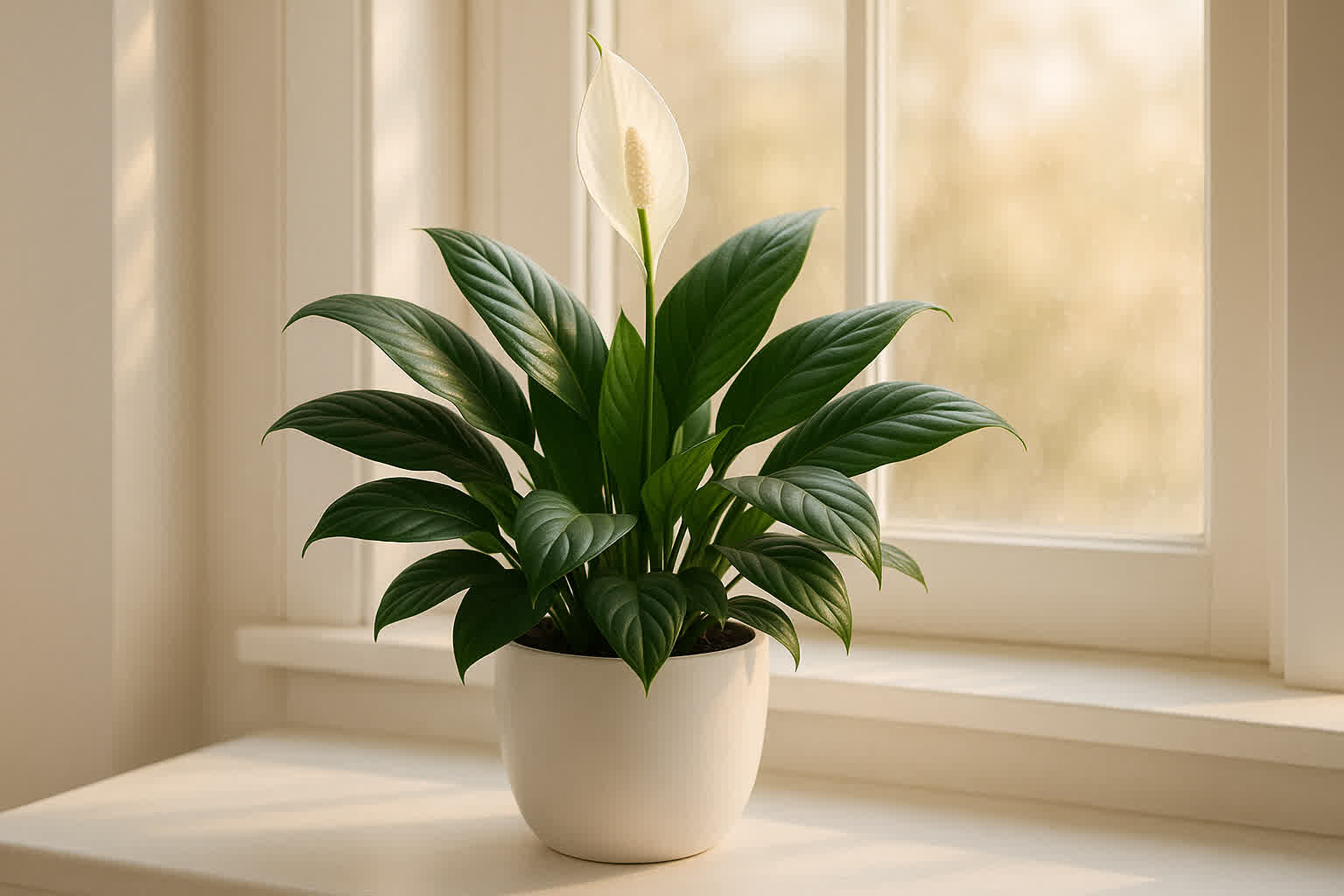
Peace lilies evolved as forest floor plants in tropical regions, which means they are built for low to medium indirect light — not the bright direct sun that burns their broad, thin leaves. Direct sunlight creates brown scorch marks that look like paper burned at the edges, and the damage is permanent. North-facing or east-facing windowsills are ideal. South and west-facing windows can work if the plant sits a few feet back or behind a sheer curtain that diffuses the light. Peace lilies tolerate deep shade remarkably well, though they grow more slowly and produce fewer flowers in very dark corners.
Light directly affects flowering in peace lilies, which matters because many owners never see the signature white spathes. The plant blooms in response to day length — shorter nights trigger the reproductive response that produces the spathe. This is why peace lilies kept in consistently lit rooms without any dark period sometimes refuse to flower at all. If you want the plant to bloom, give it 6 or more hours of bright indirect light daily and allow a genuine dark period at night. Indoor plant light requirements vary by species, and the peace lily sits firmly on the low end of that spectrum.
Soil and Fertilizer
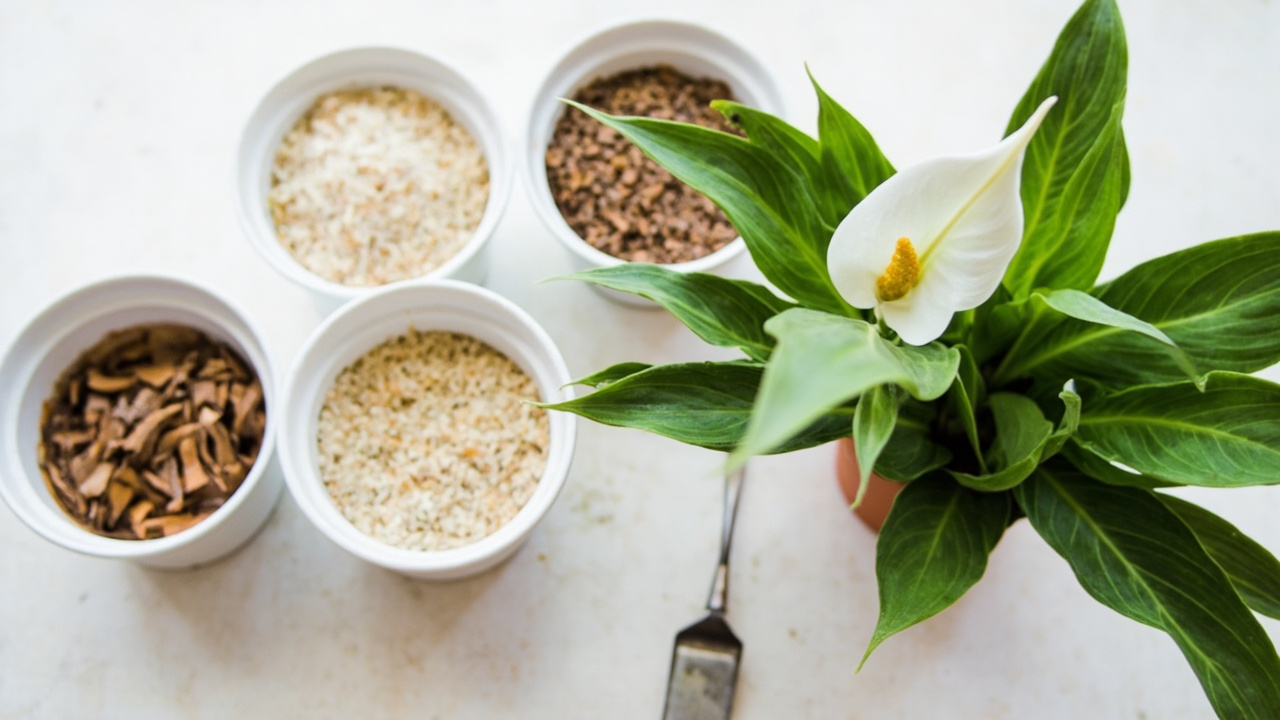
The right soil mix prevents most peace lily problems before they start. A standard potting mix holds too much water for too long, which leads directly to root rot — the most dangerous threat to a peace lily. Mixing 50% standard potting soil with 50% perlite or orchid bark creates a well-draining aroid-appropriate medium that retains some moisture but drains freely. This balance matters: peace lilies like consistent moisture but their roots need oxygen. Compacted, waterlogged soil cuts off oxygen within 24 hours of saturation.
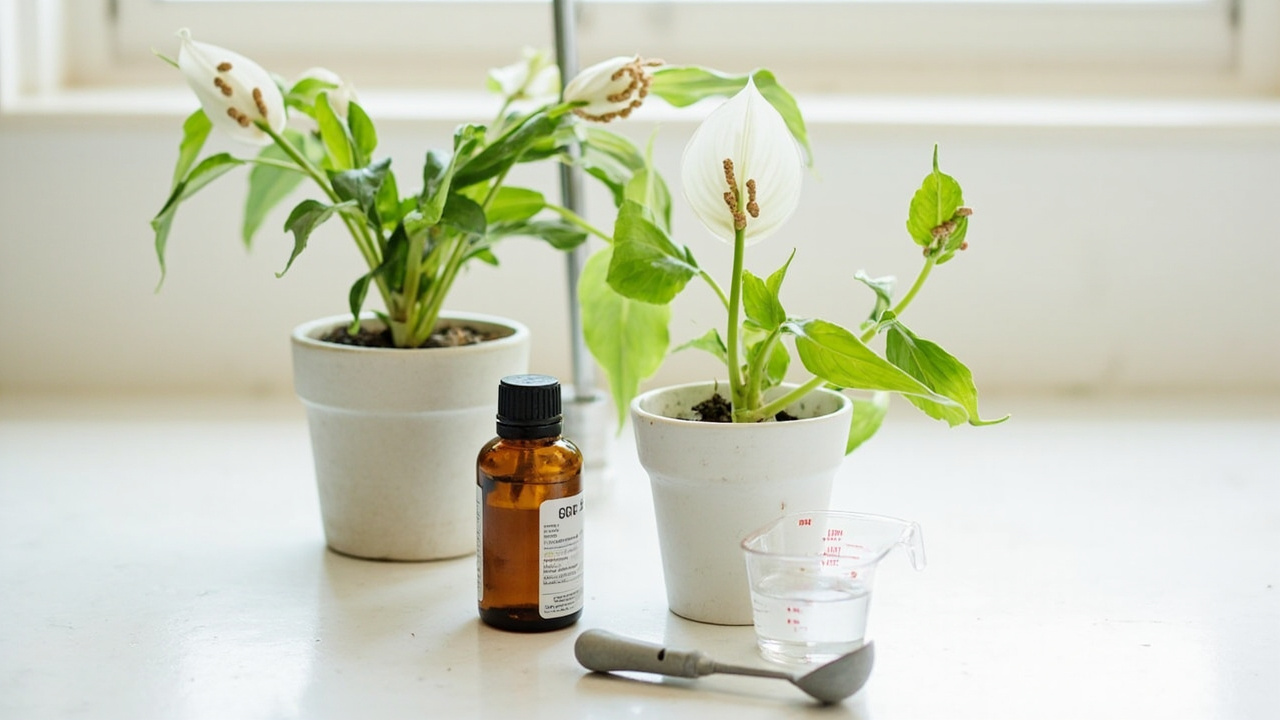
Fertilizing is straightforward but forgiving of neglect. A balanced liquid fertilizer with an NPK ratio of 20-20-20 applied at half strength once per month during spring and summer provides enough nutrition for active growth. Never fertilize a dry peace lily — the salts draw moisture out of the roots and cause chemical burn. Always water first, then apply diluted fertilizer. Peace lilies are not heavy feeders, and over-fertilizing produces exactly the same brown leaf tip symptoms as fluoride burn, which makes diagnosis confusing. When in doubt, use less fertilizer. The plant will survive and flower on minimal nutrition.
Temperature and Humidity
Peace lilies are tropical plants that thrive in household temperatures between 65°F and 80°F. They handle higher humidity well, which is why bathrooms with natural light often produce exceptionally large, dark green specimens. The broad leaves absorb ambient moisture directly through their surfaces. This adaptability makes them more forgiving of humidity fluctuations than many tropical house plants, but it does not make them immune to temperature stress.
Cold drafts cause a specific and unmistakable symptom: brown leaf edges and leaf tips, often concentrated on the side facing the draft source. This includes air conditioning vents, exterior doors with gaps, and windows with poor seals during winter. The plant responds to consistent cold by killing tissue at the margins. Moving the plant away from any airflow source — even a gentle one running continuously — prevents new damage and allows the plant to recover over several weeks if the root system is intact.
Overwatering vs. Underwatering
Overwatering is far more dangerous than underwatering for peace lilies, and the difference in outcome is dramatic. An underwatered peace lily recovers within hours of watering — the cells rehydrate, the leaves stiffen, and the plant returns to normal as if nothing happened. An overwatered peace lily develops root rot, a fungal condition that destroys the root system silently before any leaf symptoms become severe enough to notice. By the time the leaves yellow and wilt visibly, the roots are often too damaged to save. Prevent root rot in house plants starts with understanding that peace lilies prefer to be slightly dry rather than slightly wet.
The diagnostic distinction is straightforward and separates the two problems cleanly. If the soil is wet and the plant is wilted with yellow leaves, the problem is overwatering and the roots are likely rotting. If the soil is dry and the plant is wilted but green, it is simply thirsty. The brown leaf tips only pattern — tips brown, rest of leaf green, plant not wilted — points to fluoride burn or low humidity, not a watering problem at all. This pattern is common enough to confuse owners who assume any browning means overwatering, which leads them to water less, which leads to real underwatering problems.
Repotting and Dividing
Peace lilies signal when they need more space by wilthing more frequently — the root mass fills the pot and the soil dries out within days of watering. This typically happens every one to two years. When repotting, choose a container only one to two inches larger in diameter than the current pot. Sizing up too much leaves excess soil that stays wet too long and invites the root rot problem you are trying to prevent. Gently shake or rinse the root ball to separate the plant into smaller clumps — each division becomes an independent plant with its own root system.
Division is the primary propagation method and the one that works reliably at home. Each separated clump with two or three leaves and its own root network establishes quickly in fresh aroid mix kept lightly moist. Mature peace lilies produce offsets from the base that can be separated without disturbing the main plant. Seed propagation is slow and impractical for home growers, which is why commercial nurseries also rely on division. If you are interested in how to propagate house plants from your existing collection, the peace lily is one of the most forgiving subjects to practice on.
Blooming and Maturity
Peace lilies produce their characteristic white spathe in response to environmental cues, not on a fixed calendar. The primary trigger is a shift toward longer nights, which mimics the dry season in their native tropical habitat — a signal that reproduction is advantageous. Indoor peace lilies can bloom multiple times per year if light levels are adequate, typically in spring and sometimes again in fall. The spathe itself is not a flower but a modified leaf that surrounds the actual tiny flowers on the central spike.
The factor most owners underestimate is plant maturity. Young peace lilies — those grown from division or cuttings of immature stock — often do not bloom for the first two to three years regardless of care quality. This is not a deficiency in your routine; the plant simply has not reached the developmental stage where flowering is physiologically possible. Mature specimens with large root systems are far more consistent bloomers. If you have had your peace lily for under a year and it has never flowered, patience is the answer. Provide good indirect light, avoid overwatering, and wait for the plant to reach flowering maturity. Save dying house plants efforts are rarely needed for peace lilies — they telegraph problems clearly and respond quickly once you address the underlying cause.
For more detailed guides on growing peace lilies, see the propagation guide for step-by-step division and cutting methods, and the not flowering diagnostic if your plant stays green but never produces blooms.
Turn PDF Bank Statements Into Workable Spreadsheets
Your bank statement is a mess of numbers, but your books shouldn't be. Use our converter to get Excel, CSV, or QBO files — ready for QuickBooks.
Try It Free Now