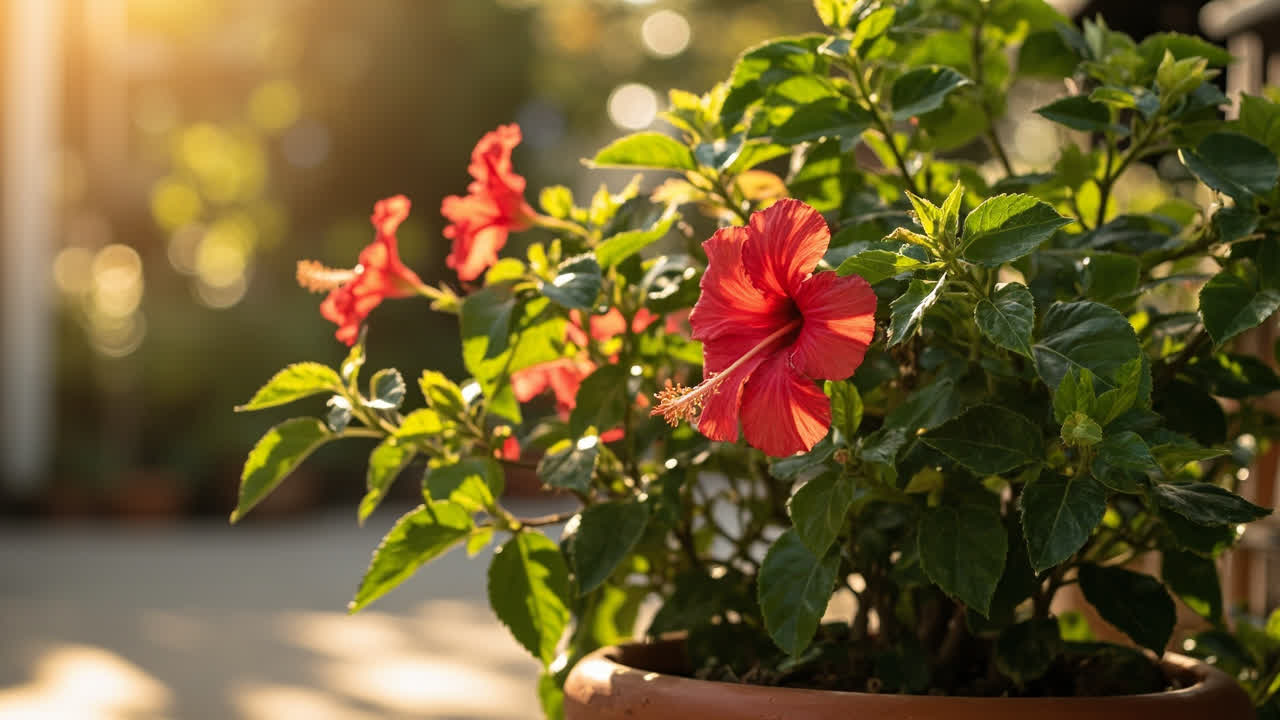
Pruning a hibiscus plant means cutting away specific stems to control how the plant grows — removing the dominant tip redirects the plant’s energy sideways instead of upward. The result is a fuller, bushier Hibiscus Rosa-Sinensis with significantly more blooms than an unpruned plant. Done right, pruning takes 10 minutes and produces visible results within 3 to 6 weeks.
New gardeners often hesitate before making the first cut, worried they will kill or permanently damage the plant. That fear is understandable but largely unfounded. HibiscusRosa-Sinensis is remarkably resilient — it bounces back from pruning mistakes faster than most tropical plants, and even a misjudged cut grows over within a single season. This guide covers exactly what to cut, where, when, and why, so you prune with confidence the first time.
Why Pruning Hibiscus Matters
HibiscusRosa-Sinensis grows in a natural pattern called apical dominance — the tip of each stem produces hormones that suppress branching lower down. Left unpruned, the plant puts all its energy into one or two tall stems, becoming leggy and top-heavy with blooms only at the very ends.
The first new branches after pruning tend to be vigorous — they grow faster than the original stems because the plant channels resources into them. This early growth surge is exactly what you want for a fuller, healthier hibiscus plant. Learn how to increase humidity indoor for thriving hibiscus. Pruning again after this first flush produces even denser branching.
Beyond blooming, pruning keeps the plant at a manageable size for patios, indoor spaces, and containers. Left to grow wild, HibiscusRosa-Sinensis reaches 6 to 10 feet outdoors. Regular pruning maintains it at 2 to 4 feet without stress.
How Hibiscus Plants Respond to Pruning
The first new branches after pruning tend to be vigorous — they grow faster than the original stems because the plant channels resources into them. This early growth surge is exactly what you want for a fuller, healthier hibiscus plant that you can increase humidity indoor for. Pruning again after this first flush produces even denser branching.
The first new branches after pruning tend to be vigorous — they grow faster than the original stems because the plant channels resources into them. This early growth surge is exactly what you want for a fuller, healthier hibiscus plant. Pruning again after this first flush produces even denser branching.
The wound response is predictable. Hibiscus stems callous over cuts within 2 to 3 days in warm weather. The callus is active tissue that walls off potential infection. Clean cuts from sharp bypass pruners heal faster and cleaner than torn or crushing cuts.
The Right Tools for Pruning Hibiscus
You need only one tool for most hibiscus pruning: a pair of sharp bypass pruners. Bypass pruners have two blades that pass each other like scissors, producing a clean cut that heals quickly. Anvil pruners crush the stem as they cut and are not suitable for hibiscus.
Look for bypass pruners with these specifications:
- Blade material: Hardened steel or stainless steel — holds edge longer between sharpenings
- Blade size: 1 inch or larger cutting capacity — handles mature hibiscus stems without crushing
- Handle grip: Ergonomic, non-slip coating — important for sustained pruning sessions
- Safety lock: Essential when the pruners are not in use
Before every pruning session, wipe the blades with rubbing alcohol to prevent spreading fungal spores or bacteria from one stem to another. Dirty tools are the most common cause of disease problems in hibiscus pruning — a 30-second wipe is worth the effort.
When to Prune Hibiscus
The best time to prune most hibiscus plants is early spring, just as new growth begins to emerge. At this point the plant is exiting dormancy, sap flow is active, and it has the energy reserves to fuel rapid recovery and new growth. In most climates this means between late February and mid-April, depending on your last frost date.
The critical rule: prune after all danger of frost has passed. Fresh pruning wounds are vulnerable to frost damage, which can kill the entire stem back to the base. If you are unsure, wait — a late pruning is always better than an early one that results in frost-killed tips.
There are three situations that override the standard spring timing:
- Post-bloom pruning: After a major flowering cycle, light deadheading and a minor trim encourage the next bloom flush. This happens multiple times per summer in warm climates.
- Late-season correction: Light pruning up to 6 weeks before first expected frost allows callusing to complete before cold weather arrives.
- Recovery pruning: After treating a damaged or diseased plant, prune as soon as it is stable — do not wait for spring.
How to Prune Hibiscus Step by Step
Step 1: Identify the nodes. Before cutting anything, examine each stem and locate the nodes — the small bumps where leaves attach. Cut 1/4 inch above an outward-facing node. Outward-facing nodes direct new branches away from the plant’s center, opening up airflow and preventing crossing stems.
Step 2: Start with the tallest stems. Remove no more than one-third of the plant’s total green growth in a single session. Removing more shocks the root system and delays blooming by months.
Step 3: Cut at a 45-degree angle. Angle your bypass pruners so the cut slopes slightly downward and away from the node. This prevents water from pooling on the wound. The angle should be between 30 and 45 degrees — flat cuts (90 degrees) and steep cuts (over 60 degrees) both slow healing.
Step 4: Work systematically. Move around the plant in one direction — clockwise or counterclockwise — removing each tall stem as you reach it. This prevents skipping stems or making uneven cuts on opposite sides.
Step 5: Step back and assess. After your first pass, step away and look at the overall shape. The ideal form is slightly rounded or vase-like, open in the center. Adjust any remaining tall stems following the same rules.
Step 6: Clean up. Collect all cut stems and dispose of them away from the plant. Do not leave cut material on the soil surface — decomposing hibiscus debris harbors fungal pathogens.
Deadheading Hibiscus Flowers
Deadheading is not the same as structural pruning. While pruning reshapes the whole plant, deadheading removes individual spent flowers to redirect energy into producing new blooms instead of forming seeds.
HibiscusRosa-Sinensis flowers last only 1 to 2 days each, then drop naturally. If left on the plant, the spent flower develops a seed pod that draws energy away from the next bloom cycle. Removing it manually keeps the plant focused on flowering.
To deadhead, simply twist the wilted flower off by hand — it separates cleanly at the base of the petals without tools. If resistance is felt, use bypass pruners to cut the flower stem just above the first set of healthy leaves. Do this every 2 to 3 days during peak blooming season for continuous flower production.
After deadheading, applying a balanced liquid fertilizer at half-strength — such as a 10-10-10 formula — encourages the next bloom cycle. Supplemental feeding after deadheading produces measurable results because the plant has an immediate energy demand for producing new flower buds.
How Much Can You Cut Off? Hard Pruning Guide
Hard pruning means cutting a hibiscus back severely — sometimes to only 6 to 12 inches above the soil. Most home gardeners never need to do this, but it becomes necessary in three situations:
- The plant has become severely leggy or misshapen beyond correction with light pruning
- The plant suffered winter die-back and is resprouting from the base
- You need to reduce size for transport or repotting
Hard pruning carries real risk. Removing too much top growth at once disrupts the root-to-shoot balance — the roots depend on the canopy to photosynthesize, and suddenly there is not enough canopy to support them.
Safe hard pruning rules:
- Never hard prune more than once per year
- Never hard prune a plant that is already stressed — from drought, disease, or recent repotting
- Reduce watering by 30 to 50 percent for the 3 weeks following hard pruning
- Expect 6 to 8 weeks of recovery before new growth visibly fills in
Seasonal Pruning Guide
Early spring (March to April): This is the main pruning window. The plant is waking from dormancy and recovers fastest. Perform structural pruning — remove tall stems, crossing branches, and dead wood. This sets the shape for the entire growing season.
Summer (June to August): After the first major bloom flush, do light deadheading and minor shaping cuts. Avoid hard pruning — the plant is actively growing and blooming, and heavy cuts interrupt flower production.
Late summer to early fall (August to September): Make only corrective cuts — remove dead branches, broken stems, or inward-growing shoots. Do not remove more than 10 to 15 percent of the plant’s total growth. The plant needs its remaining canopy to store energy for winter.
Winter: Do not prune tropical hibiscus during winter dormancy. The plant has minimal energy reserves, and pruning removes energy it cannot yet replace through photosynthesis.
After Pruning: Feeding and Care
The 2 to 3 weeks following pruning are critical for recovery. Your plant needs three things: reduced water, consistent light, and appropriate feeding.
Overwatering during recovery is the most common post-pruning mistake. The smaller canopy evaporates less water, so moisture needs drop significantly. Water only when the top 1 to 2 inches of soil are dry. Overwatering leads to root rot — a fungal condition that destroys the fine root hairs responsible for nutrient uptake.
Wait 7 to 10 days after pruning before applying any fertilizer. The plant needs time to callus over the cuts before it can effectively use supplemental nutrients. When you do feed, use a balanced fertilizer with slightly higher phosphorus — such as 10-20-10 — which supports root recovery and bud development without pushing excessive leafy growth.
Apply worm castings as a top dressing around the base of the plant at a rate of 1/2 cup per 12 inches of pot diameter or per plant in ground beds. Worm castings provide slow-release micronutrients and beneficial soil microorganisms that support root health during recovery.
Common Pruning Mistakes and How to Avoid Them
Using dull or dirty tools. A crushing cut from dull pruners takes 3 to 4 times longer to heal than a clean bypass cut. Always sharpen before the season and sanitize between plants.
Pruning too early in winter. Cutting a dormant hibiscus removes stored energy the plant cannot yet replace. In frost-prone climates, winter pruning is one of the top causes of hibiscus decline.
Removing more than one-third of the plant. This causes severe root-to-shoot imbalance. The root system cannot supply the remaining canopy with enough water and nutrients, leading to wilting, leaf drop, and extended recovery lasting 3 to 4 months.
Pruning after the plant has already suffered root rot. Before pruning a stressed plant, address root health first. Removing top growth from a plant with compromised roots can be fatal — the plant has no way to rebuild its energy reserves.
From PDF to Excel in one click
Forget retyping line by line. Upload any bank statement, get a spreadsheet you can actually use. Your files are never stored, and you can test the converter with 3 free conversions.
Try it free