An EC meter measures the electrical conductivity of your nutrient solution, which gives you a practical read on how concentrated the dissolved salts are in the water. If you grow hydroponically and keep seeing numbers like 1.2, 2.0, or 2.8 without feeling sure what they actually mean, the short answer is this: the meter is not telling you whether your plants are happy. It is telling you how strong the solution is right now.
That distinction matters more than most beginner guides admit. An EC reading is not a verdict. It is a clue. A high number might mean your feed is too strong, or that water evaporated and left nutrients behind. A low number might mean your plants drank more nutrients than expected, or that you diluted the reservoir too much. The number is useful only when you stop treating it like magic and start reading it in context.
Here is the fast read before we go deeper:
- EC tells you how concentrated your nutrient solution is.
- Higher EC means more dissolved nutrients or salts in the water.
- Lower EC means a weaker solution, more dilution, or heavier nutrient uptake.
- EC helps you track nutrient strength, but it does not tell you which nutrient is causing the reading.
What an EC meter actually measures
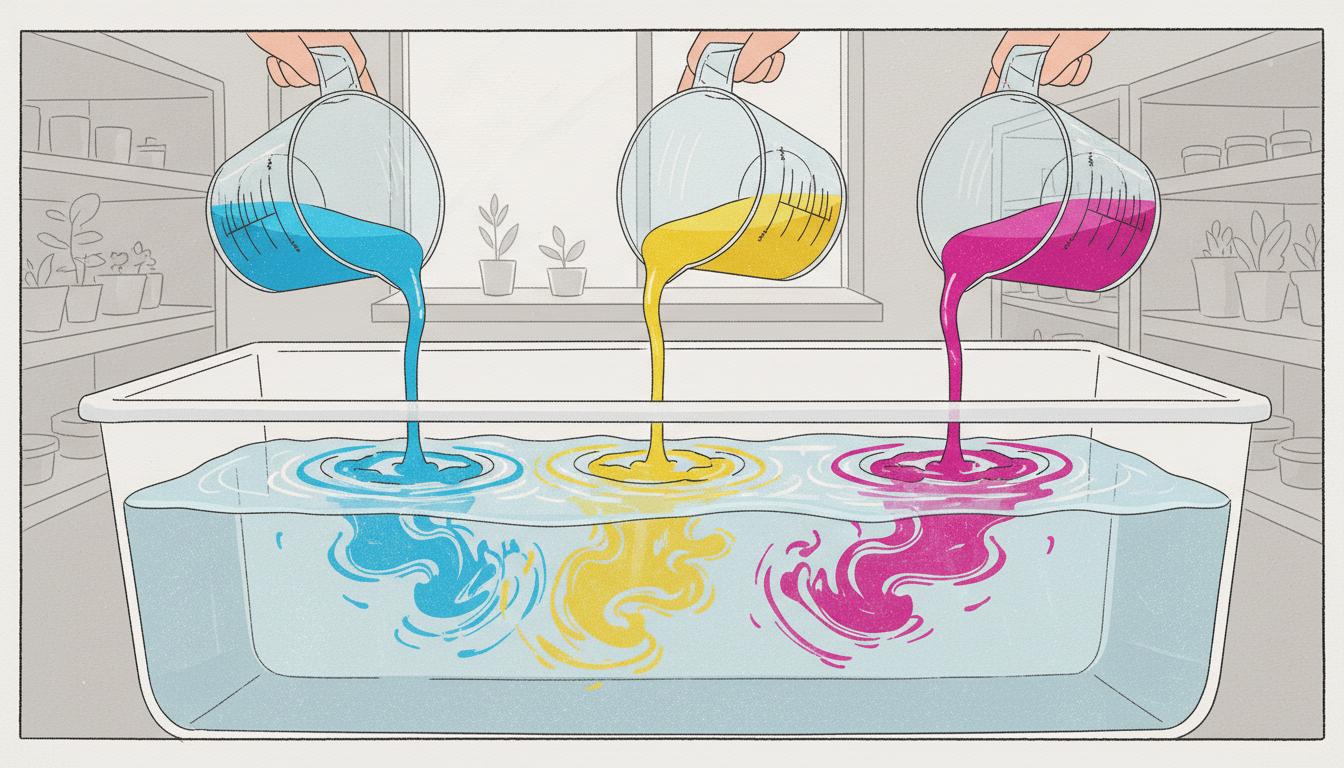
An EC meter measures how easily electricity moves through your hydroponic solution. Pure water conducts poorly, but water filled with dissolved mineral salts conducts much more easily. That is why an EC reading works as a proxy for nutrient strength. The meter is not reading nitrogen, calcium, or potassium one by one. It is reading the overall conductivity created by everything dissolved in the water.
The cleanest way to think about it is this: EC is not a nutrient identity test. It is a concentration signal. Many growers get frustrated because the meter gives them a precise number without giving them the whole story. But that is not a flaw in the tool. It is the entire job of the tool.
Why hydroponic growers rely on EC instead of guessing
In soil, a plant has some buffering. In hydroponics, your nutrient solution is the environment. That makes concentration control much less optional. A solution that is too weak can slow growth and produce pale, underfed plants. A solution that is too strong can create osmotic stress, tip burn, stalled growth, and roots that look more punished than productive.
This is why experienced growers keep an EC meter close at hand. Not because the tool is fancy, but because guessing gets expensive fast in water-based systems. If your reservoir drifts stronger over a few hot days, your plants feel that change before you do. If the number drops after rapid growth, the reservoir is telling you something about uptake. Hydroponics rewards people who notice the system early, not after the leaves start filing complaints.
What the EC number means in real life
An EC reading becomes useful when you pair it with what the plants and reservoir are doing. A reading of 1.8 is not automatically good or bad on its own. It might be suitable for one crop at one stage and too aggressive for another. The number means very little until you know the crop, growth stage, water temperature, and recent reservoir changes.
This is where beginners often get annoyed. They want a universal chart that says 1.6 is perfect and 2.4 is trouble. Hydroponics is not that polite. The number matters, but the movement matters too. A stable EC that matches healthy growth is one story. A rising EC in a tank where the water level is dropping can mean plants are taking up more water than nutrients. A falling EC can mean the opposite. The trend often tells you more than the isolated reading.
If you are still learning how to mix a reservoir accurately in the first place, a guide to how to mix hydroponic nutrients gives the EC reading a much more useful backdrop. A meter is only as helpful as the solution you are measuring.
What an EC meter does not tell you
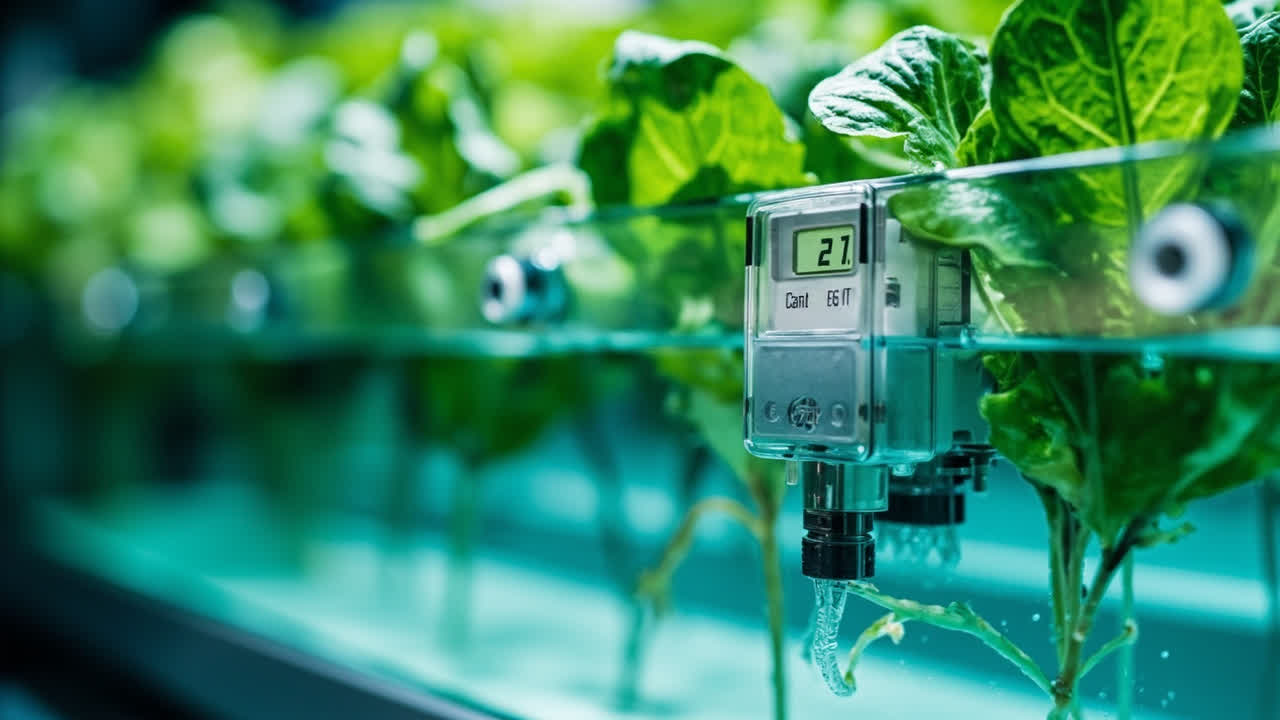
This is the part people usually learn a little later than they should: an EC meter tells you concentration, not composition. It cannot tell you whether the reading comes from a balanced nutrient mix, excess sodium, leftover fertilizer salts, or a reservoir that is drifting out of sync with what the plants actually need.
That is why a solid EC number does not cancel out every other problem. If your pH is off, nutrient uptake can still suffer. If your water quality is poor, the baseline may already be skewed. If one nutrient is too high and another is too low, the EC meter will still give you one tidy number while the plants quietly disagree. The meter is honest, but it is not complete. That is why it works best beside pH tracking and observation, not instead of them.
If you want the clearest companion concept to EC, it is pH. This is where pH in hydroponics stops being a separate topic and starts being part of the same conversation. A reservoir can read strong enough on EC and still feed badly if the pH blocks uptake.
EC vs PPM: why the numbers get confusing
EC and PPM often get treated like interchangeable readings, which is where a lot of unnecessary confusion begins. EC is the direct conductivity measurement. PPM is a converted estimate based on that conductivity. In other words, EC is the original reading. PPM is an interpretation layered on top of it.
That matters because different meters use different conversion scales. Two growers can test the same solution, both report PPM, and still sound like they disagree when they are really just using different meter standards. EC is usually the cleaner language because it removes some of that conversion noise. If you want the longer version of that mismatch, PPM in hydroponics explained helps untangle it.
When an EC reading should make you pay attention
You do not need to panic every time the number moves. You do need to pay attention when the movement stops making sense. If EC climbs while the reservoir level falls, your plants may be drinking water faster than nutrients. If EC drops sharply, they may be taking up nutrients heavily or the solution may have been diluted more than intended. If EC stays high and growth looks stressed, the feed may simply be too strong for the current crop or stage.
Some of the most useful EC decisions are not dramatic. They are small course corrections. A mild increase because plants are feeding well. A dilution because the concentration crept upward during heat. A pause before adding more nutrients because the reservoir is already stronger than the leaf symptoms suggest. Good growers are not just responsive. They are interpretive.
What a good EC habit looks like
A good EC habit is boring in the best way. Measure regularly, note the trend, compare it with plant behavior, and resist the urge to react to one reading as if it were a crisis bulletin. The best use of an EC meter is not dramatic problem-solving. It is early pattern recognition.
That habit gets even more valuable once you pair it with crop stage and feed routine. Seedlings, leafy greens, fruiting plants, and mature heavy feeders do not all want the same concentration. The point is not to memorize one heroic number. The point is to learn what normal looks like for your system, then notice when it stops looking normal.
If you are building out the bigger nutrient picture, this overview of hydroponics fertilizer helps place EC where it belongs: inside the wider logic of feeding, not above it.
The real takeaway
An EC meter tells you how concentrated your hydroponic nutrient solution is. That is the definition. The more useful truth is that it helps you read reservoir behavior before plant damage becomes obvious. Used well, it turns guesswork into pattern recognition.
Once you stop asking the meter for a simple thumbs-up or thumbs-down, it becomes much more valuable. It starts telling you whether the solution is drifting, whether the plants are taking more water than feed, and whether your system is behaving normally for the stage you are in. That is not just a number. That is control.
—
An EC meter is not there to bless your reservoir. It is there to tell you how strong the water has become.
—
From PDF to Excel in one click
Forget retyping line by line. Upload any bank statement, get a spreadsheet you can actually use. Your files are never stored, and you can test the converter with 3 free conversions.
Try it free