Lucky bamboo yellow leaves rarely mean the plant is dying. Most of the time it means something specific and fixable — wrong water type, too much direct sunlight, or a fluoride sensitivity. The confusion comes because all three causes produce identical yellowing. Here is how to diagnose which one you have, and exactly how to fix it.
The Water Issue Is the Most Common Cause
If your lucky bamboo is in a pot of water — as most are — the water quality is doing most of the work keeping it green. Lucky bamboo (Dracaena sanderiana) is unusually sensitive to fluoride and chlorine in tap water, both of which are present at varying levels depending on your municipality. Fluoride toxicity shows first on the newest leaves, starting at the tips and progressing inward over 2–4 weeks.
The fix for sensitive plants: use distilled water or rainwater for the inner pot. If you only have tap water, leave an open container of it on the counter for 24 hours before using — the chlorine dissipates, but fluoride remains. The practical difference means this method works for chlorine sensitivity but not fluoride toxicity.
How often to change the water depends on the container size and ambient temperature. In a typical glass vase with 2–3 stalks, change the water every 7–10 days. In summer or heated rooms, every 5–7 days — stale water develops bacterial film that accelerates yellowing regardless of its chemical composition.
Too Much Sunlight Is the Second Most Common
Lucky bamboo evolved as a forest floor plant in the DRC — it receives indirect light only in its native habitat. Direct sunlight on the leaves causes photoxidative stress that shows as yellowing or bleaching within days, especially on the uppermost leaves that face the light source most directly.
The distinction between sun yellowing and water yellowing: sun damage usually affects one side of the plant more than the other, following the light angle. Water-related yellowing is more symmetrical and starts from the base of younger leaves. If you recently moved the plant near a south or west-facing window, that is your cause.
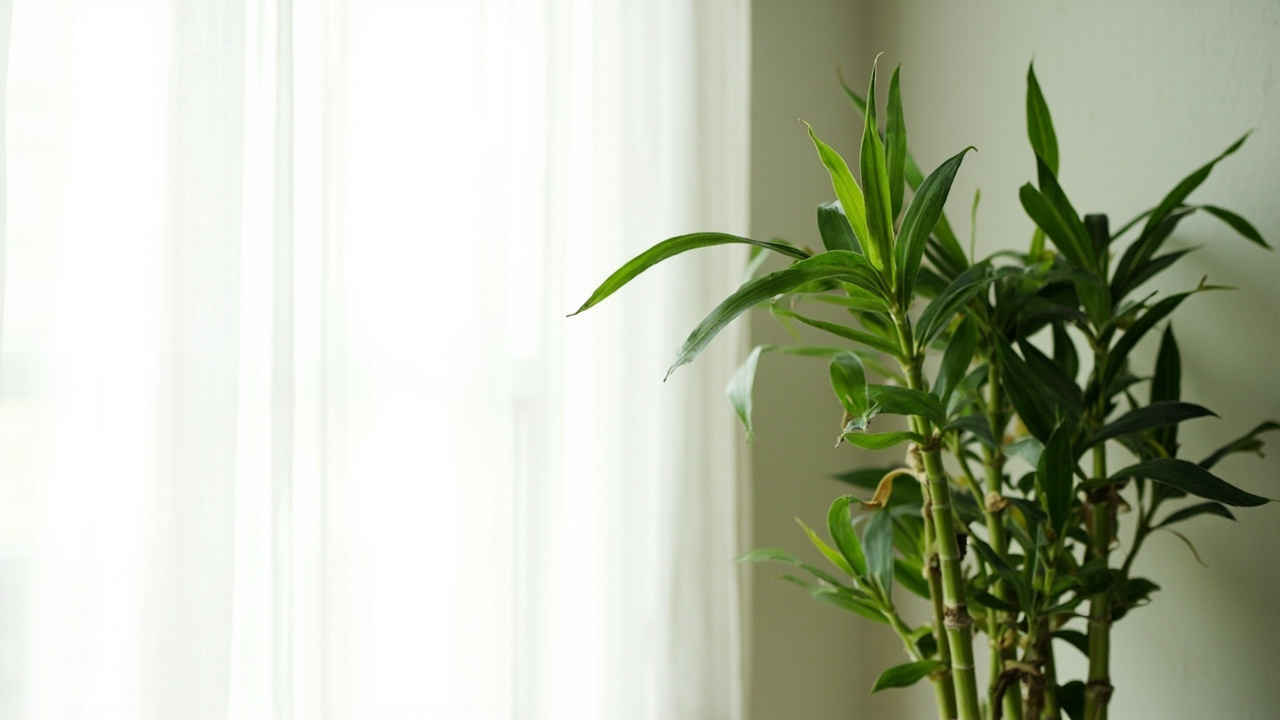
Move it to a spot that receives bright indirect light — 4–6 hours of daylight from 3–5 feet (1–1.5 m) away from a window, not direct sun. An east-facing window with sheer curtains is the ideal setup. In a bathroom with a window, the consistent humidity also helps.
Nutrient Deficiency : The Overlooked Third Cause
Lucky bamboo in pure water without any fertilizer will eventually show deficiency symptoms — typically generalized yellowing that starts in older leaves and moves upward. The plant has been living on stored reserves and they are finally depleting. This is common in arrangements that have not been fed in over 6 months.
The solution: use a liquid fertilizer at 25% of the recommended strength for standard houseplants, applied every 4–6 weeks. Lucky bamboo is susceptible to fertilizer burn — even slightly excessive feeding causes root damage that shows as brown leaf tips first, then whole leaf yellowing. The practical rule: if you are not sure whether to add fertilizer, wait another two weeks.
Fluoride Sensitivity in Dracaena : A Specific Case
There is a nuance worth knowing if you have addressed water and light and still see yellowing: Dracaena species, including Dracaena sanderiana, contain compounds that make them particularly susceptible to fluoride, which is added to many municipal water supplies for dental health. Fluoride toxicity in Dracaena causes leaf tip necrosis (the tips turn brown first, then the yellowing spreads) and is one of the most commonly misdiagnosed plant health issues in the indoor plant world.
If you see brown tips followed by yellowing on newer growth and your water is tap water, switch to fluoride-free water and watch for improvement within three weeks. The plant cannot recover damaged leaf tissue, but new growth will emerge green.
What to Do When Leaves Are Already Yellow
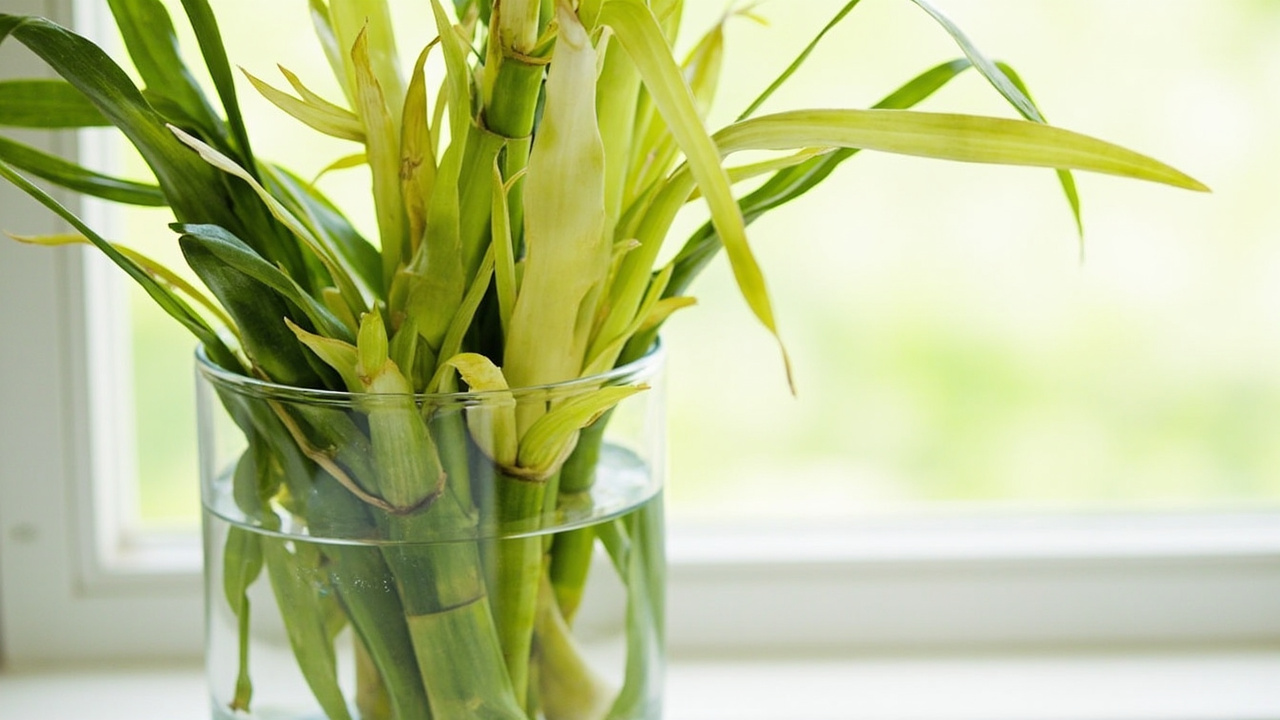
Yellow leaves on lucky bamboo will not turn green again. Once the chlorophyll has broken down in a leaf, the plant’s energy is better spent on new growth. Trim yellow leaves at an angle as close to the stem as possible without cutting into the green tissue — this improves the plant’s appearance and allows the cut to heal cleanly.
When multiple leaves yellow at once over a short period (7–14 days), that is a systemic stress signal rather than a normal aging process. Check all three causes simultaneously: water quality, light exposure, and recent fertilizer applications. The combination of water and light issues is the most common scenario in apartments.
Why the Root System Matters More Than You Think
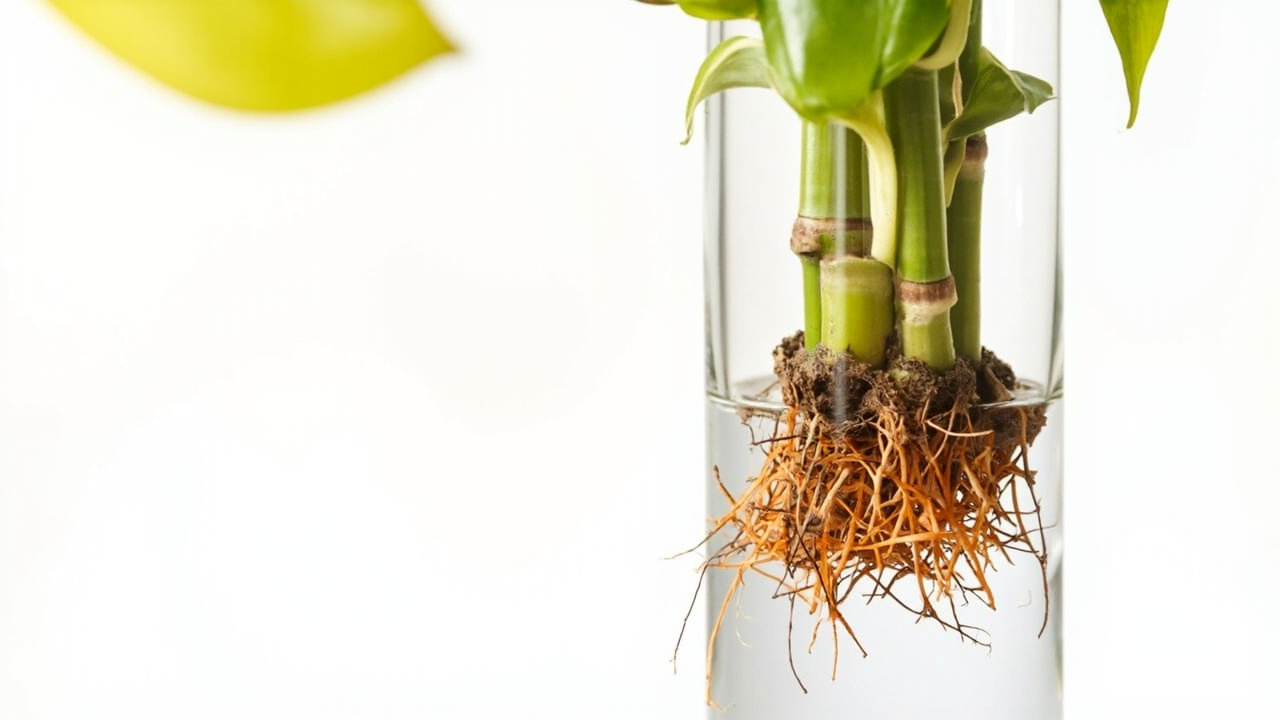
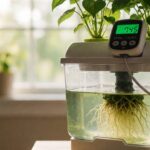
Lucky bamboo grown in water develops a different root structure than soil-grown plants — white, feathery, and adapted to high-humidity water culture. When these roots turn brown and soft, it is a serious problem because the plant has no soil backup. Root damage in water culture is harder to recover from than in soil because there is no medium to buffer the plant through the recovery period.
If the root mass is mostly brown and soft, the plant is in decline. You can try cutting the damaged roots and moving to fresh distilled water with a light fertilizer dose, but success depends on how early you caught it. If the roots are still firm and light-colored even when leaves are yellow, the fix above will almost certainly work.
Internal links: lucky bamboo care beginners for the full growing conditions guide, dracaena braunii vs dracaena sanderiana lucky bamboo species for species identification.
Turn any PDF statement into a clean sheet
Skip the typos and the hours of copying. Our converter handles any bank statement format and outputs Excel, CSV, or QBO for QuickBooks. No file retention, free to try.
Convert your statement