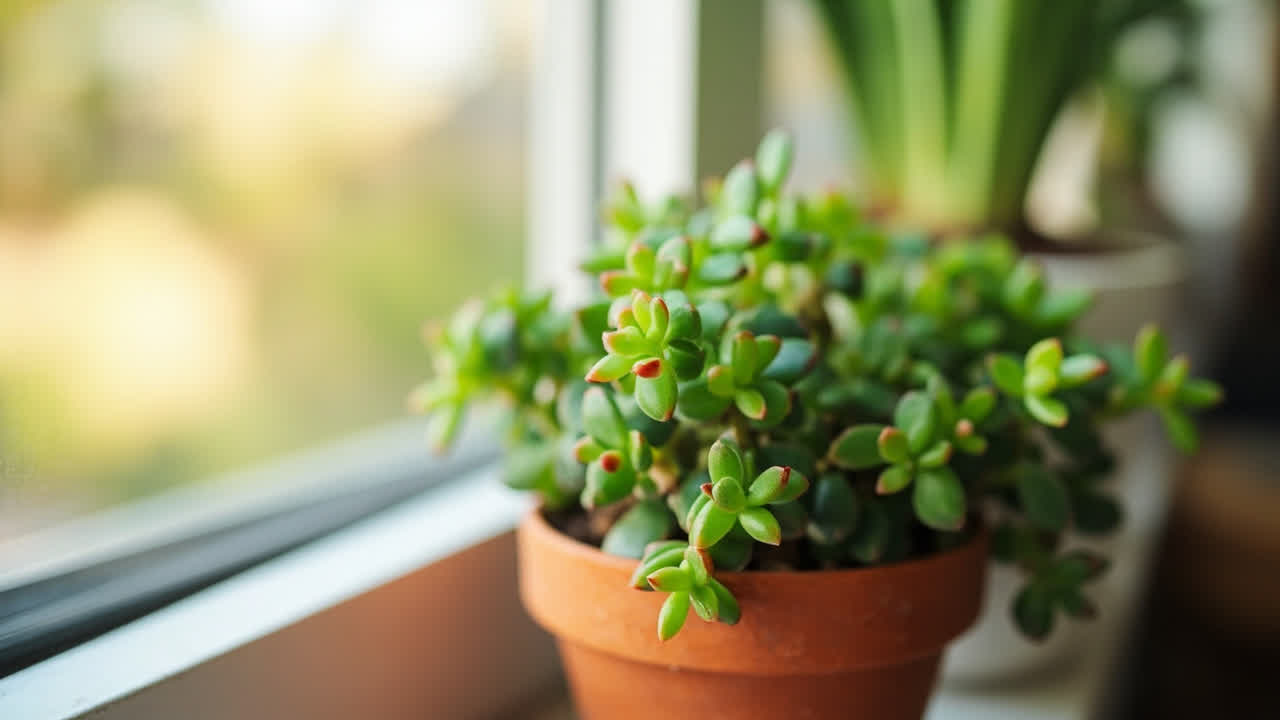
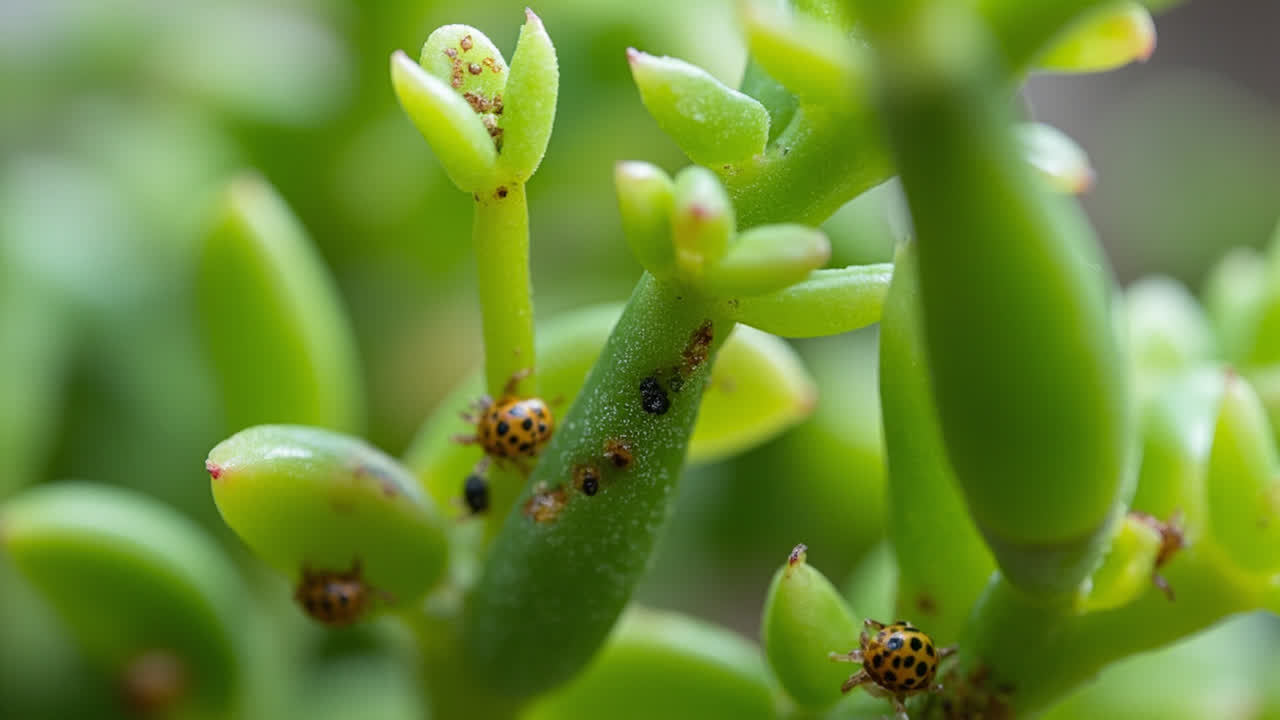
Soil is the most underestimated variable in jade plant care. Every other factor — watering, fertilizing, light — works correctly only when the soil beneath the plant is suitable.
Use the wrong soil and even perfect watering technique leads to the same outcome: root rot, declining health, and eventually a jade plant that cannot be saved.
Jade plant needs fast-draining soil. Not well-draining — fast-draining. The distinction matters.
Well-draining soil holds moisture long enough for roots to absorb it before the water passes through. Fast-draining soil moves water through quickly, leaving air pockets around the roots immediately after watering.
For a succulent that stores water in its leaves and stem, those air pockets are not a problem — they are a requirement.
What Makes a Good Jade Plant Soil Mix
The ideal jade plant soil has three properties: fast drainage, good aeration, and enough nutrient retention to support growth without requiring constant fertilizing. Commercial cactus and succulent mix meets all three criteria reliably and costs almost nothing.
If you buy nothing else, a bag of cactus and succulent mix from any garden center is the single best purchase you can make for your jade plant. It is formulated specifically for plants like jade — succulents and cacti that need soil to dry fast and stay loose rather than compacting.
The problem with standard potting soil for jade plants is its water retention. Standard mixes are designed to hold moisture for hours or days, which works fine for tropical houseplants but is fatal for succulents. A jade plant in standard potting soil stays wet for far too long after each watering, and roots begin to rot long before the soil approaches dryness.
DIY Jade Plant Soil Mix
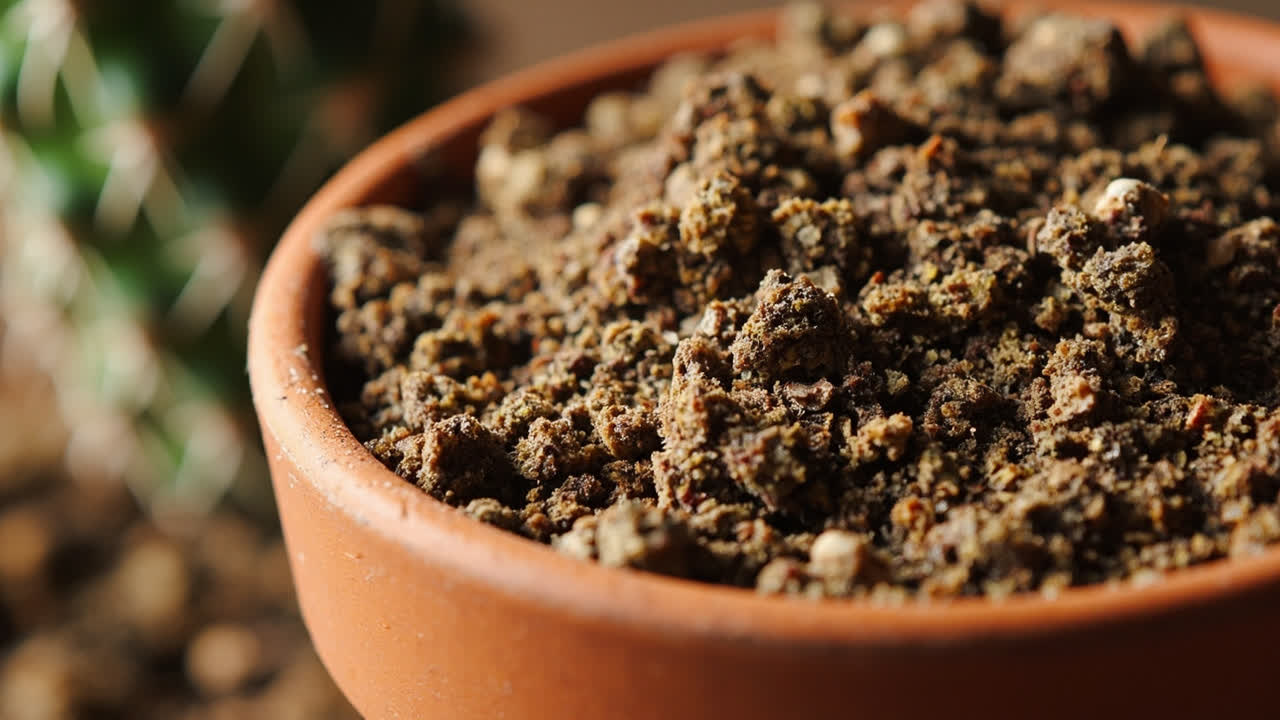
Mixing your own gives you full control over drainage speed and nutrient levels. The classic recipe is three parts standard potting soil mixed with two parts coarse sand and one part perlite. The sand and perlite open up the soil structure, preventing compaction and ensuring rapid drainage. After watering, the soil should feel moist but not wet, and within a day or two it should be completely dry to the touch.
Coarse sand — not fine sandbox sand — is important. Fine sand fills the pore spaces in soil and actually reduces drainage. Look for construction-grade coarse sand, often labeled as horticultural sand or grit. Perlite is the white volcanic glass gravel available in every garden center — it keeps the mix light and airy permanently.
Another variation: one part potting soil, one part coarse sand, one part pumice or perlite. Pumice is slightly heavier than perlite but drains equally well and is preferred by some experienced succulent growers. Either works.
The Perlite Question : How Much Is Enough
More perlite always improves drainage, but there is a balance. A mix that is more than half perlite drains so fast that roots dry out completely between waterings even when you water thoroughly. This causes a different set of problems — the plant looks shriveled and stressed from chronic underwatering.
For most home conditions, a ratio of roughly one part perlite to two parts soil and one part sand produces the right balance. If your home is particularly humid — such as a bathroom or kitchen — add more perlite. If it is very dry, reduce the perlite slightly. Adjust based on how the soil feels two days after watering.
Soil Amendments Worth Knowing
Pumice: A volcanic rock that improves drainage and aeration. It is heavier than perlite, so it stays in the soil mix better long-term without floating to the surface when watered. Some succulent specialists prefer pumice over perlite for this reason. Available at most garden centers or specialty nurseries.
Coarse grit: Small gravel or crushed granite works similarly to sand — it opens soil structure and speeds drainage. Not as effective as sand mixed with organic matter, but useful as a supplementary amendment.
Charcoal: Some growers add a small amount of horticultural charcoal to soil mixes for succulents, particularly for plants in decorative pots without drainage holes. Charcoal absorbs moisture and odors and helps keep the soil sweet. It is optional but not necessary in properly draining pots.
What to Avoid
Peat moss: Peat holds water tightly and is difficult to remoisten once it dries out completely. It is common in commercial potting mixes but a poor choice for jade plants, particularly as the primary organic component. Coco coir is a better alternative if you need a moisture-retentive organic component, though jade plants need very little of either.
Moisture-retaining polymers: Some potting mixes contain polymer crystals that absorb and retain water. These keep soil consistently moist — the opposite of what jade plants need.
Mulch or decorative top dressings that block soil evaporation: While attractive, any material that sits on top of the soil and blocks air circulation slows the drying process. For functional purposes, bare soil is better for jade plants. Decorative top dressing can be used on top of a liner to maintain aesthetics without affecting soil drying.
The Drainage Hole : Non-Negotiable
No matter how good your soil mix is, jade plants need a drainage hole. Water that cannot escape from the bottom of the pot creates a pool that saturates the soil from the bottom up. Roots at the bottom of the pot — the first to stay wet — are the first to rot.
Terra cotta pots are ideal for jade plants because the clay material itself is porous, allowing additional air exchange through the sides of the pot. This speeds drying further. Plastic pots retain moisture longer. Decorative pots without drainage holes are the most problematic — avoid them unless you are using them as a cover pot with the plant in a drainage-lined inner pot.
If you fall in love with a decorative pot that has no drainage hole, use it as a cover pot. Keep the jade plant in a simple terra cotta pot with a drainage hole, and set that pot inside the decorative cover. After watering, lift the inner pot out, let it drain fully, then return it to the decorative pot.
Repotting Soil : When and How
Repot jade plant when roots are visibly filling the pot, growth has stalled for reasons other than seasonal dormancy, or the soil has degraded — become compacted, hydrophobic (repelling water), or covered in algae or salt buildup. For most jade plants, this means every two to three years.
Use fresh soil at each repotting — do not reuse old soil, which is depleted of nutrients and may harbor pests or disease organisms. Shake old soil gently from the roots rather than picking at it, which can damage fine feeder roots. If you find rotted roots — brown, mushy, smelly — trim them with sterile scissors before repotting.
The new pot should be one to two inches larger in diameter than the previous one. Too large a pot holds excess soil and excess moisture, defeating the purpose of using proper soil in the first place.
Signs Your Jade Plant Soil Is Wrong
If problems have already developed, our jade plant problems guide has diagnosis and recovery steps.
If your jade plant is healthy and growing, the soil is probably fine. Problems that indicate wrong soil include:
Soil stays wet for more than a week after watering: The mix is too moisture-retentive. Either the soil is wrong, the pot lacks drainage, or the pot is too large. Check all three.
Water sits on the surface and drains very slowly: Soil is compacted or the pot lacks adequate drainage. Repot in fresh cactus mix in a pot with a proper drainage hole.
Plant looks healthy but smells musty from the soil: Excess moisture and poor air circulation in the soil is creating anaerobic conditions. Repot in fresh fast-draining mix and reduce watering.
The Simple Soil Rule for Jade Plant
Buy a bag of cactus and succulent mix. Use it straight from the bag. That is genuinely all you need to know about jade plant soil. If you want to improve it slightly, add perlite or coarse sand at roughly twenty to thirty percent of the total volume. But the commercial mix alone is sufficient for excellent jade plant health — no complex recipe required.
Turn PDF Bank Statements Into Workable Spreadsheets
Your bank statement is a mess of numbers, but your books shouldn't be. Use our converter to get Excel, CSV, or QBO files — ready for QuickBooks.
Try It Free Now