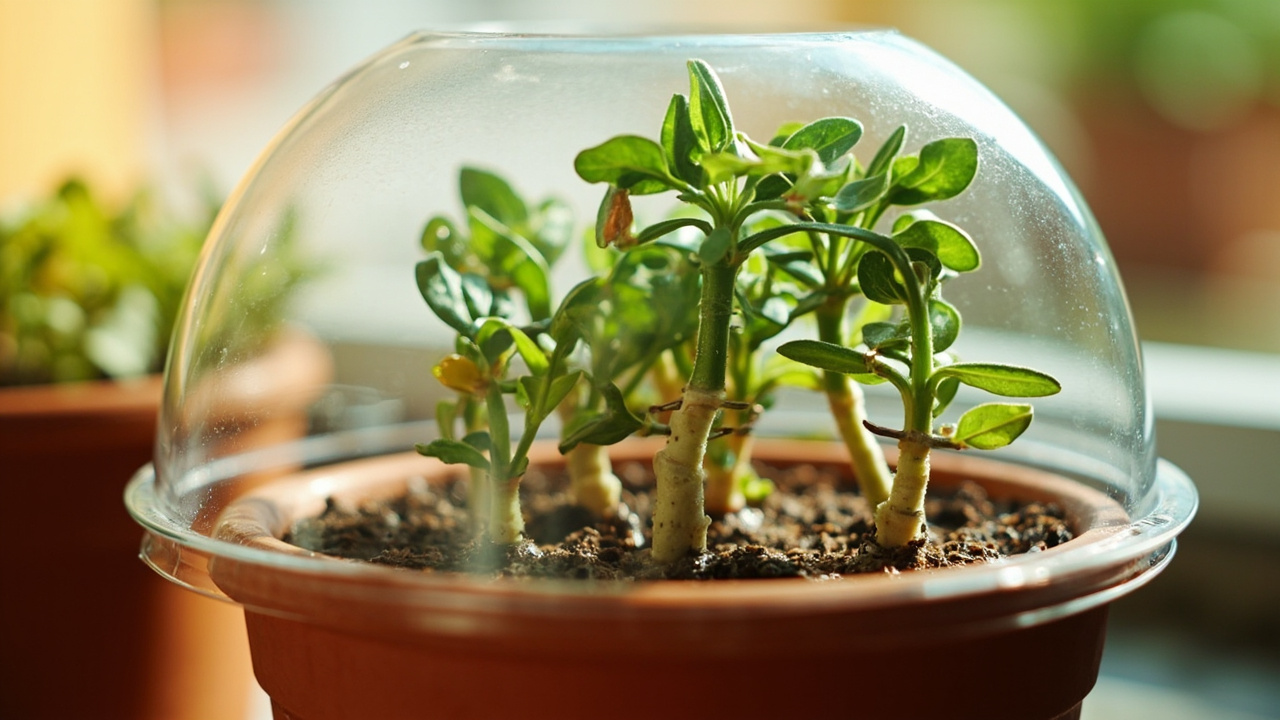
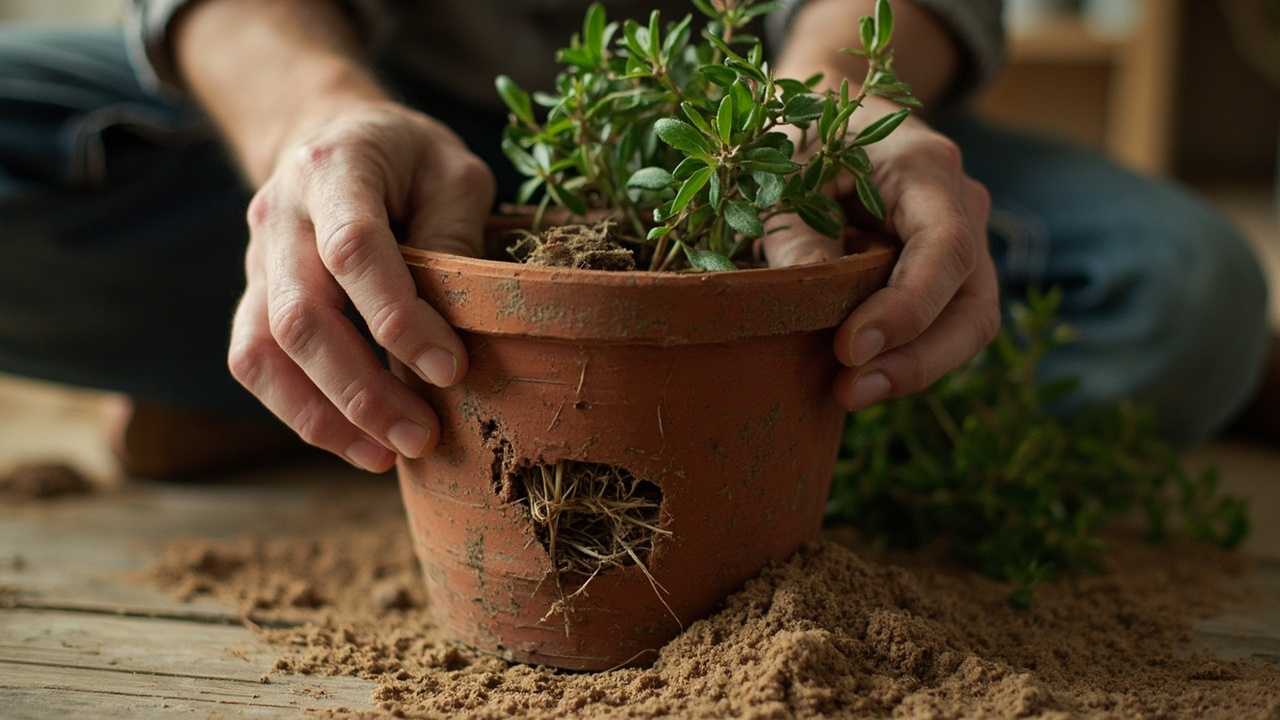
If you’ve ever bought a pot labelled “thyme” and ended up with a plant that smelled like a lawn instead of your dinner, you’ve met the variety problem — and there are at least six thymes worth knowing before you pick one.
The label said “thyme” because that’s the species most shoppers expect, but the genus Thymus holds more than 300 species and cultivars. Some are upright and kitchen-bound; some hug the soil and earn their place between flagstones. The plant you want depends on whether you’re cooking, covering ground, or both — and the answer is rarely “any thyme will do.”
This guide walks through the six varieties a home gardener is most likely to encounter at a nursery or seed supplier: English, lemon, orange, creeping, woolly, and caraway. By the end, you’ll know which one matches your windowsill, your border, your path, or your plate.
Why “thyme” is six plants, not one
The simplest way to think about thyme varieties is to split them into two groups: upright culinary thymes and creeping ornamental thymes. The split is botanical, not just stylistic — upright thymes form small woody shrubs with a woody stem at the base; creeping thymes send out runners and stay under three inches tall.
Within those groups, the differences come from volatile oils. English thyme (Thymus vulgaris) carries thymol and carvacrol — the compounds that give thyme its classic warm, slightly bitter flavor. Lemon thyme (Thymus citriodorus) carries geraniol and citral instead, which is where the citrus note comes from. Creeping thyme (Thymus serpyllum) is lower in both, which is why gardeners use it as a lawn alternative and cooks don’t usually reach for it.
If you want one plant for the kitchen and one for the ground, you may need two different species. The thyme you already own might be the wrong one for the job you had in mind, and that’s a labeling problem, not a growing problem. A quick check of the Latin name on the tag fixes it.
Upright culinary thymes: English, lemon, and orange
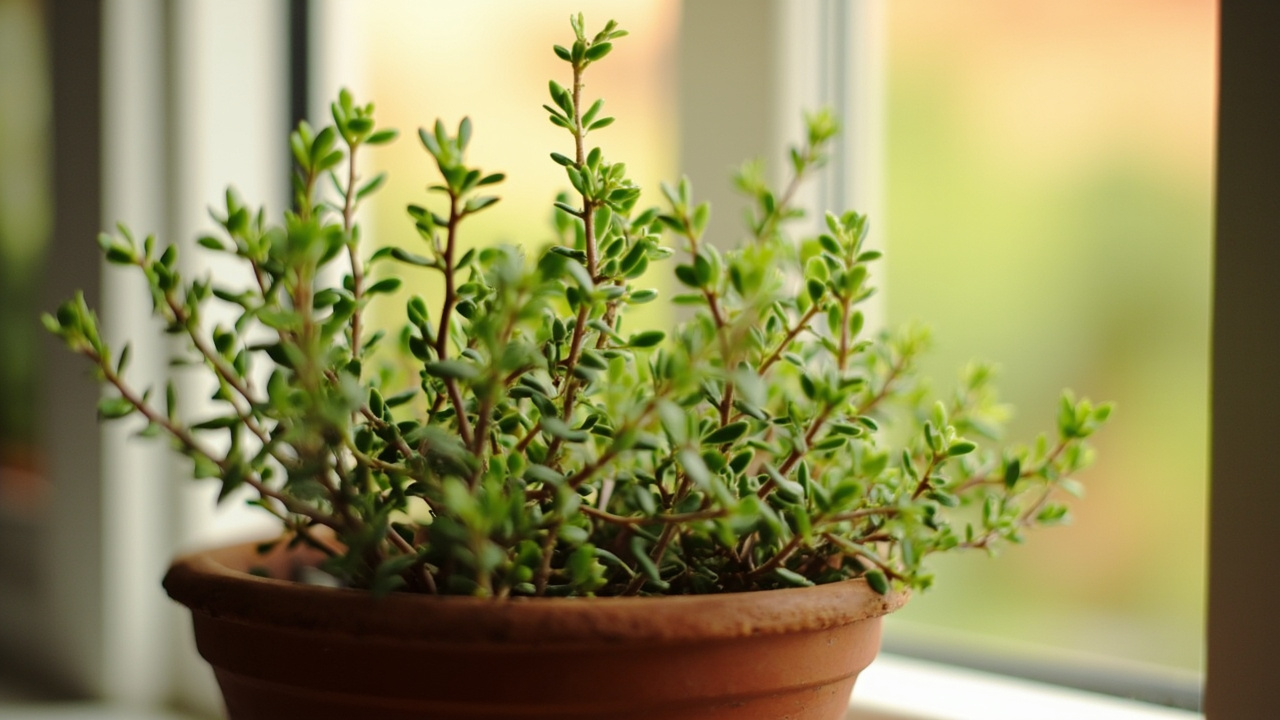
English thyme is the workhorse. It’s the thyme you’ll find dried in grocery-store spice jars and the thyme most kitchen gardens are designed around. The flavor is savory, slightly peppery, and stable — it holds up to long cooking without disappearing. Plants are evergreen perennials that grow 8 to 12 inches tall, form a small woody mound, and live three to four years before they need replacing or hard pruning. For harvesting, cut whole sprigs just above a leaf node and the plant branches twice as thick by the next month. If you’ve cooked with thyme before, this is the flavor you remember.
Lemon thyme is English thyme with a citrus twist, and most named cultivars are technically hybrids between T. vulgaris and T. pulegioides. The leaves look almost identical to English thyme; the difference is in the essential oil profile. Lemon thyme pairs with fish, chicken, and roasted vegetables where you want brightness instead of depth. It needs the same growing conditions as English thyme — full sun, well-drained sandy loam, and a terracotta pot if you’re growing indoors.
Orange thyme (T. vulgaris ‘Orange Balsam’ or similar cultivars) is the newest of the upright culinary trio. It carries thymol like English thyme but layered with orange peel aromatics that show up best in fresh applications — salads, herb butters, or garnishes at the end of cooking. Plants behave like English thyme in the garden: same size, same hardiness, same lean-soil preference. The trade-off is that orange thyme is harder to find in nurseries; if you want it, plan to order online or take a cutting from a friend’s plant.
For a kitchen windowsill, any of the three upright thymes will work, and English thyme is the safest choice if you only want one. Lemon thyme earns its space if you cook Mediterranean or Southeast Asian food regularly; orange thyme is a specialist’s pick.
For container details and the full soil-mix ratio, the thyme plant care guide covers terracotta sizing and the sandy loam blend that keeps all three upright thymes happy on a windowsill — and the thyme light and watering guide walks through the exact watering rhythm that prevents root rot in terracotta pots.
Creeping and ornamental thymes: woolly, caraway, and creeping
Creeping thyme (Thymus serpyllum, sometimes sold as “wild thyme”) is the ground-cover thyme and a pollinator favorite. It grows two to four inches tall, spreads by runners, and covers a square foot within 12 to 18 months once established. The flavor is mild and grassy — usable in the kitchen but not worth growing for cooking alone. The point of creeping thyme is the carpet: between flagstones, along a path, or as a pollinator-friendly lawn substitute in low-traffic areas.
Woolly thyme (Thymus pseudolanuginosus) is creeping thyme’s fuzzier cousin. The leaves are covered in fine silver hairs, the plant stays even tighter to the ground, and it doesn’t flower as heavily as creeping thyme. Growers choose it for the texture — it reads as a silvery mat rather than a flowering lawn. It tolerates the same lean, well-drained soil as other thymes but resents humidity more than its cousins, which makes it a poor choice for hot, wet climates.
Caraway thyme (Thymus herba-barona) is the rare creeping thyme that actually tastes like something. The leaves carry a warm caraway note from the same compound that flavors caraway seeds, and it works as both a culinary herb and a low ground cover. Plants spread more slowly than woolly or creeping thyme, but they handle light foot traffic — a useful trait if you’re planting between stepping stones. If you want a thyme that earns its keep in both the kitchen and the path, caraway thyme is the strongest pick.
The trade-off across all three creeping thymes is the same: they’re not lawn substitutes for heavy use. A creeping thyme lawn will collapse underfoot the way a true lawn would handle it — that’s why gardeners plant it along paths, not as a play surface.
How to choose: by spot, by climate, by use
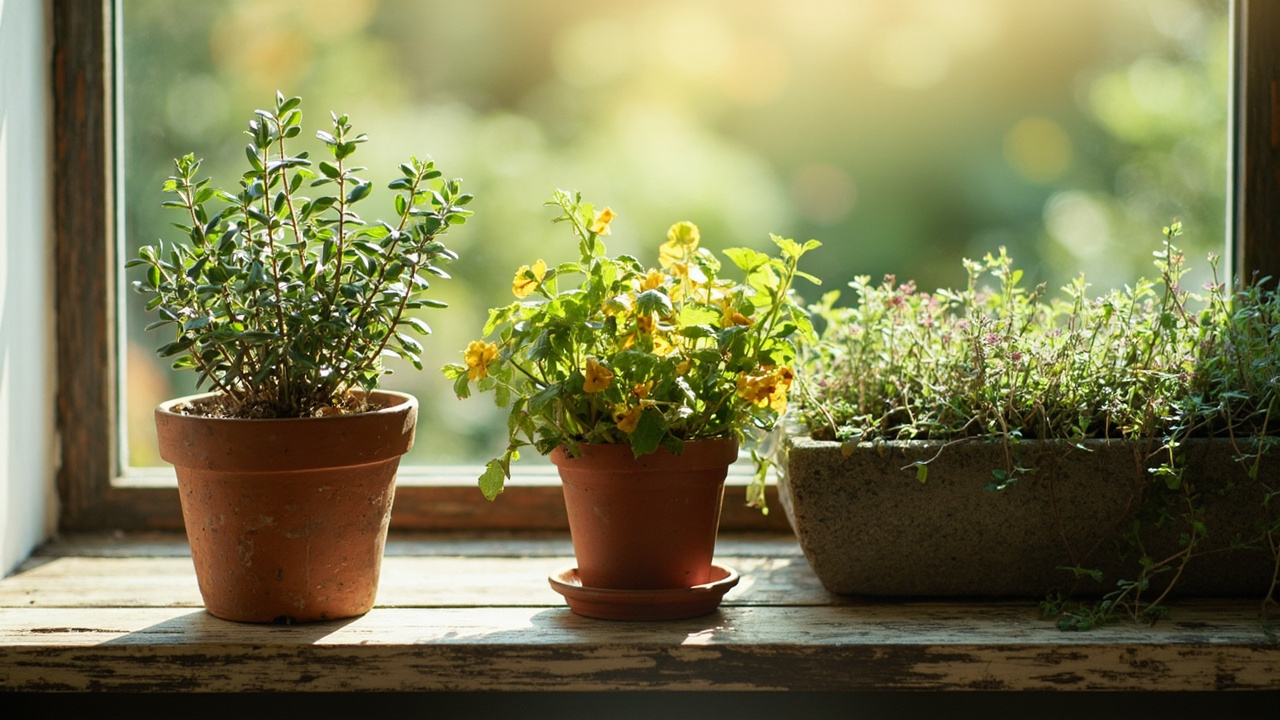
Match the variety to the spot before you buy, because the wrong thyme in the wrong place is the most common reason these plants fail. A windowsill wants an upright culinary thyme in a terracotta pot with a sandy loam mix. A herb bed border wants the same, planted 12 inches apart in full sun. A pathway or rock garden wants a creeping thyme, planted 6 to 8 inches apart so the mat fills in within a year. The thyme light and watering guide covers the rhythm that keeps all six varieties evenly moist without sitting wet.
Climate matters more than most buyers expect. English, lemon, and orange thyme are hardy to USDA hardiness zones 5 through 9; creeping and woolly thyme push to hardiness zone 4 if drainage is sharp. All are Mediterranean natives, so they want lean soil, full sun, and a dry winter — overwintering tips live in the thyme plant care guide.
Use shapes the rest. If you cook with thyme weekly, an upright culinary variety is non-negotiable — even a beautiful creeping thyme lawn won’t replace it in the kitchen. All six are drought tolerant once established, so overwatering kills more thymes than under-watering does. If a plant goes leggy indoors — long stretched stems with sparse leaves — it usually means too little light, not too little water. If you’re planting for pollinators, creeping thyme is the better choice: bees cover it in summer in a way they don’t cover upright thyme. Caraway thyme splits the difference, which is why it’s the most versatile single pick for gardeners who want both.
Climate, dormancy, and how thyme behaves over years
All thyme is perennial, but “perennial” means different things across the varieties. Upright culinary thymes live three to four years before the woody stems outgrow the leafy growth; that’s when flavor fades and the plant needs replacing or hard pruning. Lemon thyme is the fastest to woody decline — its citrus note drops noticeably after the third year. If a mature plant already shows signs of browning and dieback, the thyme turning brown guide covers the revival sequence in detail.
Creeping thymes last longer as plants because their woody structure stays below the leaf canopy. A well-sited creeping thyme mat can survive a decade, though it benefits from division every three to four years to keep the center from dying out. Woolly thyme is the shortest-lived of the creepers, often petering out after four or five years in humid climates.
Dormancy is the moment to plan ahead. Upright thymes drop leaves slowly through winter and stay semi-evergreen; creeping thymes go fully dormant in cold zones and emerge slowly in spring. Don’t write off a dormant thyme as dead until late spring — the same rule applies to all thyme species covered in the care guide.
Sourcing and quick-reference comparison
Local nurseries reliably stock English thyme and usually lemon thyme. Woolly and creeping thyme show up at herb specialists and rock-garden suppliers. Orange thyme and caraway thyme are the hardest to find locally; plan to order online or take cuttings from an existing plant if you can.
Quick reference: English thyme for the kitchen workhorse; lemon thyme for citrus notes in Mediterranean cooking; orange thyme for fresh garnish and salads; creeping thyme for paths and pollinator lawns; woolly thyme for silvery texture in dry climates; caraway thyme for both cooking and ground cover in one plant. If a friend has a plant you want, ask for a stem cutting in spring — most thymes root from cuttings in two to three weeks, and the resulting plant carries the same essential oil profile as the parent. Propagation from cuttings is how most home gardeners expand a collection, and drying the harvest in small bundles is the easiest way to keep culinary thyme through winter.
Whichever variety you choose, the basics of pot size, drainage, and Mediterranean-style full sun are the same — the thyme plant care guide walks through the watering rhythm, the harvest window for each variety, and the dormancy cycle every thyme shares.
The variety problem isn’t really a problem once you know the six thymes worth knowing. The right plant in the right place is a different plant from the one you almost bought, and it’s the one that will still be in your garden three years from now.
Turn any PDF statement into a clean sheet
Skip the typos and the hours of copying. Our converter handles any bank statement format and outputs Excel, CSV, or QBO for QuickBooks. No file retention, free to try.
Convert your statement